











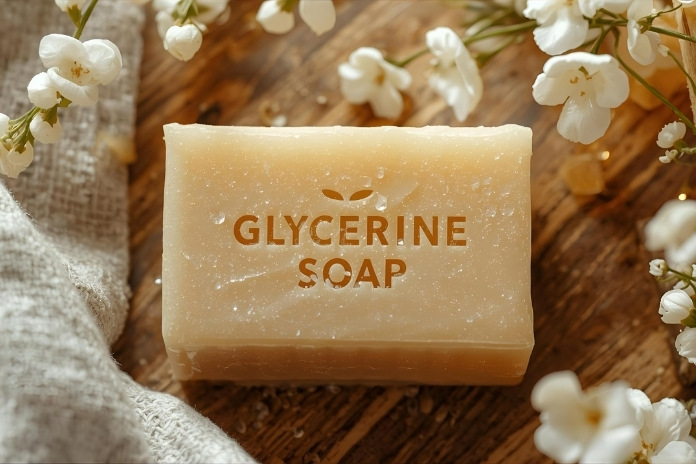
My last visit to the dermatologist was a real eye-opener for me. I am a true patron of 5-step skincare, expensive masks, and salon visits. My dermatologist suggested something for my skin that completely changed my view and skincare routine. A simple glycerine soap! Surprised? Read on!
Most people have a love-hate relationship with soap. On one hand, it’s essential for cleansing dirt, oil, and bacteria. On the other hand, many soaps leave skin feeling dry, tight, or itchy. If you’ve ever stepped out of the shower and felt like your skin needed a gallon of lotion, you’ve experienced what harsh cleansers can do.
But there are no equal soaps. One, glycerin soap, has been praised for its clean yet moisturizing properties. Unlike normal bars that strip away natural oils, glycerin soap lets the skin hold on to moisture. It’s one of the few soaps that reliably gets a thumbs-up from dermatologists for dry, sensitive, and acne-prone skin.
Read More:7 Morning Habits That Could Be Damaging Your Skin Without Realizing It
So, what makes this simple-looking soap so special? In this article, we’ll understand the benefits of glycerin soap, its risks and side effects, how dermatologists view it, and tips for choosing the right formula. If you’ve ever wondered, “Is glycerin soap good for skin?”. Here’s the complete information that you must know!
What Is Glycerin Soap?
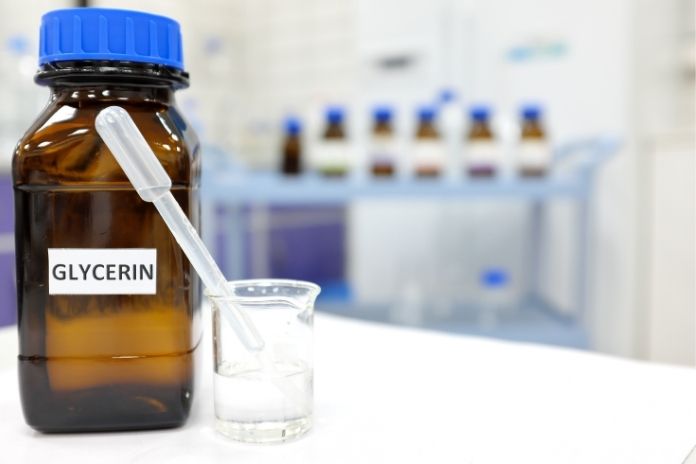
Glycerin itself is an odorless, colorless syrupy liquid derived from natural oils and fats. Chemically, it is a humectant that pulls water from around it and from lower depths of the skin to the surface layer. Glycerin products are thus building blocks of moisturizers, lotions, and serums.
Glycerine soap is traditionally made by blending fats/oils and lye (saponification); glycerin naturally results as a byproduct. In most commercial soaps, however, producers remove the glycerin to sell it for use in more costly products like lotions and creams, resulting in a soap that feels drier and rougher.
Glycerin soap retains its natural glycerin, or has extra added back. This makes it a gentler option that cleans without stripping away moisture.
Different types of glycerin soap include:
- Natural Glycerin Soap: Made from vegetable oils, containing few to no artificial ingredients. Usually retailed as organic or handmade.
- Transparent Glycerin Soap: Characterized by its transparent form. It is usually high in glycerin content.
- Handmade/artisan Glycerin Soap: Popular in boutique skincare shops and farmers’ markets. These typically include short lists of ingredients, maybe with essential oils or herbal extracts.
Overall, glycerin soap is less about glamour and more about getting the job done.
Benefits of Glycerin Soap
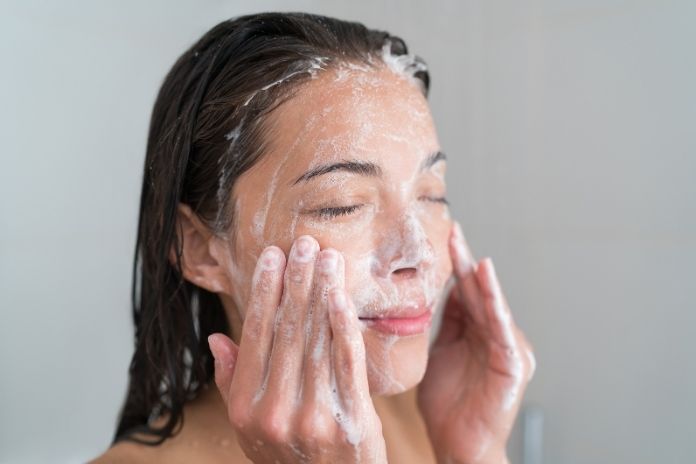
Here are a few significant benefits of glycerine soap:
1. Intensive Moisturizing:
One of the most significant glycerin soap benefits is its ability to hydrate the skin well. Regular, normal soaps dehydrate natural oils, while glycerin draws moisture into the skin, leaving it smooth and soft.
- In winter, when central heating dehydrates the air in rooms, glycerin soap resists the dryness and brittleness of the skin
- In dry climates, it prevents the skin from cracking or becoming rough upon washing.
- For chronic dry skin, it can reduce our dependence on thick creams after washing.
Science backs it up. Research highlights glycerin’s role in increasing skin barrier and suppressing transepidermal water loss (TEWL). In short, it keeps the water in where it belongs, which is in your skin.
Read More: Why Your Moisturizer Isn’t Working (And How to Layer Skincare the Right Way)
2. Sensitive Skin-friendly:
People with sensitive skin are likely to react to soaps containing sulfates, parabens, or artificial fragrances. These substances can destabilize the skin barrier, causing it to become red, inflamed, or itching.
Glycerin soap for sensitive skin is special because:
- It avoids strong surfactants found in most commercial cleansers.
- Most formulations are fragrance-free and color-free, reducing the risk of allergy.
- It calms disorders like eczema, rosacea, and psoriasis, where the skin is usually disrupted.
Dermatologists also emphasize using barrier-friendly cleansers.
3. Good for Acne-Prone Skin:
Acne-prone skin is misunderstood. The purpose is to dry it out, but certain cleansers do the opposite of triggering the skin to overproduce oil and leading to further breakouts.
Glycerin soap for acne strikes a balance:
- It is non-comedogenic and will not clog pores.
- It cleans pores of dirt, bacteria, and excess sebum.
- It balances hydration while preventing recurrent oiliness.
This makes it excellent for teenagers battling hormonal acne as well as adults battling constant breakouts. It’s especially helpful when used together with acne treatments that already dry the skin, such as benzoyl peroxide or retinoids.
4. Anti-Aging Support:
Moisturized skin is not only healthier but it also looks younger. Wrinkles and fine lines become more apparent when the skin is dry. By constantly drawing in water, glycerin keeps the skin plump and supple.
While glycerin soap won’t replace retinol or sunscreen as an anti-aging treatment, it acts as a cleanser that prevents subsequent dryness. All this leads to smoother, tighter-looking skin in the long run.
5. Suits All Skin Types:
Another major advantage is versatility. Unlike specialized cleansers that operate on oily or dry skin only, glycerin soap is versatile and appropriate for almost every type.
- Dry skin: Gets moisturized.
- Oily skin: Loves cleansing without clogging.
- Combination skin: Controls moisture on different areas.
- Normal skin: Maintains natural balance.
Fewer cleansers are so accommodating across the board, and that is why it has been a generation-to-generation favorite.
Read More: 7 Best Glycolic Acid Skincare Products for Radiant, Smooth Skin
Possible Risks and Side Effects
While all its advantages are there, glycerin soap is not completely risk-free. Here’s what to watch out for:
Dryness:
If a soap consists only of glycerin without any oil, it actually has a drying feel under very low-humidity conditions. The reason is that glycerin tends to pull water from the inside layers of the skin outward towards the surface.
Irritation from Overuse:
Overwashing, even with gentle soap, will damage the barrier. Apply no more often than once or twice a day to people with eczema or very dry skin.
Extra Additives:
Not all glycerin soaps are created equal. Commercial preparations may contain added color, preservatives, or fragrance. Each of these will likely irritate.
Allergic Reactions:
While rare, individuals can also respond to added botanicals, essential oils, or stabilizing chemicals. As always, a patch test is advised.
Short answer: Most glycerin soap side effects are minor and can be prevented by doing your product homework. You must always choose the one that suits your skin type, needs, and does not show any side effects.
How to Use Glycerin Soap Safely

Maximum benefit depends on proper use.
- Patch test first. Particularly if you have sensitive or allergic skin.
- Cleaning once in the morning and once in the evening is enough. More frequent washing can strip the barrier.
- Follow it with a moisturizer. Lock in hydration with a cream or lotion.
- Choose fragrance-free options. Especially if you’re prone to eczema, rosacea, or allergies.
- Pair with a sunscreen. Hydrated skin is stronger, but protection from UV damage is still essential.
When used wisely, glycerin soap can be the cornerstone of a dermatologist-approved routine.
Dermatologists’ Recommendations

So why in the world do dermatologists continue to prescribe glycerin soap, with all the new cleansers available?
- Barrier-friendly cleansing: It won’t take away natural oils.
- Hydrating effect: Less flare-ups in conditions like eczema and rosacea.
- Non-comedogenic: Acne patients can use it.
- Affordable and accessible: Compared to many boutique cleansers, glycerin soap is less costly.
Talking about glycerine and its benefits for the skin, Dr Daniel Belkin, a board-certified dermatologist in New York, shares, “It is particularly effective at drawing water into the skin from below or from the air, which causes the skin to appear smoother.” Belkin shares. “Like any good moisturizer, glycerin also helps support the skin’s barrier function,” he adds.
How to Choose the Right Glycerin Soap
Not all glycerin soap is created equal. Here’s how to pick the best for your skin:
- Select “fragrance-free” and “dye-free” labels to minimize irritation.
- Select natural glycerin soap made from plant oils if you prefer fewer artificial additives.
- Clear bars usually contain more glycerin than cloudy bars.
- Check the ingredients list, as fewer additives usually mean milder.
- Select vegan/handmade if you prefer earth-friendly, low-key formulas.
The right soap is based on the unique needs of your skin, but as a rule of thumb, the less ingredients in it, the better.
Conclusion
So, is glycerin soap good for skin? The answer is a definite yes to most people. With its moisturizing, non-comedogenic, and dermatologist-approved characteristics, it’s an ideal option for people with dryness, sensitivity, or acne problems.
That said, not all glycerin soaps are created equal. To avoid side effects, choose fragrance-free, high-quality formulas and always follow up with a moisturizer.
In a skincare world crowded with complex routines and expensive products, glycerin soap is proof that sometimes, simple is best. If you’re unsure about switching, consult your dermatologist. However, for many, this humble bar is the secret to softer, healthier skin.
References
- https://sanixway.com/dangerous-ingredients-in-soaps-for-sensitive-skin/
- https://www.harpersbazaar.com/beauty/skin-care/a42745031/glycerin-for-skin-benefits-explained/
- https://dhathriayurveda.in/blogs/bath-and-body/glycerin-soaps-benefits-how-to-make-how-to-use
- https://www.musimmas.com/resources/blogs/what-is-glycerine-used-for/
In this Article