















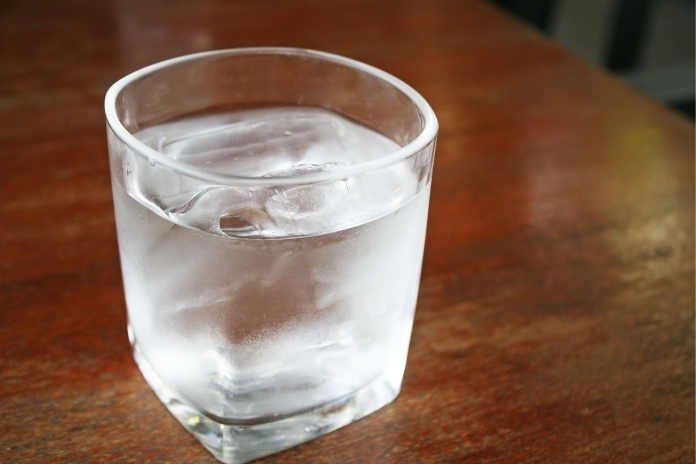
Drinking cold water with meals has been discouraged in many cultures, as it may impede digestion or cause stomach discomfort.
A few others like it with ice. A few prefer it hot, with a lemon wedge. And then there are we, we will drink anything that comes out of the tap. However, can the temperature of the water we drink affect our health in a good or bad way?
The idea that cold water impairs digestion is not a recent one. Cold foods and beverages can weaken the body’s “digestive fire” and upset the qi balance, according to traditional Chinese medicine. Similarly, cold water is said to inhibit “agni,” the digestive fire that breaks down food, according to Ayurvedic medicine.
“There’s no scientific evidence that cold water impacts the digestive system in any significant way,” says Kaushik Govindaraju, DO, an internal medicine specialist with Medical Offices of Manhattan in New York City.
This article will address frequently asked questions, dispel common myths, consider the impact of temperature on digestion, and provide recommendations based on the best available evidence to help you make informed decisions that best suit your needs.
Read More: Why You Shouldn’t Always Drink Water Immediately After Meals
The Basics of Digestion
The intricate process of digestion turns the food we eat into nutrients that our systems can absorb and utilize.
Our bodies require food as a source of fuel for growth, repair, and energy. The digestive system breaks down foods into their most basic components, such as fatty acids (which make up lipids), glucose (a type of sugar), and amino acids (which make up proteins).
Once the small intestine absorbs the broken-down food into the bloodstream, the body subsequently transports the nutrients to every cell in the body.
The mouth is where the digestive tract starts, and the anus is where it terminates. Digestive organs are linked to a lengthy, muscular tube that can reach up to 10 meters in length.
The large intestine and, to a lesser extent, the rest of the digestive system are home to a vast reservoir of microorganisms, including bacteria. For a healthy digestive system, these bacteria are essential. Each person has a unique combination of germs.
Your geographic location, any medical disorders you may have, and any medications you have taken are other factors that affect the sort of bacteria in your digestive system.
What Happens When You Drink Cold Water

According to traditional Indian Ayurvedic medicine, consuming cold water may impede your digestion and alter the body’s harmony.
Ayurvedic practitioners contend that taking cold water obliges the body to expend extra energy to return to its normal core temperature of 98.6°F (37°C).
Your body first feels cold when you drink something cold because the cool liquid temporarily cools the temperature in your mouth and throat. Therefore, there is immediate thermal relief. However, it primarily turns on bodily thermoregulation systems to counter the initial drop in temperature.
For example, the body may enhance blood flow to the surface of your skin to help sustain core temperature, which can also lead to sweating and increased heat.
The body maintains a constant internal state through thermoregulation. When you consume anything cold, receptors in your mouth/throat detect the freezing temperature and relay signals to your brain that the temperature drops.
Your brain then activates functions to restore the body’s temperature, including metabolic demands and biological adaptations, such as enhanced blood flow to the skin’s surface. Although you thought you experienced immediate cooling, these mechanisms can actually create temperature increases in the body and thus cause you to feel hot.
Read More: Is Vitamin Water Zero Actually Good for You? Here’s What You’re Really Drinking
Cold vs Warm Water: Digestion Differences
Many people question whether temperature actually matters when it comes to digestion, specifically whether cold or warm water is more beneficial.
While chilly water can be more pleasant in warmer times, others may find that drinking warm or hot water is comforting, particularly during the winter months. By encouraging the arteries and veins to enlarge, drinking warm water may momentarily increase circulation.
Advantages of Cold Water Consumption
Lowering your core body temperature is one of the primary benefits of drinking cold water. In the following circumstances, drinking cold water is very beneficial for cooling the body:
- When working out, cold water is a great beverage to have after exercising.
- During the sweltering summer months, staying hydrated with cold water is an effective way to prevent heat stroke.
- When you have a fever, drinking plenty of water and reducing your body temperature can help your body rid itself of foreign invaders.
- Studies demonstrate that water increases metabolism when people attempt to lose weight. An additional 70 calories per day, roughly equivalent to the energy expended during a 15-minute walk, can be burned.
Advantages of Warm Water Consumption
- Significantly enhances digestion: According to Chinese medicine and Ayurvedic practices, drinking a glass of warm water first thing in the morning is said to activate your digestive system, promote blood flow to your intestines, and help prevent constipation and indigestion.
- Detoxifies your body: Drinking warm water helps your body eliminate toxic substances and reduces the likelihood of acne and other skin problems.
- Reduces discomfort: By boosting blood flow to tissues, drinking warm water has been shown to alleviate pain from various sources, including migraines, joint pain, menstrual cramps, and muscle sprains.
Myths and Misconceptions

The latest myths regarding cold water contain many exaggerated claims:
Myth 1: Cold water “shocks” your digestion: The claim is that drinking cold water causes your intestines and stomach to “constrict” and therefore creates discomfort and slows digestion.
Myth 2: Cold water uses energy to heat up: Proponents claim that drinking cold water interferes with your metabolism because “spending” the wasted energy involves heating the water.
Myth 3: Cold water slows metabolism and inhibits weight loss: Some health experts even suggest that drinking cold water can slow your metabolism and make weight loss more difficult.
Myth 4: Ice water hinders proper digestion and absorption of nutrients: It is often supposedly said that cold temperatures somehow interfere with your body’s ability to absorb and digest nutrients in food.
Myth 5: Cold water causes bloating and other digestive problems: Many people believe that drinking cold water creates gas, bloating, indigestion, and other digestive issues.
Read More: Is Propel Water Good for You? Ingredients, Electrolytes, Sugar & Caffeine Explained
Possible Negative Effects of Cold Water Use
While cold water may have its downsides, more evidence is needed to support these claims. The main worry is that using cold water could make several medical issues worse, like:
Throat irritation: For some individuals, drinking cold water can cause irritation or a tight feeling in the throat, particularly if they have a sensitive throat or are prone to tonsillitis. It could happen as a bronchospasm, a temporary constriction of the airways that occurs when consuming cold items.
Triggers for migraines: Using cold water can provoke headaches for individuals who tend to suffer from migraines. It is believed to happen when the blood vessels in the throat and palate cool too rapidly and then warm back up too quickly.
Digestive discomfort: For many individuals, especially those having digestive issues like irritable bowel syndrome (IBS), cold water can provoke symptoms like cramping or bloating.
In addition to the above issues, many cultures in Eastern countries believe that cold water slows digestion and leads to an imbalance in nutrient absorption.
Conclusion
The belief that having cold water greatly slows your digestion is more myth than reality. Your body rapidly brings the water to core temperature, and while it may slightly delay the rate of stomach emptying, it will return to normal. Warm water may have calming effects and, in some cases, improve motility in individuals recovering from surgery or those being treated for sensitive stomachs.
The bottom line is that drinking warm water and drinking cold water are both fine, and the best choice is typically based on individual comfort level, cultural practices, or medical necessity. The most crucial consideration is hydration level, since both nutrient absorption and uncomplicated digestion require adequate hydration.
If you experience discomfort, bloating, or reflux when drinking water, whether warm or cold, it may be a good idea to consult a healthcare provider.
Read More: Drinking Water Before Bed: Is It Healthy or Harmful? What Science Says
FAQs
Does cold water burn more calories?
Yes, but just a little. Your body burns very few calories warming cold water to body temperature, which is insufficient for significant weight loss.
Why do some cultures avoid cold water with meals?
Cultures such as Ayurveda and traditional Chinese medicine discourage drinking cold water with meals because they believe it hardens lipids, compresses blood vessels, and may induce an internal “shock.”
Can cold water cause stomach cramps?
The stomach muscles tighten when you drink cold water, particularly after eating or when your stomach is sensitive. The stomach muscles may cramp or feel uneasy as a result of this contraction.
Is warm water always better?
Not all the time. Both cold and warm water are harmless; however, warm water may ease discomfort and calm the digestive tract. Comfort, taste, and personal tolerance all play a role in selecting the ideal option.
References
- https://www.everydayhealth.com/digestive-health/the-effects-of-cold-drinks-on-digestion/
- https://health.clevelandclinic.org/cold-water-vs-warm-water
- https://www.medicalofficesofmanhattan.com/our-team/dr-kaushik-govindaraju/
- https://www.betterhealth.vic.gov.au/health/conditionsandtreatments/digestive-system
- https://www.hopkinsmedicine.org/health/wellness-and-prevention/how-digestion-works
- https://www.medicalnewstoday.com/articles/325038
- https://www.gardenstatepain.com/post/understanding-the-surprising-effects-of-cold-drinks-on-body-temperature
- https://yeditepehastaneleri.com/en/health-guide/diseases-treatments/how-drink-water-warm-cold-or-hot
- https://lifemd.com/learn/is-drinking-cold-water-bad-for-you
In this Article