














Hi there! Let’s discuss your health, which is really vital. When life gets hectic, it’s easy not to prioritize health. But here’s the thing: taking care of your body is about preventing problems so you may live your best life tomorrow; it’s not simply about feeling good today. A whole body health assessment can help with that.
In the fast-paced world of today, health evaluations are quickly becoming the gold standard for preventive treatment.
You’re in the perfect place if you’ve ever wondered what a comprehensive health assessment is, why it matters, or what to anticipate during one. It is better to prevent than to treat. An extensive body health screening is a proactive approach to protect your health, bringing comfort and assisting in the early detection of possible health issues.
This article will explain what these whole body evaluations entail, what to anticipate from the procedure, and—above all—why spending a few hours now can contribute to years of healthier living in the future.
Read More: 7-Day Detox Plan: Revitalize Your Body and Mind
What Is a 5-Hour Full Body Health Assessment?
A comprehensive health assessment is like giving your body a complete tune-up. It is a thorough medical check-up designed to assess your overall health and identify potential issues before they become more serious. Think of it like a total tune-up of how your body is functioning as a whole.
In a complete physical exam, health providers perform many tests and screening procedures that will be different based on your age, sex, lifestyle, and family history of medical issues. All of this information helps develop a picture of your general health at the time of the exam process and evaluates risk factors for diseases that you may not even know exist.
To sum it all up, it is a complete evaluation of your health that includes a physical examination, an explanation of your health history, and a multitude of diagnostic tests that ensure everything is functioning and is in good shape.
What’s Included in the Assessment
- Blood Tests: An essential component of a comprehensive physical examination, blood tests provide physicians with information about the body’s health. By examining blood samples, medical professionals can:
- Recognize early symptoms of a disease.
- Learn about the risk factors for long-term illnesses.
- Know the general health status of a person.
- Physical Examination and Medical History: The comprehensive physical assessment includes far more than blood tests, such as a glucose and lipid panel or CBC. It consists of a thorough physical examination, a key element in evaluating your overall health status.
- Vital Signs
These are basic readings of the most basic bodily systems. The assessment of vital signs includes:
Blood Pressure: High and low blood pressure can indicate an underlying medical problem.
Heart Rate: An elevated, depressed, or irregular heart rate can indicate heart disease.
Respiratory Rate: An unusual respiratory rate may mean an illness of the lungs or other respiratory issues.
- Assessing Medical History
Your lifestyle decisions, medical history of the family, current and previous medical problems, and other risk factors are all taken into consideration. It helps you understand what health risks you may be at risk for. For example, a family history of heart disease may prompt more frequent cardiac testing for you.
- Imaging Tests: Imaging tests also play a vital role in a thorough physical examination. Imaging tests can reveal issues or tumors not seen or discovered through other means. A complete health examination would include two additional imaging tests.
- Electrocardiogram (ECG): This is the test that captures your heart’s electrical activity. It detects illnesses such as angina, a heart attack, abnormal heart rhythms, and blood flow problems related to the heart.
- Chest X-ray: This imaging test offers a complete picture of the heart and lungs, as well as the bones of the chest, to assess concerning conditions. It includes lung cancer, pneumonia, heart failure, and possibly other concerns.
Note Again: The tests listed above are typical; you will have tests based upon your gender, age, and health history.
- Evaluation of the Heart and Lungs: Assessment of the heart is a critical component of the total physical examination. Tests that evaluate the health of the heart and how well the heart performs under stress.
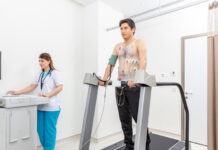
Stress Tests: Stress tests generally occur when the patient exercises on the stationary bike or treadmill, monitoring the heart’s performance and activity under exertion. It allows for the identification of potential problems in the heart’s rhythms or blood flow that may not yet be evident at rest.
The Echocardiogram (ultrasound) is a type of imaging that can visualize both the structure and function of the heart. Evaluation of the size, shape, and motion of the heart chambers, the strength of the heart muscle, and the function of heart valves are part of the evaluations.
Similarly, pulmonary evaluations are essential aspects in evaluating respiratory health.
Pulmonary Function Testing (PFT) evaluates and measures lung capacity, volume, flow rates, and gas exchange, and can identify disease states, including emphysema, bronchitis, and asthma.
- Scans and Other Testing: Your heart, lungs, and other internal organs will be assessed, which can lead us to suggest specific tests, such as chest x-rays, ECGs, or ultrasounds, based on your age and medical history.
- Why it is essential: Imaging exams can help detect diseases, whether or not you have symptoms. Malignancies, lung problems, or heart conditions are examples of what scans can help to identify.
“Recently, whole body MRI scans have become more widely available as the technology has advanced, offering faster scans with sharper images that can be completed in about 30 to 60 minutes,” says Dr. Diego Martin, professor of radiology at Houston Methodist.
“The idea of routinely looking inside the body is tempting, and MRI is an amazing and powerful diagnostic technology, but full body scans for healthy people are not yet supported by scientific scrutiny or recommended by a consensus of experts,” says Dr. Martin.
Read More: Signs Your Body Is Lacking Electrolytes (and What to Do)
Benefits of a Full Body Health Assessment

You might be wondering, “I feel good. Is this really necessary? Yes, actually, and here are some of the reasons why:
Lives are saved by early intervention: Many severe conditions like diabetes, heart disease, and certain cancers will not show symptoms until late in progression. You increase your chances of a successful treatment plan by addressing these issues earlier.
Preventative care is just as critical: A complete, well-rounded health exam prevents issues in addition to recognizing them. In particular, your current diet may change today if you learn your cholesterol is too high, and ultimately prevent a heart attack later.
Peace of mind starts here: There is nothing that compares to knowing that you are doing everything possible to stay healthy. You can face life confidently, knowing your health is clear and no hidden issues remain undiscovered.
Perspective moving forward: Everybody has a different perspective. A complete health exam tailors its perspective to you based on your individual circumstances, lifestyle, and genetics.
In sum, it is an essential part of preventative medicine that makes sure you are doing the best for your health today and in the future.
Read More: Why Your Body Temperature Drops at Night, and How It Affects Sleep & Metabolism
How to Prepare for the Assessment
Adequate preparation for a 5-hour comprehensive body health assessment gives you accurate results and a straightforward experience.
- Fasting is one of the most critical steps to take before blood testing. Doctors generally recommend fasting overnight for 8–12 hours to ensure precise results for blood sugar, cholesterol, and other metabolic markers, while allowing only water during this period.
- Avoid caffeine and any kind of alcohol for at least 24 hours before tests such as the treadmill stress test or ECG. Both of these substances may alter blood pressure, heart rate, and overall cardiovascular outcomes.
- It is also essential to bring your entire medical history with you. It includes a current list of medications, past reports and prescriptions, and information regarding chronic diseases. Everything will help prevent unnecessary duplication of investigations and assist your doctors in correctly interpreting test results.
- Finally, dress in casual clothing and shoes. Loose-fitting clothing will allow you to be the most comfortable while you undergo scans and assessments, as some tests may require limited exercise.
Who Should Consider It?

A health evaluation really is beneficial for nearly everyone. However, some will need to consider it more than others:
Adults over age 30: As we get older, our bodies become more susceptible to specific ailments.
People with a family history of illness: If you have a family history of diabetes, cancer, or heart disease, you should take screening very seriously and plan on going regularly.
Sedentary or inactive people: If you sit at a desk all day, your body needs some focus on its health.
People who smoke or drink a lot: They are more likely to have several health problems.
Does Anyone Feel “Off”? Persistent lethargy, inexplicable weight fluctuations, or other vague symptoms call for further investigation, even if you are unable to identify the particular cause.
At the end of the day, scheduling a well-woman or well-man check allows individuals to gain a deeper understanding of their health and overall well-being.
Read More: The Link Between Flexibility and Longevity – How to Keep Your Body Young
Conclusion
A complete body health assessment that takes five hours is much more than a checkup – it’s a valuable proactive healthcare experience. For only a few hours of your time, you will learn a great deal about your overall health, including preliminary screens for cancer, heart disease, lung disease, and blood indices. This comprehensive approach highlights areas for improvement but provides an overview of your current health state.
The primary benefit of these total body health evaluations is early detection. Early detection of problems such as diabetes, heart disease, or nutritional deficits means that hopefully, you can mitigate or prevent more serious complications down the road. Combined with a health practitioner’s advice and lifestyle recommendations, these assessments have the potential to unlock a longer, healthier life.
FAQs
How often should you get a complete body checkup?
Regular health checkups for adults are possible: once every other year for ages 19 to 21, and once every three years for ages 22 to 64. They are available yearly for people aged 65 and older.
Does insurance cover health assessments?
Many people do not realize that doctors perform full-body scans for various reasons; costs vary widely depending on the model you buy, and scans cannot guarantee coverage of all medical conditions.
Is it safe to do CT scans as part of the package?
Yes, as long as your doctor recommends it, CT scans are usually safe. The advantages of early detection outweigh the hazards, and they employ low radiation levels. Always disclose any current conditions to your provider.
In this Article