












Public-health leaders are sounding alarms about ultra-processed foods (UPFs), factory formulations of refined starches, added sugars, cheap fats, and cosmetic additives, because the science linking them to disease has advanced at an eye-opening pace. What started as scattered warnings a decade ago has solidified into a broad consensus: diets dominated by UPFs are consistently tied to obesity, type 2 diabetes, cardiovascular disease, and even certain cancers.
The concern isn’t just about one ingredient here or there. It’s about how these foods are engineered: stripped of their original nutrients, then rebuilt with fillers, stabilizers, and flavor enhancers to be hyper-palatable, shelf-stable, and cheap. In high-income countries, they’ve quietly taken over, now making up the majority of calories people consume each day.
That combination, near total ubiquity plus mounting evidence of harm, has some experts drawing comparisons to tobacco a few decades ago. Cigarettes were once normalized, advertised as harmless, even aspirational, until science caught up. The same pattern of normalization and delayed recognition may be unfolding with UPFs.
The goal here isn’t to scare you off your favorite snack but to show why that comparison keeps surfacing, what the research actually reveals, and how to cut back without feeling deprived or turning your diet into a full-time job.
Quick Take: Ultra-Processed Foods

Ultra-processed foods (UPFs) are no longer just an occasional indulgence; they’ve become the backbone of modern diets. Researchers now see them as one of the biggest dietary threats to long-term health, not because of one single ingredient, but because of how they’re designed, how much space they occupy on our plates, and the chronic diseases they’re tied to.
How Common They Are
UPFs now make up more than half of the calories consumed in countries like the U.S. and the UK. Children and teenagers often rely on them even more, since breakfast cereals, packaged snacks, frozen meals, and sweetened drinks dominate their options. What this shows is that UPFs are not an exception; they are the norm, shaping eating habits from an early age.
What They Are
Unlike traditional foods that start from whole ingredients, UPFs are industrial products assembled from extracted components, refined starches, added sugars, cheap oils, and salt. To make them attractive, manufacturers layer on cosmetic additives like colors, artificial flavors, stabilizers, and emulsifiers. The end product is engineered to resemble food in appearance and taste, but nutritionally, it often bears little resemblance to the original ingredients.
Health Risks
The health burden tied to UPFs is broad and striking. Studies consistently link heavy consumption to obesity, type 2 diabetes, heart disease, certain cancers, depression, and cognitive decline.
One landmark clinical trial confirmed what many suspected: when people were given an ultra-processed diet, they unconsciously ate about 500 extra calories a day and gained weight, even when nutrient levels were matched to a whole-food diet. This shows that the risk is not just about calories or fat content; it’s about the way these foods interact with our bodies and brains.
A landmark clinical trial published in Cell Metabolism found that when adults were given an ultra-processed diet, they ate about 500 extra calories per day and gained weight, even though the meals were matched to an unprocessed diet for sugar, fat, salt, and macronutrients. This study demonstrated that the risks of UPFs extend beyond calories or nutrient content; it’s the way these foods interact with appetite regulation and the brain that drives overeating.
Why They Drive Overconsumption
UPFs are often described as “hyper-palatable.” This means their combinations of sugar, fat, and salt are carefully balanced to maximize pleasure and blunt satiety signals, encouraging people to eat more than they realize.
The texture, crunch, melt-in-your-mouth quality, and strong flavor profiles are designed to hit reward systems in the brain much like addictive substances do. Over time, this engineered overeating helps explain why UPFs are so tightly linked to weight gain and metabolic problems.
Policy Response
Health authorities are no longer treating this as just a matter of personal choice. International organizations now put UPFs in the same category as tobacco and alcohol, products that are widely available, socially normalized, but also powerful drivers of preventable disease.
In response, the World Health Organization is drafting its first global guideline specifically aimed at reducing UPF consumption. Some countries are also considering front-of-pack warning labels, restrictions on advertising to children, and taxes on ultra-processed products to shift consumption patterns.
What Are Ultra-Processed Foods?
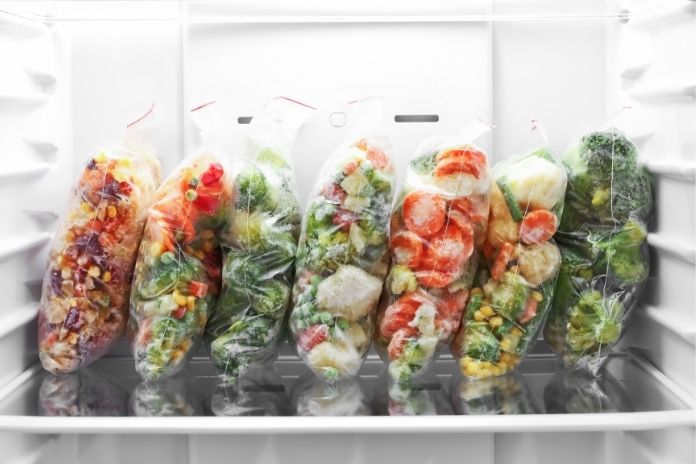
The term “ultra-processed foods” (UPFs) comes from the NOVA classification system, developed by Brazilian nutrition researchers. Unlike traditional systems that focus only on nutrients like fat, sugar, or salt, NOVA looks at the degree and purpose of processing. Foods are grouped from minimally processed (like fresh or frozen vegetables) to ultra-processed (Group 4).
Defining Ultra-Processed Foods
Ultra-processed foods are industrial formulations made mostly or entirely from substances extracted from foods, such as refined starches, vegetable oils, or protein isolates, combined with additives that boost flavor, color, texture, or shelf life.
These additives include emulsifiers, stabilizers, sweeteners, artificial flavors, and preservatives. The result is a product that looks and tastes like food but is far removed from its original ingredients.
Common Examples
UPFs include many items that dominate supermarket shelves and fast-food menus:
- Soft drinks and sweetened beverages.
- Packaged snacks and candy.
- Instant noodles and ready-to-heat meals.
- Sweetened breakfast cereals.
- Reconstituted meat products (like chicken nuggets or hot dogs).
- Mass-produced packaged breads and baked goods.
The Key Nuance: Processing Isn’t Always Bad
It’s important to separate processing from ultra-processing. Processing can make food safer, more convenient, and sometimes more nutritious. For example:
- Frozen vegetables retain most of their nutrients and make healthy cooking easier.
- Canned beans are affordable, shelf-stable, and nutrient-rich.
- Pasteurization makes milk safe to drink.
The problem arises with ultra-processing, where foods are broken down into fractions, reformulated, and engineered with additives to become hyper-palatable, ready-to-eat products. These foods are often energy-dense, nutrient-poor, and designed in ways that encourage overconsumption, crowding out whole, minimally processed options from the diet.
Why This Matters
By understanding UPFs not just as “junk food” but as a distinct category defined by their processing and purpose, it becomes clearer why nutrition experts are increasingly concerned. They aren’t criticizing all convenience foods, but specifically the products that are industrially reassembled, engineered to over-deliver on taste, and consistently linked to chronic disease risk.
Why Some Experts Call UPFs “The Cigarettes of the Future”
The comparison between ultra-processed foods (UPFs) and cigarettes isn’t about equating the exact level of risk. Instead, it’s about recognizing similar patterns in how both products entered daily life, were marketed, and are now understood as major public-health challenges.
- Normalization First, Harms Later. In the mid-20th century, cigarettes were widely used and socially accepted long before science confirmed their dangers. UPFs have followed a similar trajectory. They now account for more than half of daily calories in many populations, yet only in recent years has strong evidence emerged linking them to obesity, metabolic disease, and other chronic conditions.
- Designed for Repeat Use. Cigarettes relied on nicotine to hook users. UPFs use a different playbook: they are engineered around the “bliss point”, precisely calibrated combinations of sugar, fat, salt, and refined carbohydrates that maximize pleasure while dulling satiety signals. The result is faster eating, larger bites, and stronger cravings that keep people coming back for more.
- Aggressive Marketing and Vulnerable Groups. Just as tobacco companies once targeted youth and marginalized communities, UPFs are heavily promoted to children and lower-income households. Bright packaging, cartoon mascots, and relentless advertising make UPFs hard to avoid, especially where healthier options are scarce or more expensive.
- Public-Health Framing. The framing is also shifting. International health agencies now classify UPFs as part of a small group of corporate products, including tobacco, alcohol, and fossil fuels, that collectively drive millions of premature deaths each year. The call is for governments to treat UPFs not just as an individual choice, but as a systemic risk requiring policy action.
In a recent fact sheet from the Global Food Research Program, scientists noted UPFs trigger cravings, are rich in additives, and are strongly associated with multiple chronic diseases globally.
The cigarette comparison isn’t meant to alarm for shock value. It’s a way of highlighting how something can become deeply normalized in society before its health costs are fully recognized. With UPFs, experts are urging that lessons from tobacco, regulation, marketing restrictions, and public awareness be applied sooner rather than later.
Health Risks Linked to Ultra-Processed Foods

Research now encompasses randomized trials, long-term cohort studies, and systematic reviews, all of which point in the same direction. Diets high in ultra-processed foods (UPFs) are consistently tied to higher risks of weight gain, metabolic disease, heart problems, cancer, and even mental health decline. Here’s what the evidence shows across major health outcomes.
A) Weight Gain and Obesity
UPFs are calorie-dense, easy to overeat, and designed to override fullness signals. Evidence shows they don’t just correlate with weight gain, they actively drive it.
- Controlled NIH trial: 20 adults ate either a fully ultra-processed diet or a minimally processed one (calories and nutrients matched). On the UPF diet, they consumed ~500 extra calories/day, ate faster, and gained weight. On the unprocessed diet, they lost weight naturally.
- Population data: Higher UPF share in diets aligns with higher obesity rates. In the UK, UPFs account for ~57% of daily calories and ~65% of free sugars. In U.S. children and teens, UPF intake rose from 61% to 67% of calories (1999–2018).
B) Cardiovascular Disease and Mortality
UPFs are linked to damage well beyond the waistline. Diets high in these foods raise the risk of heart disease and premature death.
- NutriNet-Santé cohort (France): Over 100,000 adults tracked for five years, higher UPF intake correlated with a higher risk of overall cardiovascular, coronary, and cerebrovascular disease.
- Meta-analyses and reviews: Consistent findings that UPF-heavy diets increase cardiometabolic disease and all-cause mortality. A 2024 umbrella review called the evidence “robust” across populations.
C) Type 2 Diabetes
Concerns about UPFs go deeper than sugar or calories. Food additives themselves may play a role in disrupting metabolism and driving diabetes risk.
- Large French cohorts: Higher exposure to emulsifiers linked with greater incidence of type 2 diabetes
- Mechanistic studies: Emulsifiers like carboxymethylcellulose (CMC) and polysorbate-80 (P80) disrupt gut barriers, alter microbiota, and trigger low-grade inflammation, all tied to insulin resistance.
- Emerging evidence: Recent analyses point to certain additive mixtures (emulsifiers + sweeteners) as especially risky for diabetes onset.
D) Cancer
UPF-heavy diets are increasingly linked with cancer risk, particularly breast and colorectal cancers. The concern is not just the additives but also the processed meats and refined components often included.
- NutriNet-Santé findings: Every 10% increase in UPF share raised overall cancer risk by more than 10%, with breast cancer showing the strongest link.
- IARC classifications: Processed meats (hot dogs, sausages) are confirmed carcinogens for colorectal cancer (Group 1). Red meat is “probably carcinogenic” (Group 2A).
- Big picture: UPF-heavy diets often combine multiple high-risk components, magnifying concern.
Dr. Mathilde Touvier, PhD, Research Director: “In our study, we observed that a 10% increase in the proportion of ultra-processed foods in the diet was associated with a significant increase in overall cancer risk, and in particular breast cancer. These findings suggest that the degree of food processing itself may play a role in cancer development, beyond nutrient composition alone.”
E) Mental Health and Cognitive Decline
The impact of UPFs isn’t just physical. New evidence suggests links to depression and faster cognitive decline, raising alarms about long-term brain health.
- Depression risk: A 2023 study of over 30,000 U.S. women found those with the highest UPF intake had ~50% higher risk of developing depression. Artificially sweetened beverages were a key driver.
- Cognitive decline: Brazilian cohort studies linked higher UPF consumption to faster declines in global cognition and executive function over ~8 years.
- Umbrella reviews: Report associations between UPFs and common mental disorders, though causal mechanisms are still under investigation.
Why They’re So Hard to Quit (The “Addiction” Angle)

A growing body of research describes many UPFs as hyper-palatable; they combine specific levels of sugar, fat, salt, and refined carbs in ways rarely found in whole foods and demonstrably linked with greater energy intake. Quantitative definitions of “hyper-palatable foods” (HPFs) have been applied to food databases across countries and show substantial overlap with UPFs. In short, the design of many UPFs promotes repeat consumption.
Do UPFs meet the criteria for addiction? Scholars argue yes for many products, citing compulsive use, intense cravings, and continued use despite harm, with biological plausibility via dopamine-mediated reward.
A 2023 analysis in The BMJ concluded that UPFs can be addictive for a subset of people and proposed public-health responses analogous to those used for tobacco (marketing restrictions, warning labels). Not everyone agrees with the addiction framing, but the consensus is shifting toward stronger population-level measures.
Processed vs. Ultra-Processed: Key Differences

 Note: Some packaged breads and yogurts are processed (few ingredients), others are ultra-processed (stabilizers, emulsifiers, flavorings). The NOVA classification focuses on the degree of processing and formulation, not single nutrients.
Why the Public-Health Framing Is Getting Louder

Ultra-processed foods aren’t just an individual nutrition concern anymore; they’re being framed as a population-level health risk. Public-health bodies are sounding louder alarms because the scale of exposure, the consistency of harms across studies, and the tactics of food corporations echo other industries once considered untouchable.
- Scale: UPFs now account for half or more of daily calories in places like the S. and UK. When consumption reaches this level, even small health risks add up to large impacts at the population level.
- Consistency: Across countries and cohort studies, higher UPF intake consistently links to dozens of poor health outcomes. A 2024 umbrella review covering nearly 10 million participants underscored just how broad these associations are.
- Industry Tactics: WHO Europe has grouped UPFs alongside tobacco, alcohol, and fossil fuels as commercial products driving millions of preventable deaths annually. The move signals a push for stronger regulations and accountability measures.
- Child Marketing: WHO’s 2023 guidance targets the marketing of unhealthy foods and drinks to children. The concern is that early exposure shapes lifelong eating habits, much like tobacco advertising once did.
A fair critique is that much of the evidence is observational, which can’t prove causation. That’s true, and it’s why the NIH metabolic ward trial is so important: it demonstrated causality for overeating and weight gain independent of calories and macros presented, pointing to ultra-processing itself (e.g., texture, energy density, eating rate, hyper-palatability) as a driver.
How to Reduce Ultra-Processed Foods (Without Becoming a Full-Time Chef)
The goal isn’t cutting every packaged product from your life. It’s about small, practical changes that shift your diet toward more whole and minimally processed foods. Even modest swaps can have a big impact on health over time.
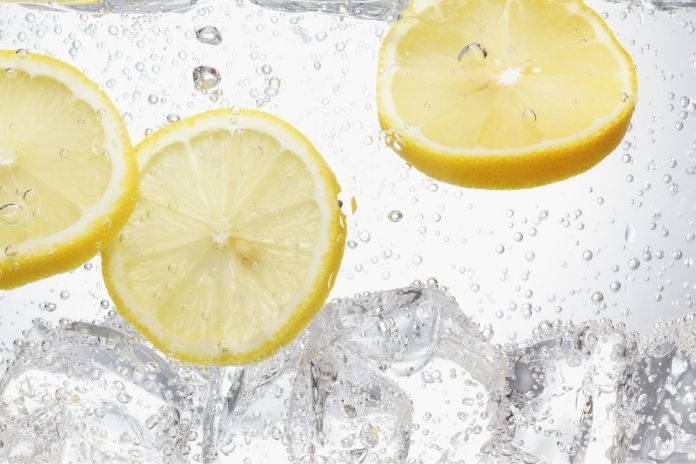
Start with Drinks: Beverages are often the biggest hidden source of added sugars and artificial sweeteners. Replacing soda or energy drinks with sparkling water, lemon water, or unsweetened tea/coffee can make an immediate dent in daily UPF intake.
Rethink Your Snacks: Most packaged snacks are engineered to keep you reaching for more. Keeping options like nuts, fresh fruit, plain yogurt, or roasted chickpeas on hand helps curb grazing while still being convenient.
Simplify Your Meals: You don’t need elaborate recipes to move away from UPFs. Build meals around simple staples:
- Base: canned beans or lentils, frozen vegetables, eggs, canned fish, tofu, intact grains.
- Flavor: olive oil, herbs, spices, tahini, tomato paste, vinegar.
- Protein: aim for steady protein intake, which supports satiety and reduces the urge to overeat highly processed options.
Be a Smarter Shopper: The “shop the perimeter” rule works as a rough guide, but packaged staples can still be valuable. The key is scanning labels. If the ingredient list reads like a chemistry set (multiple emulsifiers, stabilizers, dyes), pick a simpler version instead.
Watch Energy Density: Not all packaged foods are equal. Dense, hyper-palatable products drive overeating far more than options like soups, beans, or veggie-heavy dishes. When you do buy packaged foods, look for lower-calorie-per-gram options.
Make Gradual Swaps: Sustainability comes from small, steady changes. Swap one UPF a day with a whole-food alternative, instant noodles for soba with veg and egg, or sugary cereal for oats with fruit and nuts. Over time, those small moves compound.
The Future of Food Policy
Expect more tobacco-style levers:
- Front-of-pack warnings & marketing limits: Countries that introduced prominent warning labels and restricted junk-food advertising (e.g., Chile) have documented changes in purchasing and marketing exposure; WHO and European public-health bodies are now explicitly calling out UPFs.
- Taxes and subsidies: WHO’s 2024 guidance strongly recommends taxes on sugar-sweetened beverages and offers conditional recommendations for broader food taxes/subsidies to improve diets. Expect further debate over applying fiscal tools to UPFs themselves.
- Children first: Stricter marketing restrictions to protect children are gaining ground globally under WHO guidance.
Policy alone won’t fix dinner, but it can nudge the food environment so the healthier choice isn’t the hardest or most expensive one.
Bottom Line
Ultra-processed foods dominate modern diets not by accident, but by design. They’re cheap, convenient, and marketed aggressively, engineered to keep us coming back. The strongest evidence we have shows they don’t just correlate with harm, they cause overeating and weight gain, even when calories look identical on paper.
Large-scale studies consistently tie higher intake to obesity, heart disease, diabetes, cancer, depression, and cognitive decline. That’s why public-health agencies are beginning to frame UPFs less as a matter of personal willpower and more as a system-wide threat, echoing the early days of tobacco regulation.
The takeaway isn’t to banish every packaged food or cook from scratch three times a day. It’s about shifting the balance. Replace one UPF with a whole-food alternative today, then repeat tomorrow. Those small swaps, repeated over weeks and months, build into lasting protection for your health, far more powerful than any “perfect” plan you’ll abandon in frustration.
References
- https://summarybox.com
- https://quikscan.org/howtos/BuildSummariesDbl.pdf
- https://www.axioshq.com/document-summarizer
- https://summarybox.com/signup
- https://en.wikipedia.org/wiki/Ultra-processed_food
- https://www.health.harvard.edu/blog/what-are-ultra-processed-foods-and-are-they-bad-for-our-health-2020010918605
- https://www.nhs.uk/live-well/eat-well/how-to-eat-a-balanced-diet/what-are-processed-foods/
- https://www.mdanderson.org/cancerwise/7-examples-of-processed-food.h00-159621801.html
- https://pmc.ncbi.nlm.nih.gov/articles/PMC6389637/
- https://www.bhf.org.uk/informationsupport/heart-matters-magazine/news/behind-the-headlines/ultra-processed-foods
- https://pmc.ncbi.nlm.nih.gov/articles/PMC6389637/
- https://www.hopkinsmedicine.org/health/wellness-and-prevention/ultra-processed-food
- https://www.britannica.com/technology/ultra-processed-food
In this Article