













Fall harvest foods like pumpkin and squash aren’t just cozy comfort staples for soups and pies; they’re nutritional powerhouses hiding in plain sight. While grocery store shelves overflow with multivitamin bottles, many of us walk right past the bright orange and deep green squashes that deliver a similar, often better, spectrum of nutrients in a form our bodies can use more efficiently.
Pumpkin and winter squash pack an unusually wide range of essentials: vitamin A for vision and immunity, potassium for heart health, antioxidants like beta-carotene to fight inflammation, and fiber to keep digestion steady. In other words, they’re not just filler for a holiday table, they’re functional foods with benefits that rival (and sometimes surpass) what you’d get from a daily pill.
This article unpacks the science behind why these seasonal vegetables deserve a permanent spot in your kitchen, not just a cameo in October. You’ll find out exactly what nutrients they provide, how they support your health in ways supplements can’t fully replicate, and practical tips to cook them beyond the standard pie or roasted cubes. Think of this as a roadmap to turning humble fall produce into everyday nutrition allies.
Quick Take: Pumpkin & Squash at a Glance
Pumpkin and winter squash aren’t just seasonal ingredients for pies and soups; they’re some of the most nutrient-packed foods you can bring to the table. Their naturally rich colors signal a dense concentration of vitamins and antioxidants, while their hearty texture provides fiber and minerals your body actually needs daily.
Unlike supplements, these whole foods deliver nutrition in a form that works with your body, not against it. They’re versatile, filling, and surprisingly powerful allies for long-term health.
Vitamin-Rich Staples
- Excellent source of vitamin A (through beta-carotene) to support vision, immunity, and skin repair.
- High in vitamin C, important for collagen, faster healing, and strong defenses against illness.
- Butternut squash adds vitamin E for cell protection.
- Most varieties also deliver B vitamins like folate and B6 for energy and red blood cell formation.
Antioxidant Powerhouses
- Bright orange flesh signals beta-carotene, a potent anti-inflammatory compound.
- Many types also include lutein and zeaxanthin, carotenoids associated with eye health and improved vision.
- Together, these antioxidants help reduce oxidative stress and protect against chronic disease.
Fiber + Potassium Boost
- High fiber content promotes satiety, keeps digestion regular, and balances blood sugar.
- Rich in potassium, which regulates blood pressure, supports strong muscles, and protects heart health.
- The combo makes them excellent for gut, cardiovascular, and metabolic health.
Nutrient-Dense, Not Calorie-Dense
- Low in calories but loaded with vitamins, minerals, and antioxidants.
- Their fiber and water content help control hunger and prevent overeating.
- A smart choice for weight management while still delivering full-bodied nourishment.
Why Fall Foods Are Nutrient Powerhouses
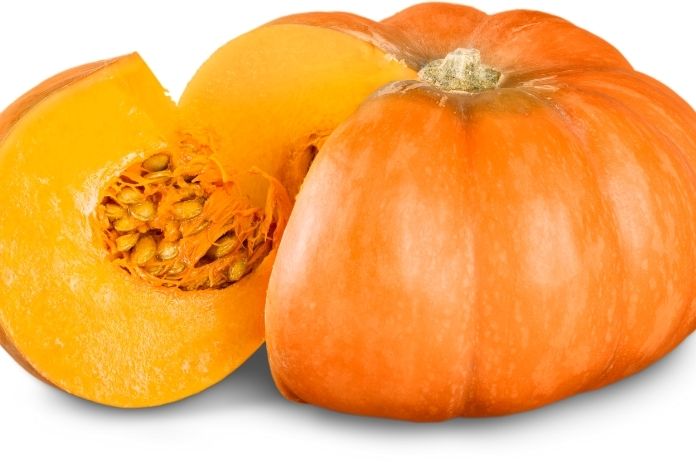
Season matters. When produce is harvested in-season, like pumpkins, squashes, and root vegetables in the fall, it’s usually picked closer to peak ripeness. That timing preserves delicate vitamins, especially vitamin C, which can degrade quickly during long storage or transport. The result is more nutrition per bite compared to out-of-season produce that’s been shipped halfway across the globe.
Whole-food advantage. Nutrients from fruits and vegetables don’t arrive in isolation; they come packaged in a “food matrix” of fiber, water, and plant compounds. This combination enhances absorption and creates what scientists call nutrient synergy, where vitamins, minerals, and phytonutrients work better together than they would alone.
For example, the carotenoids in squash are absorbed more efficiently when paired with their natural fibers and plant oils, something a capsule can’t replicate.
Fall’s signature nutrients. Pumpkins and winter squashes are especially rich in carotenoids like beta-carotene, lutein, and zeaxanthin. These compounds convert to vitamin A in the body, supporting immune function and healthy skin, critical as we head into cold and flu season. At the same time, their antioxidant properties protect cells from oxidative stress and support long-term eye health, making them a seasonal match for our body’s needs.
“Fruits and vegetables that are harvested early, shipped long distances, or stored extensively often lose a significant portion of their vitamins and minerals before reaching our plates. Eating produce that’s in-season and local helps preserve nutrient density and delivers far more health benefits than what many of us think when looking at fresh-looking produce.” – Saroj Srivastava, Dietitian (Orchid Medical Centre, Ranchi)
The bottom line: Fall vegetables aren’t just comforting, they’re a strategic source of concentrated nutrition. Seasonal, minimally processed produce delivers a spectrum of vitamins, minerals, and antioxidants in natural combinations that pills simply can’t match.
Pumpkin: The Bright-Orange Nutrient Star
Pumpkin isn’t just for pies and lattes; it’s a nutritional standout with a profile that rivals many multivitamins. One cup of cooked pumpkin (boiled and drained) offers an impressive range of nutrients in a small-calorie package:
- Calories: 49
- Fiber: 7 g
- Potassium: 563 mg
- Vitamin A: 706 μg RAE (≈78% Daily Value)
- Vitamin C: 5 mg (≈13% Daily Value)
- Lutein + Zeaxanthin: ~2,484 μg
These values come from USDA-derived food composition data, showing that pumpkin is both nutrient-dense and weight-friendly.
Why It Matters
- Vision & Skin Health: Pumpkin’s bright orange flesh is loaded with beta-carotene, a carotenoid that the body converts to vitamin A.
- Immunity & Collagen Formation: With over 10 mg of vitamin C per cup, pumpkin contributes to stronger immune defenses.
- Heart & Muscle Function: A single cup of pumpkin delivers over 560 mg of potassium, nearly as much as a banana. Potassium is crucial for muscle contraction, nerve signaling, and heart rhythm stability. Just as important, it helps counteract sodium, making pumpkin a natural aid for healthy blood pressure control.
- Eye Health Beyond Beta-Carotene: Pumpkin isn’t only about vitamin A; it also provides high levels of lutein and zeaxanthin, pigments that concentrate in the retina’s macula.
- Weight-Friendly by Default: At only 49 calories per cup, pumpkin is light on energy but heavy on satiety. Its combination of fiber and water helps keep you full without contributing to weight gain.
Dr. Bethany Agusala, MD, Internal Medicine, UT Southwestern Medical Center (on the health benefits of pumpkin): “Pumpkin is high in fiber and rich in nutrients such as potassium, vitamin C, and beta-carotene, which converts to vitamin A in the body. These nutrients support vision and heart health, help regulate blood pressure, and strengthen the immune system.”
Squash: The Unsung Hero of Fall Nutrition
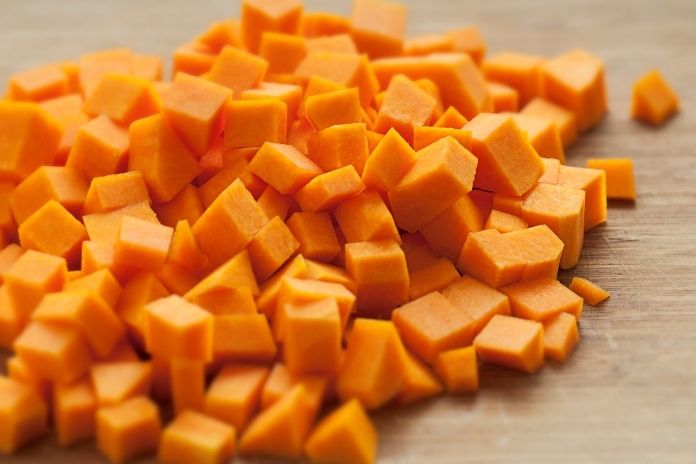
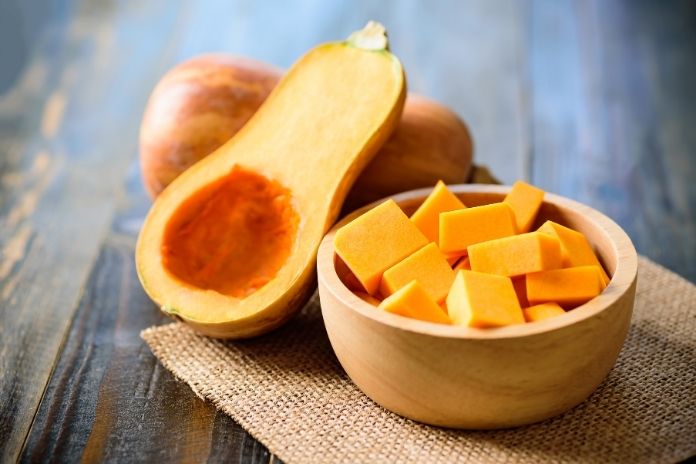
When people think of fall nutrition, pumpkin often steals the spotlight, but winter squash deserves equal attention. This family includes several varieties, each with its own nutrient strengths. Two of the most common, butternut and acorn squash, deliver impressive, yet distinct, nutritional profiles that make them essential additions to seasonal meals.
Butternut Squash (per 1 cup baked cubes)
- Calories: 82
- Fiber: 6 g
- Potassium: 582 mg
- Vitamin A: 1,144 μg RAE (≈127% DV)
- Vitamin C: 31 mg (≈34% DV)
- Vitamin E: 6 mg (≈18% DV)
- B-vitamins: B6 ≈15% DV; Folate ≈10% DV
Butternut squash is like a multivitamin on your plate: high in vitamin A for vision and immunity, vitamin C for collagen and immune defense, vitamin E for cellular protection, plus useful amounts of B-vitamins to keep energy metabolism running smoothly.
Acorn Squash (per 1 cup baked cubes)
- Calories: 115
- Fiber: 9 g
- Potassium: 896 mg
- Vitamin C: 22 mg (≈25% DV)
- B-vitamins: Thiamin and B6 are notably present.
Acorn doesn’t compete with butternut on vitamin A, but it shines in fiber and potassium. That makes it particularly useful for digestive health, blood pressure control, and satiety, nutrients that people often fall short on.
What Those Nutrients Do for You
- Blood Pressure & Heart Health: Both butternut and acorn are strong potassium sources, which help the body counteract sodium’s effect on blood pressure. Potassium supports smooth vascular function, regulates heart rhythm, and contributes to overall cardiovascular health.
- Digestion & Metabolic Health: Acorn squash in particular, is a fiber heavyweight, with 9 grams per cup, about one-third of the daily recommended intake for women. Fiber promotes bowel regularity, helps regulate blood sugar, and has been tied to better weight management outcomes across population studies.
- Energy & Brain Function: Butternut contributes meaningful amounts of B-vitamins, including B6 and folate. These nutrients are central to breaking down food for energy and supporting neurotransmitter pathways in the brain, which play roles in mood regulation and cognitive health.
- Bone Support: Winter squash also provides minerals like magnesium and smaller amounts of vitamin K. Magnesium works with potassium and other dietary factors to support bone density, especially as part of a plant-rich diet.
Dr. Bethany Agusala, MD (Internal Medicine, UT Southwestern Medical Center): “Winter squash is nutrient-dense and provides potassium, vitamin C, beta-carotene, and fiber, all of which support heart health, digestion, immunity, and vision. It’s a great example of how seasonal vegetables can deliver big health benefits without a lot of calories.”
Think of butternut squash as your vitamin A/C/E star, excellent for vision, immunity, and skin protection, while acorn squash is the champion of fiber and potassium, keeping digestion, blood pressure, and satiety on track. Rotate both into your fall meals, and you’ll cover a broad spectrum of nutritional needs without relying on supplements.
Pumpkin vs. Squash: Head-to-Head Nutrition (per 1 cup cooked)
| Nutrient | Pumpkin (boiled, mashed) | Butternut (baked, cubes) | Acorn (baked, cubes) |
| Calories | 49 | 82 | 115 |
| Vitamin A | 706 μg RAE (78% DV) | 1,144 μg RAE (127% DV) | 43 μg RAE (5% DV) |
| Vitamin C | 11.5 mg (13% DV) | 31 mg (34% DV) | 22.1 mg (25% DV) |
| Fiber | 2.7 g | 6.6 g | 9.0 g |
| Potassium | 563 mg | 582 mg | 896 mg |
A Note on Vitamin K
Winter squashes contain only small amounts of vitamin K, so they’re not reliable sources. If bone health is your focus, pair squash with leafy greens like kale, spinach, or collards to cover that gap.
Bottom Line
- Pumpkin: Lightest, versatile, and still strong in vitamin A.
- Butternut: The all-around star, high in vitamins A, C, and E with good fiber.
- Acorn: The fiber and potassium powerhouse, best for heart and digestive health.
Together, they complement each other; rotating between them gives you the broadest nutritional coverage.
How Pumpkin & Squash Work Like “Multivitamins” (No Pills Needed)
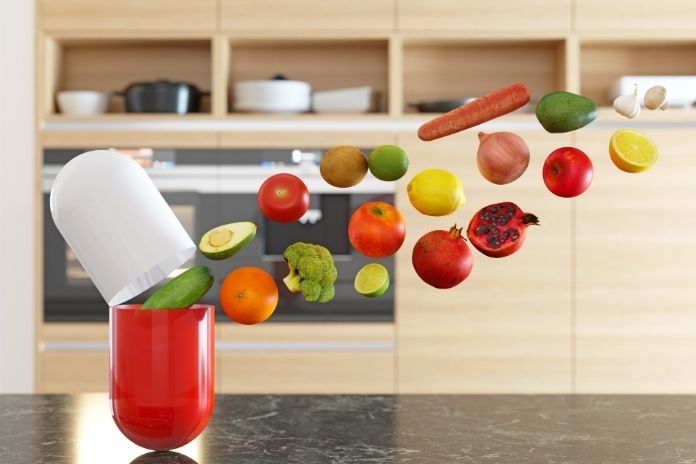
When people think of multivitamins, they picture a bottle of pills. But pumpkin and squash prove you can get the same (and often better) benefits straight from your plate. These fall staples provide a blend of essential vitamins, minerals, antioxidants, and fiber, without the side effects or limitations associated with supplements.
One serving, many essentials. A single cup of pumpkin or squash delivers a mix of vitamins (A, C, some E, and B-vitamins), minerals like potassium and magnesium, plus carotenoids, all in one go.
Whole foods > isolates. Nutrients in vegetables don’t work alone. They come packaged with fiber and hundreds of phytochemicals that interact to boost absorption and effectiveness. That’s why diets rich in produce consistently outperform single-nutrient supplements in disease prevention.
Carotenoids your eyes actually use. Pumpkin and other orange produce supply lutein and zeaxanthin, which concentrate in the macula and protect vision. Clinical trials confirm benefits for people with age-related macular degeneration, while supplements (like beta-carotene pills in smokers) have sometimes shown harm, reinforcing the value of food sources.
Antioxidants + fiber = bigger payoff. Higher antioxidant intake from fruits and vegetables, not pills, has been linked with lower risks of heart disease, cancer, and even all-cause mortality. Pills rarely replicate these effects. Squash and pumpkin give you antioxidants, fiber, and minerals together, making them a smarter choice.
In a recent study published in the American Journal of Clinical Nutrition, researchers emphasized that nutrients in whole foods act together in a ‘food matrix,’ enhancing absorption and effectiveness in ways that isolated supplements cannot.
Bottom line: think of pumpkin and squash as a natural multivitamin with extra perks, nutrients, fiber, and protective compounds working in sync.
Best Ways to Add Pumpkin & Squash to Your Diet
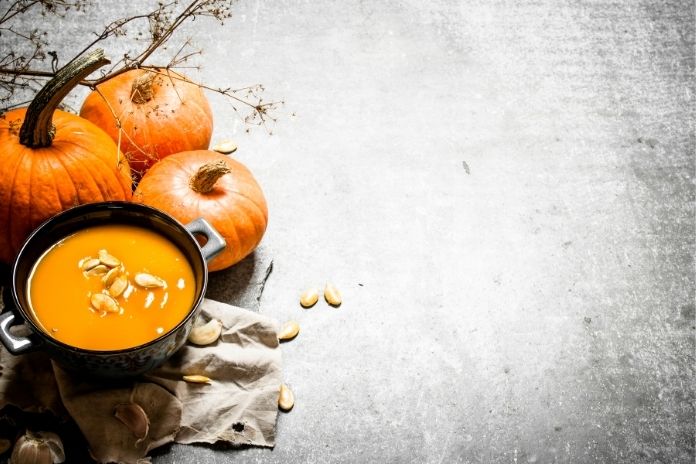
Pumpkin and squash aren’t just fall décor; they’re some of the most versatile foods you can cook with. Because their nutrients pair well with everyday ingredients, it’s easy to sneak them into meals without much effort. Here’s how to make the most of them:
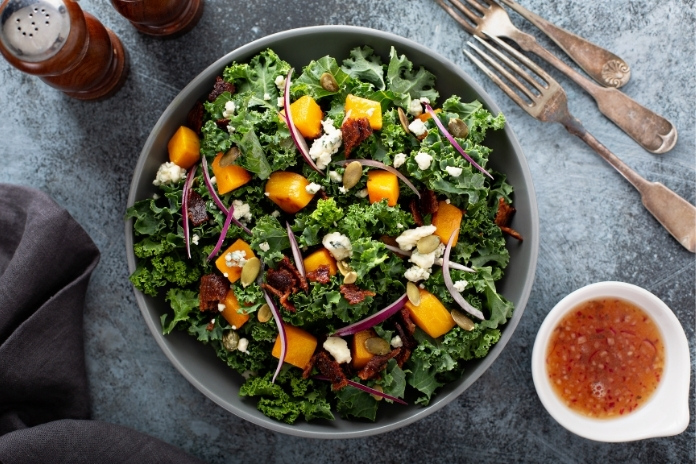
- Roast cubes for bowls and salads. Toss chunks with olive oil, salt, and spices, then roast until golden. Add to grain bowls, salads, tacos, or wraps. Bonus: The healthy fat helps your body absorb carotenoids more effectively.
- Pumpkin purée everywhere. A spoonful of purée transforms soups, oatmeal, yogurt, smoothies, or even hummus, adding creaminess without the need for cream and a natural boost of vitamin A.
- Try squash noodles. Spiralize butternut squash or roast thin slices to use as a pasta substitute. It’s naturally sweet, high in fiber, and a lower-calorie alternative to regular pasta.
- Pair with proteins and greens. Mix roasted cubes into meals with beans, lentils, chicken, or tofu. Add leafy greens to round out vitamin K (low in pumpkin and squash), while keeping the meal rich in potassium and fiber.
- Don’t fear canned pumpkin. Pure canned pumpkin is simply cooked and puréed, making it a quick, nutrient-dense option. Just skip “pumpkin pie mix,” which comes loaded with sugar and spices.
- Pro tip for absorption. Carotenoids like beta-carotene, lutein, and zeaxanthin are fat-soluble. Pair pumpkin or squash with olive oil, tahini, avocado, or nuts to maximize nutrient uptake.
Bottom line: roasted, puréed, spiralized, or canned, there are endless ways to enjoy pumpkin and squash while unlocking their full nutritional power.
Potential Concerns (and How to Handle Them)
Pumpkin and squash are generally safe, nutrient-packed foods, but like anything, there are a few caveats worth knowing. Here’s what to keep in mind:
- Supplement ≠ food. Beta-carotene pills don’t deliver the same benefits as whole foods. In fact, trials show no cancer-prevention effect and even a higher lung cancer risk in smokers.
- Potassium caution. While potassium supports heart and muscle function, too much can be harmful for people with chronic kidney disease, heart failure, diabetes, or those on potassium-sparing medications/ACE inhibitors. If that’s you, check with your healthcare provider before piling on high-potassium vegetables every day.
- Allergies (rare, but possible). Pumpkin and other members of the squash family can occasionally trigger allergic reactions. Cross-reactions with ragweed, zucchini, or melons are documented. If you’ve noticed tingling or itching from those foods, test new varieties in small amounts first.
- Sugar traps. Pumpkin spice lattes, pre-sweetened pies, and dessert mixes aren’t the same as the real thing. They often mask the vegetable’s benefits with added sugar. Stick to whole pumpkin/squash or plain purée and sweeten to taste at home.
Takeaway: For most people, pumpkin and squash are everyday nutrient wins. Just be mindful of medical conditions, watch out for rare allergies, and keep the focus on whole foods over processed treats.
Why Pumpkin and Squash Deserve the Spotlight
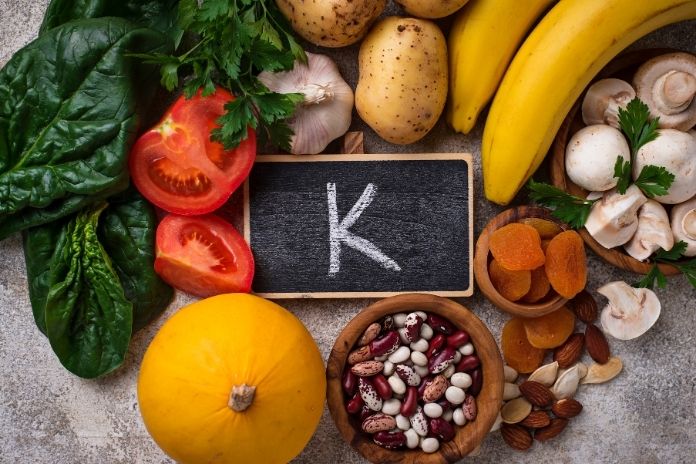
At this point, we’ve seen how nutrient-dense pumpkin and winter squash really are. But the real question is: what does all that nutrition actually do for you? This is where food goes from numbers on a label to real-world impact.
From supporting immune defenses to protecting eyesight, steadying blood pressure, and helping with weight management, these fall staples act on multiple systems at once. Here’s a clear, evidence-backed rundown of the benefits that make them worth adding to your plate regularly.
- Vitamin A: Strengthens skin, respiratory, and gut linings, the body’s first line of defense, while supporting immune cell function. Pumpkin and butternut are standout sources.
- Vitamin C: Helps immune cells respond, aids collagen production (critical for skin and connective tissue), and provides extra support during cold/flu season. Butternut and acorn squash both contribute useful amounts.
- Potassium: High-potassium diets help offset sodium, relax blood vessels, and are consistently tied to healthier blood pressure levels. Winter squash varieties are reliable contributors.
- Lutein and zeaxanthin: These pigments concentrate in the macula, filtering blue light and protecting vision. In age-related macular degeneration (AMD), formulas with lutein/zeaxanthin reduced progression risk, underscoring the benefit of getting these carotenoids from foods like pumpkin and squash.
- Fiber: Boosts satiety, smooths post-meal blood sugar, and supports healthier weight patterns over time. Squash, especially acorn, provides high fiber in everyday portions.
Simple, Healthy Ways to Cook Them This Week
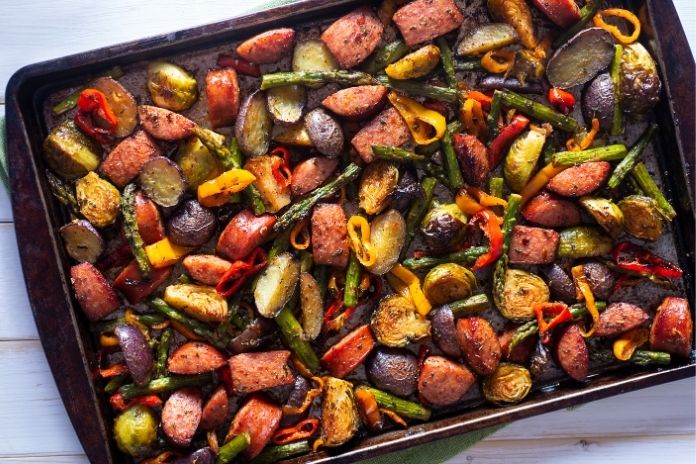
Knowing the nutrition facts is one thing; actually eating more pumpkin and squash is another. The good news? These vegetables are versatile, easy to prep, and work across breakfast, lunch, dinner, and even snacks. With the right pairings, you not only get great flavor but also improve how well your body absorbs their nutrients.
Here are a few simple, weeknight-friendly ways to bring them onto your plate.
- Sheet-pan roast: Toss butternut squash cubes with red onion and chickpeas, add olive oil, cumin, and a pinch of salt. Roast until caramelized, then finish with lemon juice and parsley. (Bonus: carotenoids absorb better with the olive oil, while chickpeas add extra fiber and protein.)
- Pumpkin soup shortcut: Use 100% canned pumpkin as your base. Simmer with low-sodium broth, garlic, and ginger, then blend smooth. A spoon of yogurt or a drizzle of olive oil on top adds creaminess and helps carotenoid absorption.
- Stuffed acorn halves: Roast acorn squash halves until tender, then fill with a mix of quinoa, cranberries, and walnuts. The result: a main dish that’s rich in potassium, fiber, and plant protein.
- Oatmeal upgrade: Stir pumpkin purée into morning oats, add cinnamon, and top with almond butter. It turns a basic bowl into a high-fiber, vitamin A–rich breakfast that keeps you satisfied longer.
Quick note: All these ideas pair pumpkin and squash with healthy fats (like olive oil, yogurt, or nuts), which boost your body’s uptake of carotenoids.
Conclusion
Pumpkin and winter squash aren’t just fall flavors; they’re some of the most complete, nutrient-rich foods you can put on your plate. Packed with vitamins A and C, potassium, fiber, and protective carotenoids, they offer support for immunity, heart health, vision, and metabolism in a way supplements rarely can. One serving brings the kind of variety and synergy that pills simply don’t replicate.
What makes them even more valuable is their versatility. Whether roasted on a sheet pan, blended into soups, stuffed for a main dish, or stirred into breakfast oats, pumpkin and squash fit into everyday meals without fuss. Add a drizzle of healthy fat, and you unlock even more of their nutrient potential. They’re proof that nutrition doesn’t need to be complicated; it can be warm, flavorful, and seasonal.
The takeaway is simple: when you choose whole, in-season foods like pumpkin and squash, you’re not just eating, you’re investing in your health with every bite. Instead of relying on bottles of capsules, look to the bright orange and golden staples of fall. They deliver what your body needs, in the form nature designed.
References
- https://simplysouperlicious.com/differences-between-pumpkin/
- https://www.gardenstead.com/how-to-identify-and-choose-the-right-pumpkin-or-winter-squash/
- https://annaskitchenblog.com/blog/butternut-squash-vs-pumpkin-nutritional-differences
- https://www.theguardian.com/lifeandstyle/2012/nov/09/pumpkin-squash-recipes-fearley-whittingstall
- https://avrdc.org/seed/improved-lines/winter-squash-pumpkin/
- https://www.thepioneerwoman.com/food-cooking/cooking-tips-tutorials/a61474931/pumpkin-vs-squash/
- http://www.theplayatimes.com/2017/11/11/pumpkin-squash-yam/
- http://www.professionalsecrets.com/en/ps/ps-university/chef-de-partie-vegetables/other-vegetables/other-vegetables-guide/pumpkin/
- https://www.northside.com/about/news-center/article-details/embracing-healthy-fall-foods-a-seasonal-harvest-of-nutrition
- https://www.matherhospital.org/weight-loss-matters/health-benefits-of-fall-flavors-2/
- https://www.phdental.com/oral-health-news/2024/september/apple-a-day-keeps-the-dentist-away-the-truth-abo/
- https://www.ndtv.com/health/add-these-seasonal-foods-to-your-diet-this-fall-for-better-health-6767103
- https://www.realsimple.com/healthiest-fall-food-according-to-nutritionists-11795477
- https://www.lsuagcenter.com/NR/rdonlyres/A19C28A1-F353-468E-9A39-B83BB34FC576/81543/Vol10No10FallFoods.pdf
- https://www.healthline.com/nutrition/pumpkin-nutrition-review
- https://www.mayoclinichealthsystem.org/hometown-health/speaking-of-health/pumpkin-loaded-with-scary-good-nutrients
- https://maxprotein.in/blogs/calories/pumpkin-nutrition-facts-and-health-benefits
- https://www.verywellfit.com/pumpkin-nutrition-facts-calories-carbs-and-health-benefits-4165492
- https://www.bbcgoodfood.com/health/nutrition/health-benefits-pumpkin
In this Article