


















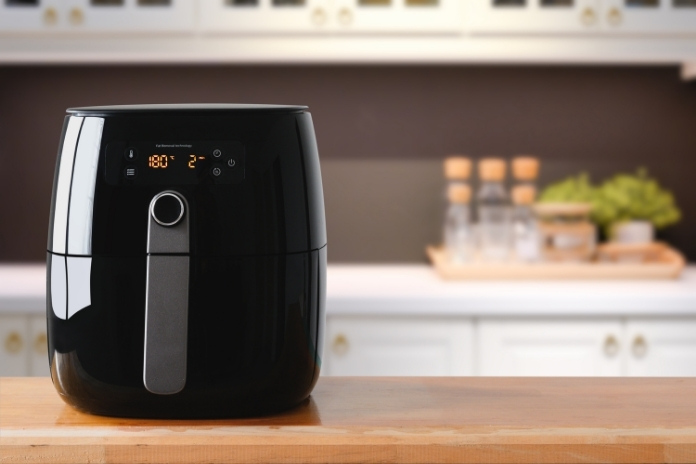
Air fryers have exploded in popularity over the past decade, earning a permanent spot on countless kitchen counters. They’ve been hailed as a healthier alternative to deep-frying and a faster, more convenient option than an oven. With a few taps of a button, you can churn out crispy fries with barely a drizzle of oil, golden chicken wings without the greasy aftermath, or even revive yesterday’s leftovers so they taste fresh again. And truth be told, most of the hype is justified; air fryers really do deliver on many of these promises.
But here’s the catch: they’re not miracle machines. Like any tool, air fryers have their limits. Push those limits too far, whether by tossing in the wrong ingredients, skipping basic safety steps, or ignoring the fine print in the manual, and the results can swing from disappointing to downright disastrous. Think limp vegetables that never caramelize, poultry that looks golden outside but stays dangerously undercooked inside, or worse, a smoking, grease-splattered mess that sets off every alarm in your house.
That’s why this guide exists. It breaks down exactly what doesn’t belong in an air fryer, why these foods or tools fail, and the smarter alternatives that actually work. The goal? To save you from frustration, extend the life of your appliance, and keep your kitchen safe while still letting you enjoy all the convenience air fryers have to offer.
Read More: 5 Essential Kitchen Gadgets Every Health Nut Needs
Quick Take
Air fryers shine when they’re used the way they were designed: dry heat cooking powered by rapid convection. But throw the wrong foods or techniques into the basket, and you’ll quickly run into soggy textures, uneven cooking, or even safety risks.
Here’s what typically goes wrong:
- Wet batters don’t crisp up; they drip through the basket, steam instead of fry, and leave you with a sticky mess.
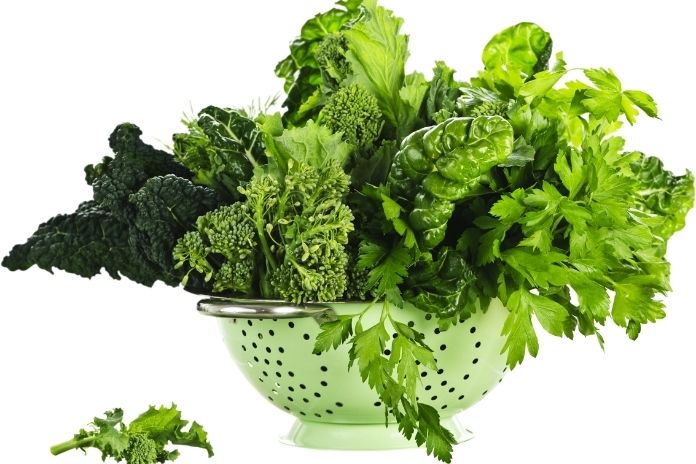
- Leafy greens are too light; they blow straight into the heating element and risk burning before they ever get tender.
- Sugary coatings scorch at high heat, creating bitter flavors and smoke.
- Large cuts of meat or roasts block airflow, so the outside dries out while the inside stays undercooked.
For best results, stick to these principles:
- Opt for dry coatings like breadcrumbs, panko, or seasoned flour instead of liquid batters.
- Use a light mist of oil (from a refillable mister) instead of aerosol spray cans, which can damage the basket’s coating.
- Cook in single, even layers to ensure hot air circulates
- Choose oven-safe, high-heat accessories made for air fryers, such as silicone mats, perforated parchment, or small baking dishes.
A 2024 review found that hot-air frying consistently reduces moisture content and transforms texture, provided that proper time and temperature are used, resulting in sensory quality that rivals deep-frying while using significantly less oil.
And one last thing: always check your air fryer’s manual. Brands like Philips, Ninja, and Instant Pot often include clear dos and don’ts that can save your food and your appliance.
Foods That Don’t Belong in the Air Fryer (And Smarter Ways to Cook Them)
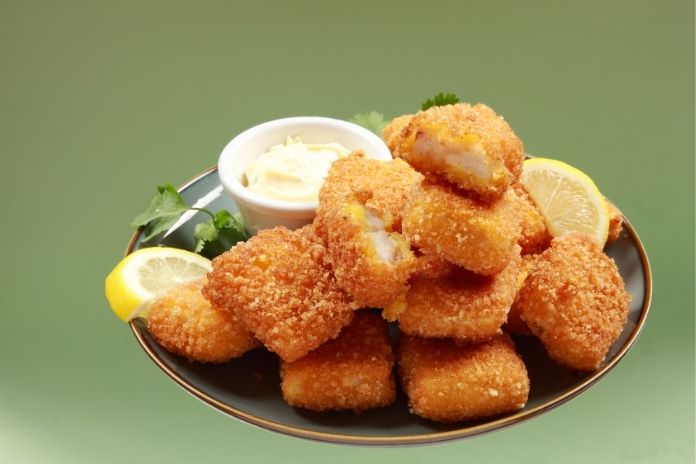
Air fryers are great, but they aren’t built for everything. Some foods fail because of how the fryer works, rapid hot air, a perforated basket, and limited space. Others are simply unsafe. Below is a breakdown of common air fryer mistakes, why they don’t work, and what you can do instead.
1) Wet Batters (Tempura-Style, Beer-Battered Fish)
Why not: Air fryer baskets are perforated to let heat circulate, which also means liquid batters drip straight through. Instead of crisping, they puddle in the tray, steam instead of frying, and stick like glue. Unlike hot oil that flash-fries batter into a golden shell, hot air leaves it gummy and unappetizing.
What to do instead:
- Use the classic breading station: flour, egg, breadcrumbs/panko.
- Mist lightly with oil for a golden crunch.
- For real tempura or beer-battered fish, stick to shallow-frying or deep-frying; the methods are still built for the job.
Expert note: The USDA reminds us that fish must hit 145°F and chicken 165°F. Without a crisp oil shell, air-fried batter risks soggy outsides and undercooked insides.
2) Fresh Cheese (Unbreaded Mozzarella, Halloumi Slices)
Why not: Cheese melts. Without a coating or container, it seeps through the grate, smokes on the heating element, and leaves you scrubbing burnt dairy. Even halloumi softens enough to cause trouble.
What to do instead:
- Bread and freeze cheese sticks before air-frying.
- Use ramekins for baked cheese dips or dishes.
- Add cheese at the end of cooking (like melting a slice over chicken) to avoid leaks.
3) Leafy Greens (Raw Kale, Spinach, Spring Mix)
Why not: Convection turns leafy greens into confetti. They blow around, singe on the element, or block airflow, leaving you with scorched bits and uneven results.
What to do instead:
- For kale chips: oil, weigh with a trivet, and watch closely.
- Use your oven for more control.
- Save the fryer for sturdier vegetables like Brussels sprouts or carrots.
Nutrition note: Vitamin C in leafy greens breaks down under intense heat. Gentle oven roasting may actually preserve more nutrients.
4) Popcorn Kernels
Why not: Popcorn needs a consistent 400–460°F to pop. Air fryers max at 400°F but can’t hold it long enough. Kernels often fly up, scorch, and set off smoke alarms.
Consumer journalist Grace Forell, speaking on the BBC, issued a stern warning: “No, don’t try this one at home. Popcorn won’t cook well in an air fryer, as most models won’t reach the required temperature to pop the kernels. Popcorn kernels can also become lodged within the air fryer’s heating element, which may cause the appliance to short, creating a fire hazard.”
What to do instead:
- Stick to stovetop, microwave, or air poppers.
- Season after popping with a light oil toss.
Manufacturer warning: Brands like Ninja and Instant Pot specifically forbid popcorn due to fire risk.
5) Large Roasts or Whole Chickens
Why not: Airflow is everything. A stuffed fryer basket means the outside overcooks while the inside stays raw, especially dangerous with poultry, which must hit 165°F safely.
What to do instead:
- Spatchcock the chicken so it lies flat.
- Cook smaller cuts like thighs or drumsticks.
- Use your oven or rotisserie for big roasts.
- Always confirm doneness with a thermometer.
6) Delicate Fish Fillets (Tilapia, Flounder)
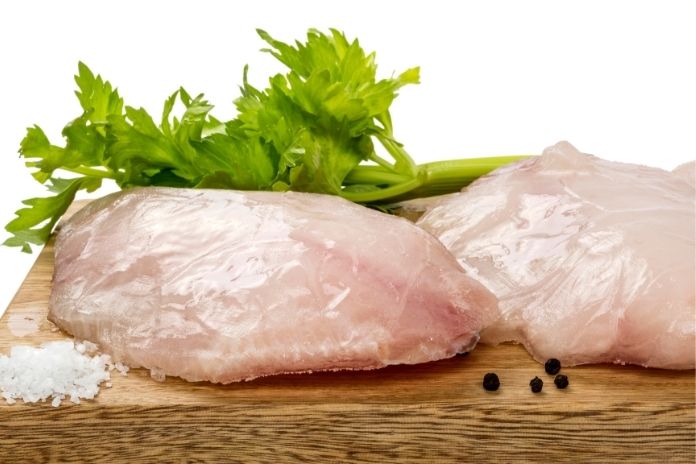
Why not: Thin fillets break, stick, and dry out quickly in high-heat airflow.
What to do instead:
- Choose sturdier fish (salmon, cod).
- Line baskets with perforated parchment.
- Try parchment packets with herbs and lemon to steam gently.
7) Plain Cooked Pasta or Rice
Why not: Dry carbs don’t “re-crisp.” They just harden or fall through the grate.
What to do instead:
- Turn leftovers into pasta chips or crispy rice cakes.
- Mix rice with egg and scallions, shape into patties, then air fry.
This way, you’re adding structure and seasoning, not just blasting plain starch.
8) Water-Heavy Vegetables (Tomatoes, Cucumbers, Zucchini Rounds)
Why not: High moisture = steam, not crisp. You’ll get soggy mush before browning.
Food journalist Luis Méndez explains: “Foods with high water content… heat evaporates too much water from foods like fresh vegetables or fruits, leaving them mushy and unappetizing rather than crisp.”
What to do instead:
- Salt and blot the zucchini before cooking.
- Cut into spears or wedges for sturdiness.
- Slow-roast watery veg in the oven for better texture and flavor.
Nutrition tip: Lycopene in tomatoes becomes more available when heated, but uneven air frying often burns them before you get the benefit.
9) Sugar-Coated or Glazed Items (BBQ Wings, Candied Nuts)
Why not: Sugar burns fast above 350°F. In an air fryer, sticky sauces smoke, scorch, and leave residue that’s tough to clean.
What to do instead:
- Cook wings or nuts plain. Toss in the sauce after.
- For set glazes, finish at low heat for 1–2 minutes.
Cleaning tip: Skip metal scrubbers, use warm soaks and non-abrasive sponges to protect the nonstick.
10) Bacon Strips (in Small Models)
Why not: In compact fryers, bacon fat splatters onto the element, causing smoke or flare-ups.
What to do instead:
- Bake bacon on a sheet pan for even results.
- If air frying, use a drip tray, cook at 325°F, and drain fat between batches.
Safety note: Bacon grease smokes around 370°F. Pushing hotter in a small fryer is a recipe for alarms.
Bottom line: air fryers are powerful, but they’re not one-size-fits-all. Save yourself the frustration (and cleanup) by knowing what belongs, and what doesn’t.
Tools & Materials You Shouldn’t Put in the Air Fryer
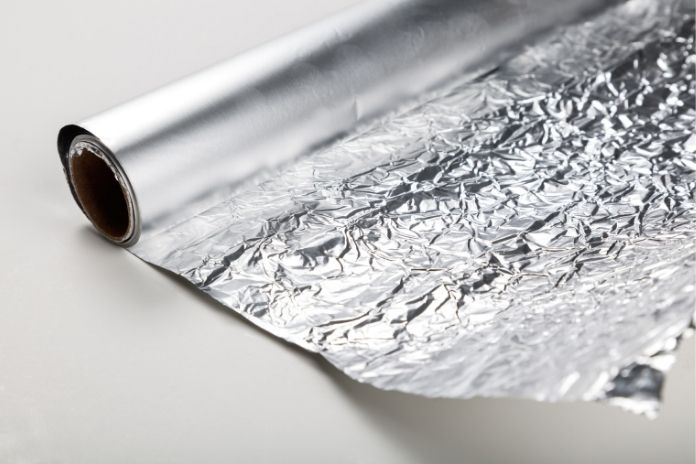
It’s not just certain foods that can cause trouble in an air fryer; some tools and materials don’t belong there either. Because air fryers rely on high heat and powerful airflow, the wrong liner, spray, or dish can ruin your meal, damage your appliance, or even create a safety hazard. Here’s what to avoid, why it matters, and what to use instead.
Aluminum Foil (Sometimes) & Solid Liners
Risk: Aluminum foil blocks airflow if it covers too much of the basket, defeating the very design of the fryer. If it’s not weighed down, loose foil can fly into the heating element and spark. Solid parchment liners without perforations create the same issue, restricting circulation and overheating.
Better:
- Use perforated parchment liners made for air fryers, or cut your own with small holes.
- Place food on top to hold liners in place.
- Always double-check your manual. Some manufacturers (like Philips) explicitly ban foil altogether.
Takeaway: Only use foil or liners that let air flow freely and stay anchored.
Glass & Non-Oven-Safe Cookware
Risk: Air fryers heat fast, often faster than an oven. Thin glass or glass not labeled “oven-safe” can undergo thermal shock and shatter. Plastics, melamine, or anything not meant for high heat can warp, melt, or release toxins into your food.
Better:
- Stick to oven-safe cookware: metal pans, silicone molds, or ceramic ramekins designed for high heat.
- Look for labels like “oven-safe to 450°F.”
- If you’re unsure whether a dish can handle rapid heating, don’t risk it.
Takeaway: When in doubt, only use tools you’d safely put in an oven.
Aerosol Cooking Sprays on the Basket
Risk: Nonstick sprays like PAM contain propellants and additives that bond to the basket’s coating. Over time, they create a sticky layer that’s almost impossible to scrub off and can shorten the life of your fryer.
Better:
- Use a refillable oil mister filled with your choice of cooking oil.
- Brush or dab with high smoke-point oils, such as avocado, refined olive, or canola.
- A light coating is all you need for crispness; avoid drenching.
Note from manufacturers: Brands like Philips and Instant Pot specifically warn against aerosol sprays in their manuals.
Takeaway: Skip canned sprays, go for real oil in a mister or brush.
Bottom line: the right materials make all the difference. An air fryer is safe and effective only when airflow is unobstructed, cookware is heat-safe, and the basket’s coating is protected.
Read More: The Best (and Worst) Cooking Oils for Hormonal Balance and Fertility
Technique Mistakes That Ruin Results (Even With the Right Foods)
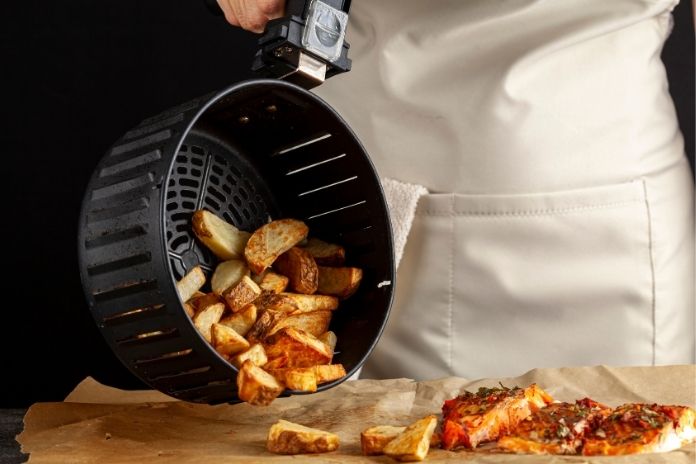
Even when you’ve chosen foods that belong in the air fryer and avoided unsafe tools, technique makes or breaks the outcome. The air fryer isn’t a set-it-and-forget-it miracle box; it needs the right handling to deliver those crispy, golden results. Here are the most common mistakes home cooks make, why they backfire, and the simple fixes that keep food tasting its best.
Overcrowding the Basket
Why it fails: Air fryers work by circulating hot air. When you pile food on top of itself, that circulation can’t reach every surface. Instead of crisping, ingredients steam in their own moisture and turn soggy.
Fix:
- Cook in single layers whenever possible.
- Shake or flip halfway for even cooking.
- If you’re feeding a group, batch cooking is still faster than restarting a basket full of soggy fries.
Takeaway: Give food space; the more exposed surface area, the better the crisp.
No Oil at All (for Breaded or Frozen Foods)
Why it fails: Breaded foods, whether frozen nuggets or homemade cutlets, need a touch of oil to trigger the Maillard reaction, that browning process that creates flavor and crunch. Skip the oil, and you get pale, dry breading instead of a golden crust.
Fix:
- Lightly mist breaded foods with oil before cooking.
- You’ll still use far less oil than deep frying, but you’ll get the satisfying crunch you’re expecting.
Takeaway: Oil is a tool, not the enemy; just a small amount goes a long way.
Wrong Oil / Low Smoke Point
Why it fails: Not all oils can handle high heat. Extra-virgin olive oil and butter have low smoke points (around 325°F). At air fryer temps (up to 400°F), they burn, creating bitter flavors and unwanted smoke.
Fix: Use high smoke point oils instead:
- Avocado oil (~520°F)
- Refined olive oil (~465°F)
- Canola oil (~400°F)
Reserve delicate oils, such as extra-virgin olive oil, for drizzling after cooking, where their flavor truly shines.
Takeaway: Match your oil to the heat, save EVOO for salads and finishers, not the basket.
Bottom line: even the right foods need the right handling. Space, oil, and temperature awareness are the small details that separate crispy success from limp disappointment.
Quick Reference: What Works Great in an Air Fryer
Not everything fails in an air fryer; in fact, plenty of foods thrive when blasted with rapid convection heat. The trick is knowing what plays well with the fryer’s strengths: dry heat, strong airflow, and high temperatures. Here’s a cheat sheet of foods that consistently deliver golden, crispy results.
- Par-dried vegetables: Broccoli, Brussels sprouts, and carrots roast beautifully when lightly dried and oiled. They develop caramelized edges without going soggy.
- Breaded proteins: Chicken cutlets, shrimp, or tofu nuggets coated in panko or seasoned breadcrumbs crisp up evenly with just a light oil mist.
- Meaty fish: Salmon, cod, or swordfish hold their structure and don’t shred under airflow, making them ideal for quick weeknight dinners.
- Frozen convenience foods: Items engineered for convection, such as fries, nuggets, and mozzarella sticks, are almost perfectly suited for air fryers. They go from freezer to crispy in minutes.
- Reheating fried foods and pizza: Leftover slices regain their crunch, and day-old fried chicken tastes almost freshly cooked. Far better than a microwave reheat.
Takeaway: The air fryer loves foods that are sturdy, already breaded, or benefit from a quick blast of hot, circulating air. Think “crispy edges, dry surfaces, moderate oil.”
Safety & Cleaning Essentials
To keep your fryer safe, efficient, and long-lasting, a little routine care goes a long way. Follow these essential tips to prevent hazards, maintain performance, and make cleanup easier.
- Keep the heating element free from debris.
- Empty the crumb or grease tray after each use.
- Avoid placing overly saucy or dripping foods directly on the grate.
- Always check doneness with a thermometer (USDA: chicken 165°F, fish 145°F, pork 145°F, beef 145°F with 3-min rest).
- Allow the fryer to cool completely before cleaning.
- Never use steel wool or metal scrapers on nonstick baskets.
Read More: Must-Have Kitchen Gadgets for Nutritious Meals
Frequently Asked Questions (FAQS)
Can you put foil in an air fryer?
Yes, but only with care. The foil should be perforated so air can circulate, and it must always be secured under food so it doesn’t blow around. Never line the entire basket or block airflow, since crisping depends on circulation. And absolutely keep foil away from the heating element; direct contact is a fire risk. Always double-check your manual, because some models advise against it altogether.
Why is my food soggy?
The most common cause is overcrowding. Air fryers need space for hot air to move around each piece, so arrange food in a single layer whenever possible. Another culprit is excess moisture; pat vegetables and proteins dry before seasoning or oiling. Using too much oil or sauces that drip can also weigh down the food. For best results, cook in small batches and shake the basket midway.
Do I need to preheat?
Most air fryers do better with a short preheat, usually 3–5 minutes. This provides a hot, stable environment right away, helping food crisp evenly and reducing cooking time. Some newer models advertise “no preheat required,” but even then, you’ll often see better browning with a quick warm-up. The only time to skip preheating is with very delicate foods or baked goods that might overcook on the outside.
What oil is best?
Go with oils that can handle high heat. Avocado oil, refined olive oil, canola, and grapeseed oil are great options, since they won’t smoke or burn at typical air fryer temperatures. Use them sparingly; usually, just a light mist or brushing is enough to promote browning. Avoid unrefined oils like extra virgin olive oil or butter for cooking, as they can burn. Save those for drizzling afterward to add flavor.
How do I prevent food from sticking?
Sticking often happens with delicate proteins or thin items. Lightly mist the basket with oil or use perforated parchment liners to create a barrier. Don’t overcrowd the basket, as crowded food steams and sticks more easily. Flipping halfway through helps release pieces that cling, and choosing foods that hold together, like breaded proteins or sturdy vegetables, reduces the risk.
Can I cook frozen foods directly from the freezer?
Yes, most frozen foods work well in an air fryer, and you don’t need to thaw them first. Items like fries, nuggets, and breaded fish cook evenly if spaced in a single layer. Lightly mist with oil if the coating is dry, and shake or flip midway for even crisping. Avoid large frozen blocks or wet items, as they can release moisture and prevent browning.
How should I clean my air fryer?
Always unplug and let the fryer cool completely before cleaning. Remove the basket and tray for washing with warm, soapy water. Avoid steel wool or metal scrubbers on nonstick surfaces; they can ruin the coating. For stuck-on food, soak trays briefly and use a soft sponge. Wipe the heating element carefully if needed, and dry everything fully before reassembling.
Is it safe to leave the air fryer unattended?
Air fryers heat rapidly, so it’s best not to leave them completely unattended while cooking. Small batches with light food are lower risk, but heavier or sugary items can smoke if left too long. Always place the fryer on a stable, heat-resistant surface and check it periodically. Using a timer and following recommended temperatures minimizes accidents.
Bottom Line
Air fryers are game-changers for the kitchen; they can turn simple vegetables into crisp, caramelized delights, cook small proteins evenly, and bring day-old leftovers back to life. But here’s the reality: they’re not miracle machines. Foods like wet batter, delicate fish, and sugar-glazed items aren’t suited for rapid convection heat and are better cooked using other methods.
The key is understanding their limits. Use the right tools, avoid risky shortcuts, and follow safe cooking practices. Do this, and you won’t just prevent messes and smoke-filled kitchens, you’ll protect your appliance and make it last longer.
Think of the air fryer as a star player in your kitchen lineup, not a solo act. Hand it the right tasks, respect its strengths, and it will deliver consistent, golden results every time, fast, easy, and reliably delicious.
References
- https://www.loveandlemons.com/grilled-halloumi-cheese/
- https://www.themediterraneandish.com/fried-halloumi-recipe/
- https://www.bonappetit.com/story/halloumi-fries
- https://www.thespruceeats.com/fried-halloumi-cheese-meze-1705293
- https://www.pipercooks.com/grilled-halloumi-sandwich/
- https://timesofindia.indiatimes.com/life-style/food-news/stop-never-cook-these-9-foods-in-your-air-fryer/articleshow/122429936.cms
- https://www.bbcgoodfood.com/howto/guide/what-not-to-cook-in-an-air-fryer
- https://www.cooksmarts.com/articles/best-things-to-make-in-an-air-fryer/
- https://www.quora.com/What-are-some-things-that-cannot-be-cooked-in-an-air-fryer-besides-cakes-breads-and-cookies
- https://www.facebook.com/groups/ninja.flip.air.fryer.oven/posts/1491229555620725/
- https://www.quora.com/Is-there-anything-that-cannot-be-cooked-in-an-air-fryer
- https://www.homesandgardens.com/kitchens/what-to-cook-in-an-air-fryer
In this Article