














When the temperature drops and daylight dwindles, it’s not uncommon to find yourself reaching more often for bread, pasta, cookies, or any warm, starchy comfort foods. Those cravings aren’t just about taste, nostalgia, or holiday traditions; there’s a biological pull behind them. Your body is responding to shorter days, cooler weather, and subtle shifts in hormones that influence appetite, energy levels, and mood.
Winter triggers a natural drive for energy-dense foods. Carbohydrates provide quick fuel and help your brain produce serotonin, the “feel-good” neurotransmitter, which can brighten your mood when sunlight is scarce. At the same time, lower temperatures increase your body’s energy demands, and your metabolism may subtly adjust to help maintain warmth.
Understanding why these cravings spike in winter allows you to approach them with awareness rather than guilt. Instead of fighting your body’s signals with extreme restriction or shame, you can satisfy hunger in ways that support energy, mood, and overall health, choosing smarter carbs, balancing portions, and pairing them with protein and fiber for sustained satisfaction.
Read More: What Are Carbs? Important Benefits, Types, and Deficiencies
The Science Behind Winter Carb Cravings
Craving bread, pasta, or cookies when the weather turns cold isn’t about weak willpower. It’s a biological response driven by brain chemistry, hormonal shifts, and even evolutionary survival strategies. Here’s how the science stacks up:
Serotonin and the Mood Connection
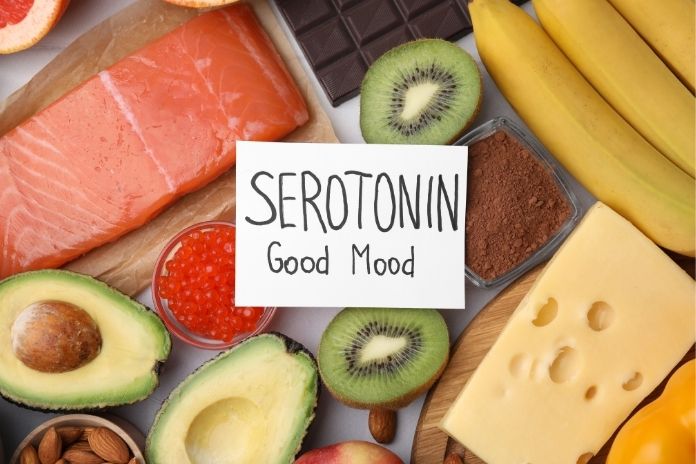
Carbohydrates directly influence brain chemistry. When you eat carbs, your body releases insulin, which clears most amino acids from the bloodstream and into muscles. One amino acid, tryptophan, remains. Tryptophan is the building block of serotonin, a neurotransmitter often called the “feel-good chemical.”
Dr. Judith Wurtman, a former MIT research scientist, has shown that carbohydrate-rich foods can temporarily boost serotonin levels in the brain. That lift improves mood, eases stress, and can take the edge off winter gloom. In other words, your late-night pasta craving isn’t just about comfort food nostalgia; it’s your brain reaching for a chemical reset.
Circadian Rhythm and Daylight Shortage
Winter doesn’t just bring cold; it brings shorter days and less sunlight. Reduced light exposure disrupts the circadian rhythm, the body’s internal clock that governs sleep, appetite, and hormones.
Here’s what happens:
- Shorter daylight increases melatonin, which makes you drowsy.
- Fatigue pushes your body to seek quick energy, and refined carbs fit the bill.
- According to Harvard Health, low light alters both serotonin and melatonin pathways, making sluggishness and carb cravings more likely.
That’s why a gloomy January afternoon often leaves you reaching for a muffin instead of a salad.
An Evolutionary Survival Instinct
There’s also a survival lens. For most of human history, winter meant scarcity, no fresh produce, fewer food sources, and long stretches of cold. Starchy, calorie-dense foods provided fast energy, promoted fat storage, and supported heat production.
While modern supermarkets keep strawberries and spinach in stock year-round, our biology hasn’t completely caught up. The appetite for warm, dense carbs in winter may simply be an evolutionary echo, hardwired to keep us fueled when resources once ran low.
Seasonal Affective Disorder (SAD) Link
For some, carb cravings go beyond occasional indulgence. Seasonal Affective Disorder (SAD), a form of depression triggered by reduced daylight, can amplify the pull toward carbohydrates.
Dr. Norman E. Rosenthal, MD (Clinical Professor of Psychiatry at Georgetown University School of Medicine; the psychiatrist who first described SAD): “Seasonal Affective Disorder frequently leads to overeating and carbohydrate cravings, along with hypersomnia and low energy. These symptoms reflect biological changes in mood, sleep, and appetite that occur with reduced daylight.”
The National Institute of Mental Health (NIMH) lists common SAD symptoms:
- Low energy
- Oversleeping
- Increased appetite, especially for carbs
- Weight gain
In these cases, the craving isn’t just a passing urge. It’s part of a clinical condition where the body leans on carbohydrates as a form of mood regulation.
Takeaway: Winter carb cravings are rooted in real biology, from neurotransmitters and circadian rhythms to evolutionary survival instincts. The good news? Once you understand the why, you can respond with awareness, making food choices that satisfy both body and mind without spiraling into guilt or excess.
Risks of Giving In to Refined Carb Cravings
Carbohydrate cravings themselves aren’t the enemy. Your body is asking for fuel, and carbs are a natural energy source. The real issue is how most of us respond, by turning to refined, ultra-processed options like pastries, cookies, candy, or white bread. These foods bring quick comfort but create longer-term setbacks.
Blood Sugar Rollercoaster
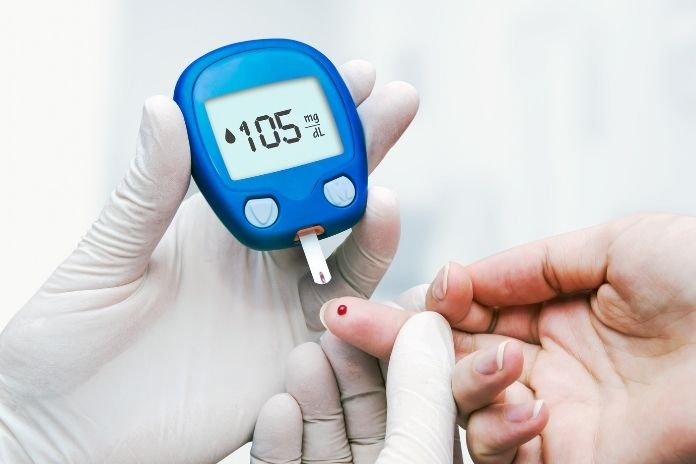
Refined carbs are digested rapidly, sending blood glucose levels soaring. In response, your body releases a surge of insulin to bring sugar back down. The crash that follows often leaves you hungrier, moodier, and more fatigued than before. This cycle encourages overeating and reinforces cravings instead of satisfying them.
The Winter Fatigue Loop
Pair those sugar crashes with the natural sluggishness of shorter days, and you get a vicious cycle. You eat something starchy to perk up, feel momentary relief, then slump harder once glucose drops. This compounds the drowsiness already caused by low sunlight and disrupted circadian rhythms, leaving you stuck in a constant energy chase.
Increased Risk of Weight Gain
Colder months already nudge people toward reduced activity, fewer walks, fewer outdoor workouts, and more time spent indoors. Research published in the journal Appetite highlights that this seasonal dip in activity, when paired with higher intake of calorie-dense comfort foods, significantly increases the risk of winter weight gain. While a few pounds may not seem like much, they often carry over into spring and beyond if left unchecked.
Mood Backfire
Ironically, the very foods you reach for to boost mood can undermine it. After the blood sugar crash, irritability, foggy thinking, and renewed cravings often set in. Over time, this can worsen the low mood and fatigue that triggered the craving in the first place.
In short, leaning on refined carbs may feel soothing in the moment, but it often intensifies the very problems you’re trying to solve: fatigue, low mood, and sluggishness. The key isn’t to fight cravings outright, but to answer them in smarter, more supportive ways.
Smarter Ways to Satisfy Winter Hunger
The goal isn’t to cut out carbs. Your body genuinely needs them for energy, brain function, and even mood regulation. The smarter approach is to choose carbs that fuel you steadily, balance them with other nutrients, and find non-food ways to handle the seasonal dip in energy and mood.
Choose Complex Carbs
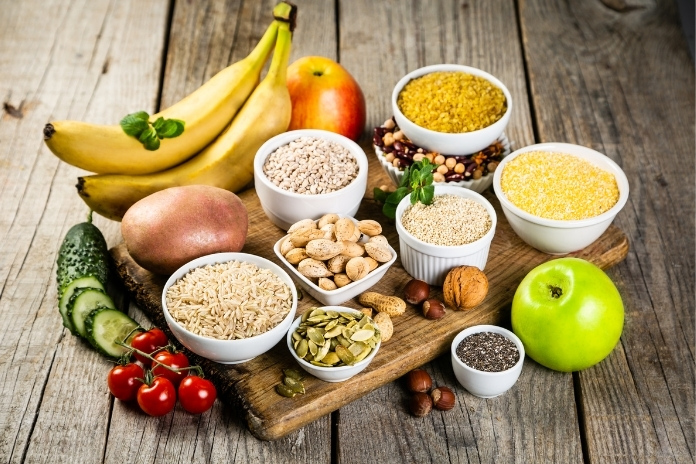
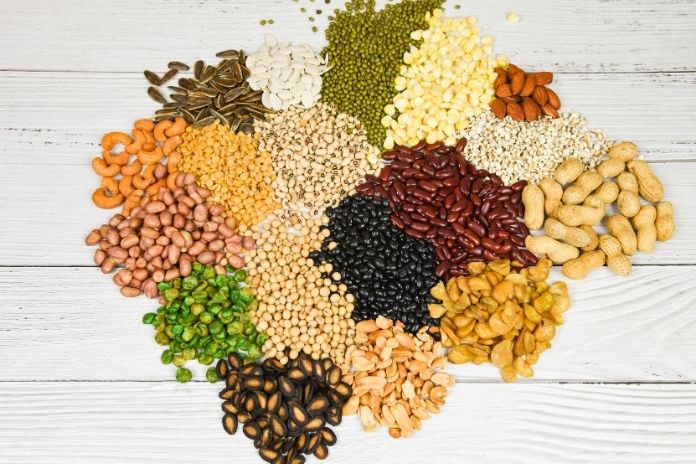
Not all carbs behave the same way in your body. Whole grains, beans, lentils, and starchy vegetables digest slowly, releasing glucose into your bloodstream at a steady pace. This prevents the sharp spikes and crashes of refined carbs while still giving your brain the serotonin “boost” it craves.
Good options include:
- Oats or overnight oats topped with fruit and nuts.
- Quinoa or farro bowls with roasted vegetables.
- Lentil or bean soups for warmth and satiety.
- Baked sweet potatoes with a drizzle of olive oil.
In a study published in Diabetes Care, researchers found that low–glycemic index (GI) carbohydrates significantly reduced hunger and increased satiety compared to high-GI options, underlining why whole grains and legumes make better fuel on dreary winter days.
Pair Carbs with Protein and Healthy Fats
When carbs are eaten alone, they digest quickly. Adding protein or healthy fats slows the process, keeping you fuller for longer and preventing the sugar crash that sparks repeated snacking.
Smart pairings:
- Apple slices with almond butter.
- Whole-grain toast with avocado and a soft-boiled egg.
- Greek yogurt with berries and a sprinkle of granola.
- Hummus with whole-grain pita or veggie sticks.
This combo not only balances energy but also supports mood stability by smoothing out the highs and lows of blood sugar swings.
Go for Fiber-Rich Comfort Foods
Fiber is a double win: it adds bulk and satiety to meals while supporting gut health. Since the gut and brain communicate through the gut-brain axis, fiber-rich foods can indirectly support mood regulation.
Winter-friendly, fiber-rich picks:
- Lentil or bean-based stews.
- Roasted carrots, parsnips, or butternut squash.
- Chili made with beans and vegetables.
- Baked apples with cinnamon for a light dessert.
These foods satisfy the craving for something warm and hearty but provide longer-lasting energy than cookies or white bread.
Warm, Satisfying Alternatives
Sometimes what you’re really craving isn’t carbs at all, it’s warmth and comfort. Swapping sugar-heavy drinks or snacks for lighter warm options can satisfy the same emotional need without the energy crash.
Try instead:
- Herbal teas with warming spices like cinnamon, ginger, or cardamom.
- Lightened hot cocoa made with unsweetened cocoa, milk of choice, and a touch of honey.
- Golden milk (turmeric latte with non-dairy milk) for anti-inflammatory benefits.
- Brothy vegetable soups or miso soup for nourishment and warmth.
These choices keep the ritual of cozy winter foods intact while reducing excess sugar and calories.
Manage Mood Naturally
If your carb cravings are more about mood dips than actual hunger, lifestyle strategies can help ease the biological triggers.
Evidence-based tools:
- Light therapy boxes (10,000 lux lamps) : Clinically proven to reduce symptoms of Seasonal Affective Disorder (SAD).
- Outdoor walks in natural daylight: Even on cloudy days, exposure boosts serotonin and helps reset circadian rhythms.
- Sleep hygiene: A consistent sleep time, limiting screens at night, and getting 7–9 hours of rest reduces fatigue-driven cravings.
Dr. Norman Rosenthal, the psychiatrist who first identified SAD, emphasizes that “light exposure is the single most effective treatment,” but combining it with mindful nutrition creates even stronger results.
Bottom line: Winter carb cravings don’t have to derail your energy or mood. With the right carbs, balanced pairings, cozy alternatives, and a few lifestyle tweaks, you can satisfy cravings in ways that actually support your body, not sabotage it.
Smart Swaps for Winter Comfort Foods
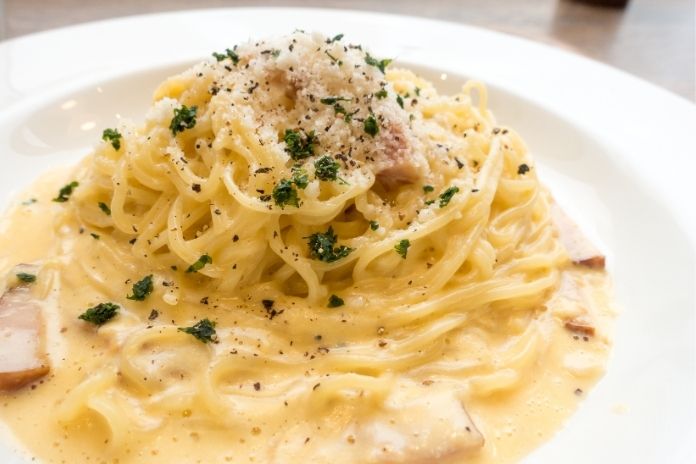
Winter has a way of making comfort foods irresistible: creamy pastas, buttery pastries, sugary hot drinks. The goal isn’t to give them up entirely, but to rethink them in ways that satisfy both taste and health. With a few swaps, you can enjoy the same cozy rituals without the blood sugar rollercoaster.
Swap creamy pasta for whole-grain or legume pasta. Traditional pasta is mostly refined flour. Whole-grain or lentil-based pastas bring in more fiber and protein, which means you feel full longer and avoid the mid-evening slump. Pair it with a tomato-based sauce and roasted veggies instead of cream-heavy alternatives for a lighter but still hearty meal.
Swap mashed potatoes for mashed sweet potatoes or cauliflower. Classic mashed potatoes spike blood sugar quickly. Sweet potatoes deliver beta-carotene, fiber, and a natural sweetness that pairs well with cinnamon or nutmeg. For an even lighter option, mashed cauliflower offers the same creaminess with fewer carbs and more micronutrients.
Swap bakery treats for homemade fiber-rich snacks. Instead of store-bought cookies or cakes, try energy bites made with oats, nut butter, and a touch of dark chocolate. They scratch the “sweet and chewy” itch without flooding your system with refined sugar.
Swap sugary hot cocoa for spiced alternatives. A typical café hot chocolate can pack in more sugar than a soda. Making your own with unsweetened cocoa, warm milk (dairy or plant-based), and a drizzle of honey or maple syrup keeps the indulgence but trims the excess. You can also experiment with chai, turmeric lattes, or cinnamon-spiced herbal teas to get that warming ritual minus the sugar hit.
Swap fried comfort snacks for roasted versions. French fries, pakoras, and samosas are winter staples in many homes, but deep frying adds a heavy load of unhealthy fats. Oven-roasting or air-frying gives the same crunch and satisfaction with far less oil. Toss vegetables like carrots, zucchini, or chickpeas with olive oil and spices before roasting for a nutrient-dense snack.
Swap sweetened breakfast cereals for warm oats. Cold mornings make sugary cereals tempting, but they digest too fast, leaving you hungry within the hour. A bowl of oats topped with apple slices, walnuts, and a sprinkle of cinnamon offers slow-release energy and comfort in every bite.
These swaps don’t strip away the joy of eating in winter. Instead, they upgrade familiar comfort foods so you feel both satisfied and energized.
Read More: Low-Carb Zucchini Noodles with Pesto: A Healthy Pasta Alternative
When Carb Cravings May Signal Something More
Grabbing extra bread or pasta in winter isn’t unusual; your body naturally seeks comfort and quick energy when it’s cold. But if carb cravings become constant, overwhelming, or start disrupting your health, it could point to something deeper.
Possible underlying issues:
- Seasonal Affective Disorder (SAD): If cravings come with low mood, fatigue, or sleeping too much, it may be linked to winter depression. Professional support can make a big difference.
- Low Vitamin D: Less sunlight means lower vitamin D levels, which can affect both mood and appetite regulation.
- Thyroid Imbalance: Hypothyroidism, especially common in women during colder months, often shows up as fatigue, weight gain, and an increased pull toward carbs.
- Blood Sugar Dysregulation: If you’re always hungry and craving sweets or refined carbs, it may signal prediabetes or insulin resistance.
When to check in with a doctor or nutritionist:
- Cravings feel out of control or constant.
- You’re gaining weight despite no major lifestyle changes.
- Fatigue, low mood, or brain fog linger for weeks.
A medical evaluation can rule out or confirm vitamin D deficiency, thyroid issues, or blood sugar imbalances, and help you find a plan that restores balance.
Conclusion: Balance Is Key
Winter carb cravings are not a weakness; they’re a natural response to shorter days, colder temperatures, and biological shifts in serotonin and circadian rhythm. The challenge isn’t the cravings themselves but how you respond to them.
Choosing smarter carbs like whole grains, lentils, and root vegetables gives your body the serotonin “lift” it’s looking for without the sugar crash. Pairing them with protein and healthy fats keeps energy steady, while fiber-rich comfort foods satisfy both hunger and gut health.
Smart swaps, like roasted over fried, oats over sugary cereal, or homemade cocoa over café sugar bombs, let you keep the cozy winter rituals you love while fueling your body more wisely. And when cravings hit hard, lifestyle strategies like light exposure, better sleep, stress management, and movement tackle the root causes, reducing the pull of refined carbs.
Of course, it’s also worth listening closely: if cravings feel uncontrollable, if weight and fatigue become constant battles, or if mood dips linger, that could signal something deeper like vitamin D deficiency, thyroid imbalance, or even Seasonal Affective Disorder. Seeking professional help at that point is not just smart, it’s necessary.
The takeaway is simple: don’t demonize carbs, but don’t hand them the steering wheel either. Work with your biology, not against it. When you fuel your body with the right foods and support it with healthy habits, you’ll find that winter cravings become less of a struggle and more of an opportunity, a chance to nourish yourself in ways that leave you energized, balanced, and resilient until spring returns.
References
- https://pmc.ncbi.nlm.nih.gov/articles/PMC6469828/
- https://pmc.ncbi.nlm.nih.gov/articles/PMC4632990/
- https://www.sleepfoundation.org/circadian-rhythm/daylight-saving-time
- https://utswmed.org/medblog/daylight-saving-time-sleep-health/
- https://sleepeducation.org/resources/daylight-saving-time/
- https://www.medrxiv.org/content/10.1101/2025.03.17.25324086v1.full
- https://publichealth.jhu.edu/2023/7-things-to-know-about-daylight-saving-time
- https://www.ucsf.edu/news/2024/03/427246/how-daylight-saving-impacts-your-sleep-and-what-do-about-it
- https://www.neurologylive.com/view/impact-daylight-saving-time-sleep-disorders-challenges-patients-insomnia-circadian-rhythm-disruptions
- https://sleepeducation.org/resources/daylight-saving-time/
- https://www.weforum.org/stories/2014/11/daylight-affect-our-mood/
- https://pmc.ncbi.nlm.nih.gov/articles/PMC5837018/
- http://www.webmd.com/diabetes/how-to-beat-carb-cravings
- https://www.helpguide.org/wellness/nutrition/choosing-healthy-carbs
In this Article