















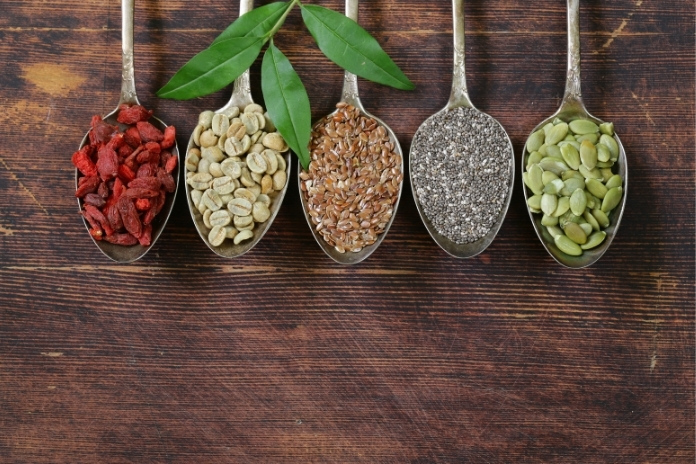
Supplements and superfoods are everywhere, lined up on store shelves, splashed across ads, and hyped on social media as shortcuts to vitality. The promise is tempting: stronger immunity, sharper focus, faster recovery, glowing skin. But here’s the reality: more isn’t always better. In fact, going overboard with powders, capsules, and “miracle” extracts can do more harm than good, sometimes causing health issues that are worse than the ones you were trying to fix.
So why does supplement overuse happen? A mix of clever marketing, the pressure to “optimize” every part of life, and the belief that natural automatically means safe. The truth is, even natural compounds can turn risky in excess, especially when they interact with medications or overload your body.
“Unfortunately, because of the way social media is, it’s very easy to… promote these products as if they will treat an illness or a disease. That is particularly an insidious problem.” - Dr. Pieter Cohen, MD, internist and leading expert on dietary supplements regulation.
Dr. Cohen highlights how persuasive marketing tactics on social media can blur the line between harmless wellness trends and misleading health claims, making it a fertile ground for overconsumption of supplements and superfoods.
In this article, we’ll break down the common reasons people overuse supplements, highlight which ones are most likely to cause trouble, explain the warning signs your body gives when you’ve crossed the line, and most importantly, show you how to use supplements and superfoods in a way that actually supports your health instead of sabotaging it.
Why People Overdo Supplements and Superfoods

In the pursuit of better health, many people end up overdoing supplements and so-called superfoods. The intention is rarely harmful; it often comes from wanting faster results, glowing skin, sharper focus, or a stronger body. But between flashy marketing, social media trends, and half-understood science, the line between “healthy boost” and “health risk” gets blurred. What follows are some of the main reasons people fall into this trap.
A 10-year study published in The New England Journal of Medicine revealed that dietary supplements were involved in an estimated 23,000 emergency department visits per year, underscoring the real-world risks of unsupervised supplement use.
- Wellness marketing and “health hacks” on social media
The boom of wellness influencers has created a culture where health is reduced to quick fixes and hashtags. Platforms like Instagram and TikTok glorify mega-doses of powders, pills, and “miracle” blends without context.
A slick video of someone adding ten scoops of greens powder to a smoothie looks convincing, but it rarely reflects real science. What it does is fuel the idea that more is always better and that health comes from trends instead of evidence.
A study from Deakin University audited nearly 700 Instagram nutrition posts and found 45% contained inaccurate information. Most low-quality messages originated from influencer and brand accounts rather than certified practitioners.
- Belief that “natural” equals safe.
“Natural” has become the most overused and misleading word in the wellness industry. People forget that some of the most toxic substances on earth come straight from nature. Yet the label tricks us into lowering our guard, making us think that plant-based automatically means risk-free.
This blind trust in “nature” leads many to consume herbs and extracts in uncontrolled amounts, ignoring the fact that even beneficial compounds can turn harmful past a certain threshold.
- Misconception that higher doses yield better results.
There’s a simple but dangerous logic that drives overconsumption: if one capsule of turmeric is good for inflammation, then five must be amazing. But the body doesn’t work like that. Nutrients follow a curve, helpful in the right dose, useless or toxic in excess.
Too much vitamin C, for example, doesn’t supercharge immunity; it wrecks digestion. Overloading the body doesn’t accelerate wellness; it creates new problems while giving a false sense of progress.
- Lack of regulation in the supplement industry.
Unlike pharmaceuticals, supplements aren’t strictly monitored. Labels can be vague, doses inconsistent, and claims exaggerated. A “superfood” powder may not even contain what it advertises, or worse, it might have contaminants.
This regulatory gap allows aggressive marketing to flourish unchecked, encouraging consumers to trust promises instead of science. Without transparency, people end up self-experimenting with products that may be ineffective at best and harmful at worst.
A detailed review found that while dietary supplements are regulated under the Dietary Supplement Health and Education Act (DSHEA), enforcement is limited. Products may be adulterated, mislabeled, contaminated, or lack the labeled active ingredients. This poses serious health concerns, especially when combined with drug interactions or taken in excessive doses.
Common Supplements People Overdo
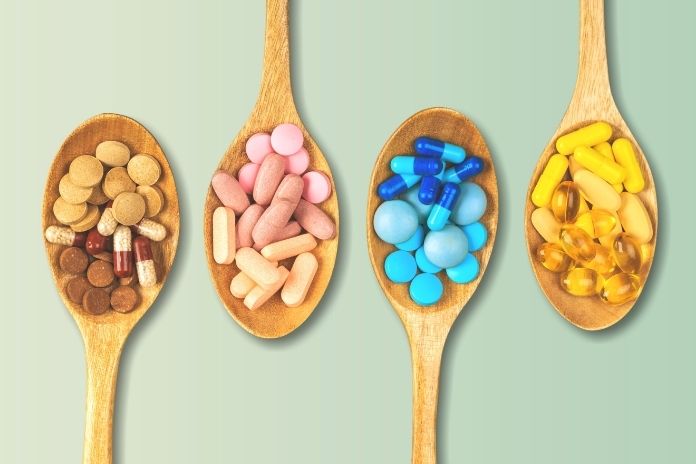
Supplements are meant to fill nutritional gaps, not replace balanced eating. But the wellness industry often markets them as quick fixes or shortcuts, which pushes many people into “more must be better” territory.
The problem? Unlike food, supplements can deliver nutrients in unnaturally concentrated doses, and that excess builds up in ways your body isn’t always equipped to handle. Here are some of the most common culprits people overuse, often without realizing the risks.
Multivitamins
Many people take a daily multivitamin as an insurance policy, assuming it covers everything they might be missing in their diet. But when taken on top of fortified foods or other supplements, certain vitamins and minerals can accumulate. This can tip you into toxic ranges over time, leading to issues like liver strain, nausea, or nerve problems.
Vitamin D and Calcium
Both are heavily marketed for bone strength, and they’re genuinely important. But overshooting the mark is a concern. Too much vitamin D can cause calcium to build up in the blood (hypercalcemia), damaging the kidneys, blood vessels, and heart. Meanwhile, excessive calcium, especially from supplements rather than food, has been linked to kidney stones and even cardiovascular risk.
Read More: All About Calcium: Supplements, Dosage, and Absorption
Vitamin C
Known as the immunity booster, vitamin C gets taken in huge doses at the first sign of a cold. But your body can’t store excess water-soluble vitamin C; it flushes it out. In high enough amounts, though, it can irritate the digestive tract, cause diarrhea, and in some cases even increase the risk of kidney stones.
Iron
Iron deficiency is common, but self-prescribing iron can be dangerous. Your body has no easy way of getting rid of excess iron, and overload can damage the liver, heart, and pancreas. For people without diagnosed anemia, taking extra “just in case” can cause more harm than good.
Protein Powders and Shakes
Originally meant for athletes and bodybuilders, protein powders are now a staple for everyday gym-goers and even people who barely exercise. The issue isn’t protein itself; it’s the unnecessary excess. Regularly overloading on protein powders can put stress on the kidneys, disrupt digestion, and crowd out other nutrients in the diet.
Superfood Powders
Spirulina, maca, moringa, turmeric, green tea extract: these concentrated plant powders have gone mainstream. While they can be beneficial in small amounts, they’re potent. Overuse has been linked to digestive upset, liver toxicity (particularly with green tea extract), or interactions with medications. The fact that many are unregulated adds another layer of risk.
Risks of Vitamin Overdose (Hypervitaminosis)

Vitamins are often marketed as harmless helpers, but the truth is they’re biologically active compounds. Your body needs them in precise amounts, too little leads to deficiency, but too much can be just as dangerous.
This problem, known as hypervitaminosis, happens most often when people load up on high-dose supplements rather than food. Unlike nutrients from whole foods, supplemental vitamins come in concentrated forms that can quickly push the body into toxic territory. Here’s a closer look at where the risks really lie.
Fat-Soluble Vitamins (A, D, E, K): The Biggest Risk
Unlike water-soluble vitamins, which your body can usually flush out, fat-soluble ones are stored in the liver and fatty tissues. That means they can silently build up over time and cause harm.
- Vitamin A: Chronic overdose may cause dry skin, brittle hair, bone pain, fatigue, headaches, liver damage, and, in extreme cases, increased intracranial pressure. An acute overdose, such as downing a large dose all at once, can bring on nausea, blurred vision, dizziness, and confusion.
- Vitamin D: Excess vitamin D leads to dangerously high blood calcium (hypercalcemia). Symptoms range from nausea, vomiting, and fatigue to frequent urination, kidney stones, and even kidney failure. Severe cases can trigger abnormal heart rhythms, confusion, and instability while walking.
- Vitamin E: Though less commonly toxic, very high doses can interfere with blood clotting, raising the risk of bleeding problems, especially if someone is also taking blood thinners.
- Vitamin K: Rarely overdosed through diet, but high supplemental doses can interfere with clotting and counteract certain medications like warfarin.
“Fat‑soluble vitamins are stored in body fat and the liver, which means they can build up to toxic levels if you consistently take high doses.” – Kristine Dilley, RDN, LD
Water-Soluble Vitamins (B-Complex and C): Safer, But Not Risk-Free
Because your body excretes excess amounts of these in urine, people assume they’re harmless. But in megadoses, water-soluble vitamins can still cause real damage.
- Vitamin B6 (Pyridoxine): Chronic high intake has been linked to sensory neuropathy, causing tingling, numbness, burning sensations, and even loss of coordination, a condition sometimes called “megavitamin B6 syndrome.” These symptoms may persist even after stopping the supplement.
- Niacin (Vitamin B3): At doses above 3000 mg/day, niacin can cause severe flushing, nausea, vomiting, and, in some cases, liver toxicity. Sustained-release formulations are particularly risky for the liver.
- Vitamin C: Popular for immunity, vitamin C in excess can irritate the digestive tract, trigger diarrhea, and raise the risk of kidney stones, especially oxalate stones, which are painful and difficult to manage.
Why This Matters
Hypervitaminosis isn’t just a rare medical curiosity. With supplements sold in high-potency capsules and promoted as daily “boosts,” many people are unknowingly putting themselves at risk. The safest path? Stick to recommended dietary allowances (RDAs), get most of your vitamins from real food, and only use supplements to correct a documented deficiency.
Superfoods: When “Healthy” Becomes Harmful

Superfoods are marketed as nature’s miracle pills, nutrient-dense, energizing, and safe because they’re “natural.” But concentrated powders and extracts aren’t the same as sprinkling seeds on yogurt or cooking with turmeric.
When taken in large amounts or from questionable sources, these so-called superfoods can backfire with unexpected and sometimes dangerous side effects.
- Multivitamins: Marketed as “nutritional insurance,” but piling on unnecessary vitamins can overload the body instead of helping.
- Vitamin D and Calcium: Crucial for bone health, yet too much can cause kidney stones, artery calcification, and other long-term issues.
- Vitamin C: Mega doses don’t prevent colds; instead, they can trigger digestive trouble and even raise kidney stone risk.
- Iron:Essential for hemoglobin, but excess accumulation in organs damages the liver, heart, and pancreas.
- Protein Powders and Shakes: Athletes may need them, but casual users often overconsume, stressing their kidneys and adding hidden calories.
- Superfood Powders: Spirulina, maca, moringa, turmeric, green tea extracts, natural, yes, but concentrated doses can be harsh on the body.
Hidden Dangers of Supplement Overuse
Supplements can support health when used wisely, but overuse carries risks that often stay under the radar. The problem isn’t just about “too much of a good thing”; it’s how excess supplements interact with your body, medications, and even lifestyle choices. Understanding these hidden dangers is key to protecting your health while still getting the benefits supplements can provide.
- Drug interactions– Supplements aren’t always harmless add-ons. For example, St. John’s Wort can reduce the effectiveness of antidepressants and birth control, while high doses of vitamin K may interfere with blood thinners.
- Masking underlying issues– Constant fatigue, hair loss, or joint pain might be chalked up to “not enough vitamins,” leading people to over-supplement. In reality, these could be signs of thyroid disease, autoimmune conditions, or other health problems that go undiagnosed because supplements are covering up the red flags.
- False sense of security– Popping a pill can feel like a shortcut to health, but it often replaces the effort of building solid habits. Relying too much on supplements may push aside balanced meals, regular exercise, or medical checkups, all of which matter more for long-term well-being.
- Contamination and mislabeling– Unlike prescription drugs, supplements aren’t tightly regulated. Many products have been found with undeclared ingredients, harmful fillers, or inaccurate dosages. What you see on the label isn’t always what you get, and that can carry serious risks.
Warning Signs You’re Taking Too Many Supplements
- Persistent nausea, headaches, and dizziness
- Unexplained fatigue or muscle weakness
- Changes in urine color and kidney discomfort
- Digestive issues, constipation, diarrhea, and bloating
- Neurological symptoms like tingling or numbness (especially with excess B6)
How to Use Supplements Safely

The safest way to approach supplements is to begin with clarity, not guesswork. Before you start taking anything, especially vitamin D, iron, B12, or other nutrients that can build up in the body, it’s smart to get baseline blood tests. These numbers give you a clear picture of what you actually need instead of relying on assumptions or marketing claims.
Dosage matters just as much as the supplement itself. Every vitamin and mineral has a Recommended Daily Allowance (RDA) and a Tolerable Upper Intake Level (UL). Staying within those ranges protects you from both deficiency and toxicity. Going over the limit won’t supercharge your health; it’s more likely to cause problems.
Quality should be non-negotiable. Many supplements on the market are poorly regulated, which means labels don’t always match what’s inside. Choosing products that are third-party tested, look for seals from USP, NSF, or Informed Choice, helps ensure that what you’re putting into your body is safe, accurate, and free from contaminants.
Another key safeguard is professional guidance. Always loop in your doctor or pharmacist if you’re on medications, since supplements can interact with prescriptions in ways that reduce effectiveness or trigger side effects. Even common things like calcium, fish oil, or herbal extracts can interfere with drugs for blood pressure, cholesterol, or clotting.
Finally, remember that supplements are meant to support, not replace, a healthy diet. A plate full of colorful vegetables, fruits, whole grains, proteins, and healthy fats will always deliver a broader range of nutrients than pills or powders. Use supplements to fill in the unavoidable gaps, not to shortcut the basics of eating well.
Read More: 6 Supplements You Shouldn’t Take Without Consulting a Doctor
Conclusion
Supplements and superfoods can be incredible allies, but they’re not shortcuts to health. Used recklessly, they can overload your body, clash with medications, and mask deeper issues that need attention. The truth is, more isn’t always better; sometimes it’s downright dangerous. Respecting this difference is the first step toward using them wisely.
The smarter approach is balance. Let food be the foundation, and only bring in supplements when you know there’s a real need. Testing, reading labels, and getting professional input isn’t just caution, it’s a strategy. It ensures you’re filling gaps without creating new problems, keeping your health sustainable instead of fragile.
And here’s the takeaway: long-term wellness comes from consistent, intentional choices, not quick fixes in capsules or powders. If you treat supplements as tools instead of crutches, and pair them with nourishing food, rest, and movement, your body will reward you with lasting energy and resilience. That’s the real power, not excess, but balance.
References
- https://www.webmd.com/diet/effects-of-taking-too-many-vitamins
- https://www.mountsinai.org/health-library/poison/multiple-vitamin-overdose
- https://www.eatingwell.com/article/8053927/these-supplements-can-be-toxic-if-you-take-too-much/
- https://www.aarp.org/health/drugs-supplements/vitamin-overdose/
- https://www.everydayhealth.com/news/supplements-risks-every-women-should-know/
- https://pmc.ncbi.nlm.nih.gov/articles/PMC8377299/
- https://health.clevelandclinic.org/taking-too-many-vitamins
- https://en.wikipedia.org/wiki/Hypervitaminosis
- https://www.uchealth.org/today/dietary-supplements-are-they-beneficial-or-a-waste-of-money/
- https://ods.od.nih.gov/factsheets/WYNTK-Consumer/
- https://www.uhhospitals.org/blog/articles/2024/06/8-healthy-foods-that-are-risky-in-excess
- https://www.medicalnewstoday.com/articles/303079
- https://health.clevelandclinic.org/7-health-foods-that-can-ruin-your-diet-2
- https://timesofindia.indiatimes.com/life-style/food-news/9-healthy-foods-that-are-actually-unhealthy-dont-be-fooled-by-labels/articleshow/122836892.cms
- https://www.health.harvard.edu/blog/10-superfoods-to-boost-a-healthy-diet-2018082914463
- https://www.prevention.com/food-nutrition/healthy-eating/a63423411/foods-you-should-not-eat/
- https://www.heart.org/en/healthy-living/go-red-get-fit/unhealthy-foods
- https://world-heart-federation.org/wp-content/uploads/2017/05/Factsheet_Unhealthy_diet.pdf
- https://www.mayoclinic.org/healthy-lifestyle/nutrition-and-healthy-eating/in-depth/10-great-health-foods/art-20546837
- https://www.canr.msu.edu/news/when-healthy-eating-becomes-bad-for-our-health-identifying-orthorexia-nervosa
- https://www.un.org/en/climatechange/science/climate-issues/food
- https://www.aarp.org/health/healthy-living/superfoods-for-adult-health/
- https://www.rch.org.au/kidsinfo/fact_sheets/Nutrition_older_children/
- https://globalnutritionreport.org/reports/2021-global-nutrition-report/health-and-environmental-impacts-of-diets-worldwide/
- https://www.sciencedirect.com/science/article/pii/S240585722300116X
- https://dining.ncsu.edu/it-is-possible-to-be-too-healthy/
In this Article