












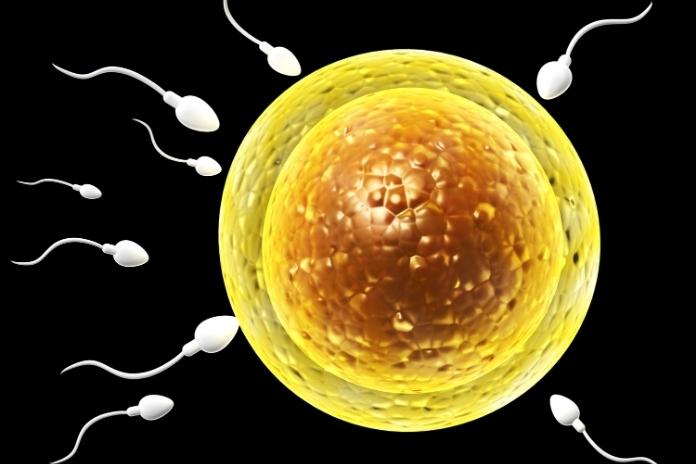
Though many people are shocked by the amount of work required to conceive, trying for a child may be an enjoyable adventure. To support fertility, it’s important to focus on overall health, which includes a balanced diet, regular exercise, ovulation monitoring, and stress management.
One of the pillars of healthy living is eating a well-balanced diet. However, you could have seen periods of the month when you feel hungrier or have a particular food urge. The hormonal change that occurs throughout your menstrual cycle might be the cause of this.
Many people find that navigating the highs and lows of the menstrual cycle is similar to going on a hormonal rollercoaster. Premenstrual symptoms, including bloating, mood changes, and intense food cravings, may already be familiar to you.
Ovulation, hormone balance, and nutrition are closely related. Deficiencies in essential vitamins, minerals, and healthy fats can disrupt hormone production, but consuming nutrient-rich meals can restore balance.
This article will go over the significance of eating a balanced diet during ovulation, things you should consume and avoid, and how they may affect when you ovulate following your period.
Read More: How to Track Ovulation Accurately (Even With Irregular Cycles)
How Nutrition Affects Ovulation and Hormones
Hormones are chemical messengers that the brain utilizes to regulate bodily functions. Certain foods can assist with the production, release, and overall balance of hormones and, in turn, potentially contribute to overall health.
A diet consisting of nutrient-dense foods loaded with vitamins, minerals, and healthy fats can also be a hormone-balancing diet that promotes endocrine health and can protect against disruptions in hormone function.
For instance, phytoestrogens can help balance female hormones as they mimic estrogen levels, and omega-3 fatty acids help increase hormone synthesis.
Observing the rise in luteinizing hormone is important because it marks the moment when the mature egg is released. Adequate nutrition will help support this hormonal surge and ensure that things are functioning correctly.
A healthy diet with hormone-regulating foods, including whole grains, leafy greens, lean meats, nuts, and seeds, will support healthy blood sugar levels, normal hormone production, and healthy ovulation. It will also mitigate the effects of a diet primarily composed of processed foods, refined carbohydrates, and unhealthy fats.
In the end, nutrition is the foundation of reproductive health—it is about more than energy.
Best Foods to Support Ovulation
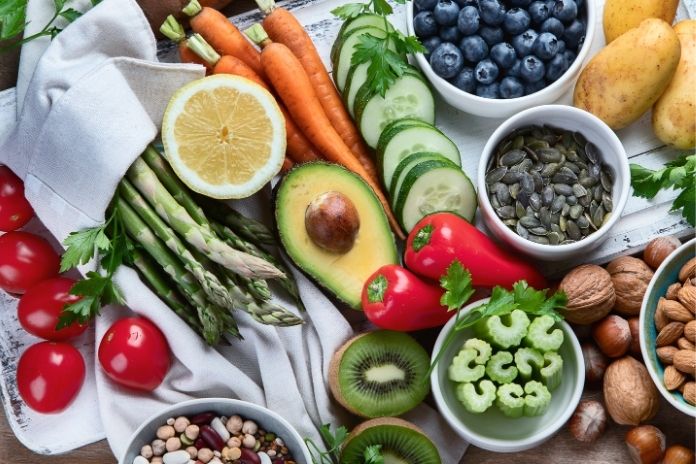
You should attempt the following meals during the ovulation phase:
Leafy Greens: Rich in vitamins C, E, and K, cruciferous vegetables such as broccoli, cabbage, spinach, kale, and others are also a rich source of fiber. These meals, which increase estrogen levels and aid in hormone balance, are the A-listers of the ovulation phase.
Pumpkin and Sunflower Seeds: Packed with zinc and magnesium, these little guys are great for progesterone levels, menstrual cramp relief, hormone health in general, and sleep quality. They are therefore helpful in treating conditions like menstrual insomnia.
Sweet Potatoes: Rich in vitamin B6, these root vegetables are great for promoting the progesterone surge during this stage. They’re also tasty and adaptable!
Berries: Rich in antioxidants, berries help maintain adrenal function, lower inflammation, and indirectly promote hormonal balance.
Green Tea: Green tea promotes metabolism and may aid in hormone balance due to its high antioxidant content, especially EGCG. Don’t exceed two to three cups daily. Too much caffeine can upset hormone balance and stress the adrenal glands, so experts advise limiting daily intake to 200–300 mg, or about two to three cups of coffee.
Foods that are fermented: These might include yogurt, sauerkraut, and kimchi. Probiotics, which are excellent for gut health, are abundant in these foods. It may surprise you to learn that hormone and gut health are closely related. It can help reduce inflammation and also improve nutrient absorption, both of which have indirect positive effects on reproductive health.
Foods High in Iron: Lean meats, beans, and lentils are an excellent source of protein and iron. During the ovulation period, iron deficiency can cause anemia and exhaustion, which can help you fight against.
Whole Grains: Quinoa, brown rice, and oats may balance blood sugar levels, lower stress on the body, and give long-lasting energy—all of which are critical for maintaining reproductive health in general.
“Food is the basis of how we nourish our body and get nutrients … and the foods we choose can also be important when it comes to hormones,” says Dr. Taz Bhatia, an integrative medicine physician and author of “Super Woman Rx.
Read More: Effective Ovulation Tracking: Top Tools and Methods for Conception
Vitamins and Minerals That Matter
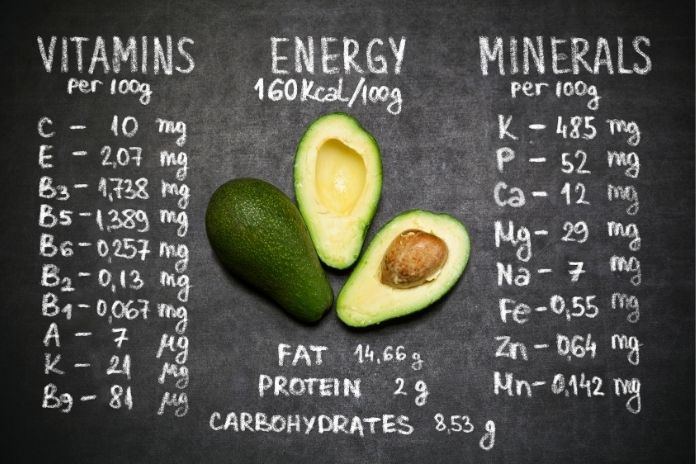
These foods can help with ovulation, fertility, and a healthy menstrual cycle during this time.
B vitamins: These vitamins are essential for maintaining the health of hormones in general and controlling levels of hormones like progesterone and estrogen. By promoting the production of red blood cells and the movement of oxygen, they aid in the conversion of food into energy, lessen sensations of exhaustion, and help you maintain ideal energy levels.
Vitamin C: This potent antioxidant helps the adrenal gland produce progesterone, which is essential for maintaining a balanced menstrual cycle, protects reproductive cells from oxidative stress, and improves iron absorption to sustain energy levels and lessen period cramps.
Vitamin D: To maintain the balance of these hormones, vitamin D regulates the synthesis and action of progesterone and estrogen. This vitamin also plays a role in controlling blood sugar and insulin levels. According to a medical study, vitamin D helps manage thyroid disorders in addition to controlling bone metabolism and calcium and phosphorus balance.
Furthermore, a significant incidence of thyroid antibodies—a typical occurrence for people with autoimmune thyroid disorders—is linked to vitamin D insufficiency. Egg yolks, fatty seafood, and fortified meals like cereals are good sources of vitamin D.
Omega-3: Good sources of omega-3s include fatty fish like mackerel, salmon, and sardines, along with walnuts, chia seeds, and egg yolks. In addition to the above-mentioned vitamins for hormonal imbalance, omega-3 fatty acids can influence hormone synthesis and enhance cell function.
Iron: It’s a good idea to replenish your iron stores throughout the follicular and ovulatory phases because you may lose some during the menstrual phase. Foods high in iron help you stay energized and ward off those annoying menstrual cramps.
Foods That May Disrupt Ovulation and Hormone Balance
Foods can affect reproductive health in the same way that they can increase fertility. The secret to preserving hormonal balance and safeguarding ovulation is knowing which meals to avoid for fertility.
Red Meat: Red meat contains high levels of saturated and hydrogenated fats, which are regarded as harmful. Because too much meat causes your body to produce more estrogen, it might upset your hormonal balance. Eggs and fatty fish like tuna and salmon, packed with omega-3 fatty acids, are known for their anti-inflammatory properties, which is an excellent option.
Processed Diets: Researchers have connected several health problems to processed and refined diets. Products like cookies, prepared dinners, carefully chosen sausages, and pastries typically have high levels of salt, sugar, and preservatives. You run the danger of inadvertent weight gain and severe hormonal imbalance when you consume processed foods and sweets because they alter hormone function by causing inflammation and stress to the adrenal glands.
Foods that are not Organic: Farmers produce organic foods using non-genetically modified seeds and avoid treating them with chemical pesticides or fertilizers. They don’t increase the body’s toxic load and are usually more nutrient-dense than their traditional equivalents.
Endocrine disruptors include chemicals and pesticides used in agriculture. The way your body consumes and metabolizes hormones is also affected. Bad. Absolutely awful.
Caffeine: Excessive use of coffee or energy drinks might impact your hormone health in addition to your sleep cycle. Cortisol level, sometimes referred to as the stress hormone, is stimulated by caffeine and causes the body to become hypervigilant.
Soy: Phytoestrogen, a bioactive compound found in soy products like tofu and soy milk, functions in the body similarly to estrogen. High doses of soy give the impression that the body is producing more estrogen and other true sex hormones than it actually is. It has an effect on the ovulation cycle as a result, which may affect reproductive health.
Extra Sugar: You may love sugary treats just like everyone else, but eating more sugar than usual during the ovulation time may imbalance your blood sugar and hormone levels. Avoid sweets as much as possible, and try to eat less than the typical sugary cereals, soft drinks, ice cream, pastries, and sweets. Choose naturally sweetened foods like fruits.
Read More: Is It Normal to Feel Depressed Before Ovulation? What Your Hormones Might Be Telling You
Sample Fertility-Friendly Meal Ideas
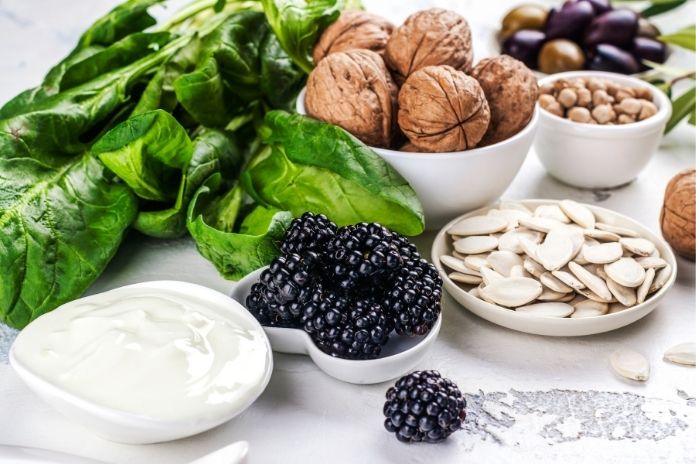
Creating a fertility diet doesn’t have to be difficult. You may make meals that naturally promote ovulation and hormone balance by combining whole foods, lean proteins, healthy fats, and antioxidants.
Breakfast: Begin your morning with a fertility-supporting breakfast to help maintain hormonal balance and sustain energy throughout the day. In the morning, eat a bowl of steel-cut oats with a spoonful of chia seeds and fresh berries on top. This delicious meal provides a rich supply of omega-3s, fiber, and antioxidants!
Lunch: The goal is to serve vibrant salads or grain bowls for lunch. Antioxidants and good fats abound in a quinoa salad with spinach, roasted sweet potatoes, walnuts, and a splash of olive oil.
Dinner: Creating a healthy lifestyle is facilitated by mealtimes that emphasize moderation and a variety of nutrients. When combined with farro and roasted veggies, a baked salmon filet with a Mediterranean taste will provide you with a good dosage of fiber, omega-3 fatty acids, and other nutrients that are important for fertility.
Snacks: The emphasis should be on foods high in nutrients. It’s critical to connect meals. By eating a few almonds with dried apricots, you can obtain iron and vitamin E.
Drinks: Maintaining proper hydration benefits all bodily systems, including fertility. Teas made from herbs, such as nettle or peppermint, can be remarkably calming and healing.
Lifestyle Habits That Complement a Fertility Diet
A fertility-friendly diet will be more effective when combined with simple lifestyle modifications. Even minor, frequent adjustments to your daily routine can improve reproductive health and encourage the body to do its job of balancing hormones.
Maintain Healthy Body Weight: Being underweight or overweight can interfere with ovulation and fertility, cause irregular menstrual cycles, and affect hormone function. Studies have shown the adverse effect of obesity on fertility. One study, published in Fertility and Sterility, showed that as BMI increased, the miscarriage rates increased and the pregnancy and live birth rates decreased.
Be Physically Active: Remember, when trying to conceive, you should be in moderate levels of physical activity. Research indicates that engaging in regular physical activity increases the likelihood of becoming pregnant if you are fat. “I recommend getting back into exercise slowly. Starting a strenuous exercise routine as you are embarking on fertility treatment is not a good idea,” says Dr. Melissa Esposito of SGF’s Harrisburg, PA.
Handling Stress: Prolonged stress might interfere with ovulation and hormones. The nervous system can be relaxed through practices such as mindfulness, yoga, or controlled breathing. Frequent exercise, such as swimming or walking, also improves mood and lowers stress hormones.
Read More: Hormonal Health in Your 30s vs. 40s: What Changes and Why It Matters
When to See a Doctor or Dietitian

Diet and lifestyle changes have a positive effect on your reproductive health, though it’s not always in your best interest to fix everything yourself. If you are eating well and still experience irregular menstrual cycles, it’s best to set up an appointment with a doctor. Regular menstrual irregularity can be a sign of larger hormonal issues, usually best managed by a doctor.
Women who experience irregular cycles and have PCOS, thyroid issues, or infertility with no explanation, we encourage you to pursue professional treatment early. A fertility dietitian or nutritionist should help develop a personalized plan. At a minimum, a fertility dietitian/nutritionist will provide a list of safe supplements, as well as create a diet to support ovulation.
They will also make educational recommendations based on the assessment of nutritional deficiencies as they relate to hormonal balance, egg quality, and pregnancy outcomes in conjunction with medical management.
Read More: How to Thicken Uterine Lining in 48 Hours: Fertility-Safe Tips Backed by Science
Conclusion
Hormone balance through nutrition is an effective strategy for supporting overall health. When we incorporate foods that balance hormones, it may help to regulate reproductive health, metabolism, and mood. Reproductive health is enhanced by including whole grains, lean protein, healthy fats, fruits, vegetables, and the vitamins and minerals you need for conception.
Consistency is the key to achieving this. While improving hormonal balance might contribute positively to egg quality and cycle regulation, it’s also important to know that nutrition isn’t a miracle worker. Making gradual progress towards small changes each day will yield a tremendous amount of change over time.
References
- https://genesisobgyn.net/fertility-diet-to-prepare-for-a-baby/
- https://www.uclahealth.org/news/article/6-foods-boost-fertility
- https://pmc.ncbi.nlm.nih.gov/articles/PMC9029579/
- https://share.upmc.com/2019/05/fueling-fertility-with-nutrition/
- https://northvalleywomenscare.com/4-essential-vitamins-for-hormonal-imbalance/
- https://northvalleywomenscare.com/4-foods-that-cause-hormonal-imbalance/
- https://www.shadygrovefertility.com/article/diet-and-lifestyle-strategies-to-prepare-your-body-for-pregnancy/
- https://www.nhlbi.nih.gov/calculate-your-bmi
- https://www.shadygrovefertility.com/our-care-team/doctors/esposito/
- https://www.nuafertility.com/hormone-balancing-foods-for-female-fertility-by-sarah-trimble/
- https://www.today.com/health/diet-fitness/hormone-balancing-foods-rcna118777
- https://doctortaz.com/
In this Article