













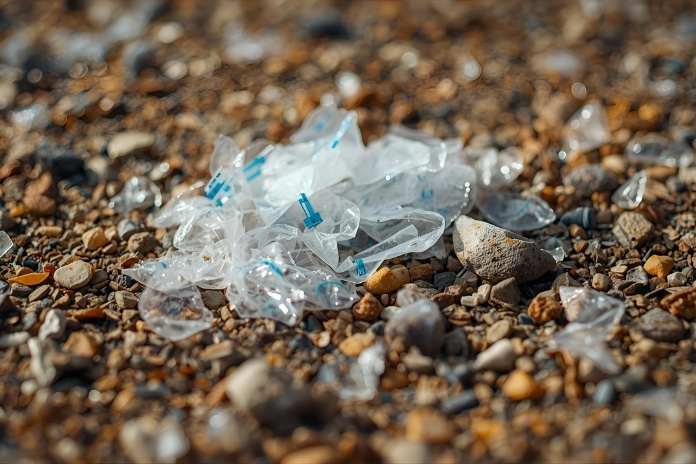
Every sip of bottled water, every bite of shellfish, every grain of sea salt, together they may be adding up to something you’d never expect. And that’s a credit card’s worth of plastic every week. Shocked? Read on!
That surprising figure came to light in the year 2019, when the World Wide Fund for Nature (WWF) and scientists at the University of Newcastle estimated that an average person could be consuming up to 5 grams of plastic each week. The figure caught on because it was solid and questionable. The intangible particles contaminating oceans and rivers were no longer “out there” but within us.
But there is a deeper trouble that needs to be addressed behind this. Where is this plastic originating from? How much are we actually ingesting? And what does it do to our health in the long term?
Even as scientists continue to add up the answers, this much is certain: microplastics and nanoplastics are a part of the human diet, through food, water, and even breathing in. And even though there are still many questions, early signs point towards possible threats to our immune, hormonal, and metabolic well-being.
In this article, we will take a closer look at the science, the sources, and what you can do to protect yourself from plastic damage.
Read More: Common Household Toxins You Didn’t Know Could Be Harming Your Health
How Scientists Estimate Plastic Consumption
Philip Demokritou, the founding director of the Environmental Health Nanoscience Laboratory and the Center for Nanotechnology and Nanotoxicology at the School of Public Health, shares his thoughts on the same. He says, “Ingestion is the primary route of exposure, and we are consuming about 5 grams of micronanoplastics per week; that’s the equivalent of a credit card.”
The “credit card a week” amount wasn’t just made up. It was based on a meta-analysis of 52 studies from all over the world that monitored microplastic concentrations in water, food, and air. Those levels were then multiplied by average consumption statistics. Here’s a more detailed explanation:
What They Measure
- Water: Tap and bottled water samples from around the world.
- Seafood: Particularly filter-feeders such as mussels and clams.
- Other foods: Salt, sugar, honey, beer, even fruits and vegetables.
- Air and dust: Inhalation and accidental swallowing of fibers indoors and outdoors.
Why Estimates Vary?
Estimates vary for a very simple reason: due to the various approaches used. Some studies pick up only plastics larger than 10 microns, while others try to follow particles down to the nanoscale. And even assuming we know how much goes into the gut, we don’t yet know how much gets absorbed into tissues versus simply getting excreted.
And so, the World Health Organization’s 2019 report on microplastics in drinking water recommended more uniform testing before drawing solid health conclusions. But the pattern is incontrovertible: plastics saturate the human diet.
Where the Plastic Originate in Our Diet
Here are a few hidden sources of plastic that we unknowingly ingest:
1. Drinking Water: The Greatest Contributor
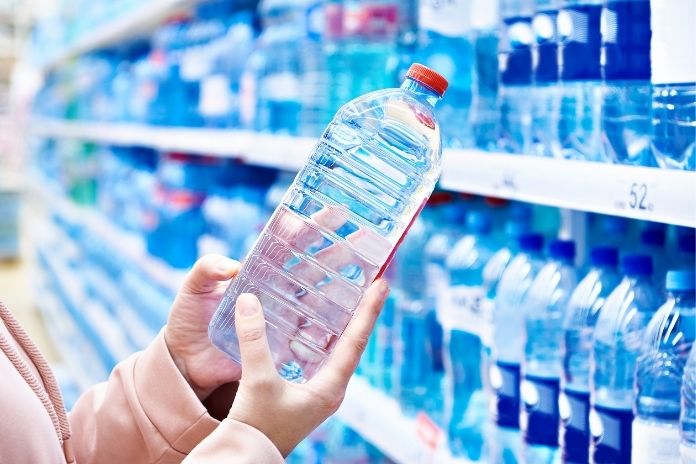
Water, which we take for granted every day, is also our largest source of plastic.
Bottled water is the biggest culprit. An average of 325 plastic particles per liter was detected in the 2018 Orb Media analysis, close to double that of tap water.
Tap water differs by location, state, and geography, but plastics appear everywhere across the globe, from urban U.S. cities to rural hamlets.
With Americans consuming almost a gallon of water daily, even a slight pollution becomes substantial.
2. Seafood & Fish: A Burden Hidden
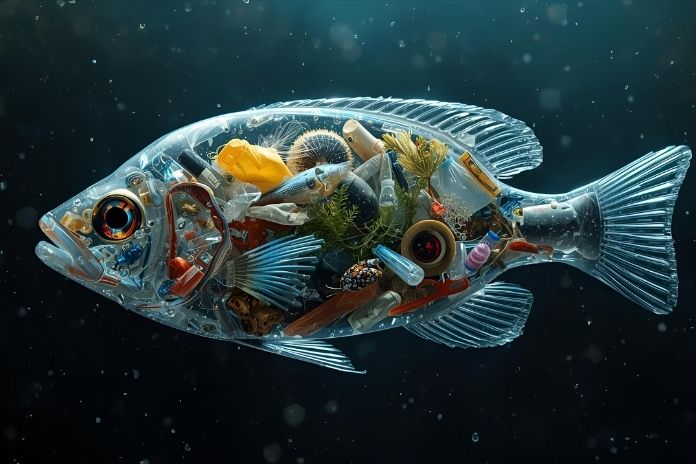
As surprising as it may seem, seafood is among the biggest contributors of plastics to our bodies. Shellfish such as mussels, clams, oysters, and shrimp are natural filter feeders, collecting microplastics as they filter seawater. Since we consume them whole, including gut contents, we take in their load of particles.
Fish are less risky because their intestines are usually removed. But plastics have also been found in fish muscle tissue, which also concerns fillet consumers.
A 2023 Science of the Total Environment review indicated that seafood is still a significant cause of our microplastic exposure.
3. Common Foods: Salt, Sugar, Honey, and Others
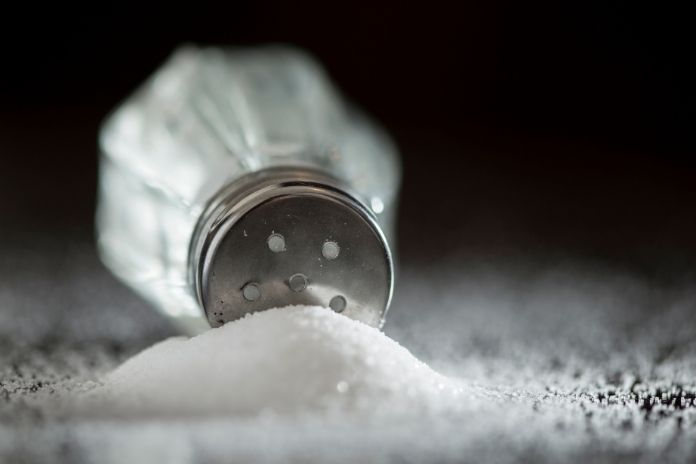
Dozens of shelf-stable foods have been found to contain plastic contaminants. These include:
- Table salt, which contains microplastics in 90% of world brands, according to studies.
- Honey and sugar also contain tiny microplastics, which are most likely due to processing and packaging.
- Processed and packaged foods often contain microplastics. These plastics can flake off during manufacturing or leach from packaging into food.
- Produce, including fruits and vegetables, has microplastics. These were discovered in fruits and vegetables, taken up from polluted soil and water used for irrigation.
The FDA recognizes the above contaminations. However, it stresses that further studies are necessary to understand the exact harmful levels for humans.
4. Air & Household Dust: The Forgotten Source

If you avoid going out just to avoid microplastic exposure, staying in can be just as harmful. Microplastics from carpets, clothing, upholstery, and packaging drift in the air and land on surfaces as dust. We breathe them in and ingest them every day.
Indoor air tends to be dirtier than outdoor air, and scientists estimate that adults ingest tens of thousands of particles each year this way, an imperceptible but important source.
Read More: 7 Everyday Products That May Be Disrupting Your Hormones
What Goes On Inside the Body?
When ingested, plastics don’t all act the same. Various particles affect the body in different ways, including:
- Larger particles (>150 microns) typically pass straight through the gut and are expelled. However, if these large particles are sharp, they can potentially damage the gut lining or cause internal bleeding.
- Smaller microplastics (<20 microns) can pass through the gut lining into the blood supply. Once these small particles are in the bloodstream, they can get collected in various organs and tissues. The organs that can be affected include the liver, kidneys, and brain, resulting in severe health consequences.
- Nanoplastics (<0.1 microns) are small enough to enter cells, pass across the blood–brain barrier, or become deposited in organs.
Animal research implies that plastics have the potential to change gut microbiota, cause oxidative stress, and even cause DNA damage. In humans, researchers have already found microplastics in the blood, lungs, liver, and placental tissue, and the long-term effects are being questioned.
Health Risks Associated with Microplastics (What We Know So Far)
The human evidence is limited as of yet, but the health risks linked to this are quite significant:
- Disruption of the Immune System: Plastics can induce inflammation, which causes tissues to become disease-prone.
- Endocrine Effects: Phthalates and BPA are hormone-mimicking chemicals that can impact fertility, development, and metabolism.
- Gut Health: Microbe balance can be changed by plastics, and can be linked with gastrointestinal disorders.
- Metabolic Stress: Chronic exposure to microplastics has been linked to obesity and insulin resistance in animal studies. According to studies, polystyrene (PS) can accumulate in organs, alter gut microbiota, trigger inflammation, and disrupt insulin signaling pathways. This results in higher blood glucose levels and insulin resistance in mice. However, further clinical research is needed to confirm these effects in humans.
- Reproductive Health: Microplastics have recently been isolated in the human testes and ovaries, indicating potential risks to fertility. As per studies, microplastics in human testes and ovarian follicular fluid damage male and female infertility, causing inflammation, oxidative stress, and disturbed reproductive hormone pathways.
- Cancer Connections: The microplastic and cancer link is still being researched. Some plastic additives are established carcinogens, but human connections have not been proven. According to certain studies, microplastics contain harmful chemicals, including plasticizers and flame retardants, which have been linked to cancer.
The WHO and FDA both emphasize that we don’t yet have proof. But they suggest reducing exposure where possible, while science catches up.
Reducing Your Plastic Consumption
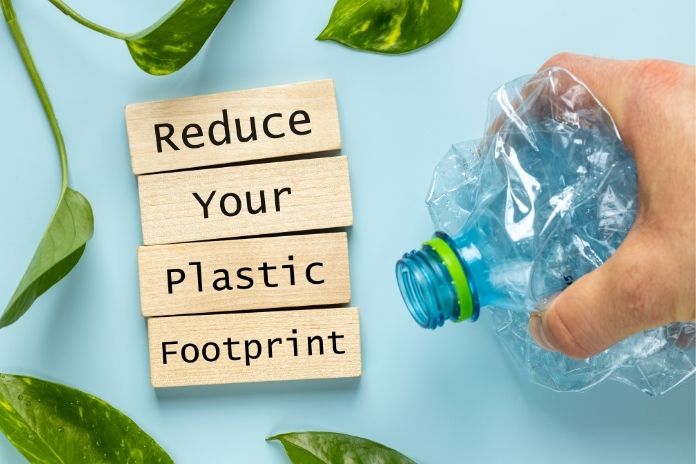
While reducing plastic consumption is relatively easy, eliminating it altogether is challenging. Here are a few ways you can reduce microplastic exposure:
Water:
- Choose tap water over bottled water wherever possible.
- Install home filters (reverse osmosis or activated carbon) to minimize particles.
Food Storage & Preparation:
- Replace plastic wrap and containers with glass, stainless steel, or beeswax wraps.
- Avoid microwaving or heating food in plastic, as this accelerates chemical leaching. Opt for stovetops whenever you can.
Seafood:
- Opt for a variety of seafood options, restricting heavy consumption of shellfish.
- Purchase from sustainable sources with cleaner waters. This ensures there is less plastic ingestion.
Household Habits
- Vacuum and dust regularly to avoid microfiber accumulation.
- Clean synthetic clothing in microfiber-catching bags or with machine filters.
- Cut back on single-use plastics wherever possible. These include reusable bags, bottles, and utensils make a difference.
Pro Tip: I usually carry a reusable cloth bag to avoid using single-use plastics each time. This saves me from ingesting microplastics, but it is also a good move for the environment.
These small swaps not only reduce your intake but also lower demand for disposable plastics globally.
Read More: 7 Eco-Friendly Products for a Sustainable Wellness Routine
Global Solutions & What’s Next
Plastic contamination isn’t just a personal issue, but a worldwide hazard.
Policy and Regulation:
Over 120 countries have implemented some form of ban on single-use plastics.
The United Nations is working on an international plastics treaty to establish binding production, waste management, and pollution targets.
Innovation and Research:
Biodegradable and compostable packaging is picking up momentum.
New recycling technologies aim to prevent microplastic leakage into the environment.
Scientists are developing improved detection devices to measure the amount of nanoplastics and assess their health effects.
The loopholes are clear and the measures are obvious: we need standardized testing, long-term health monitoring, and more effective means of tracking nanoplastics. Until they become a reality, minimizing exposure is the best line of defense.
Conclusion: A Growing Concern
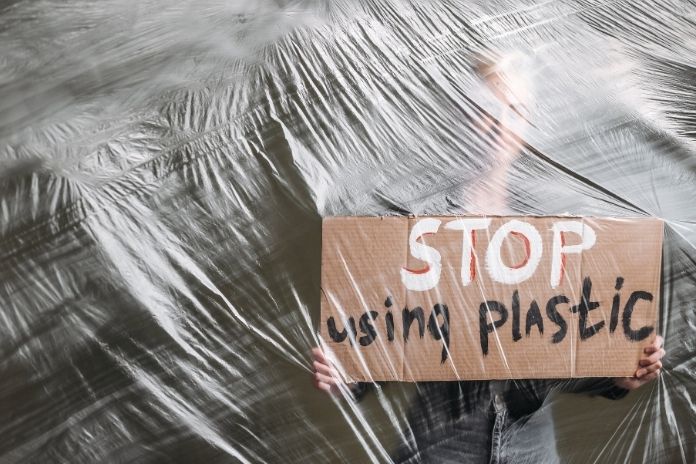
The notion that we might be consuming a credit card’s amount of plastic per week is more than a figure of speech; it’s an alarm call. The precise health implications are not yet fully understood, but the current evidence suggests a potential danger.
For people, the message is simple: use filtered tap water, don’t heat food in plastic, keep indoor areas clean, and use fewer single-use plastics. As a society, we can have a systematic change. The policies we adopt and the changes we make in everyday life make a difference.
Every gesture counts. Every reusable bottle, every plastic wrapper skipped, every mindful purchase lowers your own exposure and the world’s load of plastic pollution.
Because ultimately, this isn’t merely about what we eat. It’s about the type of world we’re leaving behind. A world where food sustains us, not one where it silently stuffs us with pieces of plastic.
Takeaway: Even as science scrambles to catch up, everyday precautions can not just protect our health, but help us build a healthier, eco-friendly world for tomorrow.
References
- https://www.downtoearth.org.in/waste/how-can-india-lead-the-world-to-a-single-use-plastic-free-future
- https://www.fda.gov/food/food-ingredients-packaging/food-chemical-safety
- https://www.sciencedirect.com/science/article/pii/S0024320522001047
- https://www.google.com/search?sca_esv=c1cc0a7ef5f5f2b5&rlz=1C1RXQR_en-GBIN1169IN1169&cs=0&sxsrf=AE3TifNBTpnjjdFQ_XthB13wyLqrlbKJ0g%3A1756702464311&q=polystyrene&sa=X&ved=2ahUKEwis7ZXS4raPAxXnTGwGHf_2Dr4QxccNegQIHRAB&mstk=AUtExfB4-3LWuEH9BFqpw3jphSkMGBFo4mkrg0ngaqw16uAnA_LgIzGZYZ1FOpwnXLitqZ6KL-_5BDah_9kOcIVVzMuxZ8D0JlLe1sHs51KOFOkokAYhGv_I9c1bsQBGKXhJuvZXVl7kFzIfE2Eg1b_HHaBmkNepC7GZIUz9uBpimlNZVstqrr8Wqfl1yZoBSMCNdlp4jsmMNIAuKSiWi5BKyYN8ZX0zcm_1kBp0dGBJ8kc7Ks3ajkYJdv7rVLqPePyCAc6_ydj1Qk0EpBjySfum4HF6&csui=3
- https://pmc.ncbi.nlm.nih.gov/articles/PMC10749881/
- https://www.sciencedirect.com/science/article/pii/S026974912037069X
- https://www.wwf.mg/en/?348375/Plastic-ingestion-by-humans-could-equate-to-eating-a-credit-card-a-week
In this Article