











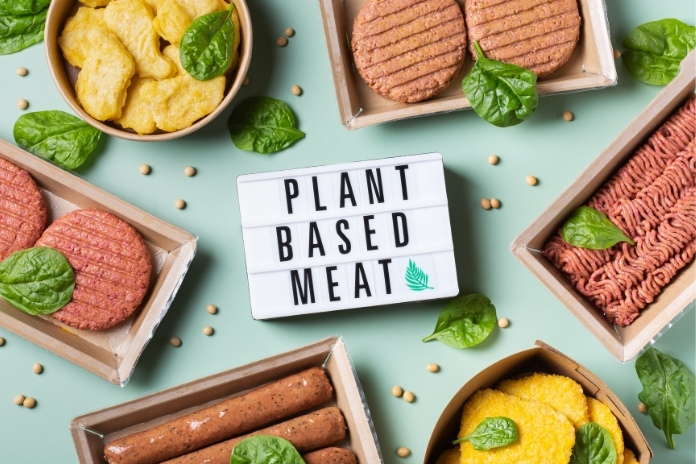
I am a vegetarian, and that narrows down my list of food choices. I’ve never had meat, but I like eating plant-based meat alternatives occasionally. When I shared this with one of my friends, she asked me about the difference. This made me think whether these options are really worth it? Especially for people who love to have meat, are these alternatives equally healthy or just unnecessarily hyped?
Today, when we walk into any major supermarket, we’re likely to find shelves stocked with Beyond Burgers, Impossible Burgers, nuggets, sausages, and even plant-based ground meat. What was once a small niche for vegans has evolved into a global industry with costs rising above $7 billion in 2022 and having a sales forecast of over $30 billion by 2026. The growth comes not only from vegans and vegetarians, but from flexitarians. Flexitarians, as the name suggests, are people who continue to consume meat but wish to further reduce their consumption for health, ethical, or environmental reasons.
The advertising is smooth, the flavor is almost that of actual beef, and the access has gone mainstream. The question remains: are these plant-based meats healthier, or is this merely a marketing gimmick that capitalizes on fears about red meat and the environment?
This article breaks down the science and hype around the nutrition, health effects, and environmental impact of plant-based meat alternatives. So you can make an informed decision about whether these foods have a place on your plate.
What Are Plant-Based Meats Made Of?
The burgers we get today are so different. Unlike old-school veggie burgers (black beans or mushrooms forced into patties), today’s plant-based meat substitutes are designed to replicate meat in flavor, appearance, texture, and protein value.
Core Ingredients
- Protein bases include soy protein isolate, pea protein, wheat gluten (seitan), mung bean protein, or potato protein.
- Oils such as coconut oil are used for saturated fat that mimics the “juiciness” of meat, canola or sunflower oil for taste, and occasionally avocado or olive oil is used in newer products.
- Binders and texturizers such as methylcellulose, starches, or gums are used to maintain structure.
- Flavorings that are used include yeast extracts, natural flavors, or smoke flavor for savory depth.
- Coloring ingredients can have beet juice, pomegranate juice, or soy leghemoglobin (Impossible’s “heme”) to create a beef-like red color.
- Most common fortifiers include vitamin B12, iron, zinc, and niacin to equal the nutritional profile of beef.
How It’s Made
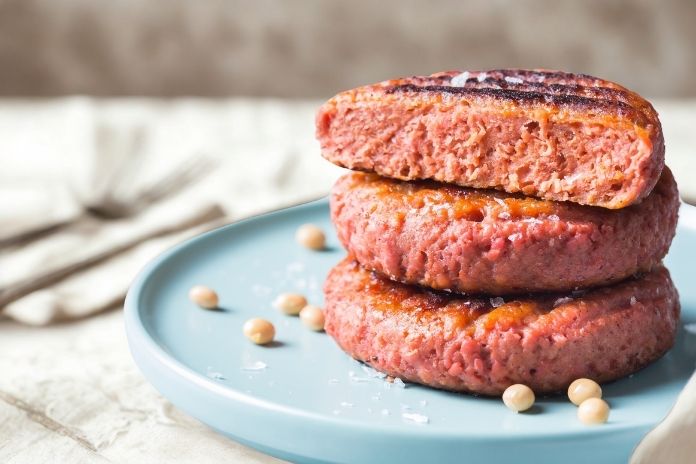
Most of them use the technique of extrusion cooking, a method in which plant proteins are cooked, pressed, and forced through nozzles to form fibrous meat-like textures. Oils are added for moistness, and flavors are built up to taste like grilled chicken or beef.
This advanced way of manufacturing has created burgers that “bleed,” sizzle, and have a flavor very similar to beef. But with it comes the fact that these foods are extremely processed, placed in the NOVA category of ultra-processed foods. NOVA foods are the industrial formulations that are convenient, have longer shelf lives, and are typically nutritionally imbalanced. These can lead to heart issues and affect overall health.
While not inherently unhealthy, this degree of processing raises concerns when compared with whole, minimally processed plant-based proteins like lentils or tofu.
Nutrition Comparison: Plant-Based Meat vs Beef
At first glance, plant-based burgers are designed to match beef gram for gram in protein and calories. But look closely, and discrepancies appear.
Protein:
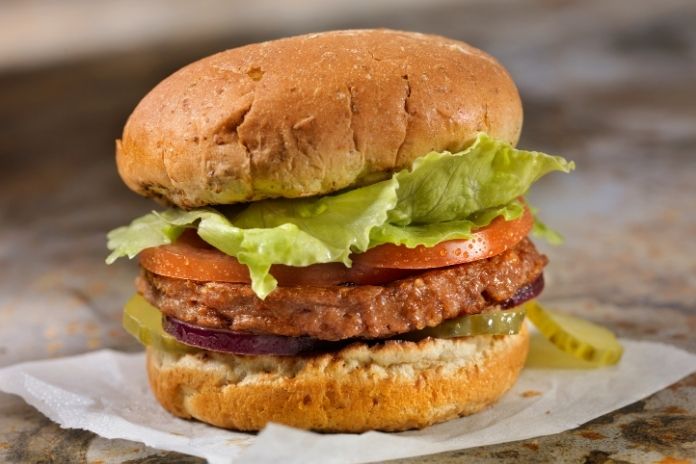
Beyond Burger (2023 recipe): It has 20 g of protein per patty (from pea, mung bean, and rice protein). This protein blend serves as the base for the plant-based burger, which also includes beetroot powder for color, coconut oil for fat, and various other ingredients like methyl cellulose to replicate the meat texture.
Impossible Burger: This contains 19 g of protein per patty, primarily from soy protein concentrate and other plant-based ingredients, providing a good amount of high-quality protein when compared to a traditional beef burger, along with other nutrients like iron, zinc, and B vitamins.
80% lean ground beef (4 oz): The beef has 19 g protein. There are also 23 grams of total fat, no carbohydrates, and approximately 287 calories.
These are almost the same on paper. But beef protein is complete and very bioavailable, while plant proteins are slightly less digested. Research indicates that while all the amino acids required by the human body are supplied by plant meats, their leucine and methionine absorption could be less than that of beef.
Fat and Saturated Fat:
- Beef: A 4 4-oz beef patty contains ~8 g of saturated fat.
- Beyond Burger: Beyond Burger has approximately 5 g of saturated fat (coconut oil).
- Impossible Burger: Impossible Burger consists of ~8 g saturated fat (from coconut oil and sunflower oil).
Saturated fat can be lower or similar to beef, depending on the brand. Healthy oils such as avocado could reduce this even more, but a lot of products stick with coconut oil.
Cholesterol:
- Beef: ~80 mg cholesterol.
- Plant-based: 0 mg cholesterol. It is (cholesterol-free by nature).
- This makes them a good choice for people with heart disease.
Sodium:
The sodium content can be the largest red flag:
- Beyond Burger: ~390 mg sodium per patty.
- Impossible Burger: ~370 mg
- Beef patty: A naturally occurring beef patty has ~75 mg of sodium.
That’s 3–5x the sodium, a reason to worry for those with hypertension.
Fiber
- Beef: 0 g fiber.
- Plant-based: ~2–3 g fiber per serving.
Fiber promotes digestive health and fullness, a small but important advantage for plant-based meats.
Micronutrients:
Beef comes with bioavailable heme iron, vitamin B12, zinc, and creatine naturally.
Plant foods need to be fortified to equal these nutrients. Iron from soy or pea protein is not absorbed as well as heme iron in beef, though.
Bottom line: Plant-based meats are cholesterol-free and high in protein, but sodium content and bioavailability of nutrients are relative weaknesses against beef.
Potential Health Benefits

If you wish to switch to a plant-based meat alternative, here are a few good reasons to do so:
Heart Health:
The American Heart Association suggests that consumption of saturated fat and red meat should be reduced because they are linked with cardiovascular disease. Plant-based meat tends to contain less saturated fat and no cholesterol, which may contribute to heart health.
Weight Management:
Calories are generally similar to those of beef, but plant-based meats can have a higher fiber content, potentially enhancing satiety. One small clinical trial revealed that plant-based burgers produced slightly reduced post-meal cholesterol levels and a lower weight increase compared with beef.
Cancer Risk:
Processed red meat is classified by the World Health Organization (WHO) as a Group 1 carcinogen, and red meat is a Group 2A likely carcinogen, based on insufficient information. Replacing beef with plant-based meats can lower consumption of these high-risk products, although research on whether plant-based options lower cancer risk in the long term is limited.
According to Dr. Ehud Ur, a professor of medicine at the University of British Columbia in Vancouver, “Plant-based meat is a healthy alternative that is clearly associated with reduced cardiovascular risk factors,” said the study’s senior author.
For those who find it hard to give up meat, plant-based meats offer a similar taste and feel, allowing them to scale down without deprivation.
Drawbacks and Issues

The plant-based meat can tempt you, but here are a few downsides of including the same in your diet:
Ultra-Processed Food:
Nutrition professionals warn that meat alternatives made from plants are not whole foods; they qualify as ultra-processed, and research has associated them with obesity, diabetes, and cardiovascular disease risk.
High Sodium:
A majority of brands contain 3–4x more sodium than beef, and this is a concern for individuals with high blood pressure or kidney disease. Excessive sodium can undo some of the benefits to heart health.
Micronutrient Deficiencies:
Vitamin B12, creatine, and heme iron are present naturally.
Fortification helps, but absorption is lower than from animal foods.
People relying heavily on plant-based meats may risk deficiencies without careful diet planning.
Digestibility:
Animal protein has higher digestibility (Protein Digestibility-Corrected Amino Acid Score is approximately 1.0). Plant proteins score slightly lower, meaning the body absorbs less.
Cost:
Plant-based meats remain 1.6–2.9x more expensive per pound than ground beef, creating barriers for many consumers
Plant-Based Meat vs Whole Plant Proteins
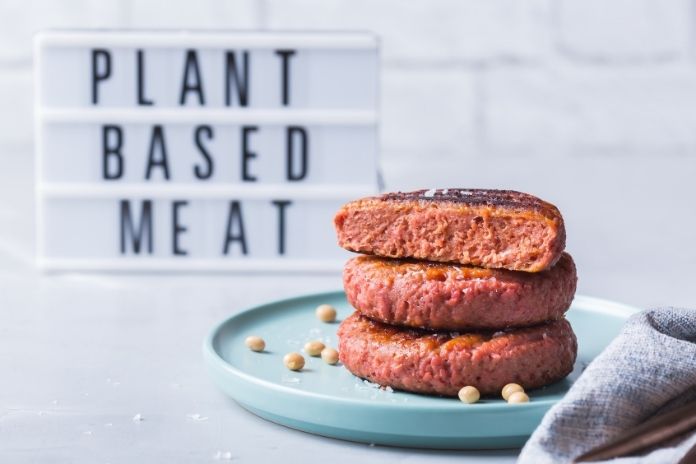
Compared to beans, lentils, tofu, or tempeh:
- Whole foods are less processed, cost less, and contain more nutrients.
- Beans and lentils offer fiber, iron, magnesium, potassium, and phytochemicals with no added sodium.
- Tofu and tempeh are high in protein, calcium (if calcium-set), and healthy isoflavones.
Plant-based meats can be a transition food, but should not completely substitute these whole food standards in a healthy diet.
Beyond Nutrition: Environmental and Ethical Considerations
Environmental Impact:
Studies often indicate that plant-based meats have a greatly reduced carbon footprint compared to beef.
- Beef production releases ~27 kg CO₂ per kilogram of meat.
- Beyond Burger releases ~3.5 kg CO₂ per kilogram, which is 90% lower
- Water and land usage are also considerably lower.
Ethical Appeal:
Many consumers love and prefer the guilt-free ability to have a burger without making a contribution to animal slaughter or factory farming.
Who Might Benefit Most From Plant-Based Meats?
Here’s a list of people who greatly benefit from plant-based meats:
- Flexitarians cutting back on red meat.
- People with high cholesterol or cardiovascular risk factors.
- Environmentalists worried about climate change and taking up eco-friendly initiatives.
- New vegans/vegetarians are craving comfortable textures in their transition journey.
- For pure vegans, whole foods (lentils, tofu) have better nutritional value.
How to Select a Healthier Plant-Based Meat
Here are a few quick tips that’ll help you choose the right plant-based meat:
- Check protein content and choose ≥15 g protein per serving.
- Watch sodium and opt for <400 mg per serving.
- See the fat source, such as avocado or canola oil, versions are preferable to coconut oil.
- Select fortified options, particularly if you don’t take supplements (check for B12 and iron).
- Serve with vegetables and whole grains for balanced sodium and nutrient density.
Tip: Don’t depend solely on these meat options. Consume them as part of a mixed diet, not your sole protein.
Conclusion: Healthier Choice or Just Hype?
They are not a nutritional miracle. But they do have some clear benefits over beef: no cholesterol, possibly reduced saturated fat, added fiber, and environmental advantages. And all this while their high sodium content, ultra-processed state, and price tag make them less likely to be a daily staple in many households.
So are they healthier?
They are healthier compared to beef, sometimes yes, particularly for cholesterol and saturated fat. Compared to whole plant foods, not really, beans, lentils, and tofu still have the edge on nutrition and price.
The best plan that you can choose is to use plant-based meat as a rare choice, particularly for reducing red meat. However, try to base your everyday diet on whole plant proteins for better long-term health.
References
- https://www.cancercouncil.com.au/1in3cancers/lifestyle-choices-and-cancer/red-meat-processed-meat-and-cancer/
- https://impossiblefoods.com/ca/blog/is-impossible-burger-good-for-you
- https://www.cbc.ca/news/business/beyond-meat-burger-beef-health-risks-1.5220777
- https://www.nutritionix.com/i/usda/beef-ground-80-lean-meat-20-fat-raw-4-oz/513fceb775b8dbbc210032b8
- https://openknowledge.fao.org/server/api/core/bitstreams/5277b379-0acb-4d97-a6a3-602774104629/content
In this Article