












Although your kidneys are essential for preserving general health, drug addiction may have a catastrophic effect on these key organs.
Each day, the kidneys filter around 200 liters of blood, removing approximately two liters of water, toxins, and waste products. They do this throughout the day. The kidneys generate red blood cells, control fluid levels, release hormones to regulate blood pressure, and support strong bones simultaneously.
According to recent studies, addiction is a significant contributing cause to the chronic renal disease that affects over 37 million Americans. You might be wondering if kidneys can heal themselves while you deal with the effects of substance usage.
Since diseases like high blood pressure, diabetes, and infections frequently put patients at risk, kidney health is a concern for many individuals. This article will discuss the limits of the kidneys’ ability to recover and what you can do to safeguard these essential organs before it’s too late.
Read More: Kidney Stones in Women: Why They’re Often Misdiagnosed as UTIs
How the Kidneys Normally Work
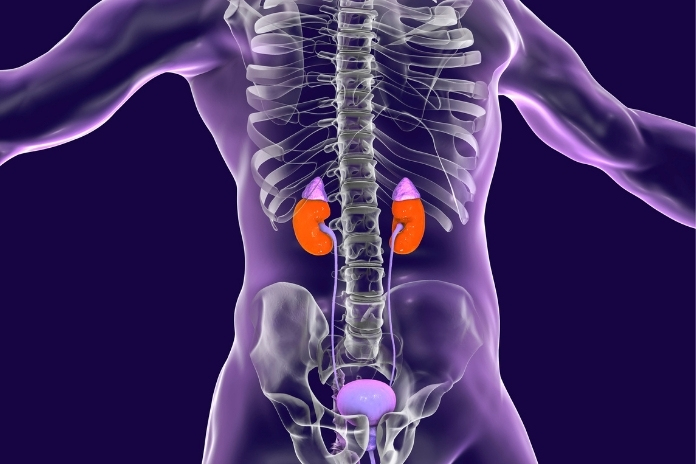
The kidneys are two bean-shaped organs. The two kidneys that most individuals are born with are around the size of an adult fist apiece. They are situated directly below the rib cage on either side of your spine. Although the kidneys are smaller in size, they perform numerous complex and vital functions that help keep the body’s systems in balance.
About half a cup of blood is filtered by healthy kidneys each minute, eliminating waste and excess water to create urine. Two slender muscular tubes, known as ureters, one on each side of the bladder, carry urine from the kidneys to the bladder. Your bladder stores urine. The urinary tract is composed of the kidneys, ureters, and bladder. For instance, kidneys
- Help your body rid itself of trash and extra fluid
- Filter the blood, retaining certain substances and eliminating others
- Aid in the production of red blood cells
- Maintain a balance of essential vitamins and minerals
- Assist in keeping your blood pressure stable
- Maintain healthy bones
Waste products and excess fluid are eliminated from your body by your kidneys. Your kidneys maintain a healthy balance of water, salt, and minerals (including potassium, calcium, phosphorus, and sodium) in your blood, and also eliminate the acid produced by your body’s cells. Your body’s muscles, nerves, and other tissues could not function properly if this equilibrium is lost.
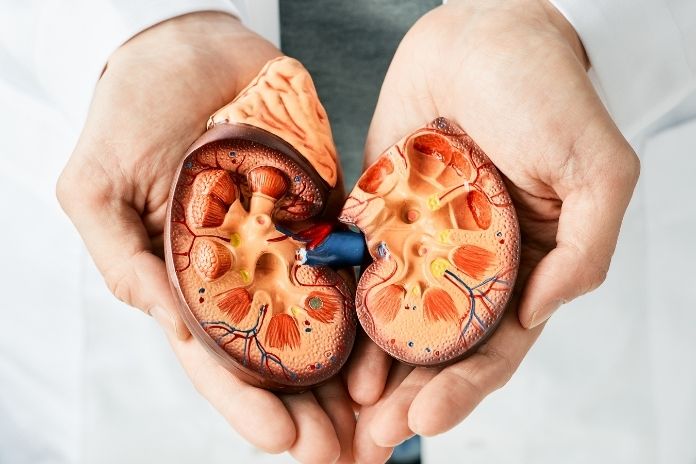
Your kidneys are composed of approximately one million nephrons, which serve as filtering units. Each nephron consists of a tubule and a filter, known as the glomerulus. The glomerulus filters your blood, while the tubule replenishes your blood with necessary chemicals and eliminates waste. It is how the nephrons function.
Can Kidneys Repair Themselves? The Science
People previously believed that kidney cells did not proliferate much after the organ fully developed, but recent studies show that kidneys constantly renew and repair themselves.
In contrast to other organs, such as the liver, the kidneys have a limited capability for self-healing.
Kidney function may occasionally improve on its own; however, this improvement mainly depends on the underlying cause and the degree of impairment. With the proper care and lifestyle modifications, minor kidney damage caused by dehydration or medication can occasionally recover.
Reversible Factors:
The kidneys are incredibly resilient to several forms of acute shock or damage. Among the possibly reversible causes are:
- Infections of the urinary tract
- Adverse effects of the blood pressure medicine
- Dehydration
Over time, treating the underlying problem might allow kidney function tests to return to normal ranges.
Damage That Cannot Be Fixed:
However, long-term drug misuse, diabetes, and high blood pressure can cause irreversible scarring and nephron (small filtering unit) loss. Often, you cannot undo this accumulated harm.
Changes in Lifestyle:
A kidney-friendly diet that is low in salt, protein, and potassium can help reduce the progression of chronic renal disease. Other healthy lifestyle changes include reducing alcohol consumption, quitting smoking, and engaging in regular physical activity.
Researchers at Cedars-Sinai have figured out why some damaged kidneys recover while others are scarred, which can cause kidney failure. Their research, published in the peer-reviewed journal Science, may lead to novel treatments for curing kidney scarring and non-invasive testing to identify it.
“The key to this discovery was our ability to directly compare injured kidney cells that successfully regenerated with those that did not,” said Sanjeev Kumar, MD, PhD, a nephrologist-scientist in the Board of Governors Regenerative Medicine Institute and the Department of Medicine at Cedars-Sinai and senior author of the study.
“Injured cells activate a protein called SOX9 to regenerate themselves. When they have healed, the cells silence this protein. Cells that aren’t able to regenerate leave SOX9 active, and this leads to a type of scarring called fibrosis. But when we deactivate SOX9 in a timely fashion, the scarring literally goes away.”
Although the SOX9 protein is not active in healthy adult kidneys, it plays a crucial role in organ development. In earlier research conducted at a different university, Kumar and colleagues discovered that the surviving cells in wounded kidneys reactivate SOX9 as a part of the healing process.
“At Day 10, some cells’ descendants were fully healed while others were not,” Kumar said. “The cell lineage that healed had switched off SOX9 expression, while the unhealed lineage, in a continuing attempt to fully regenerate, maintained SOX9 activity. It’s like a sensor that switches on when cells want to regenerate, and off when they are restored, and we are the first to identify this.”
Read More: Kidney-Approved Mediterranean Chicken Bake: Flavorful & Healthful
Acute Kidney Injury (AKI) vs. Chronic Kidney Disease (CKD)
Acute kidney injury can occur quickly, while chronic kidney disease develops over a longer time frame. A variety of diseases, conditions, and medications can lead to both acute and chronic kidney problems.
- Acute Kidney Injury
Acute kidney injury (AKI), formerly known as acute renal failure, is defined by a significant decline in glomerular filtration rate (GFR), accompanied by concomitant increases in serum creatinine (SCr), blood urea nitrogen (BUN), and electrolyte levels (Okusa and Rosner, 2023).
Promptly identifying and treating the underlying cause, such as providing fluids for dehydration or removing a nephrotoxin, can rapidly reverse acute kidney injury. Very often, acute kidney injury is due to severe infections, hemorrhage following major surgery or trauma, or specific drugs.
- Chronic Kidney Disease
Chronic kidney disease (CKD) occurs when kidney damage or a reduced GFR persists for more than three months. Evidence of kidney disease includes albuminuria, urine casts, abnormal kidney biopsy results, and abnormal imaging results. Chronic conditions like diabetes and long-term high blood pressure are the leading causes of chronic kidney disease (CKD).
CKD patients may present with signs and symptoms describing the decline in kidney function, such as malaise, nausea, edema, impaired mental status, or decreased urine output. It is caused primarily by chronic disease processes, such as chronic diabetes or chronic high blood pressure, that weaken and irreversibly injure the kidney over several years.
Scientific Advances in Kidney Regeneration

Chronic kidney disease (CKD) is an increasing public health challenge and currently affects almost 10% of the population worldwide. Factors such as diabetes, hypertension, and aging drive CKD. Regenerative medicine could eventually be used to treat chronic kidney disease (CKD), which can progress to end-stage renal disease that requires costly dialysis or transplantation.
The field of regenerative medicine within biomedicine includes efforts to replace, repair, or regenerate damaged organs and tissues. The use of gene editing, tissue engineering, and stem cell therapies all falls into the category of regenerative medicine, which aims to reinstate a dysfunctional biological system to its native state.
It is a critical field as it could potentially provide solutions for a host of pathologies, such as organ failure, degenerative diseases, and serious injuries that currently do not have effective treatments.
Given the rising prevalence of chronic kidney disease (CKD) and the drawbacks of existing treatment options like dialysis and kidney transplantation, regenerative medicine is essential to the area of kidney health.
Renal regenerative medicine, which is a new and exciting area of medicine, aims to help the kidneys heal themselves or generate new tissues to replace damaged ones. Renal regenerative medicine seeks to restore normal kidney function, rather than merely managing symptoms, as standard therapies typically do.
Two primary forms can achieve these types of regeneration:
- Intrinsic regeneration involves the natural ability of the kidneys to restore themselves from injury primarily through activating specific cellular mechanisms and mediators to promote the healing of the damaged renal tissue.
- Exogenous regeneration is a process in which the healing process is supported or augmented by providing new tissues or cells from outside the body. For example, damaged kidney tissue can be repaired, or even new kidney tissue can be created using stem cells.
Read More: The Link Between Hypertension and Kidney Health: What You Need to Know
How to Support Kidney Healing & Protect Function
There are many things you can do today to promote kidney health and prevent further damage, even as research continues to develop sophisticated regeneration therapies.
Since early CKD has no symptoms, you might not be aware that you have it. The sooner kidney illness is prevented or postponed, the better.
- Get checked frequently if you are at risk for chronic kidney disease. Find out from your doctor how often is best for you.
- If you have diabetes, your doctor will perform annual tests.
By avoiding or controlling diseases such as diabetes and high blood pressure that can harm the kidneys, you may protect your kidneys.
Make Wholesome Food Choices: Choose foods that are beneficial for your heart and overall health, such as whole grains, fresh or frozen veggies, low-fat or fat-free dairy products, and fresh fruits. Reduce intake of added sugars and salt and eat more nutritious meals. Aim to keep your daily salt consumption below 2,300 mg. Make an effort to consume fewer than 10% of your daily calories from added sugars.
Include Exercise in your Daily Routine: Spend at least 30 minutes each day being active. It’s always a good idea to consult with a healthcare provider about the type and amount of physical exercise that is safe for you if you aren’t already active. Consider these ideas to develop your fitness and make your life more active.
Set a Healthy Weight Goal: If you are overweight or obese, work with your physician or a dietitian to develop a safe plan to lose weight. After consulting with your healthcare provider, seek additional resources on physical exercise and weight control to help maintain motivation.
Explore ways to deal with Stress: Learning coping mechanisms, relaxation strategies, and stress management skills will improve mental and physical health. There are many ways to reduce stress, including physical exercise and mind-body techniques like yoga, tai chi, or meditation.
When Kidneys Can’t Repair Themselves
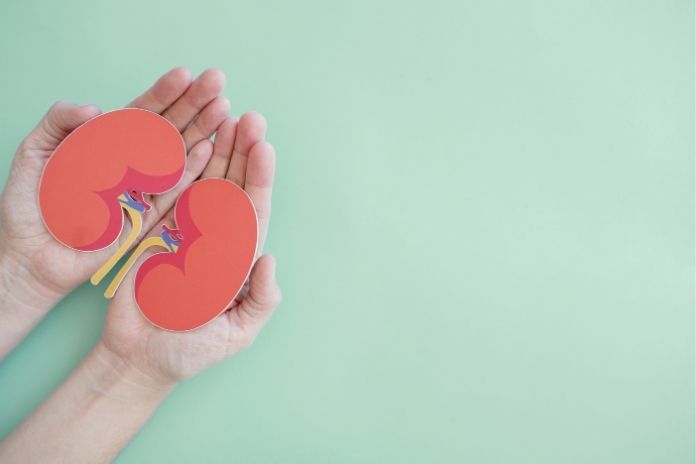
The kidneys are essential organs for removing waste from the bloodstream. Kidney cells, however, have a limited capacity for self-repair and regeneration compared to other organs.
If kidney function declines due to illness or an injury, the kidneys can no longer filter out waste, and the loss is irreversible. With every passing moment, the remaining healthy nephrons work harder to compensate for the loss, which increases the strain on the body and accelerates degeneration.
Kidneys can suffer tremendously from substance addiction, especially with alcohol, opiates, and other damaging chemicals. As nephrons die, waste builds up and disrupts the body’s metabolic balance.
- Alcohol is dehydrating and a diuretic, causing the kidneys to receive higher stress levels.
- Opioids and other chemically-based drugs can distort renal blood flow, leading to damage and possible increases in blood pressure.
Because kidneys are unable to heal themselves or regenerate, identifying and treating problems early, if possible, is essential. It may involve medications, dialysis, lifestyle changes, and transplantations to avoid end-stage renal failure, which can be life-threatening.
Read More: Kidney Stones: Types, Causes, Symptoms, and Diet
Conclusion
Your kidneys are remarkable organs, with a remarkable yet limited ability to heal themselves. The kidneys can often recover from acute injuries, such as infections or dehydration, once the underlying cause is addressed by a doctor.
But chronic injuries, such as those from diabetes, high blood pressure, or even chronic kidney disease (CKD), are usually permanent. Typically, treatment may only assist with symptom management and help prevent or slow the progression of insulin resistance or scarring.
Therefore, prevention and timely care remain the most effective ways to protect your kidneys. It could be the difference between controlling lifestyle risks, getting flagged for regular testing, and acting quickly when issues arise.
References
- https://www.kidney.org/news-top-5-tips-reducing-risk-kidney-disease
- https://med.stanford.edu/news/all-news/2014/06/adult-kidneys-constantly-grow.html
- https://www.kidneyresearchuk.org/2021/05/20/study-reveals-new-way-to-repair-damaged-kidneys/
- https://stemcell.keck.usc.edu/to-regenerate-the-kidney-please-dont-pass-the-salt/
- https://www.cedars-sinai.org/newsroom/new-cedars-sinai-study-pinpoints-why-some-injured-kidneys-do-not-heal/
- https://www.niddk.nih.gov/health-information/kidney-disease/kidneys-how-they-work
- https://www.kidney.org/kidney-topics/kidney-function
- https://researchers.cedars-sinai.edu/Sanjeev.Kumar
- https://www.cedars-sinai.edu/health-sciences-university/research/departments-institutes/medicine.html
- https://www.cedars-sinai.edu/health-sciences-university/research/departments-institutes/regenerative-medicine.html
- https://arupconsult.com/content/evaluation-acute-kidney-injury-ckd
- https://www.columbiadoctors.org/health-library/article/acute-kidney-injury-versus-chronic-kidney-disease/
- https://sheba-global.com/regenerative-medicine-opens-new-path-for-kidney-disease-patients/
- https://news.utdallas.edu/health-medicine/kidney-cells-self-renew-2023/
- https://www.shebaonline.org/new-path-for-kidney-disease-patients/
- https://www.niddk.nih.gov/health-information/kidney-disease/chronic-kidney-disease-ckd/prevention
- https://www.cdc.gov/kidney-disease/prevention/index.html
- https://www.kidney.org/kidney-topics/6-step-guide-to-protecting-kidney-health
- https://www.niddk.nih.gov/health-information/kidney-disease/chronic-kidney-disease-ckd/prevention
- https://www.cdc.gov/kidney-disease/prevention/index.html
- https://www.kidney.org/kidney-topics/6-step-guide-to-protecting-kidney-health
- https://www.medicinenet.com/can_a_damaged_kidney_repair_itself/article.htm
In this Article