















Healthy lungs are crucial to overall health. They work to bring oxygen into the body, which powers every cell, and remove carbon dioxide, a byproduct of metabolism. When your lungs are healthy, you breathe easily. When your lungs are not healthy, even the simplest activities like walking up stairs or short distances become exhausting.
In today’s age, increased air pollution, smoking, and more sedentary lifestyles have all caused more people to suffer from respiratory problems. Diseases of the lungs, like asthma, COPD, and pulmonary fibrosis, are on the rise globally.
Although only a doctor can provide a full and correct lung health evaluation, there are some easy tests you can take at home to gain a general sense of how well your lungs are functioning. These tests should never be used as a substitute for professional diagnosis, but can be a valuable first step towards recognizing problems early.
Read More: Top 10 Breathing Support Products to Enhance Lung Health Naturally
Why Monitoring Your Lung Health Matters
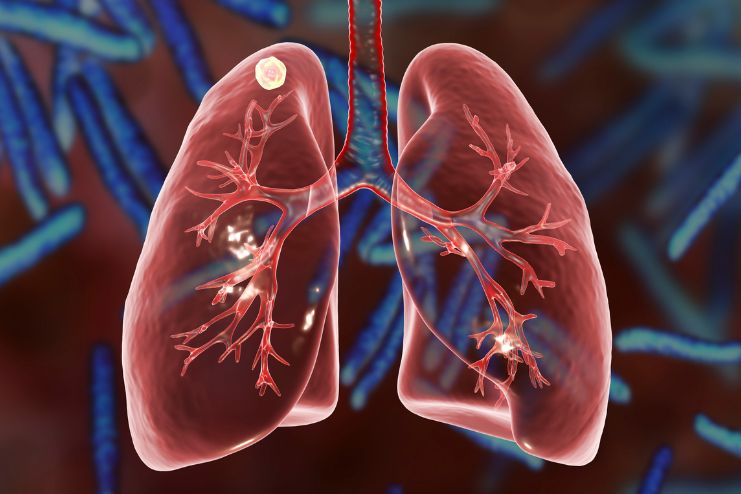
Your lungs oxygenate the blood and give out carbon dioxide. This oxygen is essential for your organs, muscles, and brain to work correctly. Even minor changes in the efficiency of your lungs can affect strength, energy levels, and overall well-being.
Early diagnosis of lung problems can significantly improve treatment results. Most respiratory disorders begin silently with symptoms that are simple to overlook. Early diagnosis can help reverse the damage through lifestyle changes, drugs, and pulmonary rehabilitation.
Risk factors that are common for compromised lung health include:
- Smoking and second-hand smoking
- Environmental allergens and air pollution
- Chronic diseases such as asthma, COPD, or heart disease
- Occupational exposures to dust, chemicals, and fumes
- Recurring respiratory infections in the past
If you are at risk for any of these, keeping a check on your lung function is especially necessary.
Simple At-Home Tests for Lung Health
These tests provide a rough estimate of your lung capacity and stamina. These do not replace medical tests such as spirometry or chest X-rays, but may help you notice trends over time.
1. Breath-Holding Test:

Breath-holding test is used to determine how long you can stop breathing.
How to do it:
- Sit or stand in a comfortable position.
- Breathe in deeply until your lungs are full.
- Hold your breath as long as possible without feeling uncomfortable.
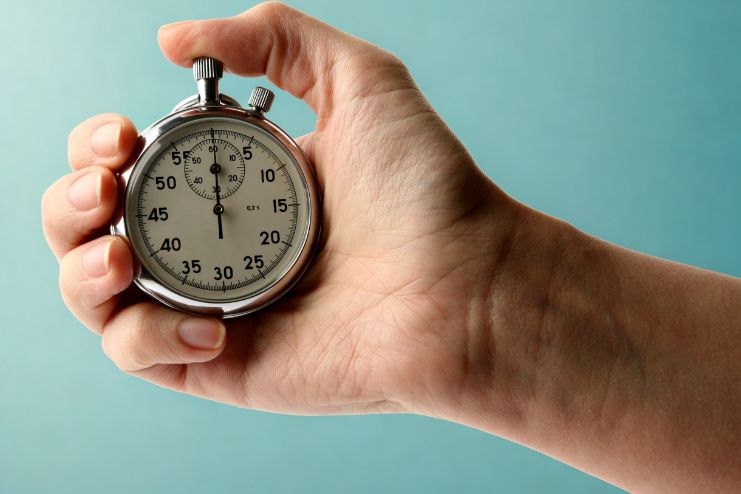
- Time the duration with a stopwatch or phone app timer.
What’s normal:
- Healthy adults typically hold their breath for 30 to 90 seconds.
- Athletes or individuals who are trained may hold their breath for more than 2 minutes.
When to worry:
If you can hold your breath for 20 seconds or less without discomfort, it may be an indication of decreased lung capacity or heart fitness.
Limitations:
The test is affected by fitness level, anxiety, and respiratory technique, so scores will fluctuate day to day. It is more useful as a personal comparison over time than a stand-alone indicator.
2. Peak Flow Meter Test:
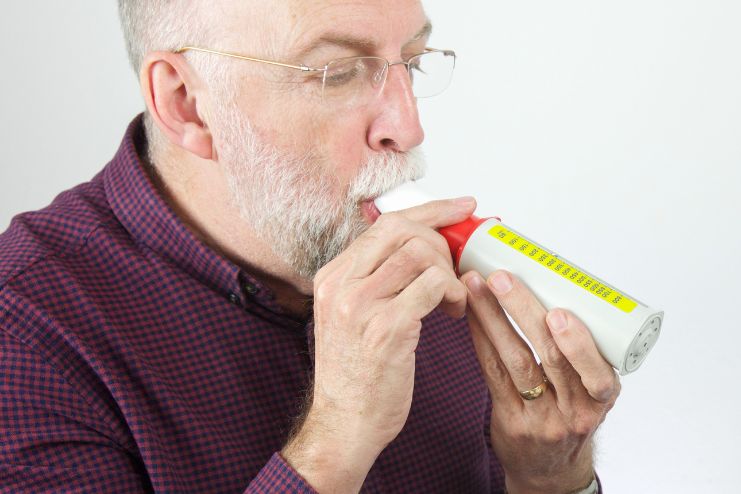
A peak flow meter estimates peak expiratory flow (PEF), which is how fast you can blow out air from your lungs.
How to use it:
- Start with a zero on the meter.
- Stand up straight and breathe in deeply.
- Close your lips tightly around the mouthpiece.
- Blow out as forcefully and quickly as possible in one breath.
- Note the reading.
- Repeat three times, and record the highest value.
Knowing PEF values:
- Normal results depend on age, sex, and height.
- Regularly declining values from your own best ones may indicate that the airways are narrowing, a typical sign of asthma and COPD.
When to monitor daily:
- When you have asthma, monitoring each day can identify flare-ups early, before symptoms become severe.
- People with chronic lung disease find monitoring helpful to report to their doctor.
Read More: Inhalable form of mRNA to treat lung diseases, new study suggests
3. Six-Minute Walk Test (6MWT):
This six-minute walk test evaluates both lung and cardiac endurance. It is practiced in clinic settings but can be modified for use at home.
How to do it:
- Select an even and safe place to walk indoors or outdoors.
- Set a 6-minute timer.
- Walk quickly but at a rate that you can maintain.
- Record the total distance walked.
- Be aware of the signs and symptoms of shortness of breath, lightheadedness, or chest tightness.
Indications of low lung strength:
- You need rest and a break before the 6 minutes are completed.
- Severe shortness of breath or oxygen saturation < 90% (if using a pulse oximeter).
- Travelling a much shorter distance than normal for your age group.
Clinical note:
In hospitals, oxygen and heart rate are checked before and after testing. With a pulse oximeter at home, one can get similar information. A decrease in oxygen saturation of more than 4% during the test must be reported to a healthcare provider.
4. Candle Blow Test:
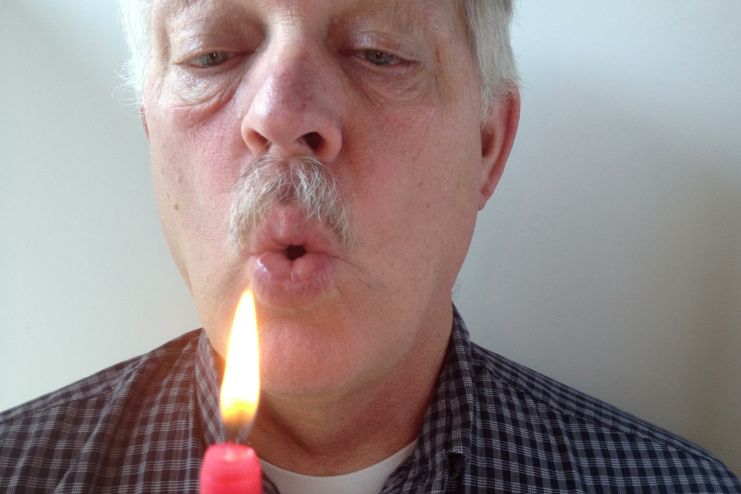
The candle blow test is a quick method of measuring expiratory strength. It involves how hard you can blow air from your lungs.
How to do it:
- Put a lighted candle 20 cm (8 inches) from your mouth.
- Breathe in deeply and attempt to extinguish the flame on one breath.
- Gradually increase the distance to make it harder.
What does it mean:
If you find it difficult to extinguish the candle at close range, it can signal compromised respiratory muscles or lessened lung capacity.
Limitations:
This isn’t an exact medical measurement, but it may be a low-tech, fun method of observing change in breathing strength over time.
5. Counting Test:

Another name for the counting test is the Single Breath Counting Test (SBCT), which tests how long you can talk after taking one breath.
How to do it:
- Take a deep breath in until your lungs are full.
- Count out loud in a regular speaking voice from one, as high as you can without a breath.
- Speak in a consistent rhythm, neither too quickly nor too slow.
What it might mean:
- A healthy adult is typically able to get up to 20 to 30 or more on one breath.
- Consistently lower numbers might indicate decreased lung capacity or compromised breath control.
Clinical significance:
Studies indicate SBCT is in sync with official spirometry values and may be used to detect respiratory compromise, especially in asthma and chronic obstructive pulmonary disease patients.
Read More: Breathe Better: Treating COPD Flare-ups and Identifying Triggers
Warning Signs Your Lungs May Need Medical Attention

Even when your home tests appear to be normal, you need to visit a doctor if you notice:
- Difficulty breathing during normal activities
- Persistent coughing that lasts longer than 8 weeks
- Wheezing or loud breathing
- Recurring respiratory infections
- Sudden chest pain
- Coughing up blood
These may suggest conditions like chronic bronchitis, asthma, COPD, pneumonia, or lung cancer.
Lifestyle Habits to Support Healthy Lungs

“Lungs at rest and during most daily activities are only at 50 percent of their capacity,” says Sujay Bangarulingam, MD, a Rush pulmonary medicine specialist who sees patients in Aurora. “Like the rest of your body, lungs thrive on movement and activity.”
Having healthy lungs is essential to maintaining overall health. With a few tips, you can maintain healthy lungs. You can promote and protect lung function naturally by:
- Not smoking and not exposing yourself to secondhand smoke. Smoking destroys lung tissue, narrows airways, and elevates cancer risk.
- Exercising regularly as cardio activities and weight training, promotes lung efficiency and breathing.
- Using breathing exercises such as diaphragmatic breathing and pursed-lip breathing builds up respiratory muscles.
- Being overweight, which is a healthy weight, makes breathing more difficult and raises the risk of sleep apnea.
- Try to breathe in clean indoor air. Use purifiers, ventilate rooms, and maintain houseplants that filter out toxins.
When to See a Doctor
Get medical help right away if:
- Your symptoms don’t go away or get worse even with home treatment
- You suddenly or severely have trouble breathing.
- You have an existing lung condition, such as asthma or COPD, and experience worsening symptoms.
- Your oxygen level is always less than 95% when resting
Bottom Line
Monitoring your lung function at home can alert you to changes while they are still mild. Basic items such as a peak flow meter, a timer, or even a candle can give you helpful information. They are screening devices, not diagnostic tests. The ideal plan is a balance of home monitoring and periodic medical visits, particularly if you have established risk factors or symptoms.
Making healthy changes, getting regular check-ups, and seeking immediate medical care are a few ways to save your lungs today. This will ensure that they continue to keep you breathing strongly for years to come. One test and you will get closer to having a healthier body.
References
- https://www.sreesankalpahospital.com/best-ways-to-keep-lungs-healthy-guntur-pulmonology-tips.html
- https://pmc.ncbi.nlm.nih.gov/articles/PMC10990392
- https://www.hansemerkurintl.com/home-lung-tests
- https://www.doctoroncall.com.my/health-centre/smoking-cessation/quit-smoking/test-your-lung-capacity-today
In this Article