










For those with end-stage kidney disease, a kidney transplant is frequently a life-saving alternative that offers the potential to restore kidney function and greatly enhance quality of life.
Even while the actual surgery is a significant turning point, the journey is only getting started.
It’s critical to understand what to anticipate both throughout and after the recovery process if you require a kidney transplant. Take anti-rejection medications, go to checkups, and lead a healthy lifestyle following a kidney transplant.
In addition to following kidney-friendly eating guidelines and avoiding infections and problems, patients must go through a recovery phase. This article offers a thorough overview of life following a kidney transplant, including the main phases of recuperation, important nutritional and lifestyle choices, the function of prescription drugs, and long-term care tactics.
Read More: Kidney Stones in Women: Why They’re Often Misdiagnosed as UTIs
The Immediate Recovery Phase (First Few Weeks)
Receiving a kidney transplant is a transformative experience. Your peace of mind and your chances of leading a long and healthy life with your new kidney are enhanced when you are aware of what to expect.
Kidney transplant surgery involves a healing and recovery phase, much like nearly any other surgical operation. As your body adapts to a new organ and new drugs, you may experience a wide range of physical and mental emotions during the post-transplant era. To ensure that you don’t jeopardize your health or your new kidney, you will also need to adhere to a self-care routine.
Most transplant patients stay in the hospital for around three to seven days after their surgery. Your needs and medical condition will determine how long you stay.
While staying in the hospital, you’ll be placed in a specialized transplant care unit. By the day after surgery, you’ll likely be able to move around slightly. Rarely, you will need to spend a brief period in the critical care before being transferred to the area dedicated to transplant care.
Following kidney transplant surgery, you can anticipate:
- Discomfort in your stomach.
- To stay in the hospital, where your care team and doctor can monitor you closely.
- To take immunosuppressive medications to prevent kidney rejection.
- Should take additional drugs to lower the chance of infection and other problems.
Following your release, you will require:
- Routine examinations for a few weeks. Depending on how far you reside from your transplant location, you might also need to make housing arrangements.
- Routine observation of your new kidney.
- Daily prescription drugs to avoid organ rejection.
Recovery in the Mid-Term After Transplantation (1-6 Months)
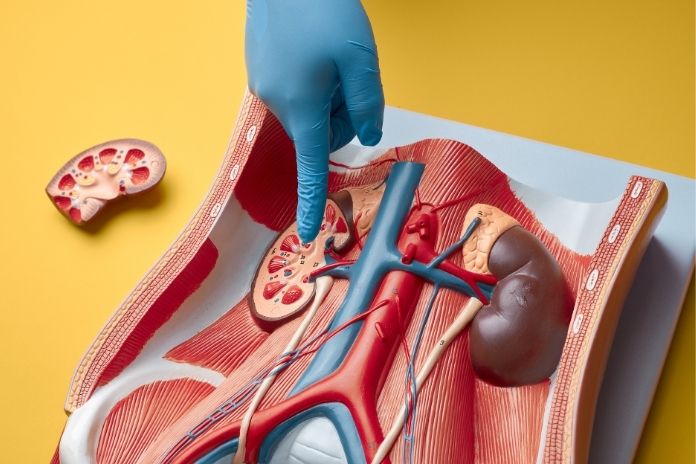
After a kidney transplant, the first six months are very crucial for adjustment and careful observation. To monitor kidney function, ensure appropriate recovery, and identify early signs of problems, patients undergo routine follow-up appointments and blood tests.
Stability and the long-term viability of the transplanted kidney become the leading primary concern throughout the first six months of mid-term post-kidney transplant recovery. To track the kidney function, modify medication, and identify any indications of rejection or problems, the patient continues to see the transplant team frequently.
The doctor urges the patient to progressively return to their everyday activities and engage in some moderate exercise to enhance overall health and fitness. Throughout this stage, post-transplant education remains essential as patients learn to maintain a healthy lifestyle, adhere to medication directions, and identify and manage any new health concerns. The mid-term recovery phase after a kidney transplant sets the stage for long-term success and a better quality of life with the new kidney.
Read More: Kidney-Approved Mediterranean Chicken Bake: Flavorful & Healthful
Signs of Organ Rejection to Watch For
A major concern following a kidney transplant is organ rejection. This occurs when the recipient’s immune system recognizes the new kidney as foreign and attacks it, leading to rejection. Recognizing early rejection helps determine when to act. Although the symptoms of kidney rejection can vary, some common ones include:
Unexplained Fever: An unexplained elevated temperature could indicate kidney rejection or an infection. Note that you can treat fever with antipyretics.
Decreased Urine Output: Abnormalities in urine color or an overall reduction in urination may indicate abnormalities occurring in the kidney.
Swells: Swelling of the hands, feet, ankles, or face as a result of kidney rejection can occur.
Elevation in Blood pressure: High blood pressure may also be a sign of a potential issue with the kidneys.
Elevation of Blood Creatinine Level: Routine blood tests involve measuring the amount of creatinine in the blood. A sudden rise in creatinine could indicate kidney rejection.
If a kidney transplant recipient experiences any of the above signs and symptoms or any other concerning signs and symptoms, they should contact their healthcare provider as soon as possible. Recognizing and treating early kidney rejection can ultimately allow for better long-term transplant success and the possibility of retention of kidney function.
Long-Term Lifestyle Changes for Kidney Health

Adopting and upholding healthy lifestyle practices is crucial for long-term kidney health following a transplant. It is essential to have a balanced diet with modifications made to promote renal function.
After a kidney transplant, adopting healthy lifestyle habits is crucial for your well-being and the longevity of the transplanted kidney. For instance, consuming a diet high in whole foods can help support kidney function.
Another strategy to prevent kidney problems is to drink lots of water. Maintaining proper hydration helps the new kidney function. Another lifestyle change to stay healthy and avoid blood clots following surgery is regular exercise.
Weight gain is a frequent issue following a kidney transplant. It is crucial to control weight with exercise and a nutritious diet. Preventing infections also requires frequent hand washing and avoiding sick friends and relatives.
Not merely short-term fixes, but long-term integration of these changes into everyday life is the aim. Transplant recipients can contribute to kidney protection for years to come by maintaining a consistent weight-loss strategy, active lifestyle, and nutritious diet.
Medication Management and Side Effects
Following a transplant, you will need to take numerous medications. While these medications can cause side effects, they play a crucial role in improving the chances of a successful transplant.
The most critical drugs you must take following a transplant are immunosuppressants. They aim to prevent the body’s immune system from battling the foreign kidney.
In an attempt to prevent your immune system from identifying the transplanted kidney as foreign, these drugs weaken it. For the rest of your life, you must take these drugs.
You may require pain medication in the days to weeks following the treatment to manage discomfort while you recover. To prevent harming the transplanted kidney, some medicines are prohibited.
Side Effect:
- Osteoporosis, or weakening of bones, can be caused by kidney illness and some immunosuppressive medications. It is especially true for postmenopausal women.
- After a kidney transplant, gaining weight is very common, especially during the first year. Certain medications, including prednisolone, have the potential to enhance appetite or cause weight gain.
- In the first three to six months following the transplant, patients with diabetes may find it very difficult to control their blood sugar levels. It is mainly due to the immunosuppressant drugs, which might increase your blood glucose.
- Some immunosuppressive medications might cause elevated blood pressure. Changing the dosage will usually fix this.
“Usually, a kidney transplant functions for about 15 years,” Dr. Urologist Jeffrey L. Veale, MD, says. He performs kidney transplant surgeries, directs the UCLA Kidney Transplantation Exchange Program. “If you get delayed tolerance, the transplant can—theoretically—function forever. The gift of the donor could last for the lifetime of the recipient.”
Read More: The Link Between Hypertension and Kidney Health: What You Need to Know
Emotional and Mental Health After Transplant

Undergoing a kidney transplant is an emotionally charged experience. While some patients experience extreme stress, guilt, and depression, others are ecstatic.
Your mood may occasionally shift as a result of the new drugs you’ll need to take during the transplant. If the transplant doesn’t go as you have planned, it can be a particularly challenging and stressful time for both you and your family.
Chronic illness management is challenging. Patients frequently experience mood swings, anger, anxiety, despair, guilt, emotional reactivity to difficult circumstances, and dependence on others.
Some patients experience pain, discomfort, loss of autonomy or independence, loss of privacy, body image issues, and financial burden. A lot of patients are anxious about leaving the hospital following surgery, living in a hotel or somewhere else away from home, and not knowing when they will get a transplant.
Following transplant surgery, patients may be concerned about infection, financial loss, and organ rejection. Additionally, certain types of drugs can cause impatience, mood swings, and even aggression. If you are concerned about side effects from a medication, ask the transplant team.
Maintaining your mental wellness is crucial. Some patients discover that they long for the personnel and people they spent a lot of time with before receiving their transplant. After a transplant, some people may have trouble having sex or in other relationships. For a particular kind of patient, returning to work can be very challenging. So suffering alone is not necessary for you.
Each transplant center will offer services to assist you. These consist of:
- Social workers can provide you with advice about your eligibility for benefits.
- Physiotherapists
- Occupational therapists
- Dieticians
- Pharmacists
Life Beyond the First Year
Numerous factor affects a kidney transplant’s long-term success. Following a transplant, you have three primary responsibilities for caring for your new kidney:
- To prevent your body from rejecting your new kidney, take all of your anti-rejection and other drugs as prescribed, in the appropriate amounts, at the correct times, every day.
- Consult your transplant team frequently. Keep your lab blood draws and checkups on time to ensure your kidneys are functioning as they should. And when in doubt, don’t hesitate to ask questions or voice concerns.
- Maintain a good, healthy weight, eat a balanced diet, get regular exercise, and, if necessary, give up smoking. Maintaining a good lifestyle helps reduce the risk of other issues such as high blood pressure, high cholesterol, and heart disease.
Read More: Kidney Stones: Types, Causes, Symptoms, and Diet
When to Call Your Doctor Immediately

After a kidney transplant, by being attentive to warning signs and being proactive, you will be in a better position to protect your new kidney. If you experience a fever, a sudden drop in urine output, or have severe pain that is unrelieved with your prescribed medications, you should call or see your doctor. These could be indicative of a serious problem that requires urgent treatment.
It is just as important to identify the possible signs of an organ rejection, including edema, unexplained weight gain, pain at the transplant area, or an increase in blood pressure. Your health professionals may perform the necessary tests and also initiate treatment quickly if you report these signs very early, potentially avoiding permanent damage.
Read More: 12 Ways To Maintain Good Kidney Health – Know The Dos!
Conclusion
If you are having end-stage kidney disease, a kidney transplant may offer you the opportunity to regain the independence you want, vitality, and improve your health. It’s important to understand that a kidney transplant is not a cure and requires ongoing care and careful monitoring throughout life. It requires intentional and healthy lifestyle choices, taking immunosuppressive medication, comprehensive medical follow-up, and knowledge of potential warning signs.
If you receive the proper care, many transplant recipients live active, fulfilling lives for decades. A balanced kidney-friendly diet, regular exercise, keeping a healthy weight, and avoiding infection are all essential. Regular exams and open communication with the medical staff will also help resolve any problems quickly.
References
- https://www.kidney.org/kidney-topics/life-kidney-transplant
- https://www.kansashealthsystem.com/care/specialties/organ-transplant/kidney-transplant/kidney-transplant-recovery
- https://www.freseniuskidneycare.com/thrive-central/what-to-expect-after-kidney-transplant
- https://utswmed.org/conditions-treatments/kidney-transplant/
- https://www.kidneyfund.org/kidney-donation-and-transplant/life-after-transplant-rejection-prevention-and-healthy-tips/recovery-after-transplant-surgery
- https://columbiasurgery.org/kidney-transplant/resuming-life-after-kidney-transplantation
- https://www.healio.com/news/nephrology/20210702/most-symptoms-improve-within-3-months-of-kidney-transplantation
- https://www.muhealth.org/conditions-treatments/urology/kidney-transplant/after-transplant
- https://www.nhsbt.nhs.uk/organ-transplantation/kidney/living-with-a-kidney-transplant/staying-healthy-after-a-kidney-transplant/
- https://health.ucdavis.edu/transplant/about/medications-after-kidney-transplant.html
- https://www.kidneyfund.org/kidney-donation-and-transplant/life-after-transplant-rejection-prevention-and-healthy-tips/mental-health-and-support-after-transplant
- https://www.nhsbt.nhs.uk/organ-transplantation/kidney/living-with-a-kidney-transplant/support-and-emotional-wellbeing
- https://www.myast.org/recipient-emotions
- https://www.kansashealthsystem.com/care/specialties/organ-transplant/kidney-transplant/kidney-transplant-recovery
- https://medschool.ucla.edu/news-article/kidney-transplant-requirements
- https://www.uclahealth.org/providers/jeffrey-veale
In this Article