













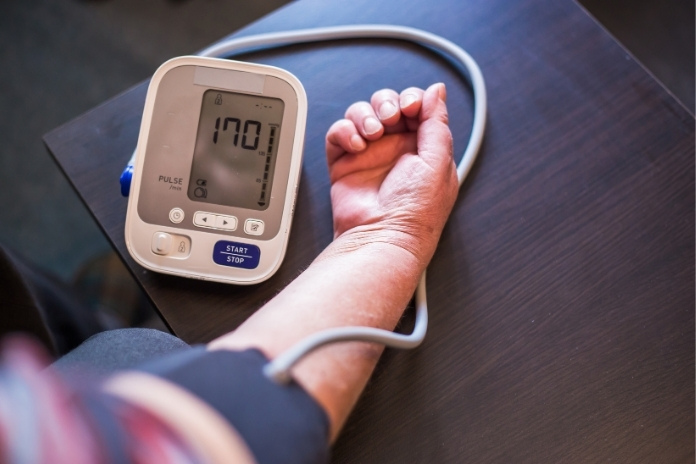
The first thing my doctor does when I visit him is check my blood pressure. It is a normal procedure followed in most of the clinics and hospitals. However, have you ever wondered why blood pressure reading holds so much importance? This is because your blood pressure readings are a mini health report for your arteries and heart.
For most, blood pressure readings are a formality at the doctor’s office. You sit, roll up your sleeve, and wait for the cuff to come undone. The results are announced, and if they’re not through the roof, the discussion promptly moves on. But the reality is that even tiny variations in your blood pressure can say a lot about your cardiovascular system, before symptoms appear.
It’s nicknamed the “silent killer” for a reason; you might be feeling just dull and still be heading toward potentially dangerous complications such as a heart attack, stroke, and even kidney damage. Conversely, blood pressure that’s too low can impair the delivery of oxygen to critical organs, resulting in dizziness, fainting, and even shock in extreme cases.
The good news? Once you get a sense of what those numbers mean, you can take charge. This article will simplify the basics, define what’s healthy, explain the dangers of high and low numbers, and offer everyday tips for maintaining a healthy blood pressure.
Read More: Pressure Monitors for Convenient Health Tracking
Understanding a Blood Pressure Reading
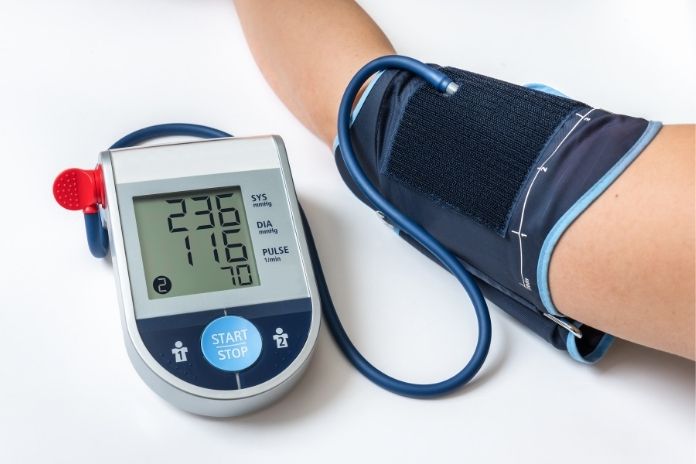
A typical blood pressure reading might be 120/80 mmHg. This reading is based on two important numbers:
- Systolic Pressure (Top Reading): This is how hard blood pushes against artery walls when the heart is pumping blood out.
- Diastolic Pressure (Bottom Reading): This is the pressure when the heart is not beating, so the chambers can refill with blood.
Both readings are reported in millimeters of mercury (mmHg), a medical measurement unit dating back to early pressure-measuring devices.
Why are both readings important?
Systolic pressure gives insight into how hard your heart is working with each beat. Elevated systolic pressure often reflects stiffening arteries, a common age-related change.
Diastolic pressure shows the resistance your arteries maintain even at rest. Constantly high diastolic pressure may signal a problem with the smaller blood vessels and is more common in younger adults.
One number can be misleading when viewed alone. One might have normal diastolic pressure but extremely high systolic pressure, or vice versa. That’s why both are always compared together.
Blood Pressure Categories (Based on the American Heart Association)
The American Heart Association (AHA) utilizes the following ranges to categorize blood pressure:
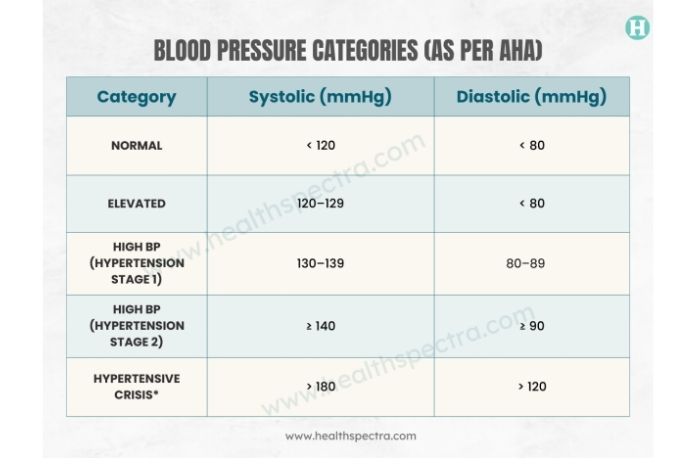 *A hypertensive crisis is a medical emergency that must be treated promptly. We advise you to visit the doctor soon in this situation.
What high numbers can mean:
- Hypertension: High blood pressure over the long term causes your heart to labor harder and wears out your arteries. This raises the risk of heart disease, stroke, kidney injury, and even dementia.
- Silent Nature: Most people with hypertension have no symptoms whatsoever, which is why regular screening is so crucial.
- Common Causes: A diet with high sodium intake and processed foods, an inactive lifestyle, obesity, chronic stress, genetics, smoking, alcohol consumption, and underlying conditions such as diabetes or kidney disease.
What Low Numbers Can Indicate
Consistently low readings of less than 90/60 mmHg may be a sign of hypotension. Although low blood pressure is harmless at times, it can result in symptoms that interfere with daily life or are indicative of underlying medical issues.
Symptoms to watch for:
- Dizziness
- Syncope attacks (a temporary blackout and unconsciousness, when there is low blood flow to the brain)
- Blurred vision
- Nausea
- Weakness or fatigue
- Shock, in some severe cases, is a life-threatening emergency.
Hypotension’s possible causes include:
- Dehydration, which is due to insufficient fluid in the body, decreases blood volume.
- Blood loss due to injury, surgery, or internal bleeding.
- Endocrine disorders, such as an underactive thyroid or adrenal insufficiency.
- Severe infection known as septic shock, which significantly reduces blood pressure.
- Heart issues, including abnormally slow heart rate, heart valve disorder, or heart failure.
- Medications, including certain antidepressants, medications for Parkinson’s disease, or high blood pressure medication, can lower blood pressure too much.
Read More: Targeted Thermal Therapy (Triple T): A Game-Changer in Managing High Blood Pressure
Why Both Numbers Matter
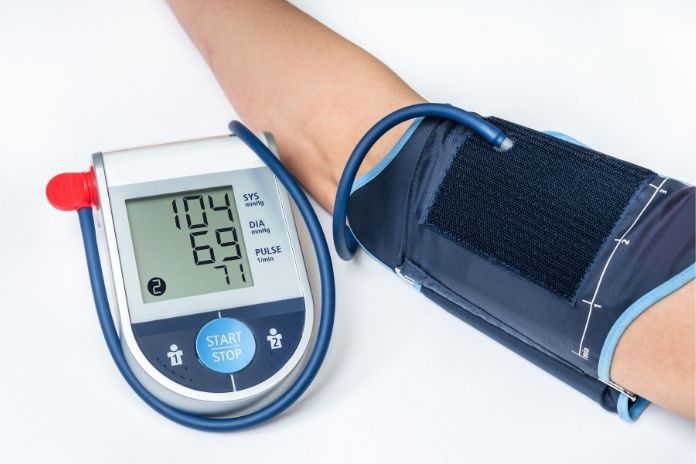
It’s tempting to just pay attention to the first number (systolic), but both numbers provide valuable information:
- Isolated Systolic Hypertension: Systolic figure is increased, diastolic figure is normal. This phenomenon is most common in the elderly as a result of hardening of the arteries and is associated with a greater risk of heart attack and stroke.
- Isolated Diastolic Hypertension: Diastolic figure is high, systolic number is normal. Though rare, typically found in young adults and can signal the onset of vascular changes or disturbances.
- Pulse pressure is a wide differential between systolic and diastolic measurements and may indicate stiff arteries; a small differential might suggest decreased heart function.
Factors That Can Bias Your Reading
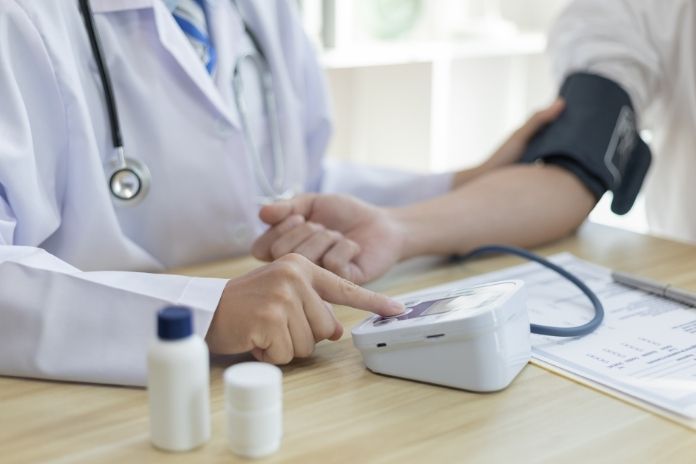
Blood pressure can fluctuate during the day, and some situations can drive your numbers up or down in the short term:
- Stress and anxiety, as stress stimulates the release of adrenaline, which raises blood pressure temporarily.
- Caffeine or nicotine can both cause short-term spikes. Avoid for at least 30 minutes before measurement.
- Incorrect cuff size or placement is when a cuff that’s too small can give falsely high readings; one that’s too large can give low readings.
- White coat syndrome, which is anxiety in medical settings, can cause higher readings at the doctor’s office.
- A full bladder can raise systolic pressure by up to 10–15 mmHg.
- Speaking or moving while taking a measurement. This may impact accuracy.
- Recent physical activity, such as exercise, elevates blood pressure for a short time, so delay at least 30 minutes before testing.
How to Monitor and Maintain a Healthy Blood Pressure
If you wish to keep a tab on your hypertension at home, here are a few at-home monitoring tips:
- Have a validated, automatic, upper-arm cuff monitor.
- Sit quietly for a minimum of five minutes before testing.
- Sit with feet flat on the floor and arms held level with the heart.
- Take two or three readings a minute apart and take the average.
- Read at the same time every day to be consistent.
- Maintain a written or electronic record to provide to your healthcare provider.
Apart from the above, try to have a balanced, low-sodium diet. One example is the DASH diet that helps lower blood pressure by emphasizing fruits, vegetables, whole grains, lean protein, and low-fat dairy.
Stay on the move, always. Aim for at least 150 minutes of moderate activity each week. Walking, swimming, or cycling keeps arteries healthy and blood pressure in control. Here is a quick list of general tips you can follow:
- Keep a Healthy Weight: Losing even a bit of extra weight can help.
- Limit Drinking: No more than one drink a day for women, two for men.
- Stop Smoking: Smoking harms blood vessels and raises the risk for heart disease.
- Control Stress: Practice relaxation strategies such as deep breathing, meditation, or yoga.
- Get Enough Sleep: 7–9 hours a night. Lack of sleep is associated with increased blood pressure.
Read More: 17 Ways to Lower Your Blood Pressure Naturally
When to seek medical attention:
- In case of repeated readings >130/80 mmHg
- Signs of hypotension, like fainting or extreme dizziness
- Sudden elevation of readings or hypertensive crisis levels (>180/120 mmHg)
- If there’s a risk of certain medications influencing your numbers
Final Thoughts
Blood pressure readings aren’t just numbers, but they’re a valuable window to your heart health. Both systolic and diastolic readings provide useful information that indicates how well the cardiovascular system is functioning.
By knowing your BP measurements, you can catch problems early, take steps to improve your health, and work with your doctor to avoid complications. Regular monitoring, along with healthy daily routines, can protect your heart for a long time.
References
- https://www.heart.org/en/health-topics/high-blood-pressure/the-facts-about-high-blood-pressure
- https://www.fda.gov/drugs/special-features/high-blood-pressure-understanding-silent-killer
- https://www.ncbi.nlm.nih.gov/books/NBK482189/
- https://www.medanta.org/patient-education-blog/low-blood-pressure-symptoms-causes-home-remedies
- https://www.heart.org/en/health-topics/high-blood-pressure/understanding-blood-pressure-readings
- https://www.tuftsmedicarepreferred.org/healthy-living/blood-pressure-numbers
In this Article