















If you have ever experienced a toothache, you must be aware of how excruciating it can be. However, have you ever thought about the source of its discomfort? It can be the result of a growing mouth or cheek abscess, a painful and dangerous dental ailment.
Even though it may not look like much, a mouth or cheek abscess can cause a serious problem for oral health if you ignore it.
Dentists always recommend that patients be aware of the stages of an abscess, including symptoms, progression, and treatment associated with each stage.
Treatment results can be significantly impacted by identifying any warning signals, which include acute tooth sensitivity, a persistent unpleasant taste in the mouth, or redness of the gums.
The purpose of this article is to provide information on the causes, signs, and available treatments for early-stage cheek and mouth abscesses. It’s crucial to understand the subtleties of this condition, as doing so may enable you to seek prompt dental care and possibly avoid serious complications.
Read More: Why Does the Roof of My Mouth Hurt? Causes, Remedies, and Red Flags You Shouldn’t Ignore
What Is an Oral Abscess?
A pus-filled pocket that develops inside bodily tissues is called an abscess. Abscesses are caused by a localized infection, usually bacterial, in the abscess formation site. Inflammation and edema typically accompany them. Abscesses that affect the teeth and surrounding jaw tissue are known as dental abscesses. A dental abscess can also form at the root of a tooth or in the space between the gums and the teeth.
Viewing images that show the stages of a tooth abscess can help you understand and recognize them better. The many kinds of abscesses are as follows:
Periapical Abscess: Typically, this kind of dental abscess forms at the tip of the tooth’s root. Advanced tooth decay often leads to periapical infections that affect the pulp, the innermost part of the tooth.
Periodontal Abscess: This type of dental abscess develops on the gums next to a tooth’s root. It frequently results from pockets of germs that have formed between the teeth and the gums due to severe gum disease.
Gingival Abscess: This type of dental abscess develops solely in the gum tissue and does not impact the tooth or the periodontal ligament.
Chronic Abscess: Unlike other types, chronic dental abscesses grow gradually and can cause pain for an extended period. Although they require dental care, they are typically less severe.
Acute Abscess: Because it causes a severe, sudden-onset toothache, this kind of dental abscess typically necessitates an emergency response. Treatment for an acute infection must begin right away.
Early Stage Signs of an Abscess in the Cheek or Mouth
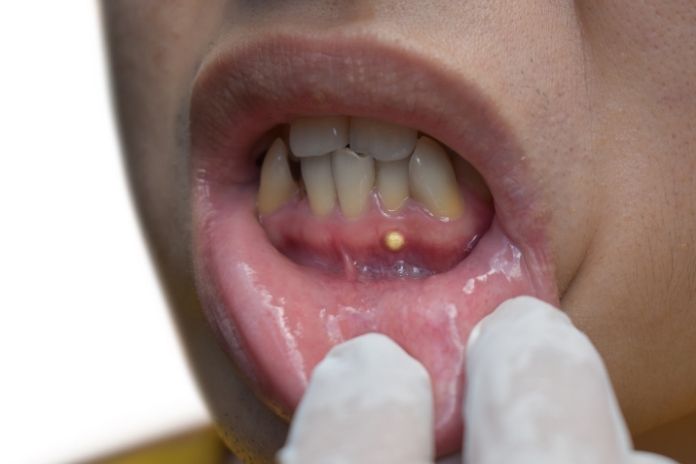
At first, a cheek or mouth abscess can present fairly subtle symptoms that people should not take lightly.
Bad Breath: Bad breath is the most significant and severe symptom of an impending abscess. In some instances, it may also be accompanied by an unpleasant or bitter taste in the mouth. Persistent and unusual bad breath typically results from an infection, and it manifests as an abscess. When pus continues to grow in the pockets, the poor environment creates a foul smell and taste. It eventually provokes bacterial growth.
Face or Cheek Swelling: Swelling on the face or cheeks may result from a tooth abscess, sometimes. It occurs when the virus infects other tissues and causes them to swell and become inflamed.
Pain and Bleeding on the Infected Site: Two of the age-old symptoms of dental abscesses are pain and bleeding. When you apply pressure or bite on it, you may experience a throbbing, shooting, or persistent ache that comes and goes. Bleeding at the site of infection is also possible. When the abscess ruptures, you may have bleeding along with an awful taste and smell.
Pain on Chewing or Biting: Chewing or biting pain or discomfort is another symptom of an abscess. It is usually the outcome of pressure from chewing on the infected tooth, which causes the infection to worsen and the pain to become unbearable.
Sensitivity of Hot or Cold Food and Drink: Having an abscess will probably make you sensitive to hot and cold foods and beverages. It is because infection sensitizes your tooth’s nerve endings, rendering them more sensitive to extremes of heat and cold.
Fever and Loss of Appetite: Individuals may experience fever and loss of appetite as the abscess develops. It will usually involve other visits to the dentist for draining or treating the abscess, including antibiotics.
Enlarged or Painful Lymph Nodes at the Back of the Neck or Jaw: Your lymph nodes at the back of your neck or jaw might become painful or swollen in the event of an abscess, since these nodes drain and cleanse your face and mouth secretions. When infection occurs, they might even become inflamed naturally to combat the bacteria.
Read More: 11 Ways to Heal Cracked Mouth Corners & Relieve Pain!
What Causes an Abscess to Form in the Mouth or Cheek?
Plaque is a sticky layer that forms on your teeth as a result of the bacteria present in your mouth.
The bacteria in plaque release acid, which can damage your gums and teeth unless you brush your teeth frequently, potentially leading to gum disease or tooth decay. All of these things can increase your chance of developing a tooth abscess:
Dental Decay and Cavities: Dental caries is also one of the leading causes of cheek abscesses in the mouth. When decay advances, it can extend to the tooth pulp, which is a perfect breeding ground for infection that can accumulate to form an abscess. The situation is also most likely to escalate if cavities are left untreated.
Gum Disease: Another likely cause of cheek tissue abscesses, clinically referred to as periodontal disease, is gum disease. As periodontal disease advances, a pocket of infection can form on the gum tissue and extend to the surrounding areas, and become an abscess.
Trauma or Injury: Infection from germs introduced by trauma or injury to the mouth-cheek area can develop. It highlights the necessity of responding instantly, particularly in the event of minor accidents.
Overindulgence in Sweet Foods and drinks can cause decay and lead to the formation of germs in plaque, potentially resulting in abscesses.
Having a Compromised Immune System: This involves patients who are receiving treatment, like chemotherapy or steroid medication, and those with some underlying medical condition, like diabetes.
Why Early Stage Abscess Shouldn’t Be Ignored

About 40% of American people experience dental discomfort annually, and over 25% have an untreated cavity that has been identified, according to the Centers for Disease Control and Prevention. Tooth decay is one of the most prevalent chronic medical diseases in both children and adults, and it is a common source of tooth pain.
A dental abscess is an infection that occurs in the gums or in the teeth. A dental abscess left untreated will be harmful in several ways, similar to an infection elsewhere in the body. Tooth abscesses can be particularly dangerous.
Most individuals learn they must undergo treatment for an abscessed cheek or mouth when the pain becomes unbearable and interrupts their regular activities. However, others choose to suffer in the hope that the problem will go away on its own.
People should not take a tooth abscess lightly. If not treated, the infection could migrate from the tooth to the surrounding soft tissue, bone, and even the blood, resulting in severe outcomes. Neglecting a dental abscess can result in the following consequences:
- Severe swelling and pain that becomes worse with time
- Loss of teeth because the virus destroys the supporting bone
- Infection that spreads to the sinuses, jaw, or other facial regions
- Bacteria enter the circulation in sepsis, a dangerous illness
- In severe cases, swelling might restrict the airway
- A tooth abscess does not heal without intervention, so seeking prompt treatment is crucial
“Many people, young and old, take medications that cause dry mouth,” says Deanne Wallaert, a public health dental hygiene practitioner at the University of Pennsylvania School of Dental Medicine, “and that puts them at an increased risk of getting cavities because of that lack of saliva.” This can mean an increased risk for abscesses.
Read More: Metallic Taste In Mouth – Know The Causes And How To Prevent It
How to Treat an Early Stage Abscess
In its early stages, doctors focus treatment for a mouth or cheek abscess on eliminating the infection, alleviating pain, and preserving your oral health. The abscess treatment could include:
Antibiotics for the Abscess: Doctors typically provide antibiotics to help eliminate the infection caused by the abscess. Patients must take entire course of antibiotics as prescribed for effective results. Additionally, doctors may combine antibiotics with other treatments.
Drainage of the Abscess: You may require an incision to drain a tooth abscess. Draining pus and relieving the pressure helps the tooth abscess heal. It will require the dentist to create a small incision in the gums or tooth and allow the pus to escape from your bite.
Once the dentist drains the abscess, they clean and flush out the area and may prescribe antibiotics to reduce the onset of an infection. Please don’t attempt to treat a tooth abscess yourself, as it can lead to secondary issues and allow the disease to spread.
Root Canal Treatment: If the infection connects to the abscess, dentists may recommend root canal therapy for the affected teeth. This procedure aims to preserve the tooth while also treating the abscess and restoring its appearance and functionality.
Tooth Extraction: Dentists consider tooth extraction a last resort after trying all other options or if the tooth is severely damaged. In this straightforward procedure, the entire tooth—including its roots—is removed. The dentist may prescribe pain medication and offer guidance on proper post-extraction care to prevent infection and promote healing.
Rinsing with Warm Salt Water: It is a simple at-home remedy that can help reduce inflammation and pain in the affected area. It can also aid in preventing infection by keeping things clean.
Read More: 15 Effective Natural Remedies for Mouth Ulcers You Need to Try Out
When to Seek Emergency Help
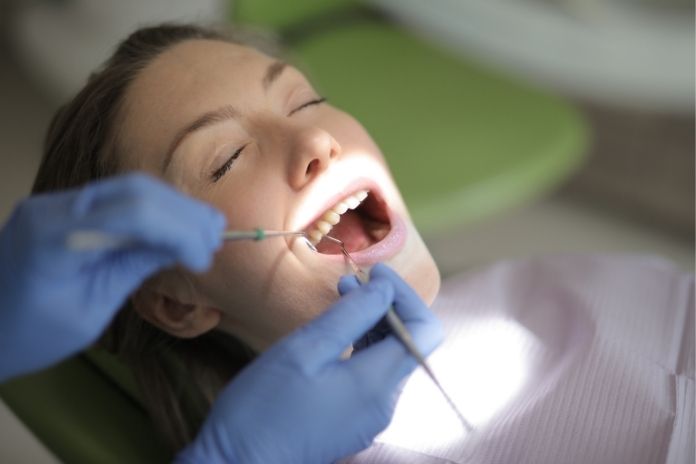
If a mouth or cheek abscess is painful or swollen, you may wonder if a general dentist can treat it. It’s true in some cases, but if your symptoms are severe, you need an emergency dentist so that you can get treatment quickly and stay out of trouble.
If you believe you may have an abscessed tooth, get help immediately. Avoid waiting for the pain to get worse. Even if the pain subsides, the infection might still be present and spread. Contact your dentist if you experience any of the symptoms listed above, or if you notice any unusual swelling, discharge, or discomfort. The steps a dentist takes to treat an abscess are as follows:
- Use X-rays and a clinical examination to determine the severity of your abscess.
- Release the abscess by draining it to alleviate pressure and eliminate the infected pus.
- If required, prescribe medications to manage the infection.
- Extract the tooth or perform a root canal if you cannot save it.
How to Prevent Mouth and Cheek Abscesses

Routine dental exams and good oral hygiene can help you avoid dental abscesses, although sometimes they are unavoidable. These methods can help lower your chances of developing an abscess:
- Brush and floss at least twice daily with a fluoride toothpaste
- Regularly visit your dentist for cleanings and exams
- Always treat cavities and gum diseases before they get worse
- Cracks may result from chewing on any hard object or using your teeth to open any item
Taking good care of the teeth and gums can significantly lower the risk of developing a tooth abscess or other oral health issues.
Read More: Causes of Blood Blister in Mouth and Treatment
Conclusion
Treating a mouth or cheek abscess early on is extremely important for your oral health. By identifying the symptoms, getting the proper dental help when needed, and following their treatment guidelines, you can protect your health by preventing further dental procedures.
The abscess phases can go from mild tooth pain to an emergency dental infection if you don’t have proper treatment on time. If you think you have a dental abscess, with tooth pain, swallowing difficulties, and facial swelling, there is no shame in seeking timely and excellent further dental treatment from a trained dentist!
It’s always best to have a dentist evaluate symptoms early instead of waiting until they escalate into a dental emergency. Remember that abscesses can start small and escalate quickly, becoming dangerous. If you notice any of the signs, do yourself a favor and seek immediate dental treatment now, for your oral and general health!
References
- https://ada.com/conditions/dental-abscess
- https://tenczadental.com/navigating-tooth-abscess-stages
- https://yoursonrisa.com/early-stage-mouth-cheek-abscess-causes-symptoms-and-treatment
- https://my.clevelandclinic.org/health/diseases/22876-abscess
- https://www.nhsinform.scot/illnesses-and-conditions/mouth/dental-abscess
- https://www.nhs.uk/conditions/dental-abscess
- https://www.legacydentalsa.com/early-signs-of-dental-abscess
- https://www.faceandjawsurgery.com/the-dangers-of-ignoring-a-dental-abscess
- https://myvibedentistry.com/dont-ignore-an-abscessed-tooth-heres-why-timely-treatment-matters
- https://www.langmoredental.com.au/dental-abscess-why-you-shouldnt-ignore-this-dangerous-infection
- https://www.cdc.gov/oral-health/data-research/facts-stats/fast-facts-cavities.html
- https://mypenndentist.org/dental-tips/2023/08/21/tooth-abscess-swollen-face
- https://www.linkedin.com/in/deanne-wallaert-61477826
In this Article