
















Everyone aspires to lead a long, healthy life.
If there were a cheat sheet to assist in making it happen, wouldn’t that be fantastic?
That may have been the case when National Geographic explorer Dan Buettner and his group of anthropologists, scientists, and demographers started researching the areas of the world where people live the longest.
The team, which came up with the name “Blue Zones,” has written books, presentations, and journal papers sharing their findings regarding the longest-living populations in the world.
The finest aspect? To get the benefits, you don’t need to relocate across the globe. Inspired by these longevity hotspots, you’ll find in this article useful, doable advice — minor adjustments that can improve your health, increase your vitality, and enable you to flourish at any age. It turns out that daily decisions are the first step toward longevity.
Read More: Spiritual Wellness: 8 Daily Habits for Nurturing Your Soul
What Are Blue Zones?
The world’s “blue zones” are regions where people routinely live to be 100 years old. In comparison, the CDC reports that the average life expectancy in the United States is currently 77 years.
“And it’s not just about longer lives, it’s about healthier ones, too,” says Caitlin McAfee, a wellness dietitian at Houston Methodist. “People living in Blue Zones are also much less likely to suffer from chronic illnesses.”
Journalist and explorer Dan Buettner collaborated with National Geographic and a group of academics and demographers in 2004 to study areas of the world where people live long, healthy lives with a high standard of living. The group conducted data analysis and spoke with a large number of centarians (those who were 100 years of age or older) across various locations.
In five regions identified by researchers as longevity hotspots—known as ‘Blue Zones’—these so-called ‘pro-agers’ enjoy long, fulfilling lives with a much lower risk of chronic illnesses such as cancer, dementia, and heart disease. The five Blue Zone locations include:
- The longest-living males in the world reside in Sardinia, Italy.
- The longest-living ladies in the world reside in Okinawa, Japan.
- Seventh-day Adventists in Loma Linda, California, live ten years longer than the typical American.
- Ikaria, a small island in Greece, is known for having remarkably low rates of many common chronic diseases.
- People in Nicoya, Costa Rica, have a more than twofold chance of living to be 90 years old compared to Americans.
“These are the original Blue Zones,” says McAfee. “Since this time, though, the Blue Zone principles have been used to create healthier communities across the U.S., including in other parts of California, Oregon, Minnesota, and our Texas neighbor, Fort Worth.”
Habit 1: Move Naturally Throughout the Day
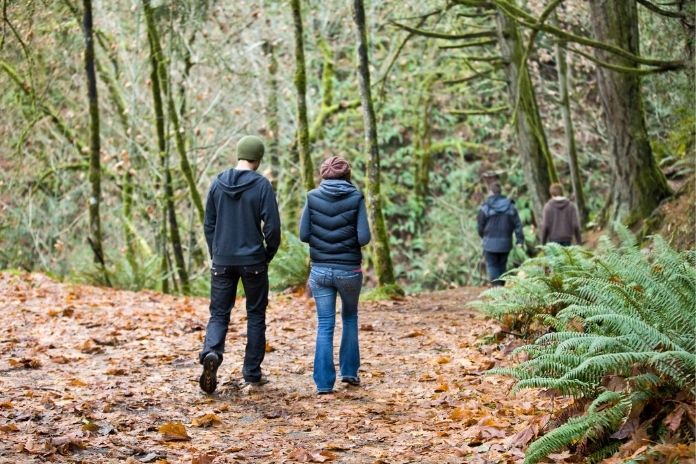
People in the Blue Zone don’t just run marathons or go to the gym. Instead, they naturally get up every twenty minutes or so and engage in some enjoyable activities. Moving around the house, taking a stroll, gardening, or using the stairs are all considered forms of activity.
Whether it’s taking the dog for a walk, going to see a friend, or simply strolling about the house, most individuals can easily incorporate walking, which is a common feature of all Blue Zones. Discuss what kind of movement you can perform with your healthcare physician, even if you have physical limitations.
Habit 2: Live With Purpose

While it may seem the simplest, mastering it can be the most challenging. In today’s environment, finding a fulfilling and significant life purpose is more difficult than it may seem.
However, studies have discovered that it extends life expectancy by at least seven years, and centenarians will tell you that it’s one of the most crucial components to live a long, healthy life.
Scientists believe that the main reasons are attitude and stress.
Staying grounded in life is facilitated by understanding what your ultimate mission is. It suggests that you will be better prepared to face life’s challenges and won’t have to worry about all the little things. It reduces the body’s level of cortisol.
Researchers most commonly link this hormone to addictive and self-destructive behaviors like binge drinking, eating, drug use, watching television, and leading a sedentary lifestyle.
Read More: Mindfulness in Daily Life: Small Habits for Greater Peace and Presence
Habit 3: Downshift to Manage Stress

Life will inevitably include stress. But it may even be beneficial in the short run. But our health may suffer if that stress lasts for days, weeks, or months at a time.
If we fail to pause or step back from stress, our cortisol levels will keep climbing.
Every day, our longevity heroes take time for their self-care. In this way, they avoid dramatic highs and lows that lead to unhealthy behavior in our daily lives by taking a break before their stress builds up.
In the Blue Zones, many centenarians have mastered effective ways to manage and relieve stress. Even though they still feel stressed, they will take a nap, attend happy hour, or pray.
Always look for things that will help you deal with stress. This could involve setting up a weekly phone chat with a friend or making time for a walk each day.
Habit 4: Follow the 80% Rule

Regularly eating until they are around 80% full, with a larger breakfast and lunch and a smaller supper in late afternoon or early evening, is another way of thinking that is prevalent in Blue Zone communities. On holidays or other important events, they may feast or celebrate with larger meals. A long-term weight loss and management can be achieved by Americans using this method.
“Hara hachi bu” – the Okinawan, 2500-year-old Confucian mantra said before meals, reminds them to stop eating when their stomachs are 80 percent full. The 20% gap between not being hungry and feeling full could be the difference between losing weight and gaining it. People in the blue zones eat their smallest meal in the late afternoon or early evening, and then they don’t eat any more the rest of the day.
Habit 5: Eat Mostly Plants
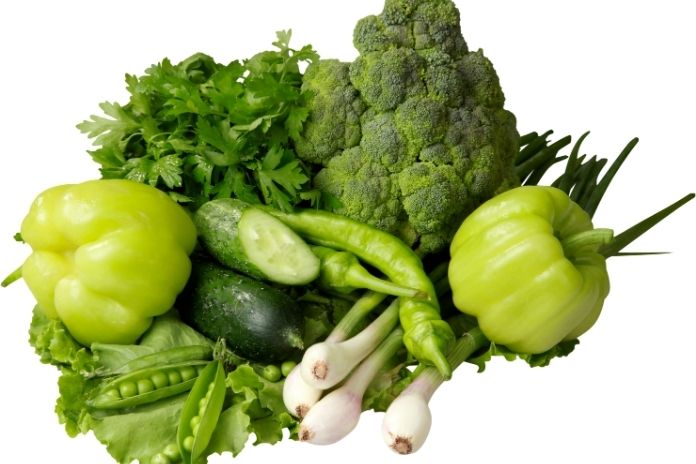
A palm-sized portion of meat is usually consumed once a week by Blue Zone communities, who eat little in the way of meat, poultry, seafood, eggs, or cheese. Most meals and snacks in the Blue Zones follow a “plant-slant” approach, featuring beans, whole grains, vegetables, and fruits as the main ingredients.
Reducing animal protein intake and boosting plant-based diets can help you lower the risk of heart disease, cancer, and other illnesses. Black beans, chickpeas, lentils, and tofu are examples of plant foods that nonetheless contain protein.
Read More: Embracing You: 7 Steps to Practice Body Neutrality Daily
Habit 6: Drink in Moderation (Mostly Wine)

In four of the five Blue Zones, people unwind and connect socially by sharing a glass or two of wine each day with friends over a meal.
You can also treat yourself to an evening glass of wine if you wish! Moderate drinkers outlive heavy drinkers and those who abstain from alcohol, according to research.
The majority of people living in the Blue Zone consume modest amounts of alcohol, ideally red wine, which includes resveratrol, a healthy substance.
Just make sure you don’t have more than two glasses each day. Additionally, keep abstaining from alcohol if you are aware that it causes problems for you.
Habit 7: Belong to a Faith Community

The majority of residents in the Blue Zones are part of civic or religious communities. Finding a church or community center, volunteering, or taking lessons can all help those who are lonely make new friends. Developing relationships with other people is a key component of improving general mental and physical health.
As long as you are attending any services with some like-minded individuals, your denomination is irrelevant. Attending religious services regularly is linked to an additional 4–14 years of life expectancy.
The goal is to become part of a community and build enduring relationships with people so that you can rely on them to support you when you step away from your own life to help others.
Habit 8: Put Family First

Many tribes had the trait of having several generations living nearby or together and actively participating in each other’s lives—the elderly gain from this regular or everyday connection between generations, not only the young.
Families, especially spouses, seniors, and children, are prioritized in Blue Zone communities. Maintaining and caring for loved ones fosters a strong family community and overall wellness.
Children benefit from having grandparents living with them, according to research. In Blue
Zones, forming a lifelong partnership is a common choice, and this commitment is linked to increased life expectancy.
Read More: Crystal Healing 101: Harnessing the Power of Gemstones for Wellness
Habit 9: Nurture Social Circles

According to the Blue Zones, having a supportive social network is crucial for improving general health. Examine your social circle and ensure that your friends encourage healthy behaviors. Having pals you can call in case you’re having a rough day is also crucial.
People who live in the Blue Zone are usually part of a social group that encourages healthy conduct. You’ve undoubtedly heard that the five people you spend the most time with shape who you are. Because some behaviors, like smiling and laughing, are contagious, you may feel happier and happier overall if you build an extensive social network of like-minded people.
If your social circle is not strong, consider joining a church or group where you can meet like-minded individuals.
How to Incorporate Blue Zone Habits Into Your Life
It takes time to completely change a lifestyle to embrace the longevity secrets of the Blue Zones. The best changes are very gradual and slight. The following advice may help you get started:
Choose One or Two Habits First: Rather than attempting to include all nine Blue Zone principles at once, pick one or two that seem the most manageable. For instance, consider increasing your intake of plant-based foods or starting to walk more.
Create a Natural Movement: Seek for chances to be active without “working out.” Take the stairs, walk to conduct errands, or take care of your yard.
Put Sustainability Above Perfection: The secret to lasting success lies in being consistent rather than following rigid rules. It’s always okay to miss a day; then get back on track.
Establish a Supportive Environment: Surround yourself with people and places that foster healthy decision-making, such as friends who enjoy outdoor activities or a kitchen stocked with nutritious foods.
Read More: Wellness Travel: Destinations That Prioritize Your Mind and Body
Conclusion
Blue Zone behaviors demonstrate that making small, essential decisions each day is what leads to longevity rather than rigorous diets, taxing workouts, or any intricate routine. The longest-living individuals in the world naturally incorporate health into their lives through minor changes like exercise, a healthy diet, close relationships with others, and a sense of purpose in life.
To take advantage of their knowledge, you don’t have to relocate to Sardinia or Okinawa. You can develop a lifestyle that promotes a longer lifespan and improved general well-being by making minor adjustments, such as taking more walks, eating more plant-based foods, or spending more time with your loved ones. Consistency, not perfection, is the primary key since these behaviors are pleasurable and long-lasting.
References
- https://www.hope-health.org/2024/03/11/the-power-9-healthy-blue-zone-habits-for-a-longer-life/
- https://www.linkedin.com/in/caitlin-mcafee/
- https://www.marieclaire.co.uk/life/health-fitness/blue-zone-living
- https://www.medicalnewstoday.com/articles/199398#1
- https://parklandspanaway.bluezonesproject.com/power-9/
- https://www.bluezones.com/2016/11/power-9/
- https://www.brownhealth.org/be-well/live-longer-and-healthier-blue-zone-lifestyle
- https://www.uclahealth.org/news/article/want-live-longer-8-blue-zone-lessons-healthier-life
In this Article