















Recently, my family pointed out how often I breathe through my mouth. Surprised, I decided to keep a count of how many times I did it, and came to know it was frequent. Did this thought ever cross your mind?
We take over 20,000 breaths per day, but how frequently do we reflect on how we’re doing it?
Breathing may be reflexive, but the way you breathe, whether in through your nose or mouth, can highly impact your health. From energy and sleep to immunity, posture, and even facial development, the route you use to suck in air plays an unexpectedly large role.
In this article, we discuss the important distinctions between nose and mouth breathing, why nasal breathing is best for health and performance, and how you can retrain your body to breathe more effectively, both during the day and during sleep.
Read More: Nasal Breathing vs. Mouth Breathing: Which Is Better for Your Health?
Nose vs. Mouth Breathing: What’s the Difference?

Let’s first understand how nose vs. mouth breathing function:
Nose Breathing:
Nose breathing is the body’s natural function. Nasal passages do more than simply pass air in and out; they are your body’s initial line of defense, as well as an integral part of respiratory efficiency.
Major nose breathing functions:
- It filters air. Delicate hairs (cilia) and mucus capture dust, allergens, and infectious organisms before they reach your lungs.
- Warms and humidifies the air. Conditions the air for easy lung absorption.
- Nose breathing activates the diaphragm. It nudges deeper, belly-centered breathing instead of shallow chest breathing.
- Increases nitric oxide production. Nitric oxide is a gas naturally occurring in the nasal sinuses that causes blood vessels to widen, enhances oxygen delivery to tissues, and has antimicrobial action.
Mouth Breathing:
When you mouth breathe, particularly out of habit, as opposed to need, it circumvents the body’s own filtration and humidification processes.
Common traits of mouth breathing:
- Reduced Filtration: Air goes into the lungs without being filtered or warmed, which may inflame airways.
- Shallow Breathing: This type of breathing tends to be fast, chest-dominant breaths that restrict oxygen intake.
- Stress-Linked: Mouth breathing tends to happen during anxiety or poor posture.
- Associated with Health Problems: More likely to produce dry mouth, snoring, tiredness, and long-term structural issues in the jaw and airway.
Read More: The Link Between Acid Reflux and Breathing Patterns
Why Nose Breathing Is Healthier
1. Enhances Oxygen Efficiency:
Nasal breathing lets you breathe more slowly, with your lungs having more time to pull oxygen and create a balanced amount of carbon dioxide. CO₂ isn’t just a waste gas, it helps oxygen release from your blood into tissues through a process known as the Bohr effect.
Advantages:
- Decreased breathing rate results in more effective gas exchange in the alveoli.
- Encourages improved oxygen delivery to the brain and muscles.
- Assists in maintaining normal blood pH and energy metabolism.
2. Increases Immune Function:

The nose functions as an immune gatekeeper. The cilia and mucus filter out pathogens, and the generation of nitric oxide (NO) in the sinuses possesses natural antibacterial and antiviral effects.
Advantages:
- Decreases contact with airborne irritants.
- Nitric oxide kills destructive microbes prior to their arrival at the lungs.
- Makes the nasal and sinus passages moist and guarded.
3. Helps Improve Sleep:

Mouth breathing at night is typically linked with the quality of sleep. It tends to cause snoring, dry mouth, and night awakenings, and in extreme circumstances, sleep apnea.
Advantages of nose breathing during the night:
- Facilitates diaphragmatic breathing, helping in restful, deeper sleep.
- Prevents snoring by keeping airway pressure constant.
- Becomes less likely to cause dry mouth and tooth decay.
- Helps regulate melatonin through nasal airflow stimulation.
4. Improved Athletic Performance:

Top athletes and fitness fanatics alike opt for maximum nasal breathing exercises in training to promote strength and recovery.
Advantages:
- Enhances VO₂ max (oxygen absorption).
- Decreases perceived exertion during exercise.
- Conditions the body to handle increased CO₂ levels and improved stamina.
- Helps in a peaceful, steady breathing pattern during exercise.
5. Assists in Stress Regulation:

Nasal breathing stimulates the parasympathetic nervous system, or “rest and digest” system, inducing relaxation and calm.
Mouth breathing, however, can stimulate the sympathetic nervous system, leading to an acceleration of heart rate and the release of cortisol, notably during panic or anxiety.
Positive effects of nasal breathing on mental well-being:
- Slows heart rate and blood pressure.
- Enhances concentration and emotional intelligence.
- Helps in anxiety and overwhelm management.
How to Know if You’re Mouth Breathing Without Realizing It

You may not notice that you are breathing through your mouth, especially if it occurs during sleep. Slowly, people can develop this habit without even knowing it until symptoms arise.
Symptoms include:
- Waking up in the morning with a dry mouth, sore throat, or bad breath.
- Snoring or restless sleep.
- Fatigue, mental fogginess, or sleepiness during the day.
- Sudden cavities, gum disease, or halitosis with regular hygiene practices.
- Persistent nasal congestion (not related to illness or allergy).
- Forward head posture or tension in the neck and shoulders.
If you mark more than one of these symptoms, mouth breathing is likely affecting your health issues.
Health Problems Associated with Chronic Mouth Breathing

Chronic mouth breathing may slowly impact multiple body systems.
- Oral and Dental Health Issues:
- There is a greater risk of cavities and gum disease because of dryness in the mouth.
- Bad odor and bacterial plaque.
- Changing tongue position results in overlapping teeth or bite problems.
- Structural and Postural Changes:
- Forward head posture (as the airway becomes smaller, the head drops forward).
- Poor jaw growth and soft chin definition.
- In children, it can affect facial shape and palate development.
- Decreased Lung Capacity:
- Chest-type breathing restricts complete lung expansion.
- It can hinder oxygen uptake and lead to tiredness.
- Emotional and Cognitive Effects:
- Enhanced stress, tension, and poor concentration.
- Disrupted sleep and low energy levels.
- Developmental Problems in Children:
Long-term mouth breathing in early life may result in:
- Narrowed airways.
- Crooked teeth or the requirement for braces.
- Attention and behavioral problems are associated with poor sleep.
How to Train Yourself to Breathe Through Your Nose

The good news? Mouth breathing can frequently be turned around through willpower and daily routines. Here’s how to retrain your breathing pattern.
Practice Diaphragmatic (Belly) Breathing:
Also called “abdominal breathing,” this technique reconditions your breath to originate from the diaphragm, not the chest.
Steps:
- Sit or recline comfortably.
- Breathe in slowly through your nose for 4–5 seconds.
- Notice your belly expand, not your chest.
- Breathe out through your nose for 5–6 seconds.
- Do it for 3–5 minutes every day.
Tip: Place a hand on your belly to focus on awareness.
Use Nasal Strips or Saline Rinse:
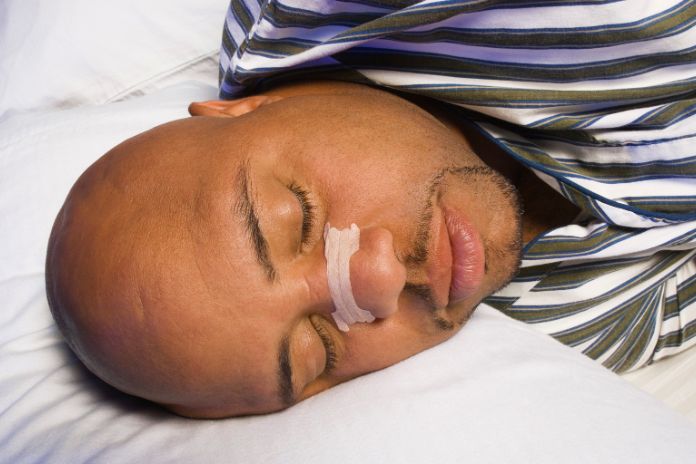
If nasal stuffiness is bothering you, you can use these gentle aids:
- Nasal strips that lift the nasal passages and open them up gently. Use at bedtime or during exercise.
- Saline rinse or neti pot that helps expel mucus, allergens, and dryness.
- A humidifier that helps maintain moist nasal passages, particularly in arid climates or air-conditioned spaces.
Try “Mouth Taping” (With Caution) at Night:
What it is: Applying a thin strip of medical tape or mouth special tape to close the lips during sleep.
Benefits:
- Promotes unconscious nasal breathing.
- Decreases snoring and dry mouth.
Caution:
- Not for individuals with sleep apnea or nasal blockage.
- Test always mouth taping in short naps before overnight use.
- See a physician or sleep specialist if you snore or experience nighttime breathing stops.
Read More: Mouth Taping for Sleep: Does It Really Improve Breathing and Sleep Quality?
Improve Your Posture:
Slouching or forward head tilt posture, particularly, can inhibit diaphragm functioning and increase the chances of mouth breathing.
Try these posture correction tips:
- Sit upright with ears level over shoulders.
- Steer clear of slouching over screens and desks.
- Attempt subtle neck stretches or yoga to expand the chest and airways.
When to See a Specialist
If you’re finding it hard to breathe through your nose all the time, or have reason to believe there may be an underlying problem, it’s well worth consulting someone in the trade.
Try and consult:
- ENT (Ear, Nose, and Throat specialist) for nasal blockages, polyps, or a deviated septum.
- Sleep specialist, if you suspect snoring or sleep apnea.
- Myofunctional therapist who specializes in proper tongue posture and jaw position, and looks into breathing pattern treatment.
- A dentist or orthodontist, if there is facial growth or bite problems, particularly in children.
Final Thoughts
Breathing is something we do without thinking, but how you breathe determines your energy, health, and mood more than most people know.
One of the easiest but most significant improvements you can make to your health is to switch from unconscious mouth breathing to conscious nasal breathing.
To sum up:
- Nasal breathing enhances oxygen uptake, immune function, and stress management. It promotes deep sleep, improved posture, and long-term oral and facial health.
- Mouth breathing, particularly at night, can quietly disturb your quality of life.
With a little daily consciousness and some basic training, you can change your breathing pattern and start experiencing benefits in a matter of days.
References
- https://www.lung.org/blog/2020-breath
- https://breathedentistry.com/the-impact-of-early-mouth-breathing-on-your-childs-facial-development-what-every-mom-should-know/
- https://www.webmd.com/oral-health/mouth-breathing
- https://www.dentalsolutionsclinic.com/the-impact-of-mouth-breathing-on-oral-health/
- https://www.lung.org/blog/2020-breath
In this Article