













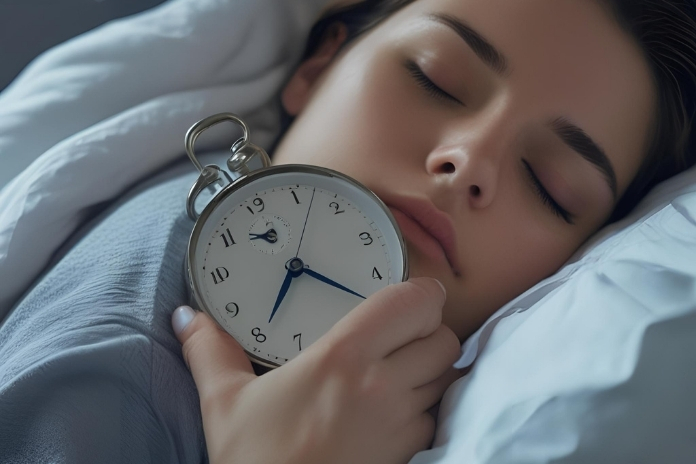
I wake up at 6 am sharp, daily. At first, I used to think this was due to my personal and professional commitments, but this happens even on weekends. I was surprised and decided to read more on this, and realized there’s something more to this! Do you also ever get the sense that you’re hardwired to wake up at sunrise, while another person you know is a night owl? You’re not lazy or super disciplined, you’re probably just habituated differently.
That hardwiring has a name: your sleep chronotype.
Understanding your chronotype can be a game-changer. And that is not just for better sleep, but for optimizing your energy, productivity, and even weight. In this article, we’ll break down what sleep chronotypes are, how they influence your body and mind, and how to align your habits for better performance and health.
Read More: Eating for Chronotype – How Your Body Clock Affects Nutrition Needs
What Is a Sleep Chronotype?

A sleep chronotype is your natural tendency to wake and sleep at specific times, your sleep-wake cycle. While a temporary preference, your chronotype is deeply rooted in your biological clock, influenced by genes, age, and even light exposure over the long term.
While you might have heard someone described as a “morning person” or a “night owl.” These chronotypes are more detailed, a part of your circadian rhythm design that controls everything from sleep and wakefulness to body temperature, hormones, and also hunger.
Your chronotype can help account for why some of us are perky at 6 a.m., while others come into their creative groove later at night.
The 4 Main Chronotypes: Which One Are You?
Dr. Michael Breus, a clinical psychologist and sleep expert, presented an intriguing method to interpret sleep chronotypes with four animal archetypes: Bear, Wolf, Lion, and Dolphin. Each chronotype is a unique biological rhythm that dictates how you most often feel most awake, creative, sleepy, or slow.
Let’s discuss each chronotype in detail. This is not only about their sleeping habits, but also how they affect your energy, productivity, and daily routines.
Bear: Sun-Follower:
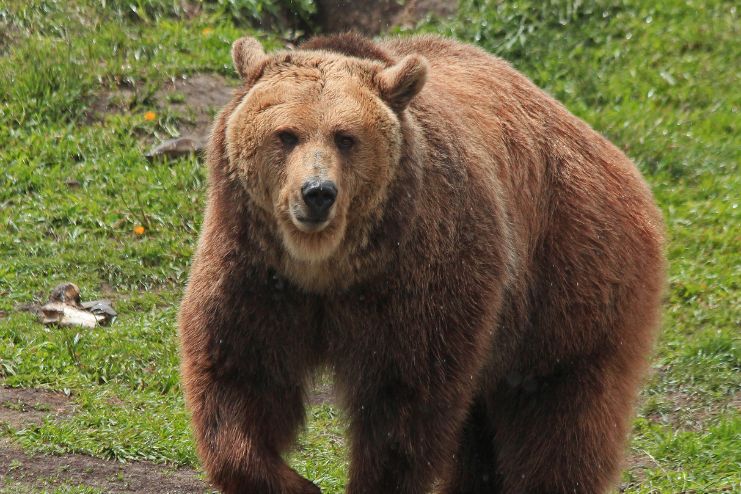
If you sleep in with the sun and wind down on your own by evening, chances are you’re a Bear, the most prevalent chronotype. Bears account for more than half of the population, and their internal clock is closely synchronized with the solar cycle.
Most Bears are most alert in the daytime and begin to slow down early in the evening. They normally receive a good 7–8 hours of sleep and are best during the mid-morning to early afternoon periods.
Bears love routine. A typical Bear is most productive between 10 a.m. and 2 p.m., and starts to lose steam after lunch, and would best avoid putting intense tasks off towards the end of the day. They’re normally social, well-balanced, and also conform well to a 9–5 working day.
If you’re a Bear, maintaining consistency in sleep, meals, and work is key. Light afternoon workouts and structured downtime in the evening can help preserve energy without disrupting your rhythm.
Wolf: The True Night Owl:
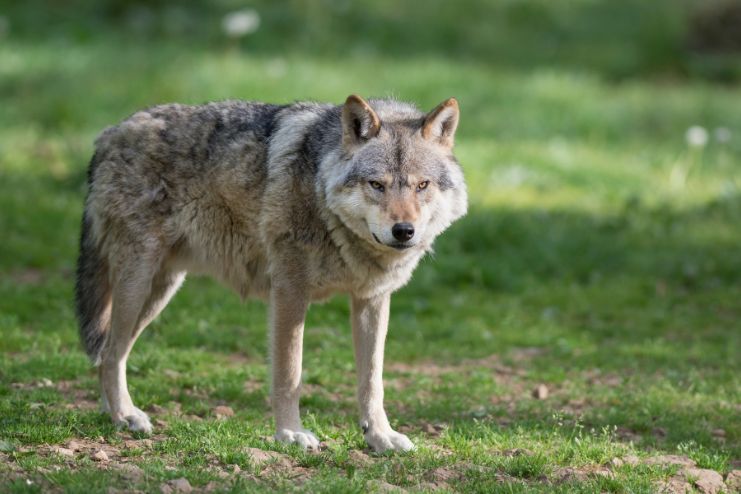
Wolves are your typical night owls. They are sluggish in the morning and often reach their mental and creative pace long after the rest of the world has packed up for the day. If you habitually stay up late, wake up feeling foggy before 10 a.m., and experience a second wind in the evening, this chronotype probably describes you.
Most Wolves reach their peak energy levels between 4 p.m. and 9 p.m., and they are best suited for tasks requiring creativity or analysis and concentration, and ingenuity.
Wolves are often plagued by what scientists term “social jetlag“. This is a conflict between their internal clock and their external responsibilities. The conflict may cause them to lack sleep, experience mood discord, and even metabolic disruptions such as gaining weight or cravings late at night.
Wolves benefit greatly from flexible schedules, dimming lights at night, and gradually adjusting their morning routines. If you’re a Wolf, owning your rhythm and designing your day around it (when possible) is essential for long-term energy and productivity.
Read More: Circadian Rhythms: Unlocking the Secrets of Your Body’s Internal Clock
Lion: The Early Achiever:
Lions are early risers by nature. These people wake up somewhere between 5:30 and 6 a.m., go to the gym, and begin tackling lists of things to be done before other people wake up. Their energy peaks somewhere between 7 and 11 a.m. and then starts fading gradually throughout the day.
Lions are organized, concentrated, and tend to take charge due to their capacity to think clearly in the morning. But this morning vigor comes at a price; they tend to be exhausted by mid-afternoon and may not be able to socialize or remain productive in the evening. Lions sleep early, between 9 and 10 p.m., and if they disregard this natural desire to rest, they can risk burnout.
To make the most out of this chronotype, Lions do their most critical work during the morning, prevent overstimulation in the nighttime, and prefer wind-down routines such as stretching, journaling, or reading to enhance the quality of sleep.
Dolphin: The Cautious Sleeper:
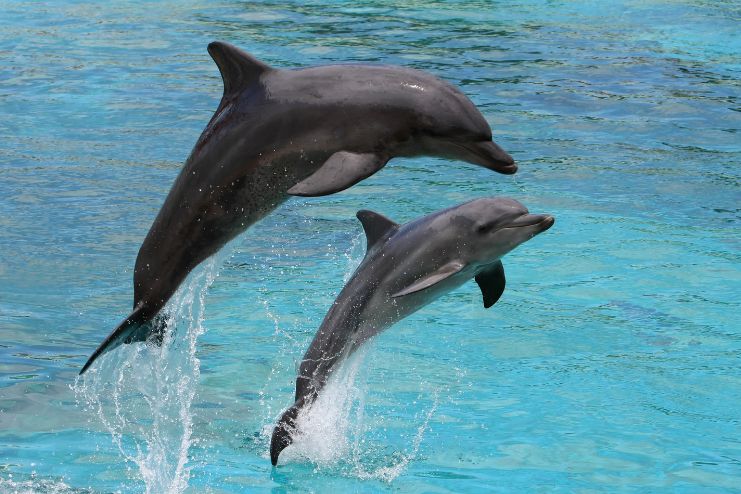
Dolphins are easily misunderstood. They’re light sleepers and often face issues such as insomnia, racing minds, and disrupted rest. Even after a good night’s rest in bed, Dolphins might still feel tired and have a hard time keeping their energy levels consistent. Dolphins are usually very smart, precise, and detail-focused, but also more susceptible to anxiety and mental exhaustion.
Unlike the other chronotypes, Dolphins don’t follow a predictable rhythm. Their peak productivity tends to occur mid-morning, though they often work best in short, focused sprints rather than long stretches.
Because of their erratic sleep patterns, Dolphins benefit from strict sleep hygiene, including going to bed and waking up at the same time daily, limiting caffeine, and avoiding screens at night.
If you’re a Dolphin, it’s all about making your environment better. Be it opting for blackout drapes, white noise machines, and mindfulness techniques can all help enhance sleep and decrease restlessness. It also helps that your energy comes in waves, and that’s fine.
Read More: The Sleep Myth That’s Ruining Your Rest – Why 8 Hours Isn’t for Everyone
How Chronotype Impacts Your Energy and Productivity
When your daily routine accommodates your chronotype, you get better:
- Focus
- Energy
- Creativity
- Decision-making
For example, Lions tend to take charge of early meetings naturally. Wolves are best for evening brainstorming. Bears get into their groove mid-morning, and Dolphins tend to peak in short, intense bursts.
But when there’s a mismatch between your chronotype and day-to-day demands, just like a Wolf trapped in a 9–5 schedule, you might find yourself experiencing:
- Chronic fatigue
- Brain fog
- Mood swings
- Burnout
That’s why knowing your chronotype isn’t just useful, but also helps in peak performance.
Chronotype and Weight: Is There a Connection?
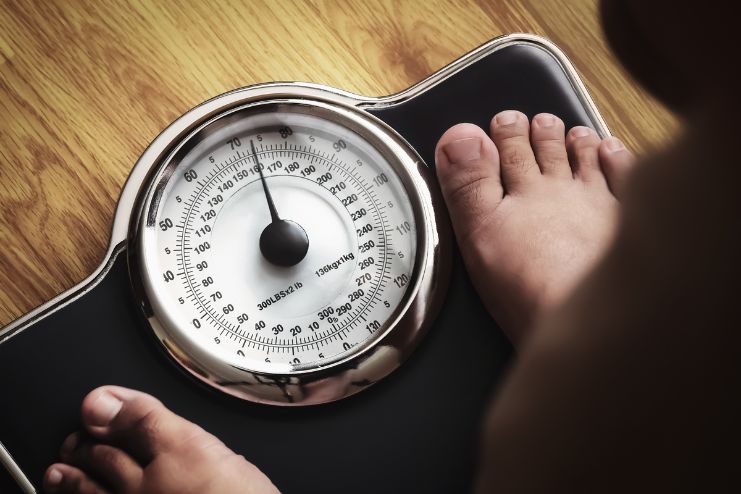
Yes, and it’s more than simply being a night owl.
Research indicates that night owls (Wolves) are at greater risk for:
- Greater BMI
- Nighttime cravings
- Unstable eating habits
- Disturbed appetite hormones such as ghrelin and leptin
A 2021 study in Obesity Reviews reported that late chronotypes have irregular eating windows, which can negatively affect glucose metabolism and lead to weight gain in the long term.
In addition:
- Bears and Lions prefer earlier, more frequent meals.
- Scheduled eating windows in line with daylight = improved metabolic results.
- Chronotype-based diets can enhance appetite management, digestion, and even the storage of fat.
This link between chronotype and metabolism is advancing research in chrononutrition — the practice of eating in harmony with your body clock.
How to Determine Your Chronotype
You don’t need a sleep lab to discover your chronotype. You can begin with one of these steps:
- Take a chronotype test such as the Munich Chronotype Questionnaire or Dr. Breus’ Chronotype Test
- Pay attention to your natural rhythm on non-alarm days
- Monitor your energy: When are you most alert, creative, or lethargic?
- Watch for patterns over time, not necessarily how you feel on Mondays following a poor night’s sleep.
Tips to Work With Your Chronotype (Not Against It)

Morning People (Lions and Bears)
- Do deep work in the morning
- Schedule key meetings mid-morning
- Unwind in the evening (no screens after 8 p.m)
- Exercise early morning for the best cortisol response
Night Owls (Wolves)
- Push tasks back later: creative work after lunch, admin in late morning
- Fight for flexible hours or remote work arrangements
- Steer clear of caffeine after 2 p.m.
- Have a light breakfast, and opt for heavier meals later
Dolphins:
- Prioritize sleep hygiene: a dark room, white noise, consistent bedtime
- Maintain a consistent wake time, even if sleep is disturbed
- Set light work early, then immerse yourself in creative endeavors late morning
- Don’t overcommit yourself to early commitments
The moral? Don’t struggle against your body’s beat; go with it.
Final Thoughts
Frankly, discovering my chronotype was like cracking the code for how I work. I quit trying to become a morning person or soldiering through late-night projects when I was obviously operating on fumes. It isn’t about willpower, it’s about timing.
After I began to pay attention to my natural rhythm, things smoothed out. I slept better, was able to concentrate better, and no longer felt like I was battling my own body.
What worked:
- Taking the quiz was a great start. It helped me understand why some parts of the day just didn’t feel right.
- I started scheduling heavy work during my top focus times rather than attempting to “push through” during the wrong time.
- I stopped messing around with my sleep window, even on the weekends. Keeping it constant benefited me more than any slick sleep trick.
- A little bit of natural light early in the day helped sync my rhythm, particularly on days when I was feeling low.
- Even things such as when I eat began to matter. Eating too early or too late made my energy feel off.
Once you stop working against your body and begin flowing with it, things change in a subtle yet dynamic way. It’s not about doing more, it’s about doing it at the right moment.
References
- https://sleepdoctor.com/pages/chronotypes/bear-chronotype
- https://www.sciencedirect.com/science/article/pii/S2161831323000820
- https://www.ecosa.com.au/blog/post/dolphin-chronotype.html
- https://sleepdoctor.com/pages/chronotypes/lion-chronotype
- https://www.sleepfoundation.org/how-sleep-works/chronotypes
In this Article