















Most likely, you’ve heard about antihistamines. These medications reduce the symptoms of allergies. But what are histamines, though?
The immune system produces these substances. Histamines function similarly to the club bouncers. They assist the body in eliminating an irritant, in this case, an allergy trigger, or “allergen.”
Your immune system uses histamine as a signaling molecule to communicate with other cells. Although histamine serves several purposes, its primary job is to trigger allergic and anaphylactic reactions.
Your body’s response to a foreign protein is an allergy. These proteins, sometimes referred to as allergens, are generally benign. When you’re allergic to a specific protein, the immune system starts to react too strongly in your body.
A series of responses triggers the release of histamine, which leads to the development of allergy symptoms. Usually, these symptoms only affect one part of your body. The majority of your body is affected by anaphylaxis, which is a severe immunological reaction. Anaphylactic shock can be very fatal.
In this article, we will discuss several low-histamine meals that are safe, filling, and simple to make, which will improve your health without sacrificing taste.
Read More: Healthy Cooking Made Easy: 10 Must-Have Cookbooks for Hypertension-Friendly Recipes
What Is a Low-Histamine Diet?
“Histamine is known as a chemical substance in mast cells, which is a certain type of white blood cell. Histamine helps your immune system respond to allergy triggers,” registered dietitian Amanda Igel, MS, RD, LD explains. “If you have an allergy to certain food, for example, the histamine gets released by these immune cells to protect the body from what it perceives as a threat.”
In an attempt to protect your body against an allergen, histamine transmits a variety of signals. It constricts your gastrointestinal (GI) tract and airways while also widening your blood vessels. Additionally, you begin to produce mucus, which is why your nose is runny.
According to Dr. Amy Burkhart, M.D., R.D., a registered dietitian and integrative medicine physician in Napa, California, the histamine-restricted diet is an eating plan that focuses on minimizing the total amount of histamine consumed daily by eliminating particular foods that contain higher levels of histamine. Although you cannot entirely avoid histamine in meals, choosing foods with lower levels of the chemical can help you reduce your overall histamine intake.
Those who cannot break it down quickly enough can use this to prevent histamine overload and lower their chance of developing a histamine intolerance. Regretfully, this diet won’t eliminate your aversion.
The diet includes avoiding meals and beverages that inhibit the DAO enzyme’s function, as well as choosing low-histamine food. According to Dr. Burkhart, “the DAO enzyme is comparable to lactase, which aids in the digestion of lactose, the sugar found in milk.” When consuming dairy products, people who are lactose intolerant may steer clear of meals that contain lactose or take an additional lactase supplement.
High-Histamine Foods to Avoid
You should avoid foods that have high levels of histamine or trigger its production when following a low-histamine diet. Although a comprehensive list is not necessary, knowing which frequent high-histamine culprits to avoid will help you manage your symptoms effectively.
Histamines are naturally present in some foods. Others cause your white blood cells to produce histamine even when they don’t have much of it. Both types of foods can cause your body to make too much histamine if you have histamine intolerance.
In most cases, foods that are fermented, aged, or heavily processed contain more histamine compared to fresh options.
Documented foods with increased histamine levels include:
- Alcohol
- The eggplant
- Sauerkrauts is a pickled or canned food.
- Cheese that has aged
- Products made from smoked meat, such as sausages, ham, and salami.
- Shellfish
- Nuts kept for a long time, such as peanuts, cashew nuts, almonds, and pistachios
- Chocolates and other goods made with cocoa
- Rice vinegar
- Prepared meals
- Salty snacks and confectionery that contain artificial coloring and preservatives
Many fruits can cause the production of histamine even when they don’t contain a lot of it. Some ingredients may resemble histamine, which can exacerbate symptoms. Thus, think about avoiding:
- A banana
- A pineapple
- Papaya
- Citrus fruits, including oranges, lemons, and limes
- Strawberries
- Cherries
Read More: Cooking for Heart Health: Delicious Recipes to Lower Cholesterol
Low-Histamine Ingredients to Use
Selecting the right foods is crucial for managing histamine sensitivity, thereby reducing symptoms and maintaining a healthy, balanced diet. Fortunately, a wide variety of low-histamine foods are available to serve as the basis for secure and filling meals.
Ensure you continue to get the necessary nutrients and eat a variety of fresh foods when following a low-histamine diet. Foods low in histamine include the following. Try these and other low-histamine substitutes if you’re cutting back on histamine intake:
- Grains like amaranth, arrowroot, buckwheat, millet, rice, and quinoa are naturally free of gluten.
- Fresh salmon fish or salmon fish that has been flash-frozen within 30 minutes of being caught.
- Fresh chicken and meat
- Eggs
- Fruits that aren’t citrus, such as pomegranates, apples, blueberries, mangoes, and peaches.
- Non-dairy milks such as hemp, coconut, or almond.
- Fresh veggies (save for spinach, eggplant, and tomatoes)
- Tea made with herbs
- Honey
- Olive oil
- Coconut oil
- Almonds
- Potatoes
- The Flax seeds
- Chia seeds
Enjoying delicious, nutritious meals while managing symptoms is made easy by these low-histamine products.
Low-Histamine Recipes
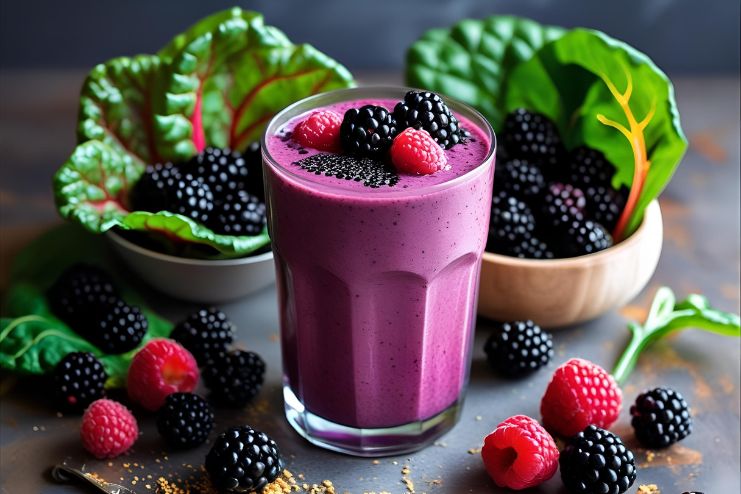
1. A Blackberry and Rainbow Chard Smoothie
Ingredients:
- 200 grams of blackberries (fresh)
- 100 grams of frozen cauliflower that has been briefly steam-cooked and immediately frozen
- 100 grams of Swiss Chard
- Two tbsp of chia seeds
- 2 tbsp of macadamia nuts
- 400 ml of unflavored coconut milk or almond milk
Method:
- Before placing the Swiss chard in the blender, cut off any tough stems and chop the leaves into small pieces (or use only the leaves if you don’t have a powerful blender).
- In a blender, combine all the ingredients and process until smooth. Transfer to a glass and savor!
Read More: Bored of Eggs? Try 6 Healthy Avocado Recipes
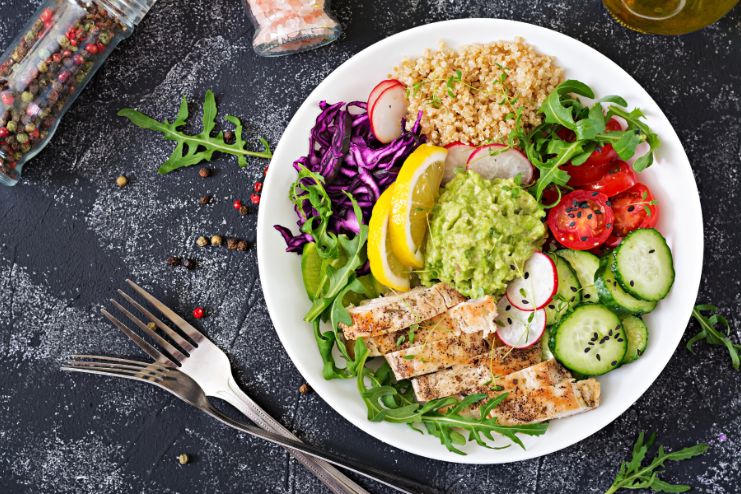
2. Herbed Chicken and Quinoa Bowl
Ingredients:
- One fresh, boneless, skinless chicken breast
- Half a cup of cooked quinoa
- Slice half a medium zucchini.
- Broccoli florets, 1/2 cup
- One cup of baby spinach leaves
- One tablespoon of olive oil
- One tablespoon of freshly cut parsley
- One medium avocado
- One cup of sprouts or shoots
- Add salt to taste.
Method:
- Season the chicken with chopped parsley and salt.
- In a pan, add olive oil and cook the chicken for around 6 to 7 minutes on each side, or until it cooks through.
- In the same pan, sauté the broccoli and zucchini for around 4-5 minutes.
- Add the quinoa, sliced chicken, and all the vegetables to the bowl.
- Serve warm, drizzled with the leftover olive oil.
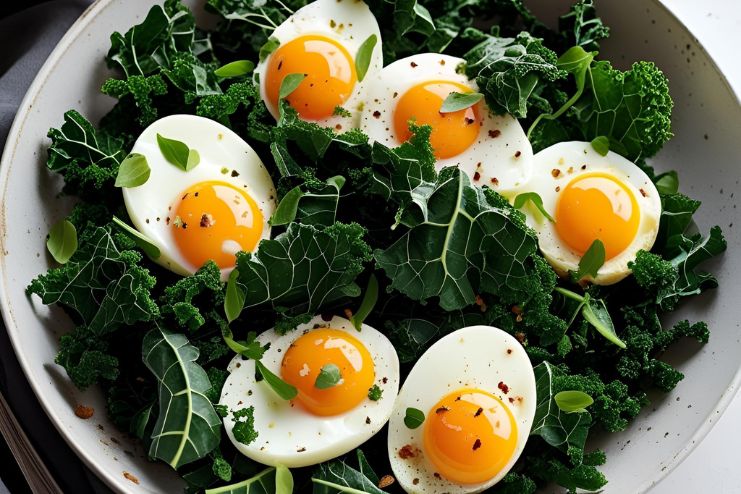
3. Kale with Eggs
Ingredients:
- Half a teaspoon of coconut oil
- 60 grams of roughly chopped kale leaves
- Two Eggs
- Ten grams of hemp seeds
Methods:
- Add coconut oil to the skillet and let it heat over medium heat. Add the kale and simmer, stirring occasionally, until it has barely wilted, 2-3 minutes.
- Create two holes in the kale and place a cracked egg in each. Season with sea salt and pepper powder, then sprinkle with hemp seeds. Cook the eggs under a lid for 2 to 3 minutes.
- Serve warm!
Read More: 7 Low-Carb Dinner Recipes For A Healthy Heart
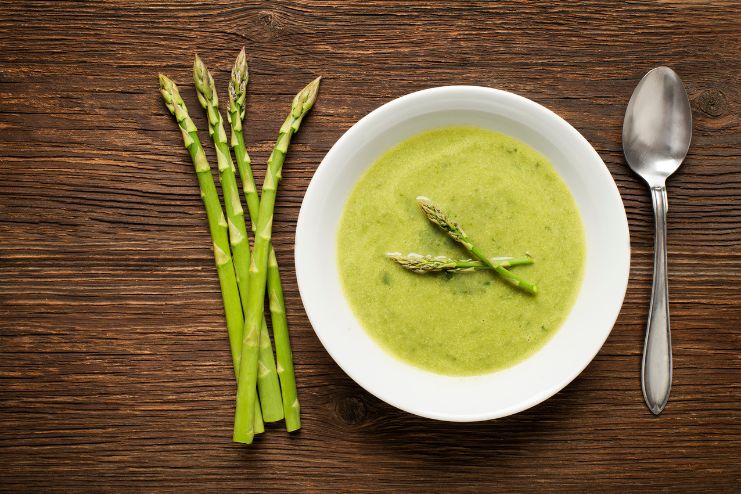
4. Creamy Asparagus & Celery Soup
Ingredients:
- 2 tablespoons of coconut oil
- 1 chopped onion
- Six celery stalks, chopped
- Three no. of Garlic(minced)
- One liter of water and one teaspoon of sea salt
- 400 grams of asparagus (the ends snapped off) and one teaspoon of black pepper
- Eighty grams of hemp seeds
- 120 grams of leaves of kale
Method:
- In a large stock pot, heat the coconut oil over medium heat. Add the celery and onion. Sauté until vegetables are just beginning to soften, about 5 minutes. Sauté minced garlic for an additional minute.
- Fill the pot with water, sea salt, and a pinch of black pepper powder. Bring to a boil with a lid on, then lower the heat to a simmer. After removing the lid, place the asparagus on top for 4 to 5 minutes, or until it is a brilliant green. Cover and steam it.
- Add kale and hemp seeds to a blender. Pour the soup over the top and purée. Pour into the soup bowls. Have fun!
Tips for Cooking and Storing Low-Histamine Foods
Managing histamine intolerance entails adherence to specific cooking and storing techniques. Ultimately, freshness and timing are of the utmost importance when it comes to histamine content in food. Histamine levels in the food can also increase over time, particularly during post-cooking and consumption.
When Managing Meats: The longer you leave meat and fish out before cooking, the more histamine they will contain. Freezing halts this histamine manufacturing process. Cook the meat immediately or freeze it, then defrost and cook it later when you return from the store.
Leftovers: Additionally, leftovers can build up histamine when stored in the refrigerator. By freezing leftovers in meal portions suitable for you and your family’s needs, you can defrost them to reheat later.
Ripeness: As food ripens, histamine levels may increase. To limit your intake of histamine-rich foods, such as tomatoes and avocados, choose under-ripe fruits and vegetables.
Non-fermented oils: Choose oils without ingredients that may cause sensitivities, such as sesame oil or soy sauce, and opt for non-fermented options like coconut or olive oil. Instead of using processed or dried seasonings, use fresh herbs like basil, thyme, and parsley to increase flavour.
You can significantly decrease your overall exposure to histamines and better manage your symptoms simply by being mindful of how you prepare and store your meals.
When to Try a Low-Histamine Diet
Isabel Smith, M.S., RD, CDN, is a registered dietitian at the Isabel Smith Nutrition in New York City, says, “People who might experiment with a low-histamine diet are ones which experience some classic symptoms [of histamine intolerance], like constant headaches/migraines, sinus issues, hives, skin irritations, digestive issues, irregular menstrual cycle, tissue swelling, anxiety, abdominal cramping, nausea and difficulty regulating body temperature”.
However, a study cited diarrhea, nausea and vomiting, headaches, itchy skin, oral allergy syndrome, red eyes, and swollen eyelids as some of the most typical symptoms of histamine sensitivity. Histamine intolerance often occurs alongside other food sensitivities, like lactose or fructose intolerance.
Read More: Healthy Grilling: A Guide to Tasty and Nutritious BBQ Recipes
Final Thoughts
Eating a low-histamine diet doesn’t have to be boring or restrictive. Instead, it can be pretty enjoyable and nutritious. When you focus on fresh ingredients, simple preparation, and whole foods, it is possible to make delicious and easy-to-digest meals.
What truly matters is keeping things fresh and simple, rather than relying on complex recipes. You will find that fresh meats, colorful vegetables, gluten-free grains, and fresh herbs provide a broad spectrum of practical alternatives that benefit your health while also tasting good.
Most importantly, listen to your body. Since each individual’s tolerance for histamines is unique, keep a record of symptoms and reactions in a food journal. With the help of your healthcare professional or dietitian, you can then gradually reintroduce the foods and find a balance that works for you.
References
- https://pmc.ncbi.nlm.nih.gov/articles/PMC6129797/
- https://medlineplus.gov/medlineplus-videos/histamine-the-stuff-allergies-are-made-of/
- https://my.clevelandclinic.org/health/articles/24854-histamine
- https://www.webmd.com/allergies/what-are-histamines
- https://endsickness.org/low-histamine-diet-food-list/
- https://www.hopkinsmedicine.org/-/media/johns-hopkins-childrens-center/documents/specialties/adolescent-medicine/cfs-low-histamine-diet.pdf
- https://health.clevelandclinic.org/low-histamine-diet
- https://www.buddiga.com/press-news/what-is-a-low-histamine-diet-exactly/
- https://www.healthgrades.com/providers/amanda-igel-xylr6tt
- https://www.webmd.com/diet/foods-high-in-histamine
- https://www.histamineintolerance.org.uk/about/the-food-diary/the-food-list/
- https://oshihealth.com/low-histamine-diet/
- https://londonclinicofnutrition.co.uk/wp-content/uploads/2024/01/Low-Histamine-Diet-Recipes-wecompress.com_.pdf
- https://www.bbcgoodfood.com/health/health-conditions/top-20-low-histamine-foods
- https://www.eatingwell.com/recipe/275091/chicken-quinoa-buddha-bowls/
- https://www.dishgen.com/recipes/herb-infused-quinoa-with-grilled-chicken-m0s3gisx
- https://drruscio.com/low-histamine-diet/
- https://www.bbcgoodfood.com/health/special-diets/what-low-histamine-diet
- https://www.eatingwell.com/article/7826053/what-is-a-low-histamine-diet/
- https://theceliacmd.com/the-low-histamine-diet-what-is-it-and-does-it-work/
- https://pmc.ncbi.nlm.nih.gov/articles/PMC5947167/
- https://isabelsmithnutrition.com/
In this Article