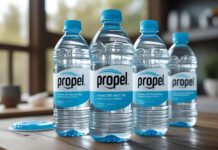














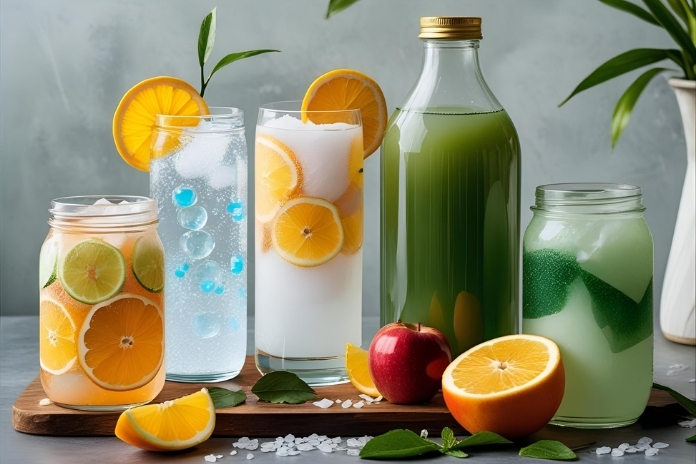
After a heavy workout or a long sunny day, I used to always reach out for a glass of water. Hydration was always an important part of my life, but I was not correct to think that it’s enough. There’s more that your body needs than just plain water, and that need can be fulfilled with electrolytes.
Electrolyte drinks are beverages meant to replenish essential minerals, like sodium, potassium, magnesium, calcium, and chloride, that your body loses through sweat, illness, or even fasting. They support fluid balance, nerve function, and muscle contractions. From post-workout recovery to fighting dehydration during a stomach bug or a long, hot day, these homemade electrolyte drinks come in handy.
But here’s the catch: most commercial electrolyte beverages are loaded with added sugars, colors, and preservatives. Not only is that unnecessary, but it can actually sabotage hydration or gut health. That’s why I’ve taken to making homemade electrolyte beverages, not only to hydrate but to fuel my body with clean, no-fuss ingredients.
What Are Electrolytes and Why Do You Need Them?
Electrolytes are charged minerals that perform an essential function within our bodies. Dissolved in water, they regulate fluid flow, nerve impulses, and muscle contractions. These include:
- Sodium and Chloride: Regulate fluid balance and blood pressure, essential for muscle and nerve function.
- Potassium: Essential for regulating heartbeats, muscle contractions, and intracellular fluid balance.
- Magnesium and Calcium: Maintain muscle and nerve function, bone density, and energy production.
- Chloride: Acts in tandem with sodium for hydration and stomach acid balance.
Speaking about the importance of electrolytes in our bodies, Dr. Sara Rosenkranz, an associate professor in the department of kinesiology and nutrition sciences at the University of Nevada, Las Vegas, shared her thoughts. “They have several different, really important and critical functions,” Rosenkranz said, including helping to regulate blood pressure, blood glucose, heart rate and rhythm, and the body’s water balance.
We lose a significant amount of electrolytes from sweat during exercise, heat, or illness (such as vomiting or diarrhea). Without refilling, you may feel weak, dizzy, crampy, or mentally foggy. That’s precisely why an electrolyte boost does the trick, particularly when honest recovery is the aim.
Read More: 8 Foods To Consume To Maintain Electrolyte Balance For Healthier Lifestyle
Problems with Store‑Bought Electrolyte Drinks
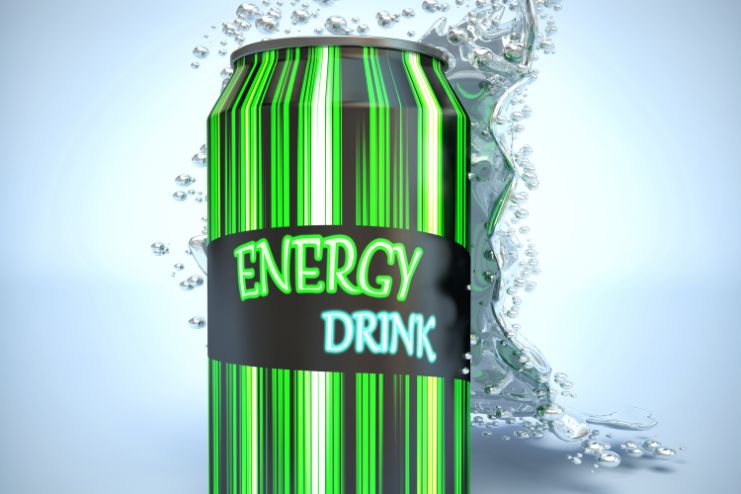
If you are heavily dependent on store-bought electrolyte drinks, it is time you need to think. Here’s why they are not always a good option:
High Sugar and Artificial Ingredients: Most commercial beverages claim hydration, yet they give 15–25 grams of added sugars per serving, along with artificial sweeteners, colorings, and preservatives that do not aid in true hydration.
Unbalanced Mineral Ratios: Such drinks tend to exaggerate sodium content but leave out potassium or magnesium. That imbalance actually hampers hydration or hinders recovery.
Low Bioavailability: Even if a label includes magnesium, the type is important. Magnesium oxide, for instance, is not well absorbed by the body. You need forms such as citrate or glycinate for actual functionality.
Health Concerns: If you’re controlling blood sugar, eating a clean diet, or are having trouble with digestion, those sugars and additives are only going to worsen the situation. Most store-bought blends simply do not mesh with an entire-food, low-toxin way of life.
Cost and Inflexibility: In the long run, purchasing bottles or packets is costly. Furthermore, taste, salt content, mineral balance, and calories are completely out of your hands. You can get cheaper, fresher, and fully customizable versions at home.
Read More:23 Foods With Electrolytes You Must Include In Your Diet TODAY
What Is a Good Homemade Electrolyte Drink?
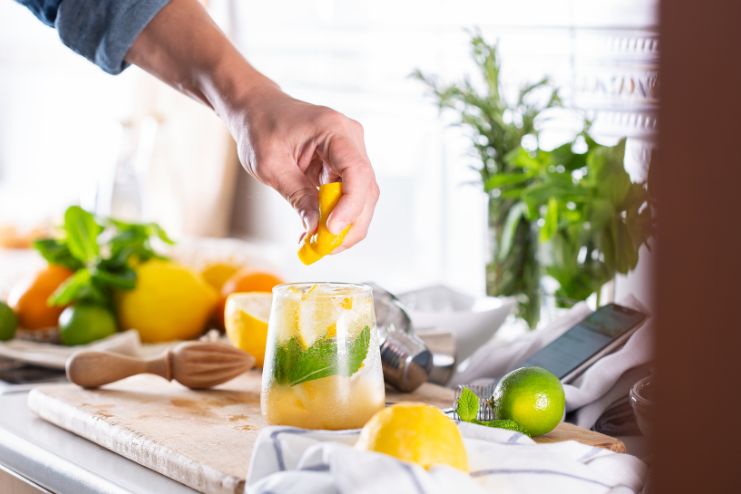
Here are a few ways you can make the best electrolyte drink at home:
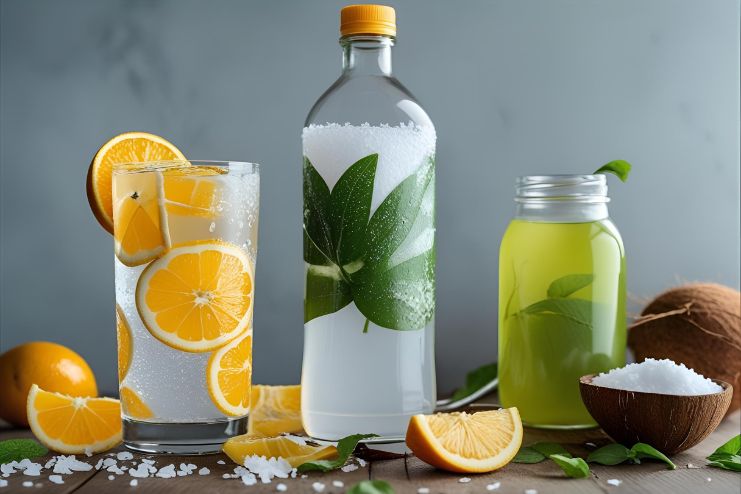
The Right Balance: The right balance of Sodium + Potassium + Fluid makes a homemade drink the best. Each beverage must contain plain water or coconut water, a dash of clean salt for sodium and chloride, and a natural potassium source such as citrus or coconut water.
Optional Magnesium and Calcium: Add magnesium glycinate powder if possible, or use mineral-dense plant foods such as cucumber, celery, or leafy greens. Calcium can be added gently through some seeds or juices.
A Little Natural Sugar: Sugar is a big no, but natural sweeteners are a sweet yes! A spoonful of honey, maple syrup, or a splash of fruit juice helps increase absorption, particularly of sodium and water.
Wholesome, Clean Ingredients: Imagine filtered water, citrus juice, raw honey or maple syrup, chia seeds, ginger or mint, but nothing synthetic.
Flexibility: You can adjust sweetness, salt content, or flavor. Add chia for texture, herbs for gut health, or a squeeze of more lemon if you prefer more tartness.
Best Homemade Electrolyte Drink Recipes
Recipe 1: Citrus Sea Salt Electrolyte Drink (Simple & Effective):
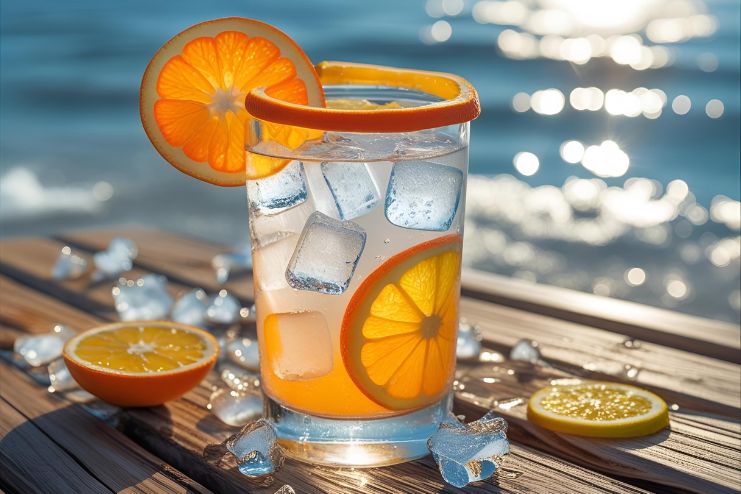
- Take 2 cups of water
- Mix in juice of ½ lemon + ½ orange
- Add ⅛ tsp sea salt (≈200 mg sodium)
- Add 1 tsp raw honey or maple syrup (optional) and mix well.
Why it Works: This homemade electrolyte drink is an easy, balanced mixture of sodium, potassium, natural sugar, and vitamin C. It’s light, effective, and refreshing.
Recipe 2: Coconut Water Electrolyte Refresher (Potassium-Rich):
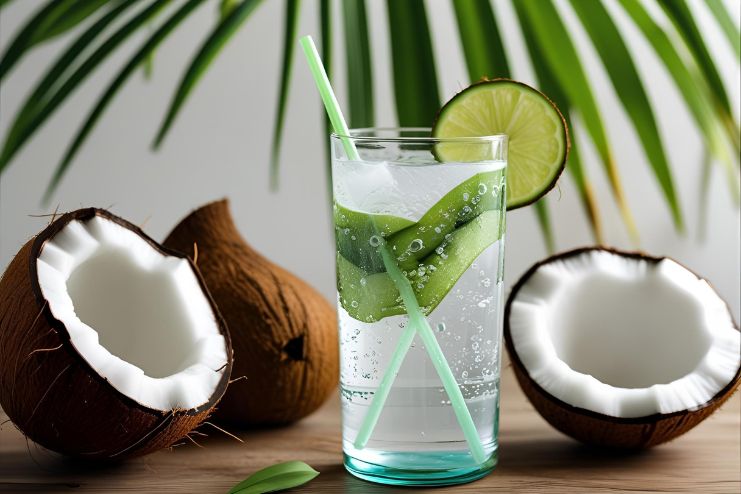
- Take 1 cup of coconut water
- Mix in 1 cup of water
- Add a pinch of sea salt
- Squeeze some lime juice
- Optional: ½ tsp chia seeds
Why it Works: Coconut water provides potassium and magnesium. Water helps to dilute excess sugars, and chia seeds prolong hydration. This is perfect for post-workout or extreme heat.
Recipe 3: Apple Cider Vinegar Hydration Mix (Digestive Aid):
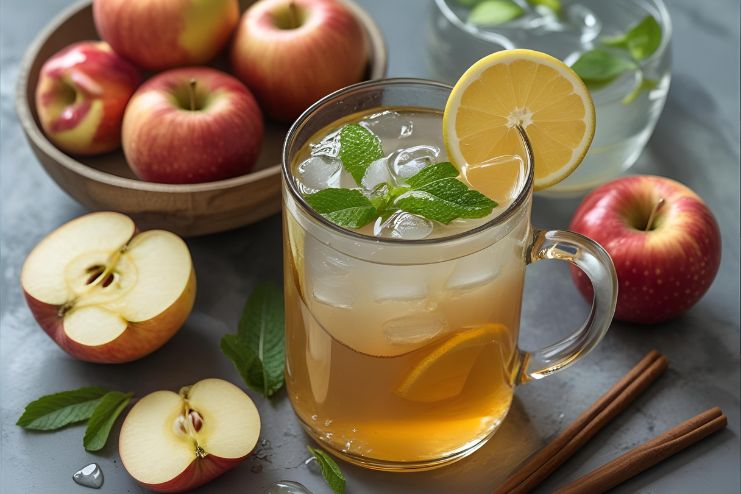
- Take 2 cups of water in a glass
- Add in 1 tbsp apple cider vinegar
- Mix ½ tsp sea salt in the drink
- Either opt for 1 tsp of honey or stevia, as you wish
- A dash of cinnamon (optional) can make it taste even better.
Why it Works: Apple Cider Vinegar supports digestion and pH balance. Cinnamon provides flavor and antioxidant benefits. Great for mornings or when fasting.
Read More: The Impact of Hydration: How Water Influences Your Diet and Health
Recipe 4: Magnesium-Rich Green Electrolyte Drink:
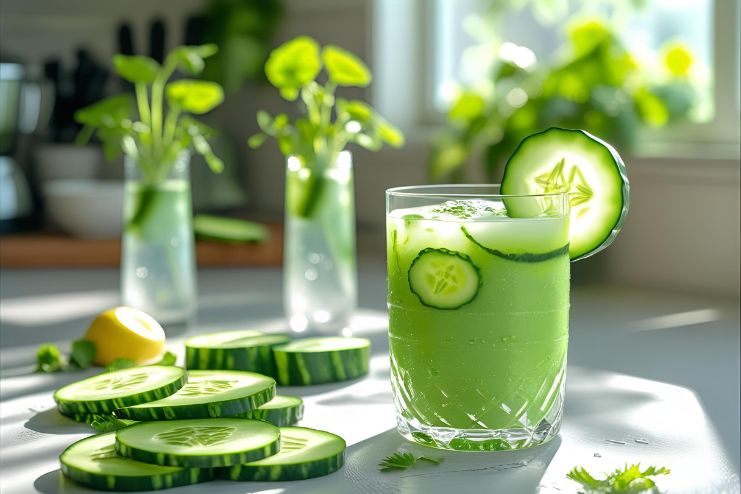
- Take 1 cup of water in a glass
- Add in ½ cup cucumber or celery juice
- Squeeze in ½ tsp lemon juice
- Add a pinch of Himalayan pink salt
- Optional: ¼ tsp magnesium glycinate powder can be added too, for extra benefits.
Why it Works: Cucumber and celery contribute trace minerals and hydration. Himalayan salt contributes sodium and trace minerals. Magnesium assists muscle recovery and calmness.
Here’s another drink that I swear by:
- Cucumber-Lime-Mint Drink: It contains cucumber juice, lime, salt, honey, mint and is super refreshing and great for heat or sweat.
When to Use Homemade Electrolyte Drinks
Here are a few perfect times/ways you can opt for electrolyte drinks (homemade):
- Right after workouts or heavy sweating. It helps restore lost sodium and potassium.
- When you are ill or have a stomach bug. Easy on the stomach, than sugary or artificial beverages.
- While fasting or on keto diets, homemade electrolyte drinks can replenish the lost sodium and magnesium in the body.
- On hot summer days or during extended outside activity, these drinks help ward off mild dehydration before it strikes.
Unless you’re doing heavy-duty activity, plain water and whole foods will do the trick. But when electrolytes are important, homemade wins hands down.
Precautions and Considerations While Opting for Homemade Electrolyte Drinks
Here are a few things to keep in mind:
- Homemade electrolyte drinks are not a medical ORS substitute. These beverages are okay for mild to moderate dehydration, but while suffering from severe health issues (diarrhea, vomiting, heat stroke), use WHO-style oral rehydration solutions.
- Watch out for sodium if you have high blood pressure or cardiovascular issues. Consult your physician.
- Don’t overconsume minerals, since excessive potassium or magnesium can produce nausea, cramps, or irregular heartbeat. Use small, measured doses.
- Be careful if you have allergies or sensitivity in the gut. Stay clear of citrus, vinegar, or seeds if you are intolerant.
- If you already have certain ongoing symptoms such as muscle cramping, dizziness, or palpitations, it is important to consult a medical practitioner immediately.
Final Thoughts
Homemade electrolyte drinks provide you with clean, dynamic hydration without unwanted sugar or additives. Whether you’re an athlete, dealing with a stomach bug, fasting or on a keto regimen, or simply trying to stay cool naturally, these recipes allow you to hydrate intelligently.
Basic ingredients such as citrus, water, salt, and a touch of natural sweetener can have a positive impact on your health in the long run. Everything, including hydration level, mineral profile, and sweetness, can be adjusted to your requirements without the sneaky pitfalls inherent in most commercial solutions.
These homemade beverages are a simple and effective way to start improving your health naturally.
References
- https://www.kuhl.com/borninthemountains/how-to-make-your-own-electrolyte-drinks-at-home
- https://www.medkart.in/blog/apple-cider-vinegar-benefits
- https://illinoiscancercare.com/news/electrolytedrinkrecipe/
- https://www.yogaeasy.com/artikel/homemade-electrolyte-drink
- https://www.upskillist.com/blog/how-to-get-electrolytes-with-a-homemade-electrolyte-drink
In this Article