















Can a tooth infection kill you? It may seem like science fiction, particularly with the vast range of today’s available dental care, but the reality is gruesome. The answer is yes, it can. Though uncommon, an untreated abscessed tooth can progress to devastating, life-threatening situations such as sepsis, brain abscesses, and Ludwig’s angina.
These are not just words of medical jargon; these are actual dangers that can progress very quickly, especially in people who have weak immunity, underlying conditions, or delayed treatment.
A tooth infection’s initial symptoms can seem tolerable: a small toothache, some swelling, or occasional throbbing. But hidden from view, bacteria can multiply and spread rapidly through blood and tissue channels. Being aware of the warning signs and taking action early can be the difference between an uncomplicated course of antibiotics and a medical emergency, or even death.
This post dissects the course of a tooth infection, how long it can remain untreated, the dangers involved, when it is fatal, and most importantly, how to avoid that.
Read More: Fluoride vs. Hydroxyapatite – Which Toothpaste Is Better?
What Is a Tooth Infection?
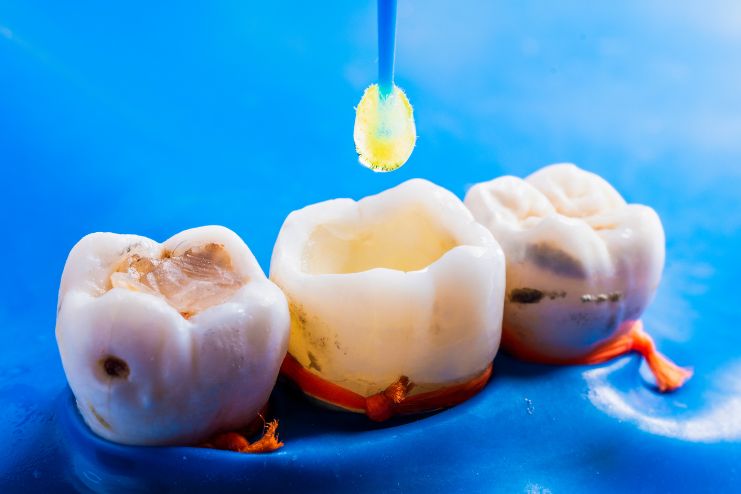
A dental abscess, or a tooth infection, is a pus pocket that forms as a result of a bacterial infection within or surrounding the tooth. It usually results when bacteria infect the pulp of the tooth, the blood vessel, and the nerve-containing innermost layer.
Causes of a Dental Abscess:
- Deep cavities that leave the pulp open to infection
- Gum disease (periodontitis) allows bacteria to enter the gums and the roots of the tooth
- Cracked or fractured teeth that provide an opening for bacteria
- Failed dental treatment, like a root canal that doesn’t completely remove the infection
Types of Dental Abscesses:
There are three types of dental abscesses that we generally see. These include:
- Periapical Abscess: Starts at the end of the tooth root and is the most common type.
- Periodontal Abscess: Develops in the gum tissue surrounding a tooth, particularly in cases of gum disease.
- Gingival Abscess: Only involves the gum and typically doesn’t affect the periodontal ligament or the tooth.
These infections will begin small and localized, but the risk is that they have the potential to spread outside of the oral cavity.
Read More: 15 Common Tooth Brushing Mistakes We Aren’t Aware Of
How a Tooth Infection Spreads

A tooth infection is not limited to the mouth. If it goes untreated, it can spread to tissues around it and even into the bloodstream, resulting in widespread and serious complications.
Pathways of Spread:
- Local Spread: In the early stages, it can spread to adjacent teeth, the jawbone, or facial tissue.
- Facial Cellulitis: Swelling and pain can result from infection of soft facial tissues.
- Sinus Issues: Abscesses in upper molars can infect the maxillary sinuses.
- Bloodstream Invasion: This is the most dangerous way an infection can spread. Bacteria invade the bloodstream, which can lead to sepsis, an inflammatory response throughout the body that can lead to organ failure and death.
Life-Threatening Complications Include:
- Ludwig’s Angina: An acute, rapidly spreading cellulitis of the floor of the mouth that may obstruct the airway and smother the patient.
- Septicemia (Sepsis): When infection invades the blood, the body’s immune system overreacts, destroying tissues and organs.
- Brain Abscess: Uncommon but deadly if oral bacteria spread to the brain via venous routes.
In brief, what begins as a small toothache can become an all-body crisis within days if not dealt with.
Timeline: How Long Can a Tooth Infection Go Untreated?
Tooth infections do not kill immediately, but the danger and risk increases with each passing moment. Here’s how it would typically progress if untreated:
Initial Stage (1–3 Days):
Symptoms: Pain in the tooth that is mild to moderate, swelling that is localized, heat or cold sensitivity, bad odor, and evidence of a pus pocket.
Risk: The infection is still localized and can be treated with dental care. Antibiotics and root canal treatment or extraction work well here.
Moderate Stage (3–7 Days):
Symptoms: Swelling which is greater, puffiness in the face, ongoing or worsening pain, fever, weakness, swollen lymph nodes, and difficulty swallowing or opening the mouth with difficulty.
Risk: The infection is extending to soft tissue and could begin to infect facial muscles or sinuses. Breathing can become painful.
Severe Stage (1–3 Weeks or More):
Symptoms: Systemic indicators such as high fever, nausea, confusion, a racing heart rate, or falling blood pressure. Swelling of the neck and jaw can block the airway.
Risk: Dangerously close to sepsis or Ludwig’s angina. Without antibiotics or surgery, the infection can overwhelm the body.
Window of Death: As scary as it may sound, in susceptible people, death may occur in 3–7 days from the time infection starts to spread. In healthy people, it could be longer, but dangerous if ignored.
Signs a Tooth Infection Is Turning Dangerous

Although a dull ache in your tooth may appear trivial, these tooth infection symptoms mark an emergency:
- Fever over 101°F and cannot be cooled down
- Swelling of the jaw or neck
- Difficulty breathing or swallowing—a symptom that the infection involves structures of the airway
- Persistent vomiting or dehydration
- Confusion, disorientation, or change in mental status
- Rapid heartbeat, low blood pressure, or passing out
These symptoms indicate a systemic response—presumably sepsis—which necessitates hospitalization.
Read More: 12 Home Remedies For Wisdom Tooth Infection – Say Goodbye To Pain
How Quickly Can a Tooth Infection Kill You?

The shift from a routine infection to a life-threatening crisis can happen shockingly quickly. Several real-life medical examples illustrate how quickly things can go awry:
A Californian man died of sepsis caused by a tooth infection after he turned down antibiotics because they were too expensive. The infection had spread to his lungs within a week.
One striking example of the risks of post-surgical or untreated dental infections was that of a young girl named Kylie, who had a severe, though rare, complication of a wisdom tooth removal. As explained by Dr. Shaina Hecht, infectious disease expert, the infection had extended unusually deeply and resulted in an abscessed clot in the neck. This infection, which usually results from Fusobacterium necrophorum, is uncommon but serious and may be able to reach the heart, lungs, or brain. Kylie needed intense treatment, such as two procedures and a pediatric ICU stay, before she was okay. The situation emphasizes how fast infections of the teeth can get out of control, even in healthy, young people.
A woman in Australia contracted Ludwig’s angina from an ignored molar infection and fell into a coma within nine days.
Who’s at Higher Risk?
- Older adults whose immune systems are compromised
- Individuals with diabetes or chronic illnesses
- Immunocompromised patients, including chemotherapy and steroid patients
- Individuals without dental access, or putting off care because of expense or fear
For them, the infection could skip early stages and go straight into severe territory.
When to See a Doctor or Dentist Immediately

Never wait for an infection to “settle down.” Go to urgent care if you experience:
- Any toothache that gets more painful or lasts 2–3 days or more
- Swelling of the face, jaw, or around the eyes
- Fever with dental pain
- Pain spreading to the ear or neck
- Bad taste in the mouth or pus from a tooth
Go to the emergency room if you have:
- Difficulty in breathing or swallowing
- Pain or palpitations in the chest
- Mental fogginess or passing out
- Severe dehydration
- These are not dental problems—these are medical emergencies.
Treatment Options and Prevention
Here are a few treatment options and prevention tips we can follow to fight tooth infections:
Treatment Options:
Depending on the severity, your dentist or physician may suggest:
- Abscess drainage that eases pressure and drains pus.
- Root canal treatment preserves the tooth by draining the infected pulp.
- Tooth extraction is performed when the tooth is irretrievable.
- Antibiotics for oral use for mild infections; intravenous (IV) for extensive or systemic spread.
Hospitalization is usually necessary if the infection has spread to the bloodstream or is clogging the airway.
Prevention Strategies:

- Brush your teeth twice a day using fluoride toothpaste.
- Floss daily to dislodge trapped food and bacteria.
- Don’t put off dental care; mild pain may indicate underlying problems.
- Go to your dentist every six months for cleanings and exams.
- Do not use home remedies or painkillers as alternatives to professional treatment.
Final Thoughts

Tooth infections are preventable and curable, but not to be trifled with. Death is rare, but when symptoms are neglected or when the treatment is put off, then it can lead to deadly outcomes.
The good news? Most tooth infections show a rapid response to correct dental treatment. If diagnosed early and treated, you can have complete healing without long-term consequences. Procrastination, however, is a threat.
If you or the person you know has symptoms of a dental abscess, particularly with fever, facial swelling, or trouble swallowing, don’t delay. Get care right away.
References
- https://omahadentists.net/blog/how-infected-tooth-can-kill-you-essential-warning-signs-to-know/
- https://www.goodrx.com/conditions/dental-care/tooth-infection-symptoms-treatments-antibiotics
- https://pmc.ncbi.nlm.nih.gov/articles/PMC3510922/
- https://www.sendhildental.com/how-long-until-a-tooth-infection-kills-you/
- https://www.rileychildrens.org/connections/teens-wisdom-teeth-extraction-led-to-scary-infection
- https://www.independent.co.uk/news/world/americas/california-man-dies-tooth-infection-blood-lungs-dentist-new-york-a7557446.html
- https://www.oriondentalcare.com/blog/tooth-abscess-symptoms-causes-and-treatment/
In this Article