













Sleeping in the same bed is often considered a sign of love and intimacy by most couples. They relax there, converse, and snuggle before falling asleep.
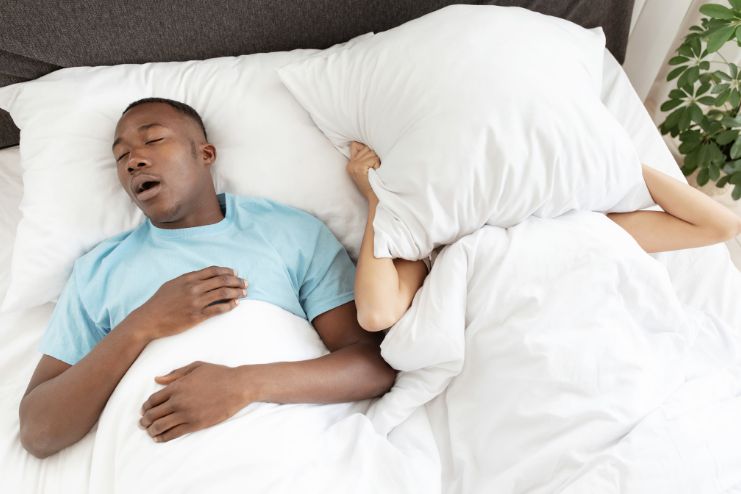
However, according to the 2025 Global Sleep Survey conducted by medical device company ResMed, one-third of the couples state that their partner’s snoring, gasping for air, or heavy breathing wakes them up.
Compared to 11% of men, 20% of women report that their partner disturbs their sleep every night, suggesting women are more affected.
Over one-third of Americans are experimenting with “sleep divorce.” Although it may seem extreme, an increasing number of couples are choosing to sleep in separate rooms or even different beds to achieve the much-needed rest.
Some people don’t see it as an indication of relationship problems. Together, it’s a step towards happier, healthier lives. It follows that an increasing number of couples are adopting this unconventional approach.
However, is sleeping apart a short-term solution or the key to a better relationship? To learn more, let’s examine the psychology, benefits, and drawbacks of sleep divorce in more detail.
Read More: Magnesium Before Bed: TikTok’s Favorite Sleep Hack, Explained by Science
What Is Sleep Divorce?
A sleep divorce occurs when a couple chooses to sleep in different beds or even different bedrooms, not because of issues in their relationship but rather to improve the quality of their sleep.
Some happy couples opt to sleep apart, either on separate beds in the same room or in separate rooms altogether, for various reasons, including snoring, body heat, restless legs, sleeplessness, differing schedules, and a desire for personal space.
“Differing sleep habits, timing, comfort needs, and their work schedule all have the potential to disturb one’s sleep quality,” says Dr. Guy Meadows, Sleep School’s clinical lead and co-founder.
In a similar vein, one or both couples may wake up feeling exhausted due to sleep disorders like snoring, sleep apnea, insomnia, and restless legs syndrome. In addition to mental health conditions like anxiety and depression, physical health problems like menopause, acid reflux, and chronic pain can also be problematic.
At the very first glance, the term ‘sleep divorce’ might sound like it’s a sign of trouble in a couples relationship. An increasing number of people are adopting this practice to enhance their relationship and improve their sleep quality. When lovers or married couples sleep in their separate rooms at night instead of sharing their bed, it’s known as a sleep divorce.
“We know that getting too little sleep can make you feel worse, and those who don’t get enough sleep are more prone to fight with their partners. Relationships may suffer as a result of animosity toward the one causing sleep disturbance, according to pulmonologist and AASM spokesman Dr. Seema Khosla. “It’s not very surprising that certain types of couples may decide to sleep apart for their general well-being because getting a good sleep is very important for both partners’ health and their happiness.”
Why Are More Couples Considering It?

Due to physical sleep disturbances that impair their ability to rest and maintain their health, rather than emotional distance, more and more couples are considering the sleep divorce concept. The causes are frequently straightforward and surprisingly widespread.
Fragmented sleep has been linked in studies to heightened aggression and decreased empathy, escalating minor irritations into heated arguments (“You stole the blanket!”). Concerns over sleep disruptions, such as snoring or other noises, may exacerbate these disputes.
It can also be challenging for couples with different sleep schedules to coordinate their routines, such as one person being an early riser and the other a night owl. One partner needs the quiet of a dark room to sleep, while the other wants to read or watch TV late at night. Conflict can also arise from different people’s preferences for different temperatures; some people enjoy a warm, comforting setting, while others prefer a frigid one.
Separate bedrooms weren’t considered scandalous in the past. Married couples’ sleeping habits have changed over the last few years, moving from group sleeping arrangements in the past to the individualization of sleep in the 19th century and then again back to a need for intimacy in contemporary partnerships.
Many couples are realizing that having separate sleep arrangements can be the healthiest course of action rather than allowing these problems to lead to animosity or long-term sleep loss.
Read More: Why You Jerk Awake Right Before Falling Asleep
Pros of Sleep Divorce

Couples trying sleep divorce have experienced beneficial outcomes.
Decreased Sleep Disruptions: To minimize sleep disruptions, many people decide to sleep apart. Different sleep schedules, having to wake up to tend to a child, snoring, leg movements, sleep-related behaviors, or awakenings from pregnancy or illnesses like seasonal allergies can all create sleep disturbances when partners share a bed.
Mood, Relationship Satisfaction, and Mental Health: Reduced irritation and increased emotional capacity are the results of fewer 2 AM wake-ups. Insufficient sleep can harm relationships by increasing tension and frustration levels, making the relationship seem less satisfying.
According to a university study, objectively greater sleep and fewer symptoms of insomnia were associated with increased relationship satisfaction. Many couples discover that having separate beds or rooms reduces tension at night and strengthens their bond during the day.
Improved Rest: Around 53% of individuals who opted for a sleep divorce reported better sleep quality, as it helped eliminate disruptions caused by their partner.
Extended Sleep Duration: Similarly, those who maintain a sleep divorce over time report sleeping an additional 37 minutes every night on average when they sleep apart.
Cons and Concerns

A sleep divorce has pros for many couples, but it can also have cons.
Higher Expenses: One of the main drawbacks of a sleep divorce is the need for two separate bedrooms instead of sharing a single one. The well-paid celebrities who endorse the practice probably don’t mind, but not everyone else has a spare bedroom or a comfortable bed in their house.
Effect on Sex Life and Intimacy: Some partners worry that switching beds may make intimacy seem planned. Even when you sleep apart, intentional routines like morning embraces, 15-minute pillow conversations, or scheduled “rekindle nights” keep the physical and emotional contact alive.
Security: Sleeping by themselves may make some people feel less secure. As they stay in surveillance mode, listening for dangers in the sleeping area, this may result in them getting less sleep. The presence of a bedmate can alleviate sleeplessness and offer reassurance.
Avoidance vs. Solution: A sleep divorce shouldn’t conceal deeper flaws in the relationship. Our lives depend heavily on sleep, which has a significant impact on our romantic relationships, as well as our physical and mental health. For a more comprehensive approach, consider couples counseling or referring a sleep medicine specialist, especially if the bedroom separation appears to be more of an avoidance than getting better sleep.
Read More: 7 Sleep Supplements That Actually Work—And 3 That Don’t (According to Science)
Does It Hurt the Relationship?
Sleep divorces, in which partners sleep in different rooms or beds, can be beneficial or detrimental to a relationship. Although it might reduce conflict and enhance sleep quality, it can give rise to emotional closeness and psychological isolation. The effects of a sleep divorce vary depending on the relationship and the degree of closeness a couple enjoys.
It may be a huge concern if you’re unfamiliar with the idea of sleep separation. How can you tell when a move like that is even worth considering?
It all comes down to listening to your body and your relationship, according to the psychologist Dr. Susan Albers, PsyD. Regardless of the number of hours being recorded, are both of you complaining about not feeling well-rested, or are you not getting enough sleep? Is being irritable turning into a problem? Do you both even discuss “feeling like a zombie”?
All of those are warning signs that someone isn’t receiving enough sound sleep for their mental health, according to Dr. Albers. And that alone is a sufficient justification for a serious discussion on sleep. “It allows you to compare—it’s also possible that one partner is sleeping better than the other.”
Even when they sleep apart, couples who place a high value on emotional connection frequently report stronger bonding and happier relationships. The secret is to stay connected throughout the day through shared rituals, open communication, affection, and frequent quality time. When both partners realize that sleeping apart is about getting better sleep, rather than rejection, they eliminate unnecessary guilt and tension.
Is Sleep Divorce Right for You?
Sleeping in different bedrooms seven nights a week could be a good option for some couples. Others might want to spend weeknights alone and weekends together. It’s crucial to understand one another’s needs and perspectives on potential sleeping arrangements.
“There is no one-size-fits-all solution,” says Dr. Sheryl Kingsberg, PhD, who is a Division Chief of Behavioral Medicine at the University Hospitals MacDonald Women’s Hospital and is also a specialist in sexual medicine. “Part of what makes sleep divorce work as a couple is having those candid conversations.”
It’s also critical to schedule regular check-ins and be adaptable. Dr. Kingsberg suggests having a monthly meeting, lasting roughly half an hour, outside of the bedroom to discuss how things are working out between each other. She says, “If you try something and it works, it’s great, and if it doesn’t work, you re-evaluate.”
Crucially, sleep divorce need not be irreversible. Only during hectic work seasons, pregnancy, illness, or when sleep problems are out of control, do some couples decide to sleep apart. Others employ it as a short-term tactic while they attempt to change their sleep habits.
Choosing with empathy and a common objective of obtaining good sleep is crucial. Sleeping apart, even for a few nights a week or as a trial, may be the reset your body—and your relationship—needs.
Read More: 8 Sleep Essentials for Heart Health: Products to Improve Your Sleep Quality
How to Try It Without Hurting Your Relationship
It can be frightening to try a sleep divorce, particularly if you’re concerned that it will cause a rift with your spouse. However, it might improve your relationship if you approach it correctly.
Fearful that bringing up the topic of separate beds would lead to conflict or negatively impact your relationship? Here are some pointers to help with discussing a sleep divorce.
- As with discussing money or anything that has angered you, the timing to talk about a sleep divorce is everything. According to relationship expert and Amicable app co-founder Katy Daly, “it takes careful handling to broach any kind of sensitive subject with a partner.” “Time is of the essence. Never bring up the topic of your partner’s poor sleeping habits to initiate a conversation. Start the talk when both of you are calm and focused.
- Asking for a sleep divorce when you don’t have the privacy to talk about both your issues can ruin the conversation right away. This is because your partner may not feel comfortable sharing their feelings in the presence of others without feeling completely secure.
- Finally, review the arrangement regularly to ensure it remains effective. To find out how it’s going, check in with one another. Adjustments can be made if one partner begins to experience emotional distance or if there is a significant improvement in sleep quality.
Read More: 7 Best Sleep Masks for Women’s Restful Nights
Conclusion
Sleep divorce is a smart alternative that can lead to healthier sleep, healthier living, and a healthier emotional bond; it’s not the end of intimacy. For couples who are at odds over snoring, messy sleep routines, or sleeping in a disturbed environment, sleeping in separate beds can help restore comfort, quietness, and tolerance in a relationship.
Bunking up doesn’t lessen your love for one another. It demonstrates an equal commitment to overall long-term health and happiness.
References
- https://www.sciencealert.com/sleep-divorce-could-be-the-secret-to-getting-a-good-nights-rest
- https://www.womanandhome.com/health-wellbeing/sleep-divorce/
- https://www.today.com/health/sleep/sleep-divorce-rcna35021
- https://sleepsurvey.resmed.com/
- https://aasm.org/over-a-third-americans-opt-sleep-divorce/
- https://www.sleepfoundation.org/sleep-hygiene/what-is-a-sleep-divorce
- https://www.linkedin.com/in/dr-guy-meadows-65a35271/?originalSubdomain=uk
- https://sleeplessinarizona.com/what-is-sleep-divorce-and-why-are-couples-choosing-it/
- https://therapygroupdc.com/therapist-dc-blog/the-psychology-of-sleep-divorce-why-some-couples-choose-separate-beds/
- https://coyotecountrylv.com/2024/03/13/relationship-sleeping-habits/
- https://mdmblaw.com/2023/06/05/exploring-the-concept-of-sleep-divorce-benefits-and-drawbacks/
- https://egrove.olemiss.edu/cgi/viewcontent.cgi?article=3929&context=hon_thesis
- https://health.clevelandclinic.org/sleep-divorce
- https://weillcornell.org/news/should-you-consider-a-sleep-divorce
- https://theeverymom.com/sleep-divorce/
- https://www.uhhospitals.org/doctors/Kingsberg-Sheryl-1861418675
- https://www.jeffersonhealth.org/your-health/living-well/is-it-time-for-a-sleep-divorce
- https://www.paired.com/articles/sleep-divorce
In this Article