
By the third trimester, walking can be less like physical exercise and more like a challenge. Yet to everyone’s surprise, it could be one of the most useful and convenient physical exercises you can do in the final stage of pregnancy.
OB/GYNs often recommend walking because it’s gentle on the joints, easy to modify based on how you’re feeling in your third trimester, and doesn’t require special equipment. Best of all, it helps support both your physical and emotional well-being as you prepare for childbirth.
“I recommend walking to most of my patients who are pregnant,” says Tanya Ghatan, M.D., an OB‑GYN at Brigham and Women’s Hospital in Boston. “It’s easy entry for women who’ve never exercised and gives athletic women a way to stay active without the high impact of other activities they’ve participated in,” she adds.
You should tune in to your body and consult with your health care provider, particularly if you have a high-risk pregnancy. But for most pregnant women, walking is still an empowering means of maintaining strength, mobility, and connection with the baby throughout this life-changing process.
Read More: Dry Eyes in Pregnancy? Here’s Why It Happens and How to Relieve It
Benefits of Walking in Late Pregnancy

Walking during the third trimester provides a myriad of physical, psychological, and physiological advantages that help in a smoother adjustment to labor and delivery.
Enhances Circulation and Reduces Swelling:
Bloating of the hands, ankles, and feet is a common problem because of water retention and compression of blood vessels in your third trimester. Exercise improves blood flow and promotes lymph drainage, which can minimize puffiness and enhance circulation.
Helps Regulate Weight and Blood Sugar:
Daily walking moderates weight gain and regulates blood sugar, reducing the risk of gestational diabetes and high blood pressure. OB-GYN and fitness coach Dr. Brittany Robles recommends daily physical activity as a means to “reduce complications and maximize metabolic well-being.”
Improves Sleep and Elevates Mood:
Pregnancy hormones and discomfort will interfere with sleep. Walking can naturally increase serotonin and melatonin, enhancing mood and sleep quality. Natural light exposure during walks also resets your circadian rhythm.
Strengthens Muscles for Labor and Delivery:
Every step exercises your glutes, legs, and pelvic floor—crucial muscles needed for labor stamina, delivery position, and recovery after giving birth. This gentle conditioning facilitates your body’s natural birthing processes.
Encourages Optimal Fetal Positioning:
Gentle hip movement from walking can help your baby rotate into a head-down position, especially in the final weeks. This alignment may contribute to a more efficient labor process.
Relieves Constipation and Promotes Digestion:
Delayed digestion during pregnancy may cause bloating and constipation. Walking stimulates gut motility and relieves these universal discomforts.
Read More: Pregnancy Wellness Kits: 5 All-in-One Packages for Supporting Mom-to-Be Health
How Long Is Too Long? Understanding Safe Duration
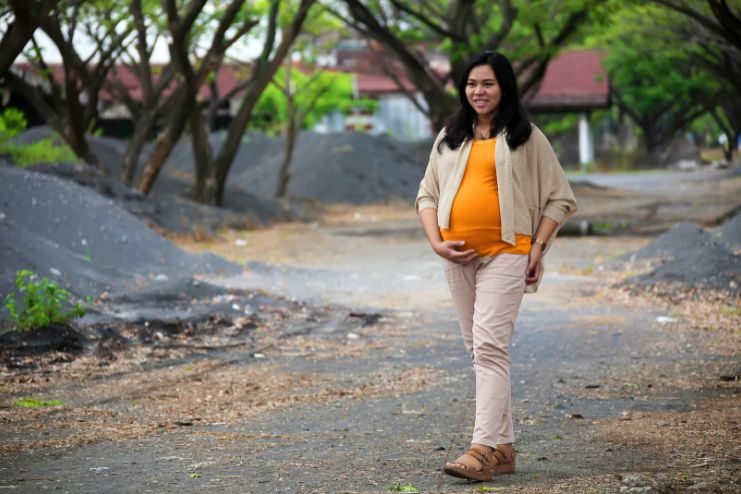
No one-size-fits-all guideline applies to third-trimester walking—it depends on fitness level, overall pregnancy health, and individual comfort.
What Experts Advise:
The American College of Obstetricians and Gynecologists (ACOG) suggests 150 minutes of moderate-intensity exercise each week, preferably divided into 20–30 minutes daily for five days.
“Pregnancy should not be a state of confinement but rather an opportunity for women to continue an active lifestyle or to adopt an active lifestyle if they were not active before.” —Dr. Raul Artal, who co-authored the ACOG committee opinion on exercise during pregnancy.
How to Measure the Right Duration:
- Newbies: Begin with 10–15 minutes and build up gradually.
- Active expectant mothers: Shoot for 30–45 minutes based on endurance.
- Low energy? Break sessions into two 15-minute walks.
Recognize When to Stop or Slow Down
Look out for danger signs such as:
- Dizziness or breathlessness
- Contractions or cramping
- Vaginal spotting or fluid leakage
- Pelvic pressure or back pain
If any of these happen, stop at once and call your provider.
When You Should Avoid or Modify Walking
Walking is generally safe for most pregnant women, but there are medical conditions or physical symptoms that make it risky or painful.
Medical Conditions That Require Caution:
- Placenta previa or low-lying placenta
- Preeclampsia or pregnancy-induced hypertension
- Signs of preterm labor or cervical insufficiency
- Severe anemia or low amniotic fluid
As Dr. Cassandra Simmons, Chief of General Obstetrics & Gynecology at NewYork-Presbyterian Westchester, explains:
“The hormone relaxin softens and relaxes the joints and ligaments in the pelvis. It’s important to be mindful of that because you’re at an increased risk of falling or injury.”
Since your center of gravity also changes in the third trimester, even walking, a low-impact exercise, demands balance awareness, footing, and fatigue consideration. Given good footwear, flat surfaces, and pacing that does not push your body too hard, walking is still among the safest and most healthy ways to remain active late in pregnancy.
Physical Symptoms That Require Change:
- Intense pelvic pressure or groin pain
- Difficulty balancing due to a growing belly
- Fatigue that lingers long after activity
In these instances, choose less strenuous activities, walk shorter distances, or attempt indoor walking with support rails.
Tips for Safe and Comfortable Walking in the Third Trimester

Walking during the third trimester can be invigorating, but comfort and safety should not be sacrificed. Here’s the way to make every walk more enjoyable and pregnancy-friendly:
- Wear Supportive Shoes: Opt for sneakers with cushioned soles, arch support, and a reduction of impact on joints. Steer clear of flip-flops or poorly supported sandals.
- Choose Smooth and Flat Trails: Walk in parks, on flat sidewalks, or indoors in malls or fitness centers. Inconsistent trails and inclines may cause the risk of falls or exhaustion.
- Use a Belly Support Band: Pregnancy belts distribute weight across the belly, minimize back strain, and enhance posture during your walk.
- Stay Hydrated and Snack Wisely: Bring a water bottle and take small sips often, particularly in warm weather. Pack a healthy snack to avoid drops in blood sugar.
- Dress in Comfortable Clothes: Wear loose, moisture-wicking clothing and layer up so that you can adapt to shifting temperatures.
- Take a Detour from Heat Peaks: Morning and evening are the ideal times to walk during summer. Excessive heat can prove hazardous for you as well as your baby.
- Have Your Phone with You: Carry your phone in case you feel ill or need assistance. Inform someone of your walking route and estimated time.
- Apply the “Talk Test”: If you can chat while walking, you are at the correct intensity. If you are panting, slow down or stop.
- Warm Up and Cool Down: Start slowly to transition into the walk and end slowly with gentle stretches to aid circulation and flexibility.
Read More: 6 High-Quality Maternity Products Every Expecting Mother Needs
Can Walking Help You Go Into Labor?
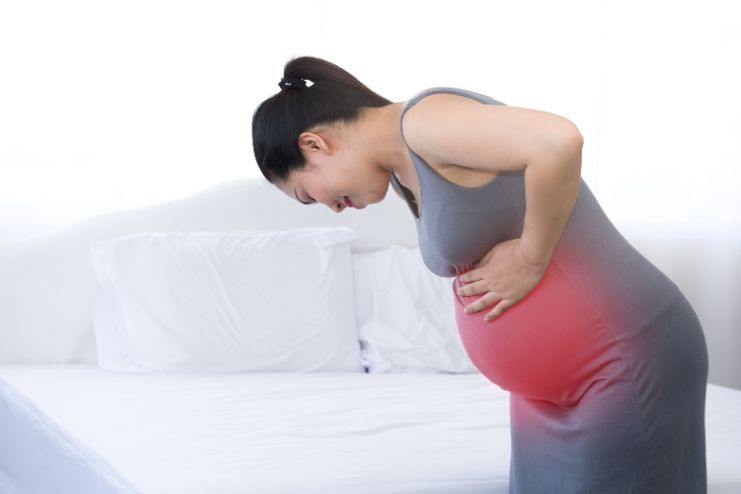
“Like other natural ways to try to induce labor, curb walking won’t make someone go into labor,” Sara Twogood, MD, an OB-GYN at Cedars-Sinai Medical Group and Flo Medical Expert, tells Motherly.
Walking won’t induce labor, but it may coax your body gently into preparation if it’s already close to readiness.
Here’s How It May Help:
- Encourages the baby’s movement into the pelvis
- Engages rhythmic pressure upon the cervix
- Enhances circulation to the uterus
- Reduces anxiety and releases happy hormones
Other Safe Exercises in the Third Trimester
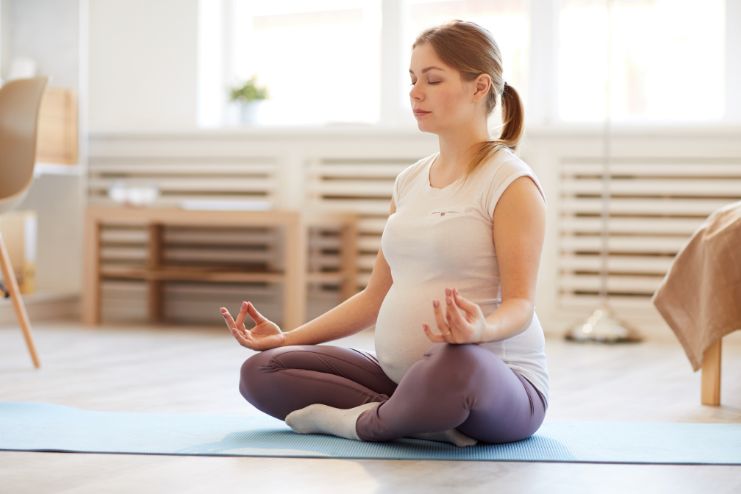
Although walking is an excellent baseline, mixing it up targets other muscle groups and avoids boredom. These OB-approved alternatives can substitute for or augment walking on off days.
Prenatal Yoga:
Promotes flexibility, awareness of the breath, and pelvic opening. It’s great for posture, sleep, and emotional grounding in the third trimester.
Swimming and Water Workouts
The buoyancy from water decreases pressure on joints and the spine. Swimming also reduces swelling and can provide a full-body workout with low impact during the final stage of pregnancy.
Stationary Biking
A recumbent or stationary bike that sits up is a better option when balance becomes a problem in the third trimester. It maintains your cardio system in motion without joint strain.
Pelvic Tilts and Gentle Strength Training
Targeted moves like squats, seated rows, or resistance band exercises (with guidance) can help maintain strength in the hips, core, and thighs. These muscles are essential for supporting your changing body and preparing for delivery.
Always consult your OB-Gyn or healthcare provider before trying new exercises, and avoid any workouts that require lying flat on your back after the second trimester.
Conclusion
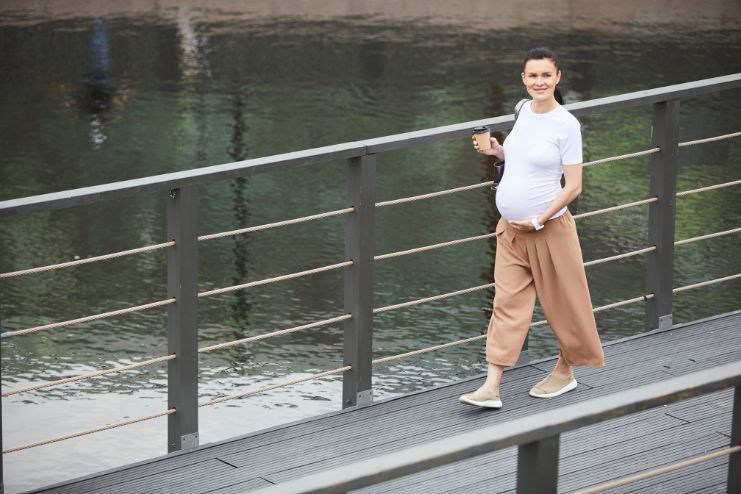
So, are long walks during the third trimester safe? Yes—for most women, walking is still one of the safest and best ways to remain active late in pregnancy.
It’s easy on the joints, flexible, and packed with benefits—everything from reducing swelling and improving mood to helping prepare for labor. But as crucial as walking itself is, it’s also how you walk— safely, thoughtfully, and in sync with your body.
Always consult with your doctor, listen for warning signs, and don’t feel obligated to push forward. Whether it’s a relaxed neighborhood walk or a brief indoor circuit, each step matters.
Respect your body’s rhythm, fuel your health, and approach motherhood boldly—one walk at a time.
References
- https://www.webmd.com/baby/third-trimester-pregnancy-exercise
- https://www.goodrx.com/well-being/movement-exercise/seated-bike-exercise-benefits
- https://www.truworthwellness.com/blog/exercise-during-pregnancy/
- https://www.mother.ly/health-wellness/womens-health/curb-walking-to-induce-labor/
- https://flo.health/about-us/sara-twogood
- https://www.acog.org/womens-health/faqs/exercise-during-pregnancy
- https://theolympians.co/tag/raul-artal/
- https://www.parents.com/pregnancy/my-body/fitness/easy-pregnant-walking-workouts/
In this Article