













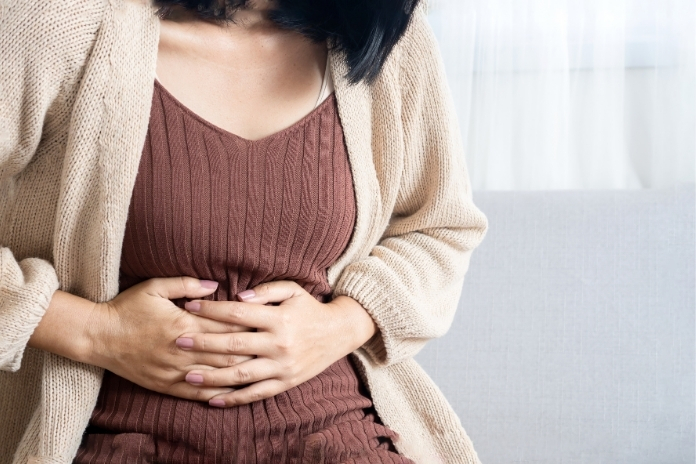
Have you ever had stomach pains or felt overly bloated after eating? Feeling bloated after meals is fairly common, with nearly 1 in 5 Americans reporting this discomfort at least once a week.
Post-meal bloating, which usually manifests as gassiness or an uncomfortable sensation of fullness in the abdomen, affects roughly 10% of adults.
Because there are so many possible causes, it isn’t easy to understand bloating. However, dietary factors, especially those that are poorly absorbed by the gut, are a prevalent culprit. Additionally, some nutritious vegetables can also produce bloating, even if it may be more frequently associated with rich and substantial meals.
You can maintain a balanced diet without experiencing gas and puffiness by understanding which vegetables can cause bloating and what to eat in their place. In this article, we’ll discuss five typical veggies that can be causing your bloating and provide easier-to-digest, gut-friendly substitutes.
Read More: Are Nightshade Vegetables Bad for Your Gut?
Why Some Vegetables Cause Bloating and Gas
It can be unpleasant and painful to experience gas, bloating, burping, or belching. Understanding the causes of gas and stomach bloating can help you alleviate some of the symptoms.
Bloating typically occurs when gas accumulates in your intestines or stomach for a brief period. When you’re bloated, you can discover that you either burp or pass gas a lot, and that it helps to let go of the air. Bloating also occurs when you don’t have regular bowel movements and your digestive system slows down.
Some foods are indeed known to produce greater gas. Nicole Herrmann, MS, RD, clinical nutrition manager at Sharp Coronado Hospital, notes that not all foods are made equal when it comes to gas. Certain meals that cause bloating and gas in some people don’t affect others, and vice versa. Eating very quickly, drinking with a straw, and consuming carbonated beverages are all additional factors that might cause gas.
You may want to reduce your intake of trigger foods, but you will never be gas-free because the average individual passes gas 13 to 20 times a day.
Gas pains are the pains caused by trapped or slow-moving gas. Certain foods have a higher propensity to cause gas in the digestive tract. Gas can be lessened by eating these items less frequently.
Top 5 Vegetables That May Cause Bloating
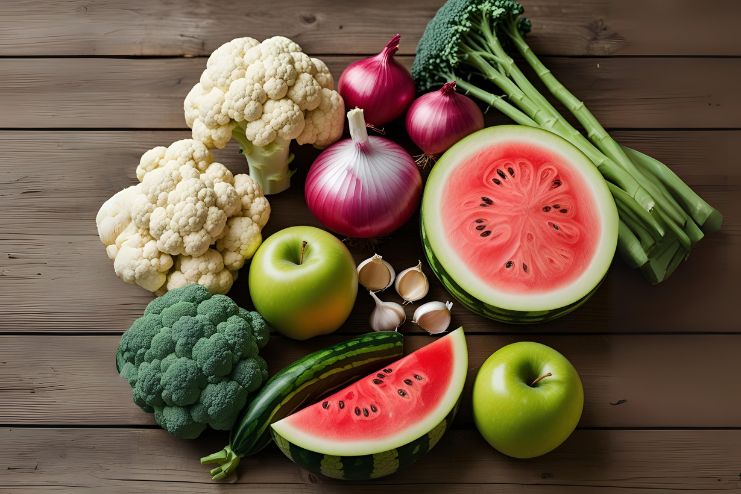
Although vegetables are essential for overall health, several varieties might cause gas and bloating because of their fermentable carbs and fiber levels. The top five vegetables that could be causing your bloated stomach are as follows:
1. Cruciferous Vegetables
As a result of their complex fibers, vegetables such as broccoli, cauliflower, Brussels sprouts, and cabbage are among the most difficult to digest. These vegetables often ferment in the digestive system, leading to gas and bloating. As a gentler alternative, dark leafy greens such as spinach, kale, and Swiss chard offer plenty of nutrients and are easier to digest.
2. Onions
This vegetable can bring tears to your eyes. Onions contain a kind of soluble fiber called fructan, which has the potential to cause a great deal of damage to the digestive tract. Another possibility is that the powerful root vegetable packs more of a punch than some sensitive stomachs can handle.
If you experience bloating as a result of the onions, you should begin with raw onions because they may cause more problems than cooked onions. But still, you should continue to include this anti-inflammatory food in your diet. One more alternative to this is to use onion powder.
3. Garlic
Garlic, like onions, contains fructans, which are fermentable carbohydrates which can be difficult for the digestive system to process. It is especially true of individuals who have irritable bowel syndrome (IBS). Gas, bloating, and discomfort in the abdominal region are common side effects of these substances.
Sautéing garlic helps mellow some of the compounds that cause discomfort, making it easier to digest. This way, you can enjoy raw garlic’s flavor and health benefits without the unpleasant bloating it often causes.
4. Apples
Despite being a nutrient-dense fruit, it may also be a secret source of bloating for some people. In addition to having high fiber content, apples have natural sugars such as fructose and sorbitol as part of their composition.
Many people, particularly those with sensitive digestive systems, have a difficult time absorbing these sugars in the small intestine section of their digestive tract. They undergo fermentation in the digestive tract, which results in producing gas and causing bloating, discomfort, and the familiar puffy, swollen feeling that occurs after eating.
5. The Watermelon
Certain fruits like watermelon are high in fructose, resulting in bloating. Naturally occurring fructose is a type of sugar that is difficult for your body to process, which can sometimes result in an excessive amount of gas. One slice of watermelon has approximately 10 grams of fructose, making it a fruit that is rich in this type of sugar.
In addition, there are disorders such as inherited fructose intolerance and fructose malabsorption that may affect specific individuals. Following the use of fructose, bloating may be a symptom of either of these illnesses. In addition, foods that are high in fructose content might make symptoms of irritable bowel syndrome even worse.
Read More: Why Some People Can’t Digest Cruciferous Vegetables (and What to Do About It)
Better Vegetable Alternatives for Sensitive Digestion
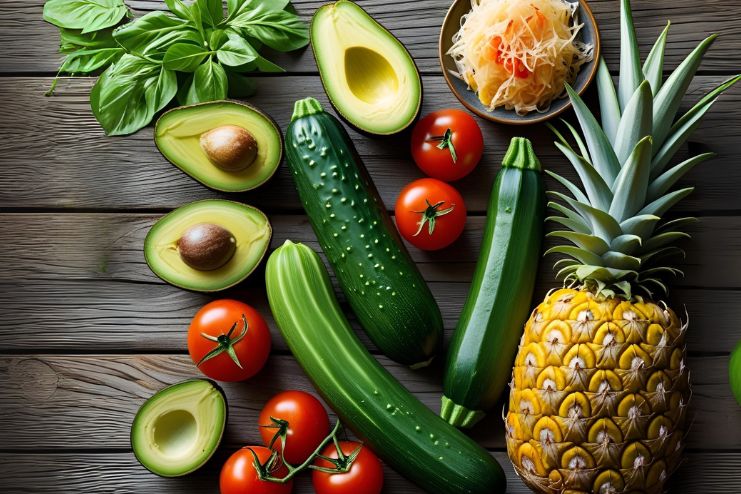
Switching gas-producing vegetables for gentler ones can greatly improve comfort for those with sensitive digestion or frequent bloating. Thankfully, several wholesome substitutes are less harsh on your digestive system while still providing vital vitamins and minerals.
1. Cucumber
If you consume the skin of the cucumber, you will receive a significant amount of vitamins and antioxidants. Cucumbers are an excellent source of many nutrients. However, in contrast to a substantial number of vegetables, cucumbers contain a comparatively low amount of fiber, which means that there is little probability that they will cause your stomach to enlarge. They are also extremely hydrating, as they are composed of 95% water, which further aids in the control of bloating.
2. Avocado
It’s that puffy feeling you get when you’ve consumed an excessive amount of salt, right? Avocados are good for you. Because of their high potassium content, they counteract the bloating effects that salt might have. Additionally, they contain healthy fat, which helps your body absorb other nutrients. Because of its velvety consistency, avocado is an excellent choice for a healthy dessert.
3. Sauerkraut
You can get a healthy boost of probiotics that are beneficial to the gut by eating fermented vegetables like sauerkraut. Make sure to purchase it from the section that requires refrigeration. Canned sauerkraut is typically cooked during processing, which destroys the beneficial live cultures you’re looking for.
4. Tomatoes
You can use tomatoes in many ways, like adding fresh slices to salads or cooking them into sauces, making them a versatile kitchen ingredient. They are also high in antioxidants. In addition, Segrave-Daly includes them on the list of vegetables least likely to cause bloating.
5. Zucchini
A wide variety of vegetables contain FODMAPs, which are specific types of sugars and carbohydrates. These components have the potential to produce unpleasant gas and bloating in individuals who suffer from illnesses such as irritable bowel syndrome (IBS). Since summer squash has a low FODMAP content, it is an excellent choice for individuals who are attempting to reduce their consumption of certain foods.
6. Pineapple
Additionally, pineapple, which is a tropical fruit, is primarily composed of water, and can help you stay hydrated. The enzyme bromelain, which may be found in pineapples, is beneficial for digestive health as it assists in the breakdown of proteins. Bromelain is one of the enzymes that is particularly useful in the breaking down of collagen.
How to Prepare Bloating-Causing Vegetables to Reduce Gas
If you enjoy vegetables like broccoli, cabbage, or onions but dislike the bloating they cause, how you prepare them might be key. Cooking breaks down tough fibers and fermentable carbs, making them easier to digest and less likely to cause gas.
- Cooking, especially boiling, can break down part of the indigestible fiber in foods like Brussels sprouts, cauliflower, and broccoli, which helps with digestion.
- Consume food at regular intervals and in smaller amounts. Consume in small portions more often during the day instead of consuming larger meals. The habit can lower the occurrence of bloating by helping your body to digest food better.
- Spice preparation with turmeric, fennel, cumin, or ginger helps digest food and reduces bloating. The spices slow down gas formation and soothe the stomach.
- Eating slowly and properly chewing your meal will help you swallow less air, which can potentially cause bloating.
- To promote a healthy digestive system, make sure you consume plenty of water each day. Staying well-hydrated helps the food to move smoothly through the digestive tract.
Read More: Purple Vegetables – Are They the Ultimate Anti-Aging Superfoods?
Signs You May Be Sensitive to Certain Vegetables
Vegetable allergies can affect the skin, respiratory system, digestive tract, and cardiovascular system, ranging from mild to severe in intensity. They may occur within minutes of consuming a particular vegetable or hours later.
Tingling in the mouth tingling, hives, itching or eczema, swelling of the face, tongue, mouth, or throat, wheezing, stuffy nose, or shortness of breath, stomach pain, diarrhea, nausea, vomiting, dizziness, lightheadedness, or fainting are some typical signs of a vegetable allergy.
Vegetable allergies can occasionally trigger anaphylaxis, a severe allergic reaction that requires immediate treatment. Airway constriction and tightening, a swollen throat or the feeling of a lump in your throat that makes breathing difficult, shock along with a sharp drop in blood pressure, a fast pulse, lightheadedness, dizziness, or loss of consciousness are some of the symptoms.
Keeping a food journal can help you track how your meals relate to any symptoms you experience. You can take proactive measures toward a more pleasant, gut-friendly diet without compromising nutrition by identifying the symptoms early.
When to Consider a Low-FODMAP Diet
A ‘FODMAP diet’ usually refers to a low-carbohydrate approach aimed at reducing digestive discomfort. It helps people with conditions like irritable bowel syndrome (IBS) or small intestinal bacterial overgrowth (SIBO) pinpoint foods that worsen or improve their symptoms.
The things you eat can have an impact on bowel irritation. Making dietary adjustments is a crucial component of your treatment to alleviate symptoms, including nausea, bloating in the abdomen, excessive gas, abdominal discomfort, and changes in bowel habits (constipation or diarrhea).
The small intestine poorly absorbs fermentable oligosaccharides, disaccharides, monosaccharides, and polyols—short-chain carbohydrates known as FODMAPs. After consuming them, some people have digestive issues.
Three steps make up the low-FODMAPS elimination diet:
- You begin by cutting out specific foods (foods rich in FODMAPs).
- After eliminating the food items, you slowly add the foods back to identify which ones have caused health issues.
- Once you know which foods trigger symptoms, you may limit or stop eating them and enjoy other food variants without worrying.
“Low FODMAP diet is a very restrictive kind of diet, and also a short-term eating plan,” says Hazel Galon Veloso, M.D., a gastroenterologist at Johns Hopkins. Speaking to your doctor before beginning a new diet is usually a good idea, however, because the low FODMAP diet restricts a wide range of foods, it isn’t meant to be followed long-term.
Read More: Lack Of Fruits And Vegetables In The Diet Can Impose Risks Of Heart Health
Tips for Adding Vegetables Back Into Your Diet

It is hard to continue eating veggies after experiencing bloating or other gastrointestinal issues, but if you follow the proper approach, you can eat vegetables without side effects. A few helpful tips are given below:
- Begin with gut-friendly foods like cucumbers, carrots, spinach, and zucchini.
- Roasting, boiling, or steaming breaks down fibers and makes veggies more straightforward to digest.
- One veggie at a time might help you determine which ones your body can handle and which ones make you sick.
- Chewing properly enables better digestion and reduces strain on the intestines.
- Combine vegetables with lower-digestion foods, like lean protein or rice.
Read More: New Study Finds Preventive Measures Of Colon Cancer In Vegetables
Conclusion
A balanced diet will have vegetables, but the key here is that not all vegetables are equal for all gastrointestinal tracts. Certain high-FODMAP foods, for example, cauliflower, broccoli, onions, and garlic, may be the reason behind bloating, gas, or even some discomfort in the digestive tract in individuals who are sensitive to them.
It doesn’t mean that you must avoid veggies entirely, though; you can continue to enjoy a healthy, non-bloating diet if you listen to how your body responds to them and make intelligent substitutions.
Gradual meal reintroduction, using correct cooking techniques, and opting for softer options can all have a significant impact on your mood. Making proper choices is facilitated by listening to your belly and being aware of the prevalent symptoms of food sensitivity.
References
- https://www.goodrx.com/well-being/gut-health/healthy-foods-that-cause-bloating
- https://www.health.com/food/best-and-worst-foods-for-bloating
- https://www.cnbc.com/2023/03/31/harvard-gut-doctor-shares-foods-that-cause-bloating-and-what-she-eats-instead.html
- https://www.gastroconsa.com/patient-education/gas-and-bloating/
- https://www.sharp.com/health-news/the-5-gassiest-foods
- https://www.southlakehospital.com/content-hub/why-does-my-stomach-get-so-bloated
- https://www.linkedin.com/in/nicole-herrmann-ms-rd-clec-140416ab/
- https://newsnetwork.mayoclinic.org/discussion/mayo-clinic-q-and-a-food-to-reduce-bloating/
- https://health.clevelandclinic.org/foods-that-cause-bloating
- https://www.donat.com/foods-that-cause-bloating-and-those-that-prevent-it/
- https://www.prevention.com/food-nutrition/a20473068/7-vegetables-that-wont-make-you-bloated/
- https://www.yorktest.com/intolerance/vegetable/
- https://www.hopkinsmedicine.org/health/wellness-and-prevention/fodmap-diet-what-you-need-to-know
- https://agcosprings.com/wp-content/uploads/2021/06/low-FODMAP-diet.pdf
In this Article