















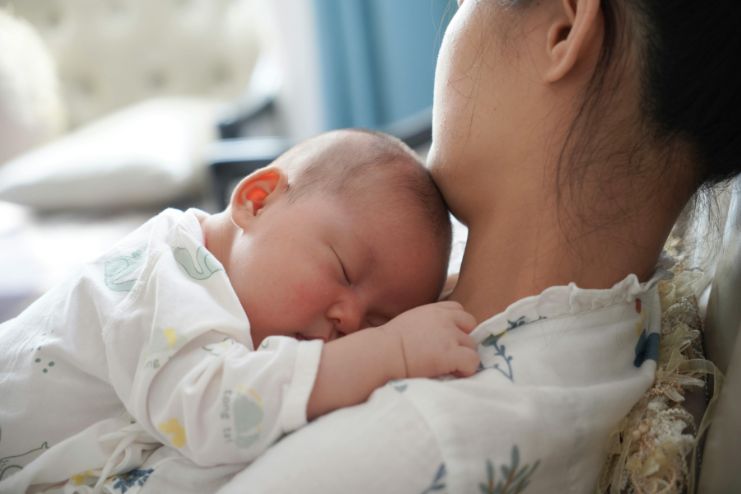
Imagine this: your newborn has finally fallen asleep, only on your chest. You don’t dare move. Your coffee is lukewarm. But your baby is calm, warm, and motionless. If this happens to sound like you, read on. Welcome to the world of contact naps—a controversial practice as comforting as it is problematic.
Some caregivers wonder: Are contact naps bad? Am I spoiling my baby? Will they ever nap on their own? These worries are normal and trouble most new mothers. These also arise from contemporary thinking about independence, routine, and self-soothing. But contact naps are biologically and emotionally typical—particularly during the early months.
This article helps us know contact naps in detail. Let’s better understand contact naps: what they are, why do babies love them, their benefits and disadvantages, and how (and when) to wean off, if necessary.
Read More: Top 9 Baby Products Every New Parent Needs: Essentials for Baby Care
What Are Contact Naps?
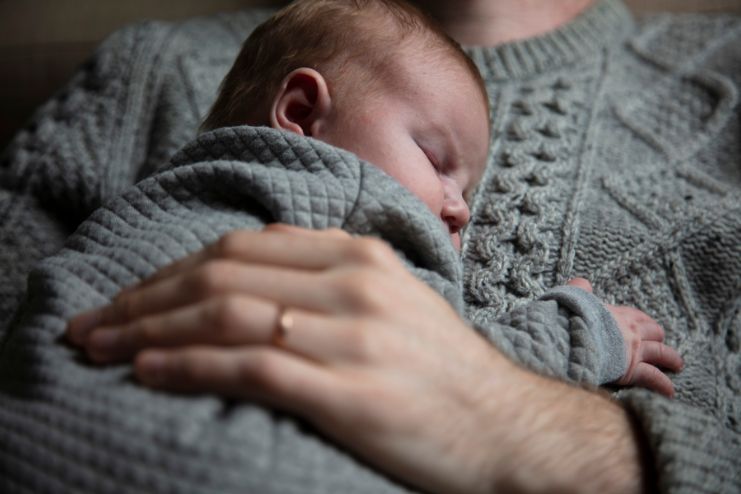
Contact naps are naps that occur when a baby is physically held or lying directly against a caregiver. Some common examples include:
- Napping on your arms or chest
- Slept in a baby wrap or carrier as you go about your day
- Falling asleep while nursing and remaining asleep in your lap
- Lying against your shoulder or body as you sit on the couch or in a chair
These naps occur most frequently during the first 12 weeks of life, also referred to as the “fourth trimester“—a time when babies are still learning to adapt to the outside world. Contact naps replicate the sensory environment of the womb: body warmth, heartbeat, movement, and mother’s scent.
For some babies, contact naps are the only means by which they can sleep soundly. That’s why their parents report, “My baby only naps on me” or “contact napping is the only thing that works.” It’s not something new, but biological.
Read More: Childproofing 101: Essential Safety Tips to Protect Your Kids at Home
Why Contact Naps Are So Common (Especially in Newborns)

Biological Need for Closeness:
Newborns are hardwired to be close to their caregivers. This closeness provides:
- Protection from environmental stressors
- Access to heat, food, and sensory regulation
- Protection from perceived threats (an innate evolutionary response)
Human infants are among the most dependent species. While other mammals get to walk a little after birth, humans are born neurologically immature. They depend on co-regulation, where the presence of a caregiver stabilizes their nervous system.
Contact naps offer this vital regulation. Your baby’s breathing, heart rate, and even body temperature can synchronize with yours during close physical contact.
Short Sleep Cycles and Light Sleep:
Newborns generally nap in short cycles—approximately 30 to 50 minutes. Newborns are also active in sleep (like REM), which is lighter. Contact naps enable babies to shift from one sleep cycle to another more harmoniously because they feel safe and uninterrupted.
Within the womb, babies never have a moment alone. They’re wrapped in heat, bathed in perpetual motion and dampened sound. When they’re held close, particularly when sleeping, those sensations persist—providing familiarity and reassurance. Not surprisingly, many babies sleep best in their caregivers’ arms.
Are Contact Naps a Bad Habit?

The notion that contact naps are “bad” is rooted in sleep independence expectations in society. But specialists across the board, pediatricians and infant sleep consultants included, maintain that contact naps are developmentally on-point during the first few months.
Infants aren’t able to create habits like older kids and adults do. They react to needs—hunger, displeasure, overstimulation, exhaustion, and closeness satisfies those needs.
There is no clinical evidence that contact naps before 4 to 6 months of age cause sleep issues later on.
When Contact Naps Might Become Challenging
Although not damaging, contact naps can become tricky if:
- You can’t get things done because the baby only sleeps in your arms
- You are physically tired or emotionally exhausted
- Your baby wakes instantly when moved to a crib
- You’re going back to work or bringing in a caregiver who can’t provide contact naps
These are extremely practical issues. If contact naps are working for your family, there’s no reason to discontinue them. But if they’re becoming an issue, it’s fine to think about transitioning.
Will Contact Naps Prevent Independent Sleep Later?
Not necessarily. Although babies can develop sleep associations, like needing to be held to fall asleep, these patterns can be gently phased out over time.. Sleep is a learned behavior, and babies learn when guided gradually.
Numerous babies who only experience contact napping during the first few months of their birth, will ultimately sleep on their own from 6 to 12 months with no official “training.”
Benefits of Contact Naps

Here are some benefits of contact naps:
1. Promotes Bonding and Attachment:
Physical closeness during naps increases oxytocin in both parent and baby. This enhances emotional connection and attachment security, leading to:
- Emotional resilience
- Secure relationships in the future
- Increasing confidence and autonomy over time
2. Regulates Baby’s Body Functions:
Contact napping is a type of co-regulation. It stabilizes:
- Heart rate
- Breathing patterns
- Body temperature
- Stress hormone levels
Contact naps may also promote neurological development and reduce stress responses in preterm or high-needs babies.
3. Maintains Parental Mental Health:
The oxytocin released during contact naps is also good for the caregiver. It:
- Decreases postpartum anxiety
- Fosters milk supply in breastfeeding parents
- Helps fight the loneliness and stress of new parenthood
4. Promotes Quality of Sleep:
Babies who have difficulty with short naps in a crib tend to nap more peacefully in contact. This benefits brain development, reduces overtiredness, and helps in improved nighttime sleep patterns.
5. Provides Calm, Mindful Moments:
Contact naps enable parents to slow down, be present, and absorb precious moments. They promote mindfulness and calmness—precious amidst an otherwise busy time.
Downsides or Concerns

1. Transferring Can Be Challenging:
Most babies wake the moment they are transferred to a crib. This can cause repeated nap interruptions, brief naps, or frustration during transfer.
2. Danger of Sleep Environments:
If contact naps are taken on a couch, recliner, or while the caregiver is sleeping, they cause an added risk of suffocation or Sudden Unexpected Infant Death (SUID).
To practice safe contact napping:
- Remain awake and alert
- Don’t use armchairs or soft spots
- Babywearing safely (upright, face visible, airway clear)
- Use safe babywearing practices
3. Caregiver Burnout:
Continuous physical proximity can be draining, emotionally and physically. Eventually, some caregivers become “touched out” or overstimulated—particularly if there are older kids, work requirements, or medical concerns.
4. Lifestyle Restrictions:
When the baby always asks for contact naps, everyday activities such as cooking, exercising, or working are more challenging. For solo parents, this can become unbearable.
When and How to Transition Away Gently

If you wish to wean the baby off contact naps, here’s how you know they are ready:
- Your baby is 4–6 months old and naturally extending nap cycles
- They show the tendency to fall asleep independent of rocking or feeding
- You are physically fatigued by extended contact naps
- You’re getting ready for daycare or co-caregiving
How to Transition Gently:
A few tips that’ll help you wean your baby off contact napping:
- Begin with the morning nap—the easiest for most babies. Keep contact naps going until later naps for a smoother transition.
- Establish a Consistent Nap Routine
Even a brief routine can be helpful. Example:
- Diaper change
- Dim lights
- White noise
- Gentle rocking
- Put baby down when they’re drowsy, but still awake
- Implement Motion and Proximity Alternatives
Try to:
- Rock the baby to sleep and then put them in a crib
- Baby-wearing until sleepy and then move to another location
- Put your hand on their chest for comfort
These cues allow for the signaling of sleep while still fostering independence.
- Be Flexible and responsive
Transitions are slow. If your baby cries or fights, go back to contact naps temporarily and try later. There’s no hurry. Sleep skills are developed step by step.
Expert Recommendations

Though contact naps are soothing and developmentally beneficial, they do have some significant safety concerns—particularly if the caregiver falls asleep.
The American Academy of Pediatrics (AAP) recognizes that contact naps can work if the caregiver is awake and alert, and the baby is in a secure position. They nevertheless firmly advise against sleep in the position of holding the baby, especially on soft objects such as couches or recliners, where suffocation and sleep-related infant death are greatly enhanced.
The AAP’s general sleep guidelines are as follows:
- Always place babies on their backs to sleep
- Use a firm, flat sleep surface (such as a crib or bassinet)
- Avoid bed-sharing, which may raise the risk of SIDS (Sudden Infant Death Syndrome)
- Remove pillows, blankets, toys, or anything else that may obstruct breathing from the sleeping area
In brief, contact naps can be safe, but only under close observation and with the baby’s airway completely visible and unobstructed. If the caregiver is tired or in danger of falling asleep, it’s best to put the baby into the crib or bassinet.
Kensey Butkevich, a board-certified behavior analyst and certified child sleep consultant with over 13 years of experience, challenges this narrative. She explains that these critiques often come from a lack of understanding:
It’s so crucial to be having these conversations, because you just hear, like, ‘If you do get into contact napping, it’s a bad habit,’ or ‘You’re building a crutch.’ But those are things for people who don’t know how contact napping functions, why it helps, or where it fits in early development” adds Kensey Butkevich, BCBA & Sleep Easy Consulting Founder
Contact naps are not only a normal part of sleep, but essential for building a bond, regulating emotions, and forming secure attachments, Kensey points out.
She encourages parents to worry less about “breaking habits” and more about why babies sleep best in contact in early infancy. Contact naps don’t undermine sleep skills, but instead provide a foundation for healthy emotional development and ultimately, easier transitions to independent sleep.
Conclusion
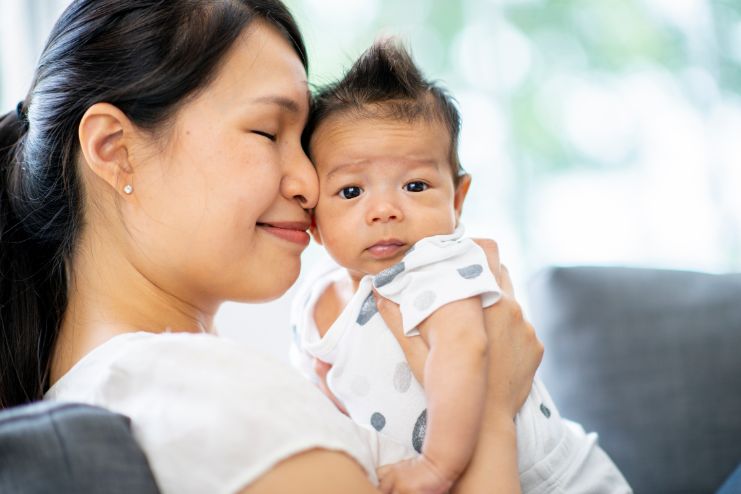
Contact naps aren’t bad habits—rather, a reaction to the newborn’s desire for security, proximity, and self-regulation. Babies nap better, bond with their parents, and settle into life after birth with contact naps. For most families, they’re a precious part of those first few months.
For others, though, contact naps will become unsustainable. When and if that’s the case, you can phase them out slowly—without anxiety, guilt, or “cry-it-out” techniques.
The secret is this: Do what works best for your baby, for your body, and your family. Sleep is not a competition—it’s a connection. If your baby naps on your chest or in a crib, the most important thing is that they feel safe and loved.
References
- https://www.shellytaftibclc.com/contact-napping/
- https://kidshealth.org/en/parents/sids.html
- https://www.pregnancybirthbaby.org.au/sleep-patterns-for-babies
- https://www.happiestbaby.com/blogs/baby/contact-naps
- https://www.pregnancybirthbaby.org.au/sleep-patterns-for-babies
- https://www.happiestbaby.com/blogs/baby/contact-naps
In this Article