











Ever wondered if your body absorbs nutrients more efficiently on an empty stomach? You’re not alone. Millions begin their day with supplements, often without breakfast, hoping to boost energy, immunity, or focus. But is this the right way?
The short answer: It depends on the nutrient.
This article explains nutrient absorption, the function of food and fasting, and advice from experts on how and when to take your supplements to get the best benefit.
Read More: 6 Best Vitamins To Improve Your Brain Health
How Nutrient Absorption Occurs in the Body
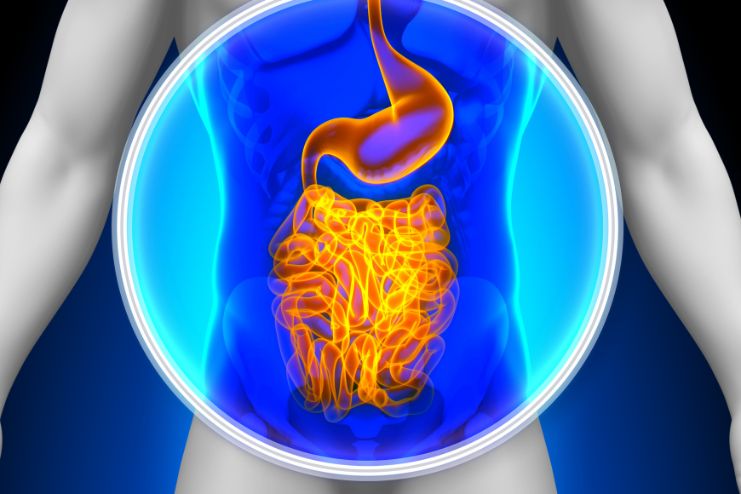
Nutrient absorption is a multifaceted but intriguing process. It begins the moment you bite your food and extends well into your small intestine. This is how it happens:
In the mouth, saliva enzymes and digestion initiate the breakdown of carbohydrates.
In the stomach, digestive enzymes such as pepsin and hydrochloric acid begin to digest proteins. The acidic pH also helps the release of some vitamins and minerals from food matrices or supplement coatings.
In the small intestine, most absorption occurs here. Pancreatic enzymes, the liver’s bile, and intestinal enzymes break down nutrients into absorbable forms.
The efficiency of nutrient absorption depends on:
- Stomach acid concentrations are required to break down and absorb minerals such as calcium, iron, and zinc.
- The activity of enzymes helps in the breakdown of proteins, carbohydrates, and fats into amino acids, sugars, and fatty acids.
- Availability of bile is essential for fat-soluble vitamin absorption, such as A, D, E, and K.
Some nutrients require food to be absorbed; others compete with food or other nutrients for absorption. Without food, the stomach empties quickly, potentially altering how long supplements stay in contact with absorptive surfaces.
Certain nutrients also use special “transporters” in the gut lining. These can become saturated or blocked depending on what else you’ve consumed.
Understanding this gives context to why some supplements are better taken on an empty stomach, and why others absolutely shouldn’t be.
Before you decide whether or not to take a vitamin without food, it’s best to know how your body will absorb it.
“You need to determine if they are water- or fat-soluble,” says Crystal Scott, RD, a registered dietitian at Top Coaching Nutrition.
Does an Empty Stomach Improve Nutrient Absorption?
Let’s tackle the important question: Do you digest nutrients more efficiently on an empty stomach?
Yes, for certain nutrients. No, for others.
When you take supplements on an empty stomach, it usually means more rapid and easier transit and fewer interactions with the food. But “faster” doesn’t necessarily equal “better.”
Possible Pros:
- Improved Absorption: Water-soluble vitamins such as B-complex and vitamin C can reach your bloodstream more quickly without food retarding gastric emptying.
- Improved Effectiveness: Certain substances, such as some amino acids or plant extracts, are more effective under fasted circumstances.
- Less Interaction: Iron, for instance, displaces calcium and other minerals. Taking it by itself avoids absorption problems.
Possible Cons:
- Gastric Irritation: Certain supplements, particularly iron or zinc, may provoke nausea or cramping in the stomach if taken on an empty stomach.
- Decreased Bioavailability: Fat-soluble vitamins require fat to be absorbed. Taking them on an empty stomach means they can pass through unused.
- Wasted Doses: Without bile production, most fat-soluble substances remain unabsorbed.
So while an empty stomach may make some nutrients more effective, it can make others useless—or even worse, dangerous.
Read More: Magnesium Before Bed: TikTok’s Favorite Sleep Hack, Explained by Science
Nutrients That Are Better Absorbed on an Empty Stomach
To make the decision easier for you, we have listed down a few nutrients that are better absorbed on an empty stomach. These include:
Water-Soluble Vitamins: Vitamin C and B-Complex:
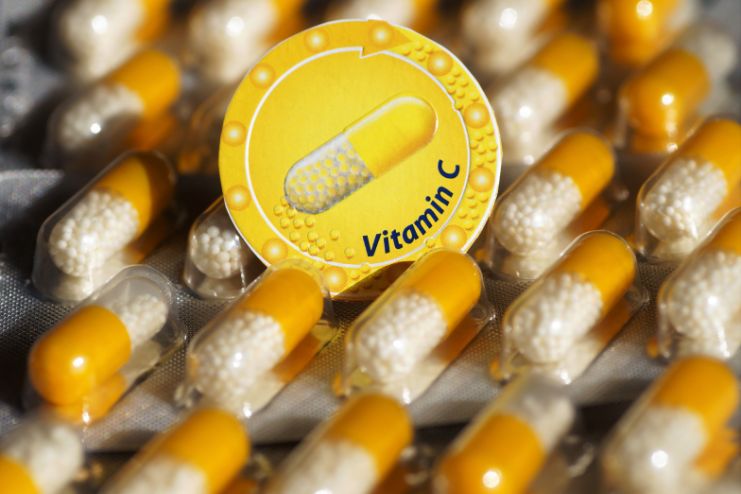
These water-soluble vitamins dissolve in water and are absorbed through the bloodstream directly without the need for fat or complex digestion. Which is why they’re best taken first thing in the morning.
- Vitamin C helps in building immunity and promoting collagen synthesis.
- B vitamins (such as B6, B12, folate) assist with energy metabolism and nervous function.
Best Taken: First thing in the morning, with water.
Warning: A few people report mild nausea—begin with lower doses, if necessary.
Iron
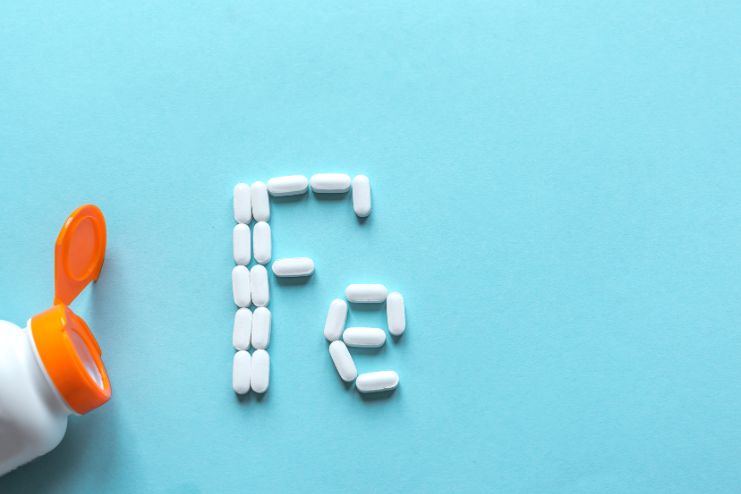
Iron requires an acidic environment and is best absorbed when taken without inhibitors such as calcium or caffeine.
- Vitamin C enhances its absorption, so a combination like iron + orange juice is a good one.
- Skip dairy, tea, coffee, and calcium-rich foods 1–2 hours beforehand.
Best Taken: On an empty stomach, 30–60 minutes before breakfast.
Warning: If you are nauseous, have it with a little food or fruit, not milk.
Probiotics (strain-specific)
Certain probiotic strains, particularly Lactobacillus and Bifidobacterium, work better without food, as stomach acid decreases during fasting.
Other strains require the combined action of food to balance stomach acid.
Best Taken: 30 minutes before breakfast. Consult your product labeling for strain-specific timing.
Nutrients That Need Food for Best Absorption
Now that we know about nutrients better absorbed on an empty stomach, it is time to learn about the ones that need food for better absorption.
Fat-Soluble Vitamins: A, D, E, K
These vitamins dissolve in fat, not water. Without food fat, your body simply can’t absorb them well. For example, vitamin D taken in the morning is hardly absorbed.
Even tiny amounts of olive oil, nuts, eggs, or dairy can promote bile release and increase absorption significantly.
Best Taken: At a meal containing fat, preferably lunch or dinner.
Calcium Carbonate
Whereas calcium citrate does not need stomach acid for absorption, calcium carbonate needs food to stimulate the acid.
Best Taken: During a meal, not convenient for periods of fasting or after drinking coffee.
Magnesium and Zinc
Though technically digestible without food, these minerals tend to upset stomachs. We can prevent this by taking them with food.
- Magnesium is also gently sedating and so great before bed.
- Zinc aids in immunity and healing wounds, but makes some people nauseated on an empty stomach.
Best Taken: With meals (zinc), or with a snack at bedtime (magnesium).
Fish Oil and Multivitamins
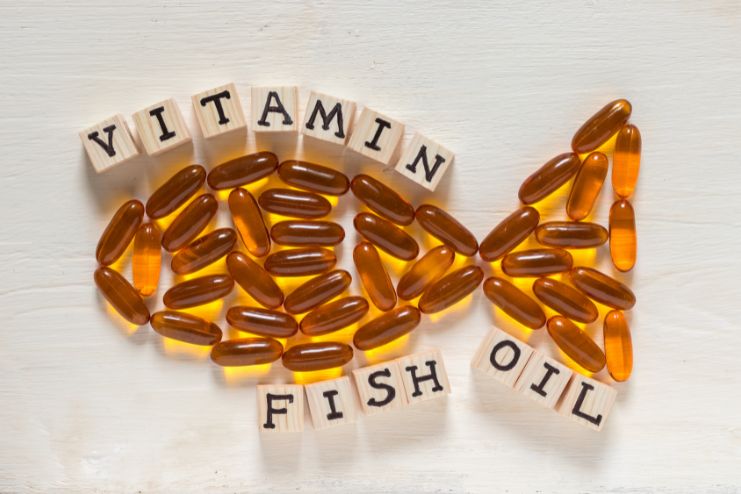
Both carry fat-soluble substances, omega-3s in fish oil, and vitamins A, D, E, and K in multivitamins. Without fat, however, a great deal of the product will go to waste.
Multivitamins also include iron or calcium, which are competing nutrients that can be displaced if ingested with the wrong diet.
Best Taken: At a full meal, preferably one that contains healthy fat.
Read More: Fish Oil Benefits for Weight Loss – How Does it Work?
Common Mistakes People Make With Supplement Timing

Whether it is right to take supplements in the morning or evening, on an empty stomach or after meals, depends upon the nature of the vitamins taken. However, we generally make certain mistakes that might affect the nutrient absorption of supplements. Here are a few common ones that you must avoid:
Taking All Supplements at Once:
Some supplements interact badly when combined. For example:
- Calcium prevents the absorption of iron.
- Zinc displaces copper and iron. This means, excessive zinc supplementation can hinder the absorption of copper and iron.
- Fat-soluble vitamins and water-soluble vitamins do not follow the same channels in the body. Hence, it must not be taken in close time intervals or together.
It is tempting to “get it over with,” but separating doses throughout the day is a more efficient way and helps prevent nausea or gut issues.
Skipping Label Instructions:
“Take with food” or “take on an empty stomach” isn’t optional—it’s a way that the nutrients function. Forgetting that can result in wasted supplements—or worse, nasty side effects.
Taking with Caffeine or Medications:
- Coffee and tea have tannins and polyphenols that disrupt vitamin absorption, particularly of iron and magnesium.
- Some antibiotics and thyroid drugs also conflict with calcium or multivitamins.
Best Practice: Keep meds and supplements apart by at least 2–4 hours unless otherwise directed.
Inconsistent Timing:
Taking supplements at irregular times every day confuses your body and decreases bioavailability. Being consistent—particularly with nutrients such as magnesium or probiotics that have cumulative activities—is important.
What the Experts Say

The right supplement regimen is all about personalization. Here’s a science-based schedule:
Morning (Empty Stomach):
- Vitamin C and B-Complex: For energy, mood, and immune function.
- Iron: Absorbs best when either consumed alone or with vitamin C.
- Certain Probiotics: Some strains work the best before meals.
Have plenty of water and wait 30–60 minutes before breakfast.
With Meals (Mainly Lunch or Dinner)
- Fat-soluble Vitamins (A, D, E, K): Require fat for absorption.
- Fish Oil or Krill Oil: Best absorbed with fatty meals.
- Multivitamins: Because of the diverse types of nutrients.
- Calcium Carbonate: Utilizes stomach acid stimulated by food.
- Zinc: Less irritating when taken with food.
Opt for meals with beneficial fats—olive oil, nuts, yogurt, and avocado.
Evening or Night:
- Magnesium: Induces relaxation and quality sleep.
- Ashwagandha or Adaptogens: Maintains balance of cortisol during the evening.
- Probiotics (strain-specific): May be better preserved overnight when the hen’s stomach is not as acidic.
Avoid taking alcohol, caffeine, or heavy meals during late evenings.
Final Verdict: Is Taking Vitamins on an Empty Stomach Good or Bad?
The answer to “Do you absorb nutrients better on an empty stomach?” is complex.
Yes—for:
- Water-soluble vitamins (Vitamin C, B-complex)
- Iron (if not taken in conjunction with calcium)
- Certain probiotics
- Certain herbal adaptogens
No—for:
- Fat-soluble vitamins (A, D, E, K)
- Fish oil and multivitamins
- Calcium carbonate
- Magnesium and zinc (due to GI side effects)
What is most important isn’t necessarily when you take your supplements, but how regularly you do, and whether you pair the nutrient with its optimal absorption conditions.
Conclusion
So, do you take your supplements on an empty stomach?
Sometimes, yes—but it varies with the kind of nutrient, product, your tolerance level, and your eating patterns. A water-soluble vitamin consumed before meals may give you a boost. But a fat-soluble one consumed at the same time could be wasted.
- Take note of the label.
- Pair nutrients strategically.
- Listen to your body.
- And most of all, remain consistent.
Success with supplements isn’t only when you take them, but also how they work within your daily rhythm.
References
- https://timesofindia.indiatimes.com/life-style/health-fitness/health-news/you-might-be-taking-your-vitamins-all-wrong-things-to-know/articleshow/121484639.cms
- https://parade.com/health/taking-supplements-on-an-empty-stomach
- https://ods.od.nih.gov/factsheets/Copper-HealthProfessional/
- https://vananherbal.eu/blogs/news/when-to-take-ashwagandha-before-or-after-meal
- https://www.uspharmacist.com/article/drug-interactions-with-vitamins-and-minerals
- https://examine.com/supplements/berberine/
- https://ods.od.nih.gov/factsheets/Copper-HealthProfessional/
- https://www.livestrong.com/article/13776899-taking-vitamins-on-an-empty-stomach/
In this Article