














Ever wonder why you find yourself suddenly craving sweets, junk food, or salty treats? Well, it turns out your gut bacteria may be driving your cravings more than you realize. The connection between the gut and the brain has a significant influence on food decisions, and the balance of your gut microbiome can dictate whether you grab an apple or a candy bar.
A healthy gut microbiome is important not only for digestion but also for making healthier food choices. If your cravings are out of control, your gut bacteria might be the culprit. Let’s take a look at the science behind this and how you can hack your microbiome for improved food habits. In this article, we will understand how your gut bacteria affect your food cravings.
The Science Behind Gut Bacteria and Food Cravings
Gut Microbiome Basics – What It Is and Why It Matters
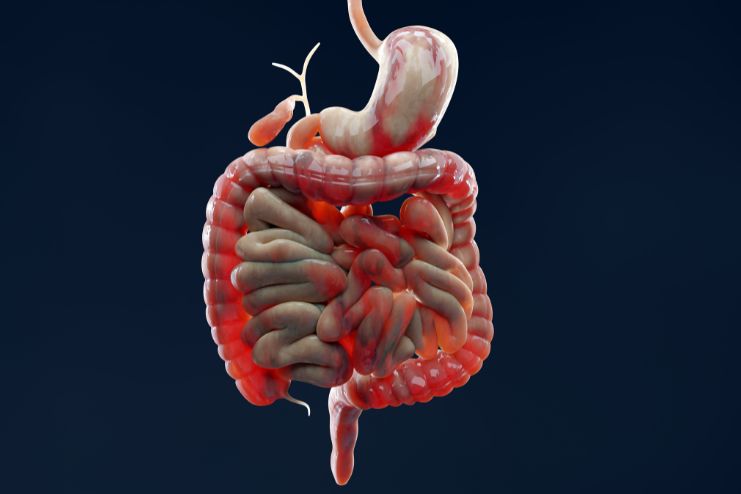
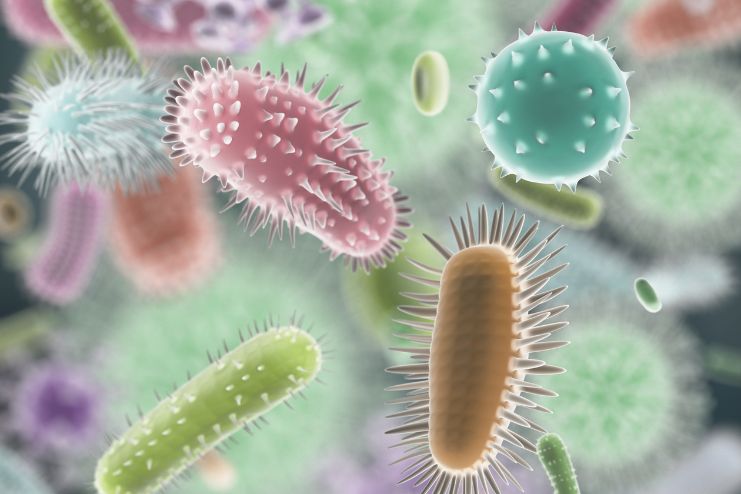
Your gut microbiome is an immense collection of trillions of microbes comprising bacteria, fungi, and more in your intestines. The microbes aid digestion and the immune system and even regulate your mood. Perhaps more relevant, they are capable of dictating which food you crave. Research by Scientific American suggests that bacteria in your gut drive dietary cravings by remodeling the neural mechanisms supporting hunger and cravings.
How Gut Bacteria Communicate with Your Brain
The gut and brain communicate through the gut-brain axis, a complex network involving the nervous system, hormones, and neurotransmitters.
- Neurotransmitters and Cravings: Gut bacteria shape neurotransmitters such as serotonin and dopamine, which control mood and cravings. The gut produces about 90% of the body’s serotonin, and a deficiency has been associated with elevated cravings for sugar.
- Microbial Messaging: Some gut microbes release chemical cues that cause you to crave what they feed on. Researchers from a study published in Scientific Reports discovered that bacteria called Firmicutes, which live on sugar, can also boost cravings for sweets by affecting host signaling pathways.
Different Bacteria, Different Cravings
Not all bacteria are the same, some promote healthy food cravings, while others drive you toward unhealthy options.
- Sugar-loving Bacteria: An overgrowth of bacteria such as Firmicutes and fungi like Candida feed on sugar, fueling your desire for sweets and processed carbohydrates. According to research, it was discovered that those with a higher Firmicutes-to-Bacteroidetes ratio will have a greater desire for and intake of high-calorie foods.
- Fiber-loving Bacteria: Good bacteria such as Bacteroidetes thrive on foods high in fiber, reducing the desire for bad snacks. Proper balance in Bacteroidetes is linked to decreased cravings for sugar and enhanced metabolic function.
- Dysbiosis and Cravings: Disruption (dysbiosis) of the balance of gut bacteria can lead to increased cravings for junk food, which in turn creates increased rounds of poor food choices. Research suggests that overeating is linked to gut dysbiosis and changes the appetite signals, increasing hunger for processed foods.
Common Food Cravings and Their Gut Microbial Links
Now that we know how gut microbiota impacts our hunger, particularly cravings. It becomes essential to know how certain food cravings are linked to the gut microbiota:
Sugar and Processed Carbs:
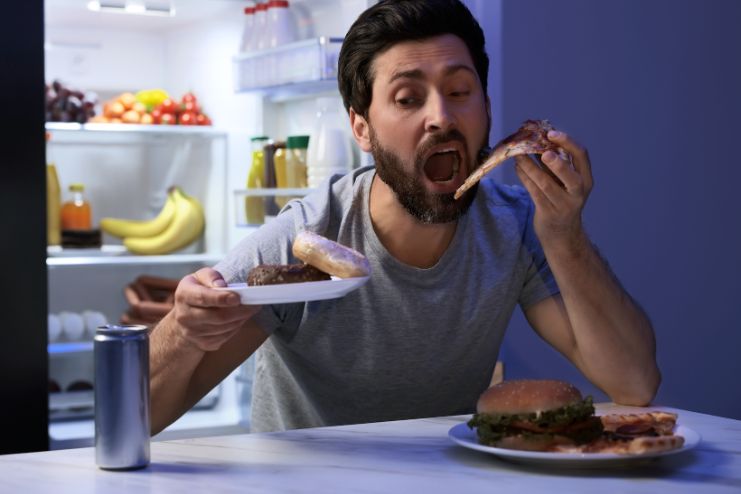
- What Happens? Gut bacteria thrive on the foods you consume, influencing your cravings in return. If sugar-loving bacteria dominate your gut, consuming sugar fuels their growth. In response, these bacteria release signals that trigger more sugar cravings, creating a vicious cycle that reinforces unhealthy eating habits.
- The Impact: Excessive sugar upsets gut balance by nourishing toxic bacteria such as Firmicutes and Candida, and decreasing beneficial bacteria such as Bacteroidetes, which regulate metabolism and hunger. This imbalance disturbs the gut barrier, elevates inflammation, and changes communication between the gut and brain. As the harmful bacteria multiply, they produce signals that make sugar cravings stronger, leading to a vicious cycle in which a poor diet becomes more difficult to abandon.
Fats and Junk Food:
- What Happens? Some gut bacteria can make you desire fried and processed foods that are rich in unhealthy fats. Research indicates that an unbalanced gut microbiome, especially an overgrowth of Firmicutes, can lead to high-fat food cravings. These bacteria communicate with the nervous system and send biochemical signals that increase the cravings for fried and junk food. This means that the more unhealthy fats you eat, the greater the cravings become, and it is more difficult to resist these foods.
- The Impact: Over time, a diet high in unhealthy fats may cause chronic inflammation, as endotoxins produced by pathogenic bacteria break down the gut barrier and induce immune reactions. Such inflammation leads to metabolic diseases, insulin resistance, and heightened susceptibility to obesity.Excess unhealthy fats also lead to gut dysbiosis killing good bacteria while nurturing bad bacteria. This can have serious consequences as you tend to have more cravings and become more prone to digestive issues., An imbalance tin he microbiome is also known to impact satiety hormones such as leptin, and eating can become an easy task but not losing weight.
Salty Foods:
- What Happens? Though salt cravings are usually attributed to the body’s demand for sodium equilibrium,new research indicates that the gut microbiota could be involved as well. Too much salt can affect the balance of gut bacteria, eliminating protective strains such as Lactobacillus, and impacting immune function and metabolic well-being.
Gut microbiota disturbances can make you crave more salt. Moreover, gut microbes communicate with the brain via the gut-brain axis, and impact the body’s sense of salt necessity above and beyond physiological needs.
- The Impact: A diet rich in processed salt can hurt gut microbiome diversity, causing inflammation and an imbalance of good and bad bacteria. Studies have established that excessive sodium intake can increase pro-inflammatory bacteria, which leads to gut permeability problems and immune system dysfunction.
With time, these changes can impact digestion, metabolism, and even mood, perpetuating unhealthy eating habits. Decreasing processed salt consumption and eating more whole, nutrient-rich foods can help maintain gut microbial balance, possibly decreasing excessive cravings while supporting overall health.
Fermented and Bitter Foods
- What Happens?: A healthy gut microbiome is likely to prefer nutrient-rich foods, such as fermented foods like yogurt, kimchi, and sauerkraut. Fermented foods are rich in healthy probiotics that improve gut microbial diversity, helping digestion and overall gut health.
As per studies, daily intake of fermented foods can regulate gut bacteria composition, promoting the growth of healthy strains like Lactobacillus and Bifidobacterium. These microbes play a role in gut-brain communication, which can further affect cravings.
- The Impact: Fermented foods help in regaining balance within the gut microbiome through live, beneficial bacteria that compete with the bad microbes associated with poor food choices. The probiotics in fermented foods reduce inflammation, promote gut barrier function, and even modulate neurotransmitters that cause hunger and cravings.
By ensuring a healthy gut environment, these foods are a great way to reduce the frequency of cravings, promoting long-term gut health and overall well-being.
How to Hack Your Gut to Reduce Unhealthy Cravings
Cravings aren’t just a matter of willpower, they’re frequently heavily driven by the gut microbiome. The good news is that you can take charge of your cravings by cultivating a healthier gut environment. Here’s how:
Feed the Right Bacteria:
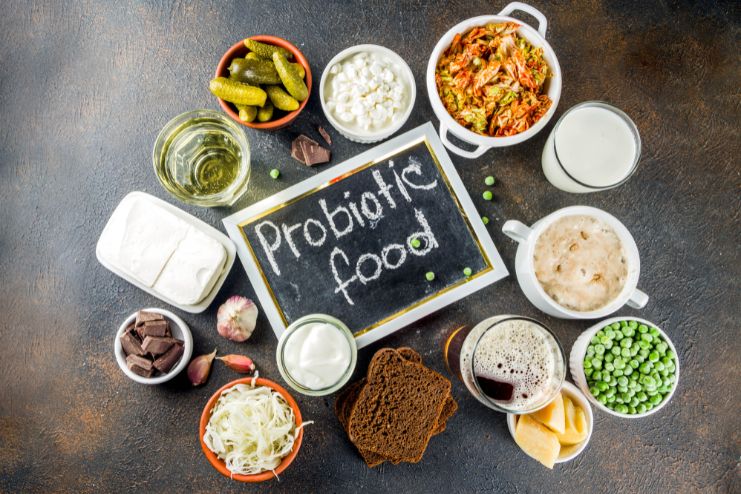
- Increase Prebiotic Content: Prebiotics are undigestible fibers which provide fuel to good gut microbes. Bananas, onions, garlic, asparagus, and oats promote feeding of Bacteroidetes associated with lower carbohydrate cravings.
- Eat Probiotic Foods: Yogurt, kefir, kimchi, and sauerkraut foods contain probiotics that provide friendly bacteria to the gut, as well as suppress your cravings. Adding probiotics to your diet can also reduce the appetite and ensure better metabolic wellness.
Diversify Your Diet:
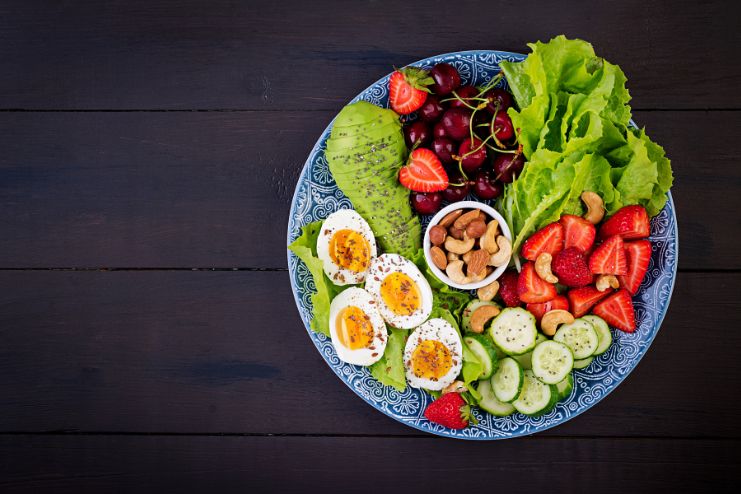
- Why variety matters: A varied diet not just promotes a balanced microbiome, but also reduces the overgrowth of sugar-loving bacteria such as Firmicutes.
- Polyphenols for gut health: Polyphenols present in foods such as berries, green tea, and dark chocolate encourage healthy gut bacteria and can potentially suppress sugar cravings by encouraging microbial balance.
Reduce Processed and Sugary Foods:
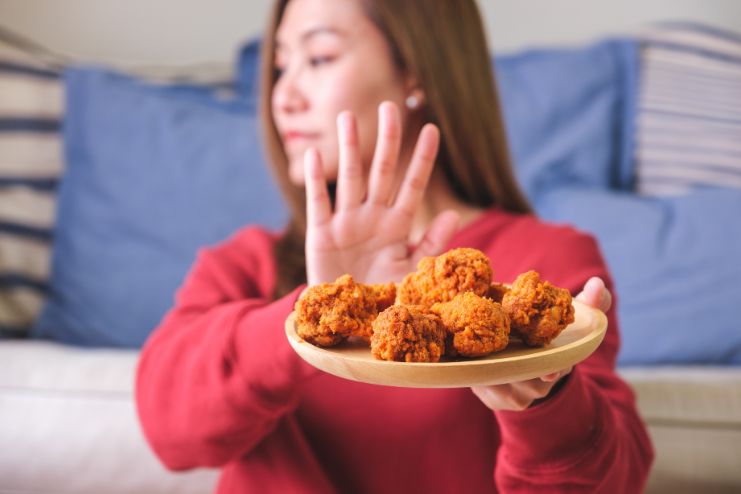
- How Sugar Feeds Harmful Bacteria: Too much sugar fuels bad bacteria and yeast (like Candida), stimulating hunger and upsetting gut balance.
- Tips to Reduce Sugar Intake: Gradually cut back sugar by substituting processed sweets with whole fruits and fiber-rich snacks. These helps to stabilize blood sugar and prevent further cravings.
Manage Stress and Sleep:

- Stress and Gut Health: Continuous stress can impact gut bacteria and lead to excessive production of the stress hormone, cortisol. This makes you crave certain foods more than usual and often leads to gut dysbiosis.
- Sleep and Cravings: Poorsleep impacts the gut microbiome negatively and can spike hunger hormones such as ghrelin. Prioritize good sleep for 7–9 hours to support gut health and help regulate cravings.
Consider Probiotic and Prebiotic Supplements

- When to Take Them: A probiotic-rich diet paired with prebiotics is usually sufficient to maintain gut health. However, sometimes this alone does not work and needs supplements. You must opt for supplements If dietary changes aren’t enough and help rebalance your gut microbiome.
- How They Help: Probiotics are good gut bacteria, while prebiotics act as food for good microbes, supporting a healthier gut environment. Having a healthy balance of prebiotics and probiotics is essential to curtail cravings.
By adopting these small changes, you can change your cravings for healthy foods and nourish your long-term gut and overall well-being.
Conclusion
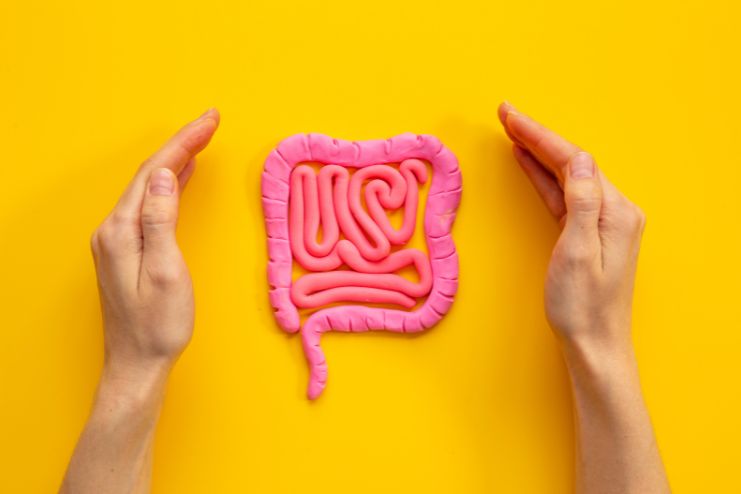
We now understand that cravings are not just because of your mind, but gut too. Good gut health is an essential component in reducing cravings and maintaining overall health.
Your gut bacteria help understand your cravings.
If you frequently find yourself craving sugar, junk food, or processed carbs, your microbiome could be out of track. With small but powerful shifts such as increasing your fiber, probiotics, and polyphenol intake you can rebalance your gut to want healthier foods.
Begin by experimenting with your diet and paying attention to your body cues. Over time, your gut microbiome will adjust, naturally guiding you towards better food options. A healthy gut means less cravings and overall wellness!
References
- https://pmc.ncbi.nlm.nih.gov/articles/PMC10253795/
- https://www.rccspokanevalley.com/sweet-poison/
- https://www.healthline.com/nutrition/gut-bacteria-and-weight
- https://pmc.ncbi.nlm.nih.gov/articles/PMC6835969/
- https://timesofindia.indiatimes.com/life-style/health-fitness/diet/5-foods-that-contain-more-probiotics-than-curd/articleshow/119170844.cms
- https://timesofindia.indiatimes.com/life-style/health-fitness/diet/5-foods-that-contain-more-probiotics-than-curd/articleshow/119170844.cms
- https://pmc.ncbi.nlm.nih.gov/articles/PMC7284805/
- https://www.scientificamerican.com/article/your-candy-cravings-might-be-controlled-by-this-gut-bacterium/
In this Article