
















Wrist fractures are among the most frequently occurring bone injuries, affecting individuals of all ages and lifestyles. From children playing sports to older adults experiencing falls, the wrist is particularly vulnerable due to its role in protecting the body during sudden impact. The natural human reflex to break a fall with an outstretched hand often results in the full force of the impact being absorbed by the delicate bones of the wrist, making them prone to fractures.
While wrist fractures are common, they are often mistakenly perceived as minor injuries. Many people delay seeking medical attention, assuming the pain or swelling will subside with rest or over-the-counter medication. However, even a small break or hairline crack can lead to long-term complications if left untreated, including chronic pain, limited range of motion, nerve damage, or early onset of arthritis.
Wrist fractures come in various forms, from clean breaks to complex, multiple-bone fractures, and each type demands a tailored treatment plan. In this guide, we’ll walk you through the most common types of wrist fractures and offer a clear picture of what to expect during the healing journey, from immobilization and physical therapy to full recovery and prevention of future injuries.
Anatomy of the Wrist (Quick Overview)

The wrist is a highly flexible yet delicate joint made up of ten bones: the two long bones of the forearm, the radius and ulna, and eight carpal bones arranged in two rows. These bones connect the hand to the forearm and work together to provide the wrist with its wide range of motion, enabling everyday tasks like lifting, typing, gripping, and rotating the hand.
Among these bones, the distal radius, the end portion of the radius near the wrist, is the most commonly fractured, especially during falls when we instinctively use our hands to break the impact. Another frequently injured bone is the scaphoid, one of the carpal bones near the base of the thumb. Its location and limited blood supply make it both vulnerable to fractures and slower to heal if not properly managed.
The wrist’s complex anatomy means that even small fractures can lead to significant issues if overlooked. Misalignment, joint stiffness, or reduced grip strength can all result from untreated injuries. That’s why a solid understanding of wrist structure is important, not just for doctors, but for anyone recovering from or trying to prevent injury.
Most Common Types of Wrist Fractures

Wrist fractures can vary greatly in severity, location, and required treatment. Some involve clean breaks, while others are complex, involving joint surfaces or multiple bone fragments. Understanding the most common types of wrist fractures can help patients and caregivers better identify symptoms, seek timely medical help, and understand what to expect during recovery. Below are the most frequent wrist fractures seen in clinical practice, each with its unique characteristics, causes, and treatment approaches.
1. Distal Radius Fracture
The distal radius fracture is by far the most common type of wrist fracture, accounting for nearly 70% of all cases. It usually happens when someone falls on an outstretched hand, a mechanism often referred to as a FOOSH (Fall On Outstretched Hand) injury. The force drives the hand backward, placing immense stress on the radius bone just above the wrist joint.
Subtypes of Distal Radius Fractures:
- Colles’ Fracture: The broken fragment of the radius shifts upward (dorsal displacement). This results in a classic “dinner fork” appearance of the wrist and is common in falls on an extended hand.
- Smith’s Fracture: Here, the broken portion shifts downward (volar displacement), usually from a fall onto a flexed wrist. It’s less common but may involve more soft tissue damage.
Symptoms:
- Sharp, immediate pain near the wrist.
- Swelling, bruising, and tenderness.
- Visible deformity in moderate to severe cases.
- Difficulty moving the wrist, gripping, or rotating the forearm.
Because of the distal radius’s role in wrist mobility and load-bearing, these fractures often require precise alignment through casting or, in more severe cases, surgery with plates or screws to ensure full functional recovery.
2. Scaphoid Fracture
The scaphoid is a small, boat-shaped bone located near the base of the thumb. It connects the two rows of carpal bones and plays a critical role in wrist stability. Scaphoid fractures are less obvious than distal radius fractures and are sometimes missed in early diagnosis due to minimal swelling or deformity.
Key Facts:
- Most common in young adults, especially after falls during sports or accidents involving an outstretched hand.
- Pain is often felt in the anatomical snuffbox, a small, hollow area on the thumb side of the wrist.
- May not show up on initial X-rays; follow-up imaging or MRI is often required.
Complications: Due to poor blood supply, especially to the proximal portion of the scaphoid, untreated fractures can lead to nonunion or avascular necrosis, increasing the risk of chronic pain and wrist arthritis. Timely diagnosis and immobilization (or surgery in some cases) are critical for healing.
3. Ulnar Styloid Fracture
The ulnar styloid is a pointed bony projection on the distal end of the ulna, the smaller of the two forearm bones. Fractures here are often accompanied by distal radius fractures, as both bones can absorb force during a fall.
Key Facts:
- Isolated ulnar styloid fractures are uncommon.
- In many cases, these fractures are stable and don’t require specific treatment beyond the immobilization used for the accompanying distal radius fracture.
- If the fracture causes instability of the distal radioulnar joint (DRUJ), the joint responsible for forearm rotation, surgical repair may be needed to restore wrist function.
4. Barton’s Fracture and Chauffeur’s Fracture
Though less common, these fractures are typically the result of high-energy trauma and are often more complex to manage:
- Barton’s Fracture: This is an intra-articular fracture (a break that extends into the joint surface) of the distal radius, accompanied by dislocation of the radiocarpal joint. The instability and joint involvement often necessitate surgical intervention for proper realignment.
- Chauffeur’s Fracture (Hutchinson Fracture): This involves a break of the radial styloid process, often caused by direct trauma, such as the sudden jolt of a car crash or a blow from heavy machinery. Despite being a localized injury, it may require open reduction and internal fixation depending on the displacement and involvement of surrounding structures.
These types of fractures often involve ligament damage or joint misalignment, making early diagnosis, advanced imaging, and often surgical correction crucial for preventing long-term complications.
Diagnosing a Wrist Fracture
Accurate diagnosis is the first and most crucial step in treating a wrist fracture effectively. Because the wrist contains many small bones, ligaments, and nerves in a tight, complex space, proper assessment ensures the injury is not only identified but also correctly classified for treatment planning.
Diagnosis typically begins with a detailed clinical evaluation, where the healthcare provider will ask about the mechanism of injury, how the fall or impact occurred, whether the wrist was extended or flexed, and whether the person experienced immediate symptoms such as pain, numbness, or inability to move the hand. Understanding the exact position of the wrist at the time of injury can help predict the type of fracture involved.
During the Physical Examination, Doctors Look For:
- Localized tenderness, especially in the anatomical snuffbox (the hollow at the base of the thumb), is a classic indicator of a scaphoid fracture.
- Swelling and bruising, which may indicate bone or soft tissue damage.
- Visible deformity, more common in displaced distal radius fractures.
- Reduced range of motion or difficulty gripping or rotating the forearm.
- Neurological signs, such as numbness, tingling, or weakness in the fingers or hand, which may suggest nerve involvement, especially the median nerve
Treatment Options Based on Fracture Type

The right treatment for a wrist fracture depends on several factors, including the type of fracture, whether the bones are displaced, the patient’s age, activity level, and overall health. While some fractures heal well with rest and immobilization, others may require surgical intervention to restore alignment and function.
Choosing the appropriate treatment early can significantly impact long-term outcomes, including wrist strength, flexibility, and pain levels. Below are the main treatment approaches based on the severity and complexity of the fracture.
Non-Surgical (Conservative Management)
For nondisplaced fractures, where the broken bones remain in proper alignment, non-surgical treatment is often sufficient. This approach focuses on stabilizing the wrist and allowing the body to heal naturally.
- Immobilization with a cast or splint is the most common method. The wrist is typically kept immobilized for 4 to 8 weeks, depending on the fracture type and healing progress.
- Immobilization helps reduce pain, control swelling, and promote bone regeneration.
- Follow-up X-rays are critical during this period to ensure the fracture remains properly aligned.
- Pain management includes over-the-counter pain relievers (like ibuprofen or acetaminophen), prescription medications if needed, and ice and elevation in the initial days to control swelling and discomfort.
This conservative approach is especially effective for minor distal radius fractures and stable scaphoid fractures detected early.
Surgical Treatment
Surgery is generally recommended for:
- Displaced fractures (where bones have shifted out of alignment).
- Unstable or multiple fractures.
- Intra-articular fractures involving joint surfaces.
- Cases where conservative treatment has failed.
Surgical techniques include:
- Open Reduction and Internal Fixation (ORIF): Involves realigning the bones and securing them with metal plates, screws, or pins to ensure proper healing and stability.
- External Fixation: In more severe or comminuted fractures, an external frame may be used to stabilize the wrist from the outside while the bones heal.
Most wrist surgeries are outpatient procedures, meaning patients can go home the same day. While surgery may involve a longer initial recovery and some risk (e.g., infection, nerve irritation, stiffness), it often leads to better alignment, stronger healing, and a faster return to function, especially in active individuals or younger patients.
What Wrist Fracture Recovery Looks Like

Healing from a wrist fracture goes far beyond simply waiting for the bone to mend. Recovery is a multi-phase process that involves bone healing, regaining strength and mobility, and gradually returning to daily activities.
While the timeline and intensity of recovery can vary from person to person, understanding what to expect during each phase can help patients stay informed, motivated, and better prepared for the journey ahead.
Recovery Timeline
The total time it takes to fully recover from a wrist fracture depends on several factors, including the type and severity of the fracture, whether the treatment was surgical or non-surgical, and individual health factors such as age, nutrition, and bone density.
- Nondisplaced fractures treated conservatively with a cast or splint typically heal in about 6–8 weeks.
- Surgical cases, especially those involving displaced, multiple, or joint-involved fractures, often require 8–12 weeks or more for the bones to heal.
However, it’s important to understand that bone healing on an X-ray doesn’t mean full recovery. Even after the fracture has technically healed, many patients continue to experience:
- Pain and stiffness, especially with movement.
- Swelling, which may linger for several weeks after the cast is removed.
- Weakness or limited range of motion, making certain tasks challenging.
Regaining full functional recovery, including wrist strength, flexibility, and coordination, can take several additional months and varies widely depending on how consistently post-treatment care and rehabilitation are followed.
Red Flag: While some discomfort is normal during recovery, sharp or worsening pain, persistent numbness, or loss of function should be evaluated by a healthcare provider promptly.
Physical Therapy and Rehabilitation
Physical therapy (PT) is a cornerstone of wrist fracture recovery, particularly once immobilization ends or after surgical hardware is placed. Without it, many people develop chronic stiffness, limited motion, or long-term weakness, even if the bone itself has healed perfectly.
Goals of Wrist Rehab Include:
- Restoring range of motion, especially key movements like wrist flexion, extension, radial/ulnar deviation, and forearm pronation/supination (rotating your forearm).
- Rebuilding strengthin the wrist, forearm, and hand muscles gradually.
- Improving dexterity, especially for fine motor skills needed in daily life, such as writing, typing, cooking, or buttoning clothes.
Therapy typically follows a phased approach:
- Gentle mobility exercises begin soon after immobilization ends, helping to loosen the joint and prevent stiffness.
- As healing progresses, strengthening exercises using resistance bands, therapy putty, or light weights are introduced.
- Later stages may include functional retraining for sports, manual labor, or other high-demand tasks.
For most patients, consistent home exercises paired with periodic physical therapy sessions are key to achieving optimal recovery. Clearance for activities like lifting heavy objects, driving, or playing sports usually depends on both radiographic healing and functional milestones, as assessed by the healthcare provider or physical therapist.
Long-Term Outlook and Complications
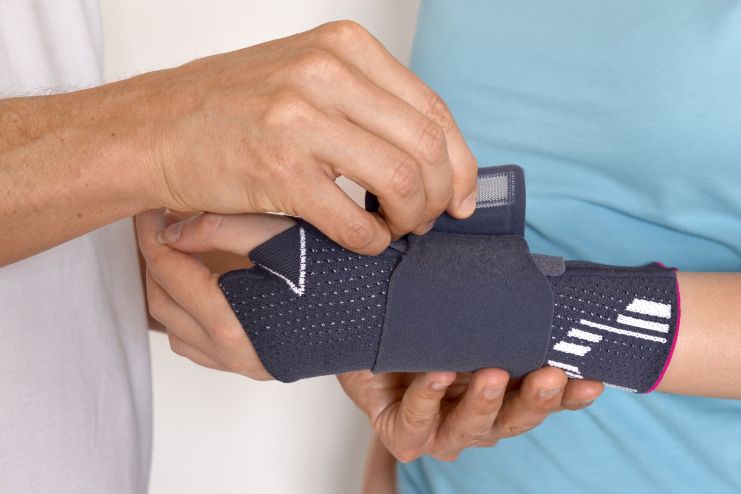
In most cases, with timely diagnosis, appropriate treatment, and consistent rehabilitation, patients can expect to regain near-normal wrist function and return to daily activities without major limitations. Modern medical interventions, ranging from advanced imaging to precise surgical techniques, have significantly improved outcomes for wrist fracture patients across all age groups.
However, the wrist is a highly intricate joint, and the road to recovery isn’t always without challenges. Complications may arise, particularly in cases where:
- The fracture was severe or involved multiple fragments.
- Joint surfaces were affected.
- Treatment was delayed or inadequate.
- Rehabilitation was incomplete or inconsistent.
Potential Long-Term Complications
Even after the bone appears healed on an X-ray, some patients may experience lingering or late-onset issues that can affect wrist strength, mobility, or comfort:
- Stiffness and Reduced Range of Motion: One of the most common issues post-recovery, stiffness can limit daily functions like twisting a doorknob or pushing off the ground. This usually results from prolonged immobilization or scar tissue buildup and may require extended therapy.
- Post-Traumatic Arthritis: Fractures that involve the joint surface, such as Barton’s or intra-articular distal radius fractures, can disrupt the smooth cartilage lining. Over time, this may lead to arthritis, causing pain, swelling, and reduced motion.
- Nerve Injury: High-impact trauma or swelling around the wrist can affect nearby nerves, particularly the median nerve. This may result in numbness, tingling, or muscle weakness, especially in the thumb, index, and middle fingers. While mild cases often resolve on their own, severe cases might require intervention.
- Malunion: If a fracture heals in the wrong position, it can lead to visible deformity, pain with motion, and long-term loss of wrist function. Malunions often require corrective surgery to restore alignment and proper movement mechanics.
- Nonunion: The scaphoid bone, due to its poor blood supply, is particularly prone to nonunion, where the bone fails to heal. This can cause persistent wrist pain, instability, and may eventually lead to scaphoid nonunion advanced collapse (SNAC wrist), a condition that may require complex surgical procedures, including bone grafting or joint fusion.
Why Early Action Matters
Most complications are preventable. Prompt evaluation after an injury, accurate diagnosis (especially in subtle scaphoid fractures), and adherence to treatment and rehabilitation plans dramatically reduce the risk of long-term issues.
Patients are encouraged to:
- Report lingering or worsening symptoms to their doctor.
- Attend all follow-up appointments, especially imaging reviews.
- Commit to physical therapy, even when progress feels slow.
- Avoid premature return to activity, which can risk reinjury.
While wrist fractures are common, they shouldn’t be underestimated. With proper care, most people make a strong, full recovery. But awareness of potential complications ensures that if problems arise, they can be caught early and managed effectively, giving your wrist the best chance at full, pain-free function for years to come.
When to See a Doctor
You should seek prompt medical evaluation if you experience:
- Persistent pain, numbness, or swelling after a fall or impact.
- Deformity of the wrist, like an unnatural bend or protruding bone.
- Difficulty moving the wrist or fingers could indicate severe injury or nerve involvement.
Even if initial pain seems mild, lingering discomfort for more than a few days after a wrist injury warrants medical attention. Early imaging and treatment prevent complications like nonunion, arthritis, or chronic instability.
Conclusion
Wrist fractures may be common, but their impact on daily life can be significant, affecting everything from basic tasks to overall quality of life. Whether caused by a fall, sports injury, or accident, these fractures demand more than just rest. They require timely diagnosis, thoughtful treatment, and active rehabilitation to ensure complete recovery.
By understanding the types of fractures, the importance of early imaging and intervention, and the crucial role of physical therapy, patients can take charge of their healing journey. While complications can occur, most are avoidable with proper care and attention.
Remember: your wrist is not just a joint, it’s your connection to the world. It supports your ability to work, write, create, lift, and live fully. Giving it the care it deserves means protecting your freedom of movement and your long-term well-being.
If you’ve suffered a wrist injury or are supporting someone who has, knowledge is your best ally.
References
- https://teachmeanatomy.info/upper-limb/joints/wrist-joint/
- https://my.clevelandclinic.org/health/body/25060-anatomy-of-the-hand-and-wrist
- https://emedicine.medscape.com/article/1899456-overview
- https://www.sports-health.com/sports-injuries/hand-and-wrist-injuries/guide-wrist-anatomy
- https://www.hicksvillephysicaltherapy.com/treatment/wrist/wrist-anatomy/
- https://www.slideshare.net/slideshow/anatomy-of-wrist-joint-240389584/240389584
- https://www.bone-joint.com/different-types-of-wrist-fractures/
- https://patient.info/doctor/wrist-fractures
- https://my.clevelandclinic.org/health/diseases/broken-wrist-wrist-fracture
- https://www.ncbi.nlm.nih.gov/books/NBK499972/
- https://paramsuperspecialityhospital.com/blog/wrist-fractures-types-symptoms-and-treatment-options/
- https://www.toportho.com/blog/types-of-wrist-fractures-and-how-theyre-treated/
- https://teachmesurgery.com/orthopaedic/wrist-and-hand/distal-radius-fracture/
- https://www.mayoclinic.org/diseases-conditions/broken-wrist/symptoms-causes/syc-20353169
In this Article