
Lupus, a chronic autoimmune disease, causes the immune system to mistakenly attack healthy tissues, leading to widespread inflammation. For those living with lupus, managing symptoms can be a daily challenge that goes beyond just medications. One often-overlooked area that plays a crucial role in disease management is nutrition.
Although diet alone doesn’t cause or cure lupus, growing evidence suggests it can significantly influence the frequency and severity of flare-ups. Certain foods are known to increase inflammation, impair immune regulation, and aggravate symptoms like fatigue, joint pain, and skin issues. Conversely, other foods have been shown to help reduce inflammation and support immune balance.
This guide explores the key dietary triggers for lupus flares and offers practical, nourishing alternatives. Whether you’re newly diagnosed or looking to refine your approach to living with lupus, the information here aims to empower you with actionable insights to support your journey to wellness.
How Diet Affects Lupus Symptoms

Lupus is characterized by chronic inflammation, and the food we consume either adds fuel to the fire or helps extinguish it. Nutrition affects several underlying processes related to lupus, including gut health, oxidative stress, and immune system activity.
Some foods promote the production of inflammatory compounds like cytokines, while others provide antioxidants and nutrients that help regulate immune function. For example, excessive intake of refined sugar may disrupt the gut microbiome and worsen fatigue, whereas omega-3 fatty acids found in fatty fish help reduce inflammation and joint pain.
While each individual’s response to foods may vary, broad patterns have emerged. Understanding how specific foods impact lupus symptoms can empower patients to make informed, personalized choices that reduce flare risk and improve the quality of life.
Common Myths About Lupus and Diet
When it comes to lupus and nutrition, misinformation can be just as harmful as inflammation itself. While interest in healing through food is growing, so are the myths. It’s important to separate what’s popular online from what’s supported by science and experience.
Here are a few widespread misconceptions worth busting:
- “There’s a perfect lupus diet that works for everyone.”
In reality, lupus manifests differently in every person. What triggers one patient might be completely safe for another. Personalized eating plans, guided by a healthcare provider, are far more effective than one-size-fits-all advice.
- “Nightshades are always bad for lupus.”
While some people report increased joint pain from tomatoes or peppers, there’s no blanket rule. Many others tolerate nightshades just fine. It’s more about individual sensitivity than a universal no-go list.
- “Supplements alone can replace medication.”
Nutrients like omega-3s or vitamin D can support healing, but they aren’t substitutes for medical care. Relying solely on supplements while avoiding prescribed treatment may put your health at risk.
- “Going vegan or keto cures lupus.”
No current evidence supports diet as a cure. However, certain eating styles, like anti-inflammatory or Mediterranean diets, may help manage symptoms and lower flare frequency.
Staying informed helps you make food decisions rooted in facts, not fear.
Foods That May Trigger Lupus Flares

Certain foods can potentially trigger or worsen lupus symptoms, leading to flares that affect the skin, joints, and internal organs. While diet alone doesn’t cause lupus, it can influence inflammation, immune response, and overall disease activity. Every individual reacts differently, but some food groups have been consistently linked to flare-ups in many patients. Knowing these dietary triggers can help you make informed choices and manage your condition better.
Here are some common culprits to watch out for:
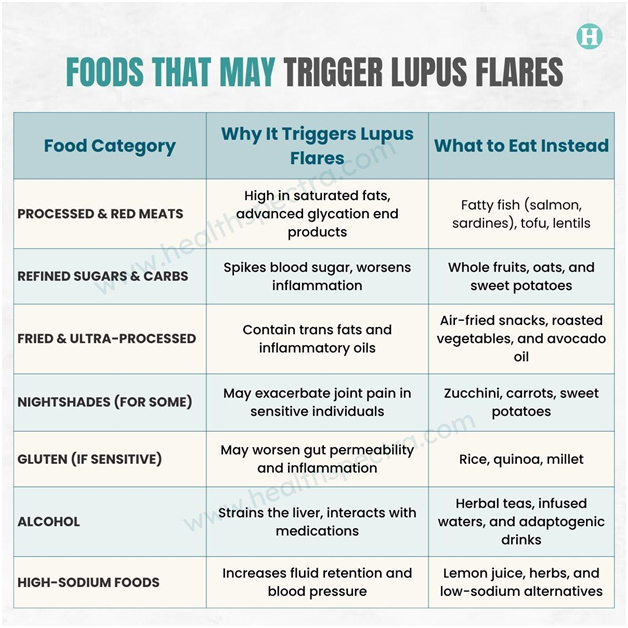 Let’s explore these in a bit more depth:
- Processed and Red Meats: These meats are rich in saturated fats and can elevate levels of inflammatory markers in the body. Additionally, grilling or smoking meats introduces harmful compounds that can worsen lupus-related fatigue and joint pain.
- Refined Sugars and Simple Carbs: Consuming sweets, white bread, and pastries can cause insulin spikes and increased oxidative stress. Many patients report experiencing heightened fatigue and skin sensitivity after indulging in these foods.
- Fried and Ultra-Processed Foods: Packaged snacks, fast food, and fried items often contain trans fats and additives that are harmful to both the immune and cardiovascular systems. They have been linked with increased lupus disease activity.
- Nightshade Vegetables: While not problematic for everyone, vegetables like tomatoes, peppers, and eggplants may aggravate inflammation in some individuals. It’s best to eliminate them temporarily to observe symptom changes.
- Gluten: Even in those without celiac disease, gluten can cause bloating, joint pain, or fatigue. Some lupus patients benefit from switching to gluten-free grains like rice or quinoa.
- Alcohol: Alcohol can interfere with lupus medications like methotrexate or corticosteroids and puts additional stress on the liver. Many also find it worsens fatigue and flare frequency.
- High-Sodium Foods: Canned foods, chips, and condiments often contain hidden sodium. High salt intake can raise blood pressure and cause water retention, both of which are concerning for lupus patients.
A recent meta-analysis revealed that high daily consumption of ultra-processed foods was associated with more than a 50% increased risk of developing lupus and doubled the likelihood of producing anti-dsDNA antibodies, markers of disease severity.
Lupus-Friendly Foods to Support Healing

Making thoughtful substitutions in your diet can significantly help manage lupus symptoms and reduce the frequency of flares. Nutrient-rich foods that fight inflammation, support immunity, and promote healing are especially important. A balanced, anti-inflammatory diet may also improve energy levels and overall well-being. While no single food can cure lupus, eating wisely can make daily life easier.
Below are some of the most beneficial foods to include regularly.
- Omega-3–Rich Foods
- Wild salmon, mackerel, sardines
- Chia seeds and ground flaxseeds
- Walnuts
These foods contain anti-inflammatory fatty acids that help ease joint stiffness and protect heart health.
As Dr. Melinda Steele, a double board-certified Family Medicine and Lifestyle Medicine physician, states, “Omega-3 fatty acids have been shown to decrease inflammation, improve symptoms of lupus, and may also help protect the kidneys.”
- Colorful Fruits and Vegetables
- Berries (blueberries, strawberries)
- Leafy greens (spinach, kale)
- Carrots, beets, and bell peppers
Rich in antioxidants like vitamin C and beta-carotene, these help counter oxidative stress and inflammation.
- Whole Grains and Fiber
- Brown rice, millet, and quinoa
- Oats and barley
- Psyllium husk (for added fiber)
These support gut health, aid in detoxification, and help stabilize blood sugar levels.
- Fermented Foods (if tolerated)
- Yogurt with live cultures
- Sauerkraut, kimchi, miso soup
These promote a diverse and healthy gut microbiome, which is closely linked to immune system balance.
- Green Tea and Turmeric
- Green tea contains EGCG, a powerful antioxidant
- Turmeric (curcumin) has proven anti-inflammatory benefits
Best consumed with black pepper and healthy fats for maximum absorption.
- Lean Plant-Based Proteins
- Chickpeas, lentils, and kidney beans
- Tofu and tempeh
They offer a low-fat, high-fiber protein source without triggering inflammation.
Lifestyle Habits That Enhance Diet Effect
Eating well is essential, but managing lupus isn’t just about what’s on your plate. Daily lifestyle choices play a powerful role in amplifying the benefits of an anti-inflammatory diet. When combined, these habits can help your body heal more efficiently and reduce the burden of flare-ups.
Here are some wellness practices that pair well with a lupus-friendly diet:
- Gentle Movement: Low-impact activities like walking, yoga, or swimming can ease stiffness, improve circulation, and support mental health without overtaxing the body.
- Stress Management: Chronic stress is a known flare trigger. Incorporate calming routines like deep breathing, meditation, journaling, or even short tech-free breaks throughout your day.
- Prioritize Sleep: Aim for 7–9 hours of quality sleep each night. Restorative sleep reduces inflammation and helps regulate your immune system, making you more resilient during tough phases.
- Mindful Eating: Slow down during meals. Chew thoroughly, savor your food, and listen to your body’s hunger and fullness cues. This strengthens your connection to food and helps prevent overeating or flare triggers.
- Stay Hydrated: Drinking enough water supports detoxification, reduces fatigue, and can ease joint discomfort. Add herbs or fruits to your water if plain water feels boring.
Small, intentional shifts in daily habits can make your nutrition work harder for you, turning food into true medicine for your body.
A 2021 cross-sectional study of SLE patients found that greater adherence to a Mediterranean-style diet, high in fruits, vegetables, whole grains, olive oil, and fish, was significantly associated with reduced disease activity and a lower cardiovascular risk compared to those on Western diets.
Sample Anti-Inflammatory Meal Plan for Lupus
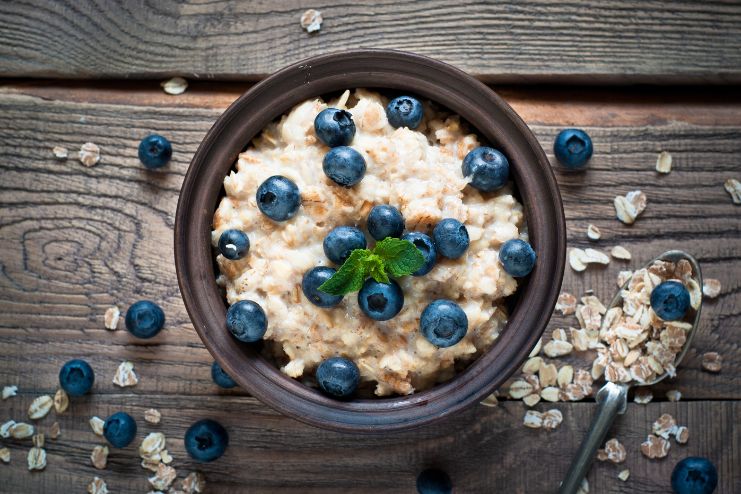
Following an anti-inflammatory meal plan can be a powerful way to manage lupus and reduce flare-ups. This type of diet focuses on whole, nutrient-dense foods that calm the immune system and support overall health.
By minimizing processed ingredients and emphasizing fresh produce, lean proteins, and healthy fats, you can help ease joint pain, fatigue, and inflammation. A well-balanced meal plan also ensures you’re getting the vitamins and minerals your body needs to heal and function optimally. Here’s a sample meal plan designed with lupus management in mind.
 This simple plan reflects a balance of omega-3s, antioxidants, fiber, and plant-based proteins, components essential for managing inflammation and supporting overall health.
Final Thoughts
Managing lupus requires a comprehensive approach, and diet is one of the most powerful, controllable tools at your disposal. While there’s no universally perfect diet for lupus, steering clear of known inflammatory triggers and incorporating nutrient-dense, anti-inflammatory foods can make a significant difference in how you feel day-to-day.
Food affects energy, joint comfort, mental clarity, and even medication tolerance. By paying close attention to what you eat, you can reduce the frequency and intensity of flares. Keeping a food diary can help uncover personal triggers and empower you to make choices that align with your body’s needs.
Always consult with your healthcare provider or a registered dietitian familiar with autoimmune conditions before making significant dietary changes. A tailored approach, guided by both medical expertise and your own experience, offers the best path to managing lupus effectively and living well.
References
- https://www.lupus.org/resources/diet-and-nutrition-with-lupus
- https://www.medicalnewstoday.com/articles/lupus-diet
- https://www.webmd.com/lupus/nutrition-lupus
- https://www.medicalnewstoday.com/articles/lupus-diet
- https://pmc.ncbi.nlm.nih.gov/articles/PMC6327661
- https://www.hopkinslupus.org/lupus-info/lifestyle-additional-information/lupus-diet/
- https://www.eatingwell.com/article/7866186/30-day-anti-inflammatory-meal-plan/
- https://www.lupus.org/s3fs-public/LFANJ%20CHAPTER/Lindsay%20Sappah%20-%20Lupus%20ppt%202019.pdf
- https://www.amazon.in/Lupus-Diet-Plan-Inflammation-Remission-ebook/dp/B0F7T3P1BW
- https://www.webmd.com/diet/anti-inflammatory-diet-road-to-good-health
- https://nutritionsource.hsph.harvard.edu/healthy-weight/diet-reviews/anti-inflammatory-diet
In this Article