












Multiple Sclerosis (MS) is a complex neurological condition with no known cure. However, there’s increasing evidence that lifestyle changes, particularly in diet and nutrition, may help manage its symptoms. For many people with MS, navigating fatigue, flare-ups, and inflammation is a daily reality. That’s why interest in dietary strategies to ease these burdens is rapidly growing.
While traditional treatments like disease-modifying therapies (DMTs) remain central, many people with MS are turning to nutrition for complementary support. Whether through reducing inflammation, boosting energy, or promoting gut health, what you eat could play a bigger role than previously believed. Diet won’t replace your medication, but it might support your body’s natural resilience in meaningful ways.
In this article, we’ll dive into the connection between food and MS, examine popular diet plans, explore nutrients that could support symptom management, and share tips for building a sustainable approach. We’ll also break down what the research does, and doesn’t, say. This isn’t about chasing the perfect superfood, but about creating a realistic, evidence-based diet that supports your health and fits your life.
How Diet Impacts MS: The Link Between Inflammation and Symptoms

Multiple Sclerosis (MS) is a complex autoimmune disorder characterized by chronic inflammation that targets the central nervous system. This immune-driven attack damages the protective myelin sheath surrounding nerve fibers, disrupting the transmission of electrical signals. The result is a wide range of symptoms, including fatigue, numbness, balance difficulties, and cognitive impairments are among the most common.
While no diet can cure MS, growing evidence suggests that nutrition may play a meaningful role in managing symptoms and supporting overall health. Here’s how:
- Inflammation Control: Certain foods, like processed meats, refined sugars, and trans fats, can intensify inflammation, potentially worsening MS flares. Conversely, anti-inflammatory foods such as leafy greens, berries, fatty fish, and turmeric may help soothe immune activity and reduce symptom severity.
- Immune Modulation: Nutrition directly influences immune behavior. Diets rich in antioxidants, omega-3 fatty acids, and vitamin D may help temper the overactive immune response seen in MS, potentially lowering relapse risk or severity.
- Gut-Brain Axis: A balanced gut microbiome is essential in regulating immune function. Fermented foods, prebiotics, and fiber-rich plants can nurture gut health, which in turn supports more stable immune responses, a crucial factor in autoimmune conditions like MS.
- Energy and Fatigue Management: Fatigue is one of MS’s most debilitating symptoms. Balanced blood sugar levels, steady hydration, and adequate intake of B vitamins, iron, and magnesium are vital for sustaining energy and reducing exhaustion.
In sum, while diet alone isn’t a substitute for medical treatment, it can be a powerful tool in the MS management toolkit, helping to ease symptoms, reduce flare-ups, and support overall well-being.
Read More: Elimination Diet – Benefits, Tips, Foods And Side Effects
Top Dietary Patterns Studied in MS
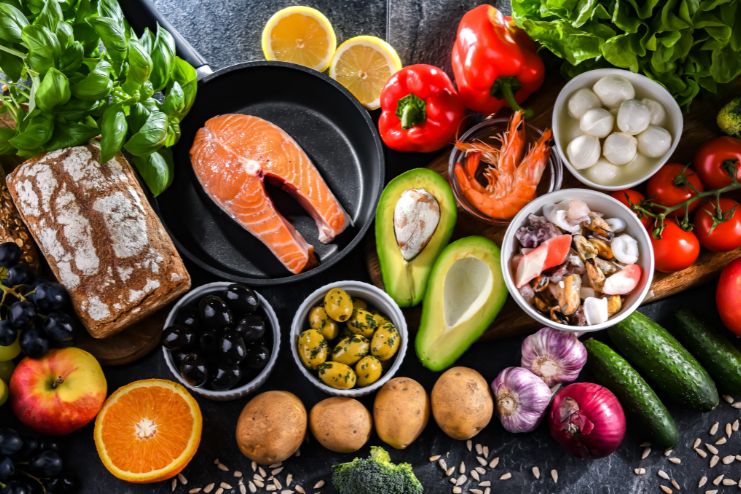
While diet alone cannot cure Multiple Sclerosis (MS), several nutritional strategies have shown promise in alleviating symptoms, improving energy levels, and enhancing quality of life. Research is ongoing, but many patients and healthcare providers explore these diets as complementary tools to medical treatment.
Here’s a breakdown of some of the most notable dietary approaches:
1. The Mediterranean Diet
Rooted in the traditional eating habits of Mediterranean regions, this diet emphasizes whole, plant-based foods and healthy fats.
Core Components:
- Fresh fruits and vegetables
- Whole grains and legumes
- Olive oil is the primary fat
- Moderate consumption of fish and seafood
- Limited red meat and processed foods
Why It’s Beneficial for MS:
- Contains anti-inflammatory compounds and antioxidants that may help reduce flare-ups.
- Supports cardiovascular and cognitive health.
- Some small studies suggest improvements in fatigue and lower relapse frequency among MS patients.
- Easy to follow and sustainable for long-term health.
2. The Wahls Protocol
Developed by Dr. Terry Wahls, a physician living with MS, this modified Paleo diet is designed to reduce inflammation and support mitochondrial function. It requires strong commitment and careful meal planning to follow this diet.
Key Principles:
- Eating mainly vegetables, especially leafy greens (up to 9 cups per day)
- Fermented foods to promote gut health
- Organ meats, seaweed, and nutrient-dense foods
- Strictly avoiding gluten, dairy, and refined sugar
Reported Outcomes:
- Reduction in fatigue levels
- Improved walking ability and muscle strength
- Enhanced mental clarity and mood
3. The Swank Diet
One of the earliest diets proposed specifically for MS, created by Dr. Roy Swank in the 1940s. It focuses on reducing saturated fat intake.
Diet Focus:
- Lean proteins such as poultry and fish
- Skim or low-fat dairy products
- Whole grains and fruits
- Strict avoidance of red meat, full-fat dairy, and processed oils
Evidence and Insights:
- Long-term observational studies suggest a slower progression of MS in adherents.
- May reduce relapse rates and preserve mobility over time.
- Limited modern clinical trials make definitive conclusions challenging.
4. Gluten-Free and Dairy-Free Diets
These diets are often self-initiated by individuals with MS, particularly those experiencing gastrointestinal discomfort or diagnosed intolerances.
Diet Features:
- Complete elimination of gluten-containing grains such as wheat, rye, and barley.
- Removal of dairy products, including milk, cheese, and butter.
- Emphasis on alternative grains, plant-based milks, and whole foods.
Potential Benefits:
- Anecdotal reports indicate improvements in fatigue, brain fog, and digestion.
- Particularly beneficial for those with gluten sensitivity or celiac disease.
- Scientific evidence is limited but emerging.
Though these dietary strategies are not universal solutions, they offer meaningful support when integrated into a comprehensive care plan. The right diet can reduce inflammation, support immune balance, and improve energy levels, contributing significantly to daily comfort and long-term wellness in MS.
Before starting any specific diet, individuals should consult with a healthcare provider or registered dietitian to ensure it aligns with their medical needs and lifestyle.
Nutrients That May Support MS Management

Beyond overall dietary patterns, specific nutrients are being closely studied for their role in managing Multiple Sclerosis (MS). While none of these act as a cure, certain vitamins and minerals may help reduce symptom severity, support nerve health, and improve quality of life.
1. Vitamin D
Role: Regulates immune function and reduces inflammatory activity in the body.
Relevance to MS: Low vitamin D levels have been consistently linked to increased risk of developing MS and higher relapse rates in diagnosed individuals.
Sources:
- Sunlight exposure
- Fortified dairy or plant-based milks
- Fatty fish (like salmon)
- Supplements (often necessary to achieve therapeutic levels)
Pro Tip: Have your vitamin D levels checked regularly. Supplementation should be guided by a healthcare provider to avoid excess intake.
2. Omega-3 Fatty Acids
Role: Possesses anti-inflammatory and neuroprotective properties that may benefit the central nervous system.
Potential Benefits in MS: Some studies have shown improvements in fatigue, mood, and inflammation markers, although research results remain mixed.
Sources:
- Fatty fish (salmon, sardines, mackerel)
- Flaxseeds and chia seeds
- Walnuts
- Algae-based omega-3 supplements (for plant-based diets)
3. Antioxidants (Vitamins A, C, E and Polyphenols)
Role: Combat oxidative stress that can damage nerve cells, a key factor in MS progression.
Key Nutrients and Sources:
- Vitamin A: Carrots, sweet potatoes, spinach
- Vitamin C: Oranges, strawberries, bell peppers
- Vitamin E: Almonds, sunflower seeds, avocados
- Polyphenols: Blueberries, green tea, dark chocolate, olives
Why They Matter: Antioxidants support the body’s defense system and may help protect myelin and nerve cells from damage.
4. Magnesium and B Vitamins
Magnesium
- Function: Essential for muscle and nerve function; may help reduce cramps, stiffness, and fatigue.
- Sources: Leafy greens (spinach, kale), legumes, nuts, whole grains
B Vitamins (especially B6 and B12)
- Function: Support energy production, nerve repair, and cognitive health
- Sources: Eggs, dairy, whole grains, legumes, fortified cereals, meat
Note: Vitamin B12 deficiency is common among MS patients and may worsen neurological symptoms if left unaddressed.
Incorporating these nutrients into a balanced diet may help manage fatigue, reduce inflammation, and support neurological function in individuals with MS. However, it’s essential to consult with a healthcare provider or dietitian before beginning any supplementation regimen to ensure it aligns with your specific health needs.
Foods That May Worsen MS Symptoms

While there’s no one-size-fits-all diet for Multiple Sclerosis (MS), some foods have been associated with increased inflammation, fatigue, or symptom flare-ups. These items may not directly cause disease progression, but they can negatively impact energy levels, gut health, or immune function, factors closely tied to MS management.
Identifying and limiting certain dietary triggers can help individuals feel more in control of their symptoms and support overall well-being.
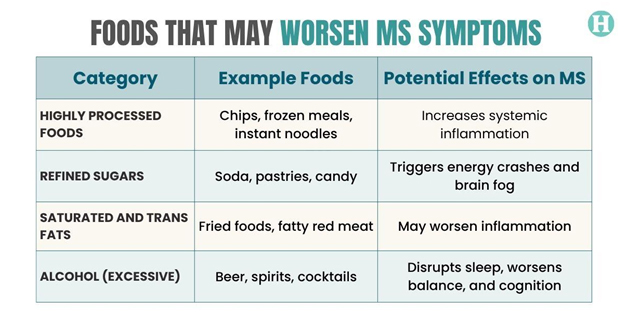 Although occasional indulgence isn’t forbidden, consistently high intake of these foods can contribute to worsened MS symptoms and lower quality of life.
What the Research Says (And What It Doesn’t)
Interest in the role of diet in managing Multiple Sclerosis (MS) has grown significantly in recent years. While the research is promising, it remains largely preliminary and often limited by small sample sizes and short durations. Still, some consistent patterns are beginning to take shape.
What We Know So Far:
- Diets rich in whole, anti-inflammatory foods, such as fruits, vegetables, whole grains, and healthy fats, may help reduce symptom severity and improve quality of life.
- There is a strong connection between gut health and immune function, highlighting the importance of microbiome-supportive nutrition.
- Vitamin D and omega-3 fatty acids have some of the most consistent and well-supported evidence for their potential benefits in MS management.
What Remains Unclear:
- There is no universally effective “MS diet.” Individual responses vary greatly, and what works for one person may not work for another.
- Large-scale, randomized controlled trials (RCTs) are limited, making it difficult to draw definitive conclusions about the effectiveness of specific diets.
- Some observed benefits may reflect improved general health and reduced comorbidities rather than a direct impact on MS progression.
Current research offers valuable insights, but it is not definitive. Use the available evidence as a guide, not a rulebook. The most effective approach is personalized nutrition, tailored to your symptoms, lifestyle, and medical needs, and developed in collaboration with your healthcare team.
Sample MS-Friendly Daily Menu

Adopting an MS-friendly diet doesn’t have to mean complicated meal plans or drastic changes. In fact, small, consistent choices can make a meaningful difference. This sample daily menu offers a practical guide to nourishing your body with anti-inflammatory foods, balanced nutrients, and gut-friendly ingredients, while keeping energy levels steady and supporting overall well-being. Always customize meals based on your personal preferences, allergies, and medical advice.
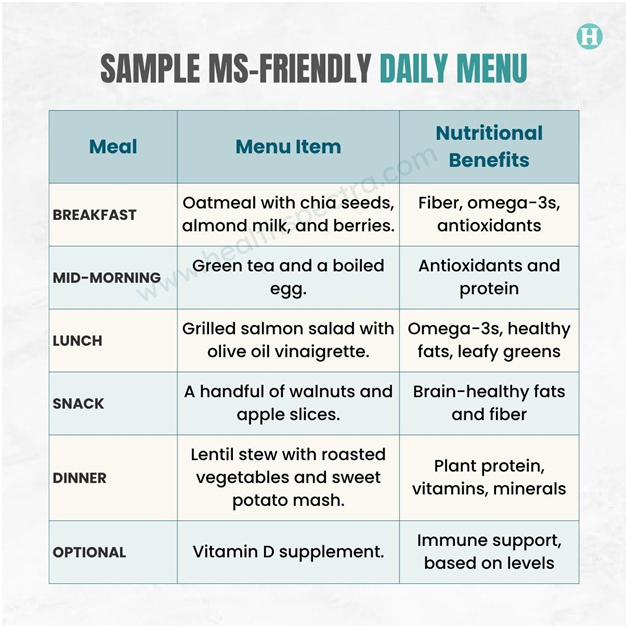 This menu offers a template, not a prescription. Modify according to allergies, preferences, and caloric needs.
Tips for Building a Sustainable MS Nutrition Plan
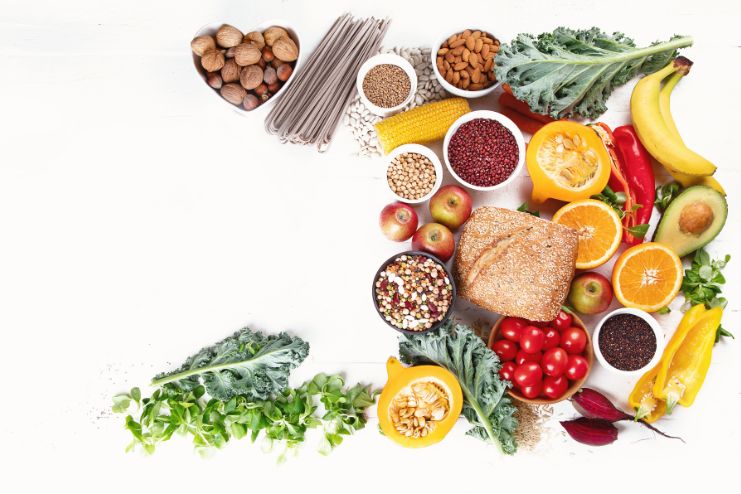
When it comes to managing Multiple Sclerosis (MS) through diet, sustainability is more important than perfection. A nourishing, balanced approach can help reduce symptom burden, support energy levels, and improve overall well-being, without feeling overwhelmed.
Here’s how to build a realistic and effective nutrition plan that lasts:
1. Keep a Food and Symptom Journal
- Record what you eat and how you feel afterward.
- Track patterns between specific foods and symptoms like fatigue, bloating, or brain fog.
- Identify both potential triggers and helpful nutrients.
2. Consult a Dietitian or Functional Medicine Specialist
- Work with a professional to tailor your diet to your medical history and specific needs.
- Ensure you’re meeting nutritional requirements while respecting restrictions like gluten- or dairy-free diets.
- Get guidance on supplementation, if needed (e.g., vitamin D or B12).
3. Prioritize Whole, Unprocessed Foods
- Focus on fresh vegetables, fruits, legumes, nuts, and lean proteins.
- Shop the outer edges of the grocery store where whole foods are typically located.
- Minimize intake of ultra-processed and packaged items with additives, sugars, and trans fats.
4. Stay Hydrated and Stabilize Blood Sugar
- Drink water consistently throughout the day to support energy and digestion.
- Pair carbohydrates with protein or healthy fat to prevent blood sugar crashes and support sustained energy.
5. Cook in Batches for Low-Energy Days
- Prepare meals in advance and freeze portions for convenience.
- Use slow cookers, one-pan recipes, or explore meal delivery options to reduce the daily cooking burden.
- Keep nutrient-dense snacks on hand for quick nourishment when fatigue hits.
6. Stay Flexible and Give Yourself Grace
- Focus on consistency over perfection.
- One “off” day doesn’t undo progress; what matters is how you eat over weeks and months.
- Make room for enjoyment and variety in your meals to avoid burnout.
Adopting a health-conscious diet for MS doesn’t mean restriction—it means empowerment. By tuning into your body, making gradual changes, and prioritizing balance, you can create a nutrition plan that supports your journey and helps you feel more in control, one meal at a time.
Final Thoughts
There may be no cure for Multiple Sclerosis, but the food you choose each day can shape how you live with it. A diet grounded in anti-inflammatory, nutrient-dense whole foods has the potential to ease fatigue, support nerve function, and even reduce the frequency or severity of relapses for some individuals.
More importantly, nutrition is not just a tool for symptom management; it’s a way to reclaim a sense of agency over your body. Instead of framing food through a lens of restriction, embrace it as an opportunity. Fill your plate with colorful vegetables, healing herbs, nourishing legumes, and wholesome fats. These are not just “MS-friendly” foods; they are life-friendly foods that fuel energy, resilience, and long-term health.
The best diet for MS should work with your body, your lifestyle, and your personal journey. It should be sustainable, not stressful. And most of all, it should support you, not just nutritionally, but emotionally and mentally too.
Listen to your body. Partner with your healthcare team. And take it one mindful, nourishing choice at a time. Because healing isn’t just about what you avoid—it’s about what you intentionally include.
References
- https://pmc.ncbi.nlm.nih.gov/articles/PMC8955724
- https://www.healthline.com/nutrition/multiple-sclerosis-foods-to-avoid
- https://pmc.ncbi.nlm.nih.gov/articles/PMC10113660
- https://www.sciencedirect.com/science/article/pii/S2161831322006779
- https://www.tandfonline.com/doi/full/10.1080/16070658.2018.1465652
- https://www.mdpi.com/2072-6643/16/11/1746
- https://www.elsevier.es/en-revista-neurology-perspectives-17-articulo-eating-habits-patients-with-multiple-S2667049621000430
- https://www.webmd.com/multiple-sclerosis/ss/slideshow-ms-best-foods
- https://www.nationalmssociety.org/managing-ms/living-with-ms/diet-exercise-and-healthy-behaviors/diet-nutrition/vitamin-mineral-and-supplements
- https://www.numberanalytics.com/blog/nutrition-role-ms-management
- https://www.healthline.com/nutrition/tips-to-make-your-eating-habits-more-sustainable
- https://online.maryville.edu/blog/guide-to-sustainable-eating
- https://www.dtarchanabatra.com/posts/sustainable-eating-plan
In this Article