
















If you’re undergoing fertility treatment, you’ve likely come across the term “trigger shot,” and one of the most commonly used is Ovidrel. For individuals and couples navigating the journey to parenthood through intrauterine insemination (IUI), timed intercourse, or in vitro fertilization (IVF), Ovidrel plays a vital role in helping the body release a mature egg at just the right moment.
It’s not just a shot, it’s a carefully timed signal to your reproductive system, designed to boost your chances of conception. But one of the most common questions that comes up is: how long after the Ovidrel shot does ovulation actually occur? The answer is key to ensuring that intercourse or insemination is perfectly timed with your body’s fertile window.
In this guide, we’ll walk you through everything you need to know about Ovidrel and ovulation timing, from how the hormone works and when ovulation typically happens, to the physical signs that ovulation is underway, and what steps to take if it doesn’t go according to plan.
Whether you’re just starting treatment or in the middle of a cycle, this information can help you feel more informed, empowered, and in tune with your body during one of the most important moments of your fertility journey.
What Is Ovidrel and How Does It Work?
Ovidrel is the brand name for choriogonadotropin alfa, a lab-made version of human chorionic gonadotropin (hCG), the same hormone your body naturally produces during early pregnancy. In fertility treatments, Ovidrel is used to mimic the luteinizing hormone (LH) surge, a critical hormonal event that triggers the release of a mature egg from the ovary, also known as ovulation.
In a typical menstrual cycle, this LH surge happens naturally. But when you’re undergoing fertility treatment, precise timing is everything. Ovidrel gives doctors the ability to control and synchronize ovulation with other interventions, dramatically improving the odds of successful conception.
The trigger shot is usually administered when your dominant follicles have matured, typically reaching a size of 18 to 20 mm, as seen through ultrasound monitoring. Once injected subcutaneously (just under the skin), Ovidrel tells your ovaries: It’s time. Ovulation typically follows within 36 to 40 hours after the injection.
Ovidrel is commonly used across a range of fertility treatments, including:
- Timed Intercourse: so couples can plan intercourse to coincide with peak fertility
- IUI (Intrauterine Insemination): to ensure the sperm is placed in the uterus just before ovulation
- IVF (In Vitro Fertilization): to time the egg retrieval process at the optimal moment before the eggs are released
Ultimately, Ovidrel is a powerful tool that helps bridge the gap between science and timing. When used correctly and in close coordination with your fertility care team, it can significantly enhance your chances of achieving a successful pregnancy.
How Long After Ovidrel Do You Ovulate?
Most people ovulate between 36 and 40 hours after receiving the Ovidrel injection. This timing closely mirrors the natural LH surge in a typical cycle, which also precedes ovulation by about 36 hours.
However, individual responses can vary slightly depending on:
- Your ovarian reserve and hormone levels
- Underlying fertility conditions
- Medication response from prior stimulation
Because timing is critical, fertility specialists often give clear instructions on when to have sex, undergo insemination, or retrieve eggs based on your injection time. While the window is relatively predictable, some patients may ovulate a bit earlier or later.
For example:
- Some may ovulate as early as 32 hours post-injection
- Others may ovulate closer to the 40-hour mark
Monitoring symptoms and confirming ovulation can help you and your provider fine-tune future cycles if needed.
When to Have Sex or Do IUI After Ovidrel
Timing is everything when trying to conceive, and the Ovidrel trigger shot is designed to help you get it just right. Once Ovidrel is administered, ovulation typically occurs within 36 to 40 hours. This creates a narrow window during which sperm and egg must meet for fertilization to occur. Whether you’re using timed intercourse or intrauterine insemination (IUI), understanding when to act after the shot can significantly improve your chances of success.
Here’s how to best time your efforts based on the type of fertility treatment you’re pursuing:
For Timed Intercourse
When Ovidrel is used to coordinate intercourse with ovulation, most fertility specialists recommend having sex 24 to 36 hours after the injection. This timing ensures that sperm is already present in the reproductive tract when the egg is released, a critical detail, since the egg survives only about 12 to 24 hours, while sperm can live up to five days in optimal conditions.
Recommended Intercourse Schedule:
- Night of the Injection: To ensure early coverage in case ovulation happens on the sooner end
- Next Morning (12–24 hours later): Aligns with the middle of the ovulation window
- Evening of the Following Day: Provides extended coverage in case ovulation occurs later
This approach is often called “sperm stacking,” giving you the best chance of having viable sperm ready when the egg is released.
For Intrauterine Insemination (IUI)
In IUI cycles, timing the insemination precisely with ovulation is crucial, as the sperm is placed directly into the uterus, bypassing the cervix and increasing the chance of fertilization. Most clinics schedule IUI approximately 36 hours after the Ovidrel injection, aiming to align insemination with the peak of ovulation.
However, some variability exists based on:
- Follicle maturity and count
- Estradiol (estrogen) levels
- Past cycle data (especially if early ovulation occurred)
- Logistical concerns or weekend/holiday scheduling
In some protocols, particularly when multiple mature follicles are present or when there’s uncertainty about ovulation timing, your provider may recommend two IUIs on back-to-back days (typically at 24 and 48 hours post-injection) to maximize the chance of catching the ovulation window.
Whether you’re timing intercourse at home or undergoing IUI at a clinic, communication with your fertility team is essential. They’ll help tailor your schedule to your specific response and follicular development, ensuring your efforts are timed as accurately as possible.
Signs You’re Ovulating After Ovidrel

Once you’ve taken your Ovidrel trigger shot, it’s natural to look for signs that ovulation is actually happening. While clinical monitoring, like ultrasounds and hormone testing, offers the most accurate confirmation, your body often provides its own subtle clues that the egg is on its way. These physical and hormonal changes can help you feel more in tune with your cycle and reassured that things are progressing as expected.
Here are the most common signs that ovulation may be approaching, or already occurring, after Ovidrel:
1. Mild Abdominal Cramping or Twinges
Often referred to as mittelschmerz (a German term meaning “middle pain”), this ovulation-related discomfort usually occurs on one side of the lower abdomen, where the dominant follicle is located. The sensation can range from dull pressure to sharp twinges and may last for a few hours or up to a full day.
2. Change in Cervical Mucus
As ovulation nears, cervical mucus becomes clear, stretchy, and slippery, resembling raw egg whites. This fertile-quality mucus helps sperm swim more efficiently through the cervix and into the uterus. While Ovidrel controls the timing of ovulation, this natural sign may still be noticeable in the hours leading up to egg release.
3. Breast Tenderness
Hormonal shifts, especially rising progesterone levels after ovulation, can lead to sore or swollen breasts. This symptom often appears a day or two after the Ovidrel shot and is a common post-ovulation signal in medicated and natural cycles alike.
4. Basal Body Temperature (BBT) Shift
Tracking your BBT can provide retrospective confirmation that ovulation has occurred. After ovulation, progesterone causes a small but sustained increase in body temperature. While this method won’t help you time intercourse or IUI in real time, it’s useful for confirming that ovulation did happen.
5. A Note on Ovulation Predictor Kits (OPKs)
It’s important to know that OPKs are unreliable after taking Ovidrel. These kits detect LH, but since Ovidrel contains hCG, which mimics LH, they often produce false-positive results for several days following the injection. As a result, OPKs are not recommended for tracking ovulation in trigger-shot cycles.
How to Confirm That Ovulation Happened
After taking the Ovidrel trigger shot, it’s natural to want reassurance that it worked and that ovulation actually occurred. While the shot is highly effective when administered at the right time, confirming ovulation can offer peace of mind and help guide your next steps in the fertility journey.
Whether you’re tracking at home or working closely with your fertility clinic, several reliable methods can help you determine if your body released an egg as expected. Here’s how to know for sure.
1. Mid-Luteal Progesterone Blood Test
This test is usually done seven days after ovulation, or about 7–9 days post-Ovidrel. A progesterone level above 5 ng/mL typically indicates ovulation. Levels above 10 ng/mL are considered ideal for supporting early pregnancy.
2. Basal Body Temperature Tracking
As mentioned earlier, a sustained temperature increase of about 0.5°F that lasts more than three days can confirm that ovulation occurred.
3. Ultrasound Monitoring
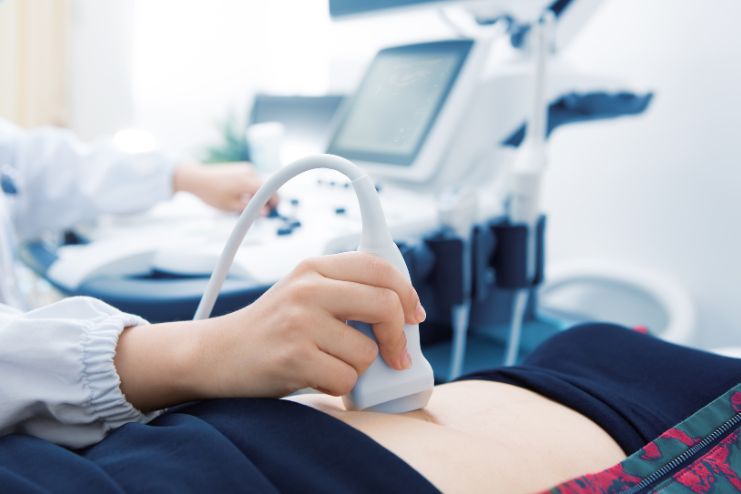
If your clinic is monitoring your cycle closely, a follow-up ultrasound after the predicted ovulation time can confirm follicle rupture, which is a clear sign that the egg was released.
4. Note on At-Home LH Tests
Due to the presence of synthetic hCG in Ovidrel, at-home ovulation test strips can show positive results even when you’re not ovulating. They are not reliable after a trigger shot.
What If You Don’t Ovulate After Ovidrel?
While Ovidrel is highly effective, it is not foolproof. In some cases, ovulation may not occur as expected. If you suspect this has happened, or your provider confirms it, potential reasons may include:
1. Underdeveloped Follicles
If follicles were not mature at the time of the injection, they may fail to rupture.
2. Poor Ovarian Response
Certain conditions, such as diminished ovarian reserve or polycystic ovary syndrome (PCOS), may lead to unpredictable or absent ovulatory response even with a trigger.
3. Incorrect Timing or Absorption
If the injection was not administered properly or given at the wrong time, the body might not respond as intended. Absorption issues can occasionally affect how the hormone is delivered into the bloodstream.
4. Hormonal Imbalance:
If estrogen or LH levels were suboptimal, the cascade of events that leads to ovulation might be disrupted.
If ovulation doesn’t occur, your fertility provider may recommend:
- Adjusting the Ovidrel dosage or switching to a different trigger, like hCG or Lupron
- Monitoring with closer ultrasound and hormone tracking in future cycles
- Considering combination therapies based on your diagnosis
Are There Side Effects or Risks With Ovidrel?

While Ovidrel is considered safe and widely used in fertility treatments, it’s still a hormonal medication, and like all medications, it may cause side effects in some individuals. Most people experience only mild symptoms, if any, but it’s important to be aware of both the common and rare reactions so you know what to expect and when to seek help.
Common Side Effects
These side effects are typically mild and short-lived:
- Abdominal Bloating or Discomfort: Often due to ovarian enlargement as the body responds to stimulation.
- Breast Tenderness: A common Response to rising hormone levels
- Injection Site Reactions: Mild redness, swelling, or bruising at the site of the shot
- Mood Swings or Heightened Emotions: Hormonal fluctuations can temporarily affect your emotional state
- Fatigue or Nausea: Some users report feeling tired or slightly queasy after the injection
Rare but Serious Side Effect: Ovarian Hyperstimulation Syndrome (OHSS)
OHSS is an uncommon but potentially serious condition where the ovaries become overly responsive to fertility medications, leading to painful swelling and fluid buildup. It’s more likely to occur in women with polycystic ovary syndrome (PCOS) or elevated estradiol levels.
Symptoms of OHSS may include:
- Severe abdominal bloating or pain
- Rapid weight gain
- Nausea or vomiting
- Difficulty breathing or decreased urination (in severe cases)
If you experience any of these symptoms, contact your fertility specialist immediately. Early intervention can prevent complications and ensure your safety.
When to Call Your Doctor
Always keep your fertility team informed of how you’re feeling, especially if:
- Symptoms worsen or persist beyond a few days
- You notice signs of OHSS
- You have an allergic reaction at the injection site (rare but possible)
Being proactive with your symptoms ensures that your treatment stays on track and supports your well-being throughout the process.
Final Thoughts
Fertility treatment is not just a medical process; it’s an emotional, physical, and deeply personal journey. For many, the Ovidrel trigger shot becomes a pivotal part of that path. It offers a level of control and precision over ovulation that natural cycles often can’t provide, helping to increase the odds of conception, whether you’re pursuing timed intercourse, IUI, or IVF.
Ovulation typically occurs 36 to 40 hours after the shot, which is why timing is everything. Understanding when to have sex, undergo insemination, or retrieve eggs is crucial for optimizing outcomes. But while Ovidrel is highly effective, it’s just one piece of the larger fertility puzzle.
It’s also important to stay aware of your body’s response to the medication. Most side effects are mild, but rare complications like Ovarian Hyperstimulation Syndrome (OHSS) should not be ignored.
Fertility treatments can be emotionally draining and physically demanding. Ask questions, voice concerns, and know that your provider is your partner in this process. If a cycle doesn’t go as planned, there are always options, adjusted protocols, different medications, or new approaches that may suit your body better.
With careful planning, medical guidance, and personal resilience, Ovidrel can be a powerful tool in bringing you one step closer to your goal.
References
- https://www.rxlist.com/ovidrel-drug.htm
- https://www.webmd.com/drugs/2/drug-20307/ovidrel-subcutaneous/details
- https://www.goodrx.com/ovidrel/what-is
- https://www.ivf.com.au/sites/ivfa/files/2022-12/IVFA59%20Single%20Sheets%20Drug%20Info-Ovidrel%2028.04.22-LR.pdf
- https://hcp.merckgroup.com/en/fertility/portfolio/therapeutics/ovitrelle-ovidrel.html
- https://fertility.nm.org/ovulation-induction.html
- https://www.shadygrovefertility.com/treatments/timed-intercourse/
- https://astrafertility.com/patient-guide/ovulation-induction-and-iui-instructions/
- https://www.healthline.com/health/infertility/trigger-shot
- https://www.shadygrovefertility.com/article/can-i-have-sex-during-fertility-treatment/
- https://www.urmc.rochester.edu/medialibraries/urmcmedia/fertility-center/treatment/documents/iuischedulingguidelines.pdf
- https://www.reproductivefacts.org/news-and-publications/fact-sheets-and-infographics/am-i-ovulating/
- https://my.clevelandclinic.org/health/articles/23439-ovulation
- https://www.mayoclinic.org/healthy-lifestyle/getting-pregnant/expert-answers/ovulation-signs/faq-20058000
In this Article