










Bone loss doesn’t happen in your old age, you start to lose bone density as early as your 30s. Research has indicated that in our 30s, our bone mass begins to decline more quickly than it can be replaced. Few people know that they are losing bone density until they fracture a bone or receive a diagnosis of osteopenia or osteoporosis.
In this article, we will learn why bone loss occurs after the age of 30, how to identify the signs, and more importantly, how to prevent or even reverse it naturally through lifestyle adjustments, diet, and intelligent supplementation. If you happen to be in your 40s or 30s, now is the time to take charge.
Why Bone Density Decline After 30
Peak Bone Mass and the Aging Shift
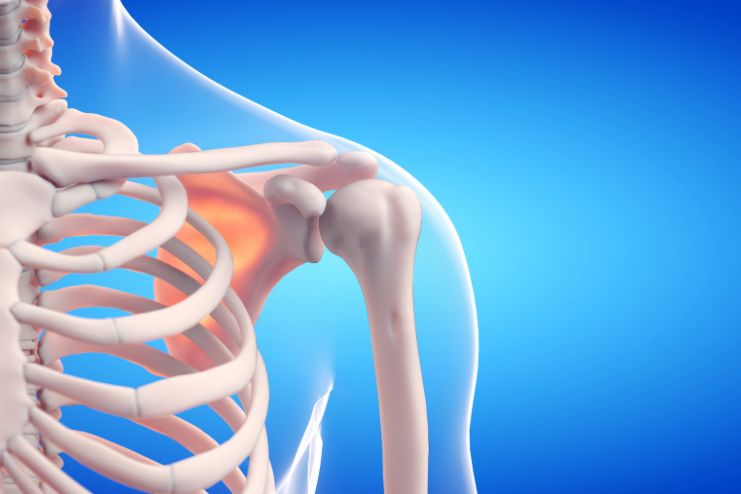
Bone is an active tissue. During childhood and adolescence, formation exceeds resorption, assisting us in developing mass and strength. However, this equation changes after your late 20s. By age 30, the majority of individuals achieve what’s referred to as peak bone mass—the highest strength and density your bones will ever have. From there, resorption of bones starts to gradually surpass formation.
Information from the National Institutes of Health suggests that beginning in your 30s, you may lose as much as 0.5% of bone mass per year, based on lifestyle and health. That’s about 5% every decade, which adds up significantly by the time you reach your 50s or 60s, unless preventive steps are taken.
Why does this happen? Changes in the function of bone cells with aging are the reason. Your osteoblasts (bone-building cells) slow down, but osteoclasts (bone-breakdown cells) keep on resorbing bone at a constant rate.
Hormonal and Lifestyle Influences
Your hormonal state shifts with age, too. Estrogen and testosterone—hormones that help preserve bone density—naturally fall off. This is notably so in women in perimenopause and menopause, when levels of estrogen plunge. Women can lose 20% of their bone density in 5–7 years after menopause if preventive action isn’t taken.
Other causes are:
- Insufficient Weight-training/ Exercise: Bones need to experience mechanical stress in order to remain healthy.
- Chronic Inflammation: Excessive stress, inadequate sleep, and consumption of processed foods elevate inflammatory markers that impact bone quality.
- Bad Diet: Inadequate consumption of calcium, vitamin D, and other essential nutrients slows down bone development.
Even if you’re otherwise fit, your daily routine—such as prolonged sitting or missing meals—may be quietly weakening your bones.
Read More: 5 Essential Nutrients for Women’s Bone Health After 40
Early Signs of Bone Density Loss You Shouldn’t Ignore
Bone loss tends to be silent, but these early warning signs should be brought to immediate attention:
- Frequent fractures or stress fractures. If you’re fracturing bones from low-level trauma—such as tripping or unscrewing a jar—it could be a sign that your bone strength is weakened.
- Loss of height or bad posture, that is spinal compression fractures. These commonly cause a mild stoop or reduction in height. If your pants suddenly appear longer, it may be the result of vertebral bone loss.
- Chronic back or joint pain is another sign. Thin bone in the spine can lead to chronic ache or discomfort, often after activity.
- Brittle nails or gum recession can mean bone density loss. Calcium is leached from bones, including those in the jaw. Gum recession or oral problems may be initial warning signs.
- Weak grip strength or poor balance need to be studied too. Research indicates that reduced hand grip strength is associated with greater osteoporosis risk. Poor coordination and balance may enhance fall and fracture risk.
These subtle signs are easy to overlook but tend to be more serious with deeper structural problems. Identifying at an early stage creates an opportunity for reversal with lifestyle and nutritional intervention.
Read More: Plant-Based Eating and Bone Health: Are You Getting Enough Nutrients?
Causes and Risk Factors
Knowing the underlying cause can enable you to take specific action:
- Low calcium and vitamin D is a risk that makes you lose bone density as they are key minerals involved in bone formation. Low levels can cause a speeding up of bone loss.
- Inactive lifestyle can be harmful for your bones. Physical inactivity diminishes the mechanical loading upon which to stimulate bone formation.
- Excessive alcohol or caffeine use can disrupt calcium absorption and hormone balance.
- Smoking decreases blood flow to bones, inhibits healing, and disrupts osteoblast function.
- Hormonal changes such as decreased estrogen in women and testosterone in men greatly increases the risk for osteoporosis.
- A family history of osteoporosis, especially in parents or grandparents, can increase your genetic risk of developing the condition.
- Certain medications such as chronic corticosteroid use, anticonvulsants, and some cancer therapy can lead to bone weakening over time.
How to Test Your Bone Density
DEXA (Dual-Energy X-ray Absorptiometry) Scan:
DEXA is the most widely accepted method to evaluate bone mineral density (BMD). It’s quick, painless, and offers detailed results for the spine, hips, and other crucial bones.
When to Consider Testing:
You should schedule a DEXA scan if:
- You’ve experienced multiple fractures
- You’ve gone through early menopause
- You have a history of autoimmune or GI disorders
- You use long-term steroids or certain medications that impact bone health
- You have a family history of osteoporosis
Understanding T-Scores:
- -1.0 and higher: Normal
- -1.0 to -2.5: Osteopenia (beginning bone loss)
- -2.5 or lower: Osteoporosis
How to Prevent and Reverse Bone Loss Naturally
Here are a few ways you can preserve your bone density.
1. Prioritize Bone-Building Nutrients
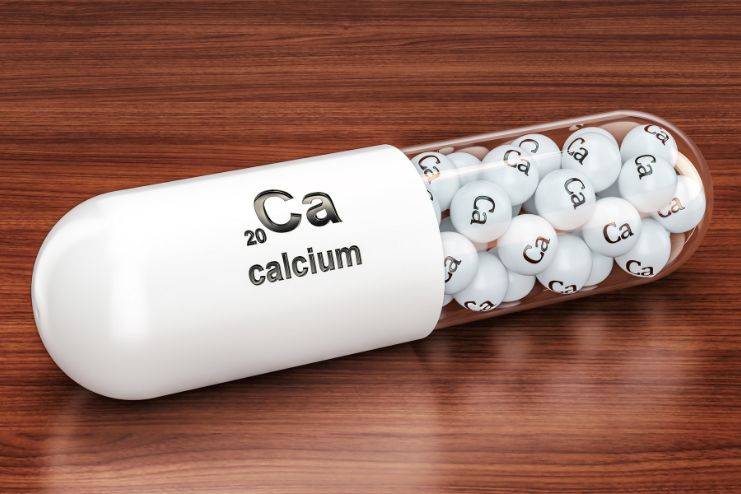
- Calcium: Adults 30–50 require about 1,000 mg/day. Food sources include dairy, tofu, leafy greens, fortified plant milks, and sardines.
- Vitamin D: Supports calcium absorption. Spend 15–30 minutes daily in sunlight or take D3 supplements. The majority of adults require 600–800 IU/day.
- Magnesium: Nuts, seeds, dark chocolate, and leafy greens are all rich in magnesium. Assist in vitamin D activation.
- Vitamin K2: Assists in directing calcium into the bones and not the arteries.
- Phosphorus and Collagen: Collagen supplements and high-protein foods support the bone matrix.
2. Do Weight-Bearing and Resistance Exercises
Bone remodeling is stimulated by movement. Optimal exercises are:
- Walking, hiking, climbing stairs
- Strength training with weights or resistance bands
- Squats, lunges, planks
- Yoga and Pilates to enhance posture and balance
Aim for at least 30 minutes of moderate physical activity, 5 days a week, including 2–3 strength sessions.
3. Avoid Bone-Depleting Habits
- Limit alcohol to 1 drink/day (women) or 2 (men)
- Limit caffeine to less than 3 cups/day
- Avoid crash dieting, which depletes nutrients and quiets metabolism
- Decrease processed sugar, which raises calcium loss
4. Help Gut Health
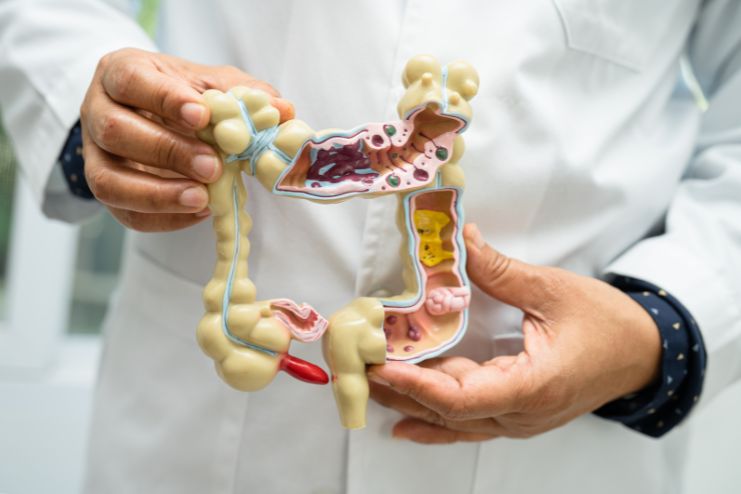
- Gut health contributes to nutrient absorption
- Consume fermented foods (yogurt, kefir, kimchi)
- Add prebiotics such as garlic, onions, oats
- Take a probiotic supplement if you recently took antibiotics
5. Consider Bone-Supporting Supplements (If Needed)
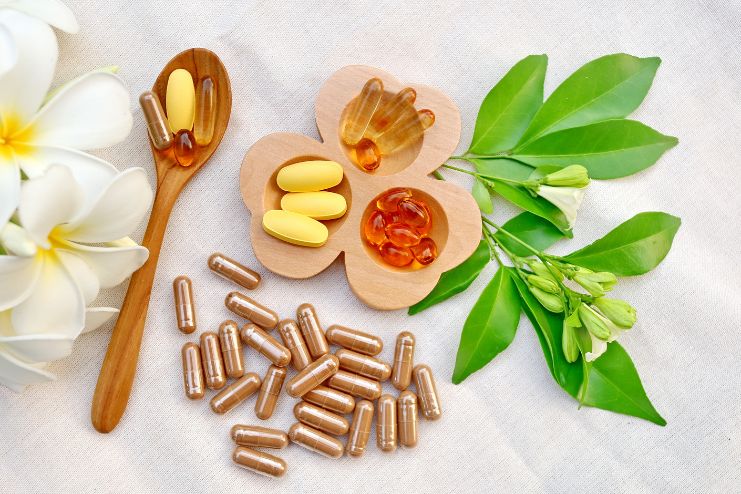
Supplements can compensate for deficiencies:
- Calcium citrate is well absorbed
- Vitamin D3 (with K2) enhances calcium absorption and deposition
- Magnesium glycinate is easy on digestion
Always ask your doctor before starting supplements, particularly if you have kidney or thyroid issues.
Read More: 10 Stretches For Tailbone Pain – Get Rid Of The Coccyx Discomfort!
Can Bone Density Be Rebuilt After Loss?
Yes. Bone is a living tissue that can respond to positive stimuli—even following loss. From your 30s to 50s, bone remodeling remains active enough to be responsive to interventions. Research indicates that incorporating strength training with sufficient intake of calcium, vitamin D, and new nutrients such as collagen peptides, boron, and silicon can enhance bone density with time.
Consistency is key. It takes at least 6–12 months to see measurable results, but even a slight gain in density lowers your fracture risk.
When to See a Doctor or Specialist
Red flags that require professional attention include:
- Unexplained fractures or back pain
- Height loss of more than an inch
- Long-term use of medications (especially steroids)
- A family history of osteoporosis
Depending on your symptoms, consult:
- A general physician for initial screenings
- An endocrinologist for hormone-related bone issues
- A rheumatologist if you have autoimmune conditions
Final Thoughts: Bone Health Is Your Long-Term Investment
Bone health over 30 is all about prevention and consistency. By incorporating smart nutrition, regular weight-bearing exercise, gut health support, and lifestyle balance, you can preserve, and even rebuild, bone strength naturally.
Think of it as a savings account for your future mobility. Start investing today to stand taller, move stronger, and live better tomorrow.
References
- https://www.ncbi.nlm.nih.gov/books/NBK45503
- https://www.ncbi.nlm.nih.gov/books/NBK532266
- https://www.houstonmethodist.org/blog/articles/2021/oct/calcium-supplements-how-much-calcium-is-too-much
- https://www.floridamedicalclinic.com/blog/osteopenia-vs-osteoporosis
- https://www.sciencedirect.com/science/article/pii/S2352187224000172
- https://www.hopkinsmedicine.org/health/conditions-and-diseases/osteoporosis/osteoporosis-what-you-need-to-know-as-you-age
- https://orthoinfo.aaos.org/en/staying-healthy/healthy-bones-at-every-age
In this Article