













Heart attacks are often perceived as sudden, without warning, and entirely unpredictable. But in many cases, the body sends out distress signals well in advance, sometimes even weeks before the actual event. These signals, while often subtle, can provide a critical opportunity to take preventive action and potentially save your life.
Unfortunately, early heart attack symptoms are frequently mistaken for less serious conditions like indigestion, fatigue, or anxiety. This is especially true for women, older adults, and individuals with underlying health issues such as diabetes or high blood pressure. Misinterpreting these signs can delay necessary care and increase the risk of serious complications.
Recognizing these red flags, even if they seem minor or vague, allows for timely medical intervention. Whether it’s a change in your breathing, unusual fatigue, or discomfort in your upper body, your body may be trying to tell you something important. Here’s a comprehensive look at the early signs of a heart attack that can begin as early as a month before the actual event, and what you should do about them.

Can You Really Experience Symptoms a Month Before a Heart Attack?
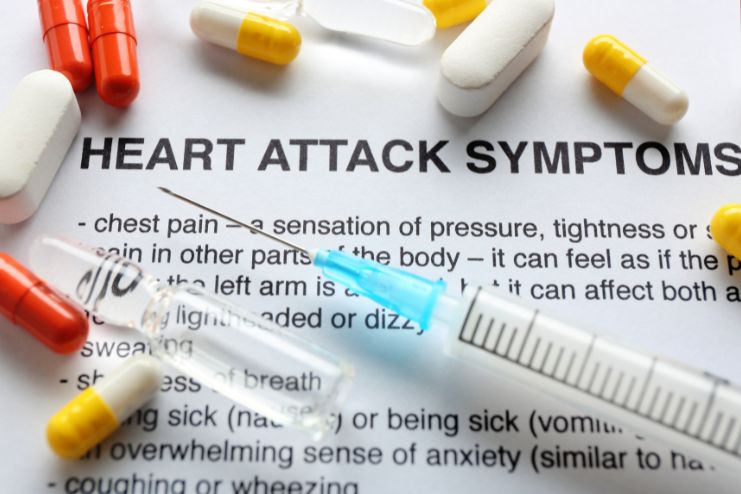
Yes, absolutely. Research confirms that many individuals report subtle but persistent symptoms days or even weeks before experiencing a heart attack. These early warning signs are often overlooked because they rarely match the dramatic, “crushing chest pain” scenario we typically associate with cardiac events.
Instead, pre-heart attack symptoms tend to be gradual, intermittent, and easy to dismiss, making them all the more dangerous if left unchecked.
What Makes These Symptoms Hard to Recognize?
- They may come and go, making it difficult to connect them to the heart.
- They can mimic other conditions, like indigestion, fatigue, or stress.
- They often feel mild at first, but may gradually intensify as the heart becomes more compromised.
Who’s More Likely to Miss the Warning Signs?
Certain groups are particularly prone to experiencing atypical or “silent” symptoms, which can delay diagnosis and treatment:
- Women often experience non-traditional signs such as nausea, jaw pain, or unusual fatigue rather than chest pain.
- People with diabetes may have reduced nerve sensitivity, making them less likely to feel classic chest discomfort.
- Adults over 50 may attribute symptoms like shortness of breath, dizziness, or fatigue to aging or inactivity rather than an underlying cardiac issue.
Why Early Detection Matters
Paying attention to your body could save your life. Even subtle, unfamiliar symptoms that seem out of the ordinary, especially when they persist or worsen, warrant attention. Acting early by speaking to a healthcare provider or seeking medical care can lead to quicker diagnosis, preventive treatment, and significantly better outcomes.
The bottom line: Heart attacks are not always sudden or dramatic. For many, the body whispers warnings long before it screams. The key is listening.
The Most Common Early Warning Signs of a Heart Attack
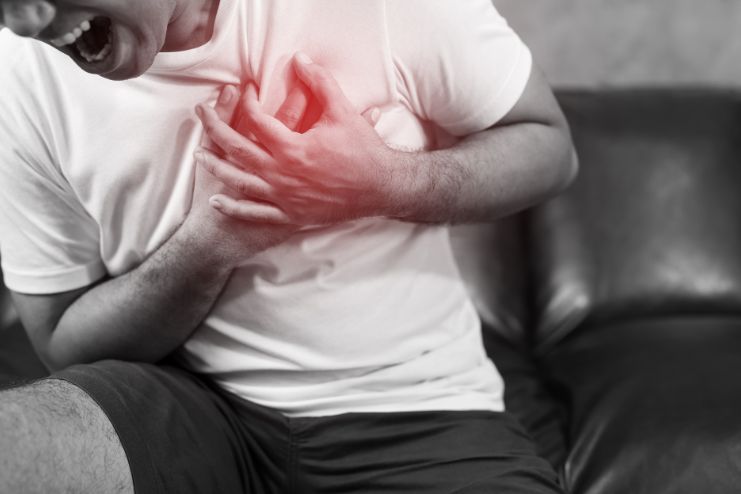
Heart attacks don’t always arrive with dramatic, movie-style chest pain. Many people, especially women, experience early warning signs days or even weeks beforehand. These symptoms are often subtle, misinterpreted, or dismissed as minor issues. Recognizing them could make the difference between prevention and a full-blown emergency.
Here are the most common early symptoms to watch for:
1. Unexplained Fatigue
One of the most frequently reported early signs, particularly in women, is a deep, persistent fatigue that feels unlike normal tiredness.
- Feeling drained even after light tasks like folding laundry.
- Needing frequent naps or resting more than usual.
- Exhaustion despite a full night’s sleep.
This isn’t just being tired, it’s a body-level exhaustion, as if your energy has been abruptly shut off. It often starts weeks before the heart attack.
2. Chest Discomfort or Pressure
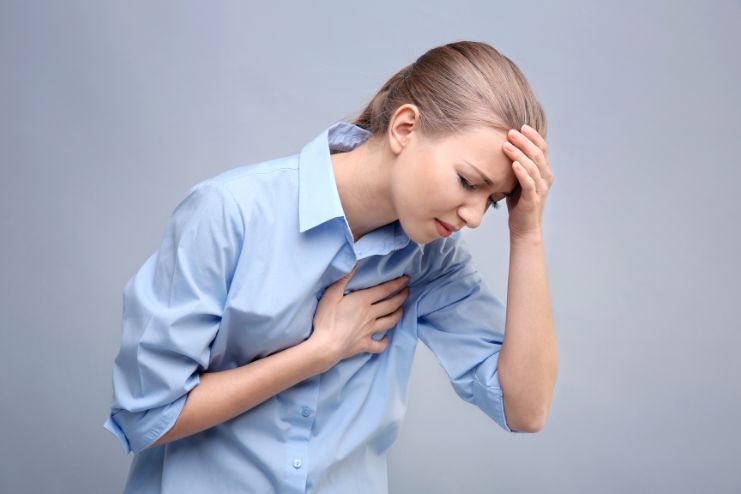
Chest symptoms don’t always come as sharp pain. Early-stage heart attacks often present as a sensation of pressure, fullness, or tightness.
- Feels like something is squeezing or sitting heavily on your chest.
- Discomfort may come and go, or be triggered by exertion or emotional stress.
- Can radiate to the back, shoulders, or arms.
Even if the discomfort is mild, fleeting, or vague, it should never be ignored. It may be your heart’s first cry for help.
3. Shortness of Breath
Breathlessness with minimal effort or even while resting can signal early heart dysfunction.
- Struggling to breathe during basic activities, like walking across a room.
- Feeling winded when lying flat.
- Waking up gasping for air during the night.
This may be due to fluid buildup in the lungs or reduced oxygenation caused by poor cardiac output.
4. Sleep Disturbances
Difficulty sleeping, especially when accompanied by a sense of unease, can be an underrecognized cardiac warning.
- Trouble falling or staying asleep.
- Restlessness or waking up suddenly with a racing heart.
- A vague sense of anxiety or impending doom at night.
These sleep issues may result from blood pressure fluctuations or the body’s subconscious response to cardiovascular stress.
5. Lightheadedness or Dizziness
Feeling dizzy or faint can occur when your brain isn’t receiving enough oxygen-rich blood.
- Dizziness when standing up, walking, or during mild activity.
- Sudden episodes of imbalance or “floating” sensations.
- Feeling like you’re going to pass out.
If accompanied by chest pressure or shortness of breath, this could point to an impending cardiac event.
6. Nausea, Indigestion, or Abdominal Discomfort
Heart-related symptoms can masquerade as digestive issues, leading to frequent misdiagnoses.
- Persistent nausea or unexplained vomiting.
- Bloating or a heavy feeling after small meals.
- Burning in the chest that doesn’t respond to antacids.
These signs are especially common in women and are often confused with acid reflux, food poisoning, or stomach flu.
7. Pain in the Jaw, Neck, Back, or Arm
Cardiac pain isn’t always confined to the chest; it can radiate to other parts of the body.
- A dull ache or tightness in the jaw (especially the left side).
- Upper back pain between the shoulder blades that comes and goes.
- Tingling, heaviness, or numbness in one or both arms, commonly the left.
Unlike muscular pain, this discomfort may appear without a clear cause and return sporadically.
These symptoms may seem minor on their own, but in the context of heart health, they’re major red flags. If you experience any combination of these signs, especially if they’re new, persistent, or worsening, seek medical attention immediately.
Early recognition and action could prevent a heart attack or even save your life.
Read More: 10 Warning Signs A Month Before Heart Attack – Stay Alert!
Lesser-Known Symptoms That Shouldn’t Be Ignored

Not every warning sign of a heart attack is obvious or easily categorized. Some symptoms are subtle, unusual, or easy to dismiss, but they can be just as serious as the classic signs. Your body may be sending quiet distress signals that are easy to overlook, especially if you’re not expecting them.
Here are a few lesser-known symptoms that warrant close attention:
1. Sweating Without Physical Exertion
Breaking into a cold sweat while resting or during minimal activity can signal a cardiovascular event in progress.
- Sudden clamminess or damp skin.
- Sweating that’s out of proportion to your activity level.
- Cool, pale skin accompanied by dizziness or nausea.
This can be your body’s fight-or-flight response to reduced blood flow or oxygen deprivation caused by a struggling heart.
2. Irregular Heartbeat or Palpitations
A fluttering, racing, or skipping heartbeat may feel harmless, but it could indicate an underlying issue with your heart’s electrical rhythm.
- Noticeable pounding or irregular beats.
- Sensation of your heart “flip-flopping” or racing unexpectedly.
- Accompanied by fatigue, chest discomfort, or breathlessness.
While occasional palpitations can be benign, persistent or sudden irregularities, especially when paired with other symptoms, should be evaluated.
3. Sudden Anxiety or a Sense of Dread
A wave of anxiety or a strong feeling that “something’s not right” can sometimes precede a heart attack, even in the absence of physical symptoms.
- Unexplained restlessness or agitation.
- A sudden fear that something bad is about to happen.
- Feeling mentally “off” or emotionally unsettled without reason.
This may stem from the body’s nervous system responding to internal cardiac distress, even before pain or other visible symptoms appear.
Who’s Most at Risk for Subtle or Delayed Symptoms?
Heart attacks don’t always announce themselves with dramatic symptoms. In many cases, the signs are subtle, delayed, or completely atypical, especially in certain high-risk groups. Understanding who is most likely to experience these “silent” or less obvious symptoms can help save lives.
- Women often feel fatigue, jaw pain, or nausea instead of chest pain. Their symptoms are easily mistaken for stress or hormonal shifts.
- People with diabetes may not feel pain due to nerve damage, making heart attacks harder to detect.
- Older adults might dismiss signs like breathlessness or weakness as normal aging.
- Those with a family history of heart disease should stay alert, even mild symptoms could signal something serious.
What to Do If You Notice These Symptoms
Recognizing early signs of a heart attack is only half the battle; the next step is knowing how to respond. Many people hesitate because they’re waiting for the “classic” symptoms, like crushing chest pain. But heart attacks often begin with subtle, less dramatic cues. Acting early, even when symptoms seem minor, can be lifesaving.
Don’t Wait for Classic Chest Pain
One of the most dangerous misconceptions is that a heart attack must involve intense, movie-style chest pain. In reality, many heart attacks begin with vague discomfort, fatigue, or shortness of breath. Waiting for the “big” symptom to hit can cost you critical time.
When to Call Your Doctor
If your symptoms are mild but persistent, don’t brush them off. Reach out to your doctor if:
- You have recurring jaw pain, fatigue, or nausea that can’t be explained.
- You notice new or unfamiliar symptoms without a clear trigger.
- You feel “off” for more than a day or two, especially if that feeling worsens.
Even if it’s not a heart attack, these could be early signs of cardiovascular strain or another underlying issue that needs attention.
When to Go to the Emergency Room
Don’t hesitate, call emergency services immediately if you experience:
- Chest discomfort or pressure lasting longer than five minutes.
- Sudden shortness of breath, especially if it’s paired with dizziness or fainting.
- Pain that radiates to your arm, jaw, or back, along with nausea, sweating, or a sense of panic.
Time is critical. The sooner you get medical care, the better your chances of minimizing damage and recovery time.
How to Track Symptoms Effectively
Keeping a simple symptom journal can help your doctor identify patterns or diagnose heart issues earlier. Write down:
- When the symptoms started: Note the time of day or whether they occur after meals, exercise, or stress.
- What the symptoms feel like: Be specific about location, intensity, and duration. Is it dull, sharp, tight, or burning?
- What you were doing when they appeared: This helps identify potential triggers, such as physical activity or emotional stress.
Regular tracking can provide valuable insight, especially for symptoms that come and go.
Prevention Tips to Reduce Heart Attack Risk
Preventing a heart attack starts with building heart-healthy habits long before symptoms appear. Lifestyle changes, even small ones, can dramatically lower your risk.
Nutrition
- Eat more whole grains, fruits, vegetables, and omega-3-rich fish like salmon or sardines.
- Reduce intake of saturated fats, trans fats, excess salt, and processed foods.
- Limit sugar-sweetened drinks, deep-fried foods, and high-cholesterol items such as red meat and full-fat dairy.
Physical Activity
Aim for at least 30 to 45 minutes of moderate aerobic activity, like brisk walking, cycling, or swimming, five days a week. Regular movement keeps your heart strong, improves circulation, and helps maintain a healthy weight.
Include strength training exercises twice a week to support vascular health and improve metabolism, especially as you age.
Monitor Key Health Metrics
Know your numbers and keep them within healthy ranges:
- Total cholesterol should be under 200 mg/dL.
- LDL (bad) cholesterol under 100 mg/dL.
- HDL (good) cholesterol over 60 mg/dL.
- Blood pressure below 120/80 mmHg.
- Fasting blood sugar under 100 mg/dL.
- Body Mass Index (BMI) ideally between 18.5 and 24.9.
Get regular checkups to monitor these metrics and adjust your lifestyle or medications as needed.
Lifestyle Habits That Protect Your Heart
- Quit smoking: This is one of the most effective ways to reduce your heart disease risk. Just one year after quitting, your risk drops significantly.
- Limit alcohol: Stick to one drink a day for women, and two for men, or less. Excessive drinking can elevate blood pressure and triglycerides.
- Manage stress: Chronic stress increases inflammation and cortisol levels. Try meditation, therapy, journaling, nature walks, or creative hobbies to help decompress.
Frequently Asked Questions FAQs
- Can a heart attack happen without chest pain?
Yes, heart attacks can occur without the hallmark chest pain, especially in women, older adults, and people with diabetes. Symptoms may include unusual fatigue, shortness of breath, or nausea. These non-classic signs are often overlooked, which can delay critical treatment.
- How do I know if my symptoms are serious enough for the ER?
If you experience chest discomfort, shortness of breath, dizziness, or pain radiating to your jaw or arm, seek emergency care immediately. Even if the symptoms are mild or intermittent, they could signal a heart attack in progress. It’s always better to be evaluated and safe than to wait and risk complications.
- Can heart problems cause sleep disturbances?
Yes, poor sleep can be an early warning sign of heart issues, particularly in women. Frequent waking, restlessness, or a racing heart at night may indicate cardiovascular stress. These symptoms should not be ignored, especially when paired with fatigue or breathlessness.
- Is it normal to feel anxiety before a heart attack?
Some people report a sudden sense of doom or unexplained anxiety in the days or hours leading up to a heart attack. This is thought to be the body’s nervous system reacting to cardiac distress. While it may seem vague, any strong gut feeling that something is wrong should be taken seriously.
- How can I tell the difference between indigestion and heart symptoms?
Heart-related chest discomfort often feels like pressure, tightness, or burning that doesn’t improve with antacids. It may be accompanied by shortness of breath, sweating, or pain spreading to the neck or arms. If you’re unsure, treat it as a potential cardiac issue and seek medical care promptly.
Final Takeaway
Your body is incredibly wise; it often whispers warnings before it ever shouts. That tightness in your chest, the unusual fatigue, the breath you can’t quite catch, these aren’t coincidences. They’re quiet, insistent signals that something deeper may be going on.
Too many people wait for the dramatic moment, the collapse, the crushing pain, believing that only then is it “real.” But by that time, the heart may already be in crisis. The truth is, early recognition can mean the difference between a close call and a catastrophe.
Don’t underestimate the soft signs. Pay attention to the discomfort that lingers, the fatigue that feels different, the gut feeling that something is off.
Listen. Act. Trust your instincts.
And above all, give your heart the same care and urgency you’d give to someone you love. Because your life may depend on it.
References
- https://www.medicalnewstoday.com/articles/signs-of-heart-attack-a-month-before
- https://www.healthline.com/health/heart-attack/6-signs-of-heart-attack-a-month-before
- https://www.verywellhealth.com/six-signs-of-a-heart-attack-a-month-before-8584975
- https://www.medcare.ae/en/health-library/signs-of-heart-attack-months-before.html
- https://ckbirlahospitals.com/rbh/blog/6-signs-of-heart-attack-a-month-before
- https://www.apollohospitals.com/health-library/6-symptoms-of-serious-diseases-you-shouldnt-ignore
- https://www.mayoclinic.org/healthy-lifestyle/adult-health/in-depth/symptoms-not-to-ignore/art-20045276
- https://health.ucsd.edu/news/features/10-symptoms-to-never-ignore
- https://www.brownhealth.org/be-well/18-signs-and-symptoms-you-should-never-ignore
- https://www.johnrivasmd.com/blog/heres-why-you-shouldnt-ignore-heartburn
- https://www.chicagotribune.com/2025/06/13/bp-postpones-carbon-pipeline-project-indefinitely
- https://www.sciencedirect.com/science/article/abs/pii/S0014299924002747
- https://www.apollohospitals.com/health-library/how-to-prevent-heart-attack
- https://pmc.ncbi.nlm.nih.gov/articles/PMC6481017/
- https://www.heart.org/en/health-topics/heart-attack/life-after-a-heart-attack/lifestyle-changes-for-heart-attack-prevention
In this Article