













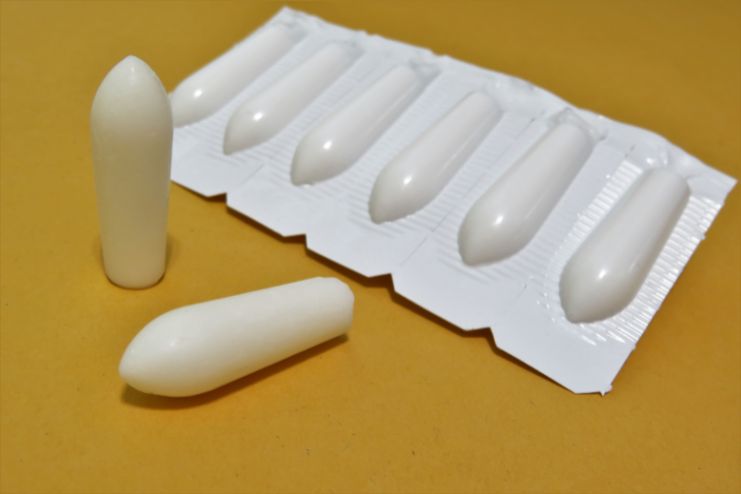
Fertility treatments have become quite common in recent times, thanks to their effectiveness. There are several fertility treatments available, including IVF, IUI, or progesterone treatment, a few popular ones. If you’re taking any of these fertility treatments, there’s a high probability you’ve been given vaginal progesterone suppositories.
They are put directly into the vagina and release progesterone, a hormone that prepares and keeps the uterine lining ready for pregnancy. But many women using progesterone suppositories wonder: “How long should I wait to pee afterward?”
Is it okay to use the bathroom soon after insertion? Will it reduce the effectiveness of the medication?
In this article, we’ll answer those questions and more. You’ll also learn how progesterone suppositories work, the best time to insert them, things to avoid after insertion, and how to get the best results from your fertility medication.
Read More: Top Vaginal Health Supplements You Can Buy Online (Probiotics, Prebiotics & More)
How Progesterone Suppositories Work

Vaginal progesterone suppositories are tiny capsules or tablets that you place inside your vagina. After being placed inside, they dissolve because of body heat and release progesterone, which is absorbed into the bloodstream via the vaginal walls.
Here’s why the method is frequently applied in fertility treatment:
- Direct Delivery: The pill avoids the digestive system, so it doesn’t have to be broken down by the liver first before entering your bloodstream. This results in increased absorption and fewer side effects in the gastrointestinal tract.
- Targeted Hormone Support: Because the uterus is so close to the vaginal region, local absorption can allow the hormone to reach its destination in no time—thickening the uterine lining and supporting implantation of the embryo.
- Sustained Release: The suppository melts gradually, facilitating the release of hormones over several hours.
How and when you insert it, as well as for how long it remains in place, can also influence how effective it is. That’s why urination, physical movement, and even posture after insertion are important.
Read More: 6 Women’s Health Trends to Watch in 2025 (Backed by Data)
Should You Pee Before or After a Suppository?
One of the best things you can do before inserting your progesterone suppository is to pee first. Here’s why:
Why it’s a good idea to pee beforehand:
- Reduces Urgency: After the suppository has been inserted, it’s generally a good idea to lie down. But if your bladder is already full, you’ll become aware of the urge to pee shortly afterward, which could cause you to have to get up and be active sooner than is best.
- Avoids Shifting: Activity shortly after insertion could make the melted medicine shift deeper in the vaginal canal or spill out, which may reduce absorption.
- Adds Comfort: You’ll be less likely to fidget or lie down if you don’t have a full bladder distracting you.
If you’re in a hurry or forgot, don’t worry. But whenever you can, urinate before putting in the suppository.
When Can You Safely Pee After Inserting It?

The age-old question: how long to wait to pee after progesterone?
Wait time we recommend: 15–30 minutes
Once you insert the suppository, it’s best to remain in that position or lie down for 15 to 30 minutes at least.
Why?
- The progesterone suppository will generally melt in the first 10 to 15 minutes, and the hormone will be released into the vaginal walls.
- If you urinate too early, you won’t rinse out the medication (since urine is absorbed from the urethra, not the vagina), but you might upset the area or cause early leakage.
- The longer you remain motionless, the longer the progesterone will have to penetrate into your tissues.
- Even when in a hurry, attempt to allow it at least 15 minutes before rising or walking about.
Read More: Stay Confident: The Top 7 Postpartum Bladder Leak Underwear for Women
Do You Need to Lie Down After a Suppository?
Yes. Staying in a horizontal or reclining position after inserting the suppository aids in its effectiveness.
Why being in such a position is important:
- Gravity impacts leakage. When you’re lying down, you allow the medicine to soak in before gravity pulls it down.
- It helps in improved absorption. The vaginal tissue contains numerous small blood vessels. Lying down prevents the melted medicine from drifting away from the tissue, thus enhancing the amount absorbed.
- You can reduce the mess. Lying down for a short duration can reduce sloppy leaks on your undies.
For how long should you lie down?
- Try to lie down for 20–30 minutes.
- If you’re inserting the suppository at bedtime, perfect, you can simply lie down and go to sleep.
- If it’s during the day, try to recline on a couch, bed, or even a soft chair with your legs up.
Even 10 minutes of rest is better than none. But if possible, prioritize 20–30 minutes of stillness.
What If Some Medication Leaks Out?
It’s normal to notice some discharge after using a vaginal suppository.
Here’s what happens:
The oil or wax base of the suppository melts and comes out. This does not indicate a loss of the hormone itself. Most of the progesterone is absorbed immediately, so later leakage doesn’t indicate an ineffective dose.
Do not reinsert or double-dose unless your physician instructs you.
Tips to deal with leakage:
- Use a panty liner or light pad throughout the day to cover your underwear.
- Wear clean, airy underwear and skip tight pants shortly after dosing.
- Don’t fret if the discharge is white, yellow, or oily—this is usually normal.
If ever you think all the suppository leaked out in minutes, tell your provider. But some leakage will occur and isn’t an indication that it didn’t work.
Tips for Better Absorption and Reduced Side Effects

To get the most out of your progesterone therapy, try these tips:
- Wear a Panty Liner: Leaking is inevitable, particularly if you insert it while awake. A liner keeps things dry and clean.
- Insert Deeply: The more deeply it’s inserted, the more it’ll be absorbed. Use clean fingers or an applicator, and insert it at least one finger’s length beyond the vaginal canal.
- Stay on a Routine: Take your suppositories at the same time each day. Regular timing keeps hormone levels consistent, which is particularly necessary while undergoing IVF or luteal phase support.
- Avoid Vaginal Products: Except on prescription, don’t use anything in the vagina with progesterone:
- No tampons
- No vaginal washes or douches
- No essential oils or scented soaps
Talk to your provider about side effects
Light cramping, breast sensitivity, bloating, or mood swings are usual. If symptoms become stronger or you develop itching, burning, or spotting, touch base with your physician.
What to Avoid After Insertion
To keep the medication safe and provide it with its best opportunity to absorb, here’s what not to do after applying a progesterone suppository:
Don’t have sex for a few hours: Intercourse may push the drug out or interfere with absorption. If you are being treated for fertility, your physician might require you to stop intercourse entirely during some stages of your cycle.
Avoid strenuous exercise: Running, jumping, or weight lifting shortly after insertion can dislodge the suppository or leak. If exercise is unavoidable, attempt to plan your dose when you can take a rest afterwards.
Do not use tampons: Tampons may soak up the melted drug and dampen its effectiveness. Use pads or panty liners only.
Avoid internal washing: Even rinsing with water or vaginal douching can upset the area and flush out some of the medication. Use external cleansing only.
Final Thoughts

So, when to urinate after a progesterone suppository?
It’s best to wait 15–30 minutes after you put it in before using the bathroom.
Remember, urinating won’t flush out the medication, but peeing too soon can disrupt the melted base and cause early leakage. Try to empty your bladder before insertion and lie down afterward for 20–30 minutes whenever possible.
A little discharge is normal. Don’t worry or reinsert unless your doctor advises.
Your fertility medication routine doesn’t need to be stressful. With the right technique and timing, you’ll get the full benefit of progesterone and feel more confident in your care.
In this Article