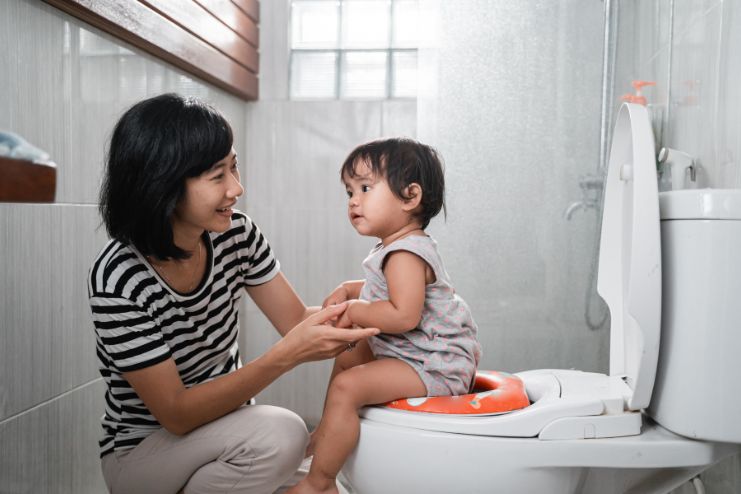
It’s natural for parents to monitor every aspect of their child’s health, and bowel movements are among the most telling indicators of their well-being. While you may be accustomed to seeing various colors in your baby’s diaper, discovering an unexpected change in your child’s stool can be both shocking and worrying.
The color of your baby’s stool reflects their overall health and digestive function. In the initial days following birth, newborns typically pass a substance called meconium, which is usually black or green in color. As children grow into toddlers, their stool color can vary based on diet and health status.
White or pale stools in toddlers may indicate problems with liver function or bile production, which could signal something more serious occurring within their body. While it’s normal to be concerned, the first step toward taking appropriate action is understanding what this change might mean.
This article covers the six most common causes of white stools in toddlers, how to recognize warning signs, and when to contact your pediatrician.
Read More: Rethinking Baby Food: The Hidden Dangers of Ultra-Processed Choices
Why Stool Color Matters in Toddlers
Although it may not be your favorite topic of conversation, your toddler’s stool is one of the most revealing indicators of their overall health. Understanding the meanings of different stool colors can help you identify what’s normal and spot potential problems early.
Healthy baby stool typically ranges from mustard yellow to light brown, and sometimes green, particularly in breastfed infants or those fed formula. These colors usually indicate a healthy digestive system functioning properly.
However, when stool changes to an unusual color, such as white, red, or black, it may signal underlying medical issues. White stools, in particular, could indicate a deficiency of bile in the digestive system, potentially pointing to liver or gallbladder problems. Similarly, red stool might suggest a food reaction or something more serious, while black stool could indicate bleeding somewhere in the digestive tract.
According to Dr. Monica Molina of the CHOC Primary Care Network, stool represents the body’s final stage of digestion and can provide valuable insights into a child’s health.
6 Causes of White Poops in Toddlers
1. Biliary Atresia
This is among the most serious causes of white stool in babies. In this rare condition, bile cannot flow from the liver to the gallbladder and then into the intestines because the bile ducts, either inside or outside the liver, are blocked, malformed, or absent entirely.
Without bile flow, the bile pigments that give stool its normal brown color are missing, causing the stool to appear white or pale. Biliary atresia typically manifests in the first few weeks to months after birth, and if left untreated, it can cause severe liver damage.
If this condition is suspected, your child’s doctor will immediately recommend testing, including blood tests, ultrasounds, and potentially liver biopsies to confirm the diagnosis.
Read More: Is Your Toddler’s Diet Missing These Crucial Brain-Boosting Nutrients?
2. Neonatal Hepatitis
This condition involves inflammation of the liver in newborns and infants. It can be caused by various factors, including viral infections, metabolic disorders, and autoimmune conditions. When hepatitis affects infants, it can result in pale or whitish-colored stools.
The inflammation prevents the liver from producing and transporting bile effectively, resulting in pale stools. Early diagnosis and treatment are crucial to prevent long-term liver damage.
Doctors diagnose hepatitis in babies using blood tests that measure liver function and detect the presence of viruses or other causative factors. Treatment depends on the underlying cause—for viral infections, antiviral medications may be prescribed, while other causes require different therapeutic approaches.
3. Cystic Fibrosis
This inherited condition affects the body’s ability to produce normal mucus, leading to thick secretions that can block pancreatic ducts. When the pancreas cannot release proper digestive enzymes, the resulting stool becomes greasy, pale, and difficult to flush.
Children with cystic fibrosis often display additional symptoms such as persistent coughing, frequent respiratory infections, and difficulty gaining weight. The condition is typically diagnosed through genetic screening or a sweat chloride test.
Management involves enzyme replacement therapy, respiratory treatments, and other supportive therapies to improve symptoms and quality of life.
4. Medications
Certain medications can cause white or pale stools in children. If your child is taking antacids containing aluminum hydroxide or has received barium sulfate for medical imaging procedures, these substances may temporarily cause white or pale-colored bowel movements.
Additionally, conditions that cause steatorrhea (excess fat in the stool) can result in pale or slightly white stools. Pancreatic insufficiency, food allergies and intolerances, and malabsorption disorders like celiac disease can all lead to steatorrhea in children.
Read More: 10 Essential Nutrients for Children’s Growth and Development
5. Malabsorption Disorders
Various malabsorption disorders can cause pale-colored stools in infants and toddlers. When the intestines cannot properly absorb nutrients, it leads to malnutrition and various health issues. Common causes include food intolerances, enzyme deficiencies, and congenital conditions.
In addition to pale stools, children with malabsorption syndromes may experience poor growth, chronic diarrhea, and abdominal bloating. Diagnosis typically involves blood tests, stool analyses, and imaging studies to evaluate gastrointestinal function.
Treatment varies depending on the specific cause and may include nutritional therapy, enzyme supplements, and dietary modifications.
6. Alagille Syndrome
This is a genetic disorder that affects the liver, heart, and other organs throughout the body. In babies with Alagille syndrome, bile ducts are either too small or absent, causing bile to accumulate in the liver. This results in white or pale stools, similar to what occurs in biliary atresia.
Additional signs may include heart murmurs, kidney or eye problems, and distinctive facial features. Diagnosis involves genetic testing, liver function tests, and imaging studies to assess the liver and bile ducts.
Treatment focuses primarily on symptom management, including dietary modifications, regular medical monitoring, and medications to promote bile flow. In some cases, surgery may be necessary to improve bile drainage.
When to See a Doctor

While your toddler’s stool color may occasionally change harmlessly, certain warning signs should never be ignored. Knowing when to contact your doctor about changes in your child’s bowel movements can help ensure prompt treatment if something serious is occurring.
White or chalky stools may indicate a liver or bile duct problem and should be considered a potential medical emergency.
Call your pediatrician immediately if you observe:
- Chalky, white, or pale stools lasting more than one day
- Jaundice (yellowing of the skin or eyes)
- White stools accompanied by dark, tea-colored urine
- Vomiting, nausea, or unusual fatigue
- Abdominal pain or swelling
- Fever along with changes in stool color
Read More: Understanding and Managing Food Intolerances in Children
Conclusion
While discovering white stool in your toddler can be concerning, understanding the potential causes and knowing when to seek medical attention can help you respond appropriately. Some changes in stool color are harmless and temporary, while others—particularly prolonged pale or colorless stools—may indicate underlying conditions requiring immediate medical attention.
As a parent, your vigilance and prompt action are crucial to your child’s health. Always trust your instincts—if something doesn’t seem right, don’t hesitate to contact your pediatrician. It’s always better to seek reassurance than to miss an important warning sign.
Remember that early detection and treatment of serious conditions can make a significant difference in your child’s outcome, so never hesitate to advocate for your child’s health when you notice concerning changes.

References
- https://www.healthline.com/health/baby/white-curds-in-baby-poop#allergies
- https://health.choc.org/your-childs-poop-an-ultimate-guide/
- https://www.momjunction.com/articles/white-poop-in-babies-causes-symptoms-treatment_00730827/
- https://www.omegapediatrics.com/reasons-baby-has-white-or-light-grey-poop/
- https://www.childrens.com/health-wellness/what-does-my-childs-poop-color-mean
- https://www.mayoclinic.org/white-stool/expert-answers/faq-20058216
- https://www.tuasaude.com/en/white-poop/
- https://www.hopkinsmedicine.org/health/conditions-and-diseases/stool-color-guide
In this Article