














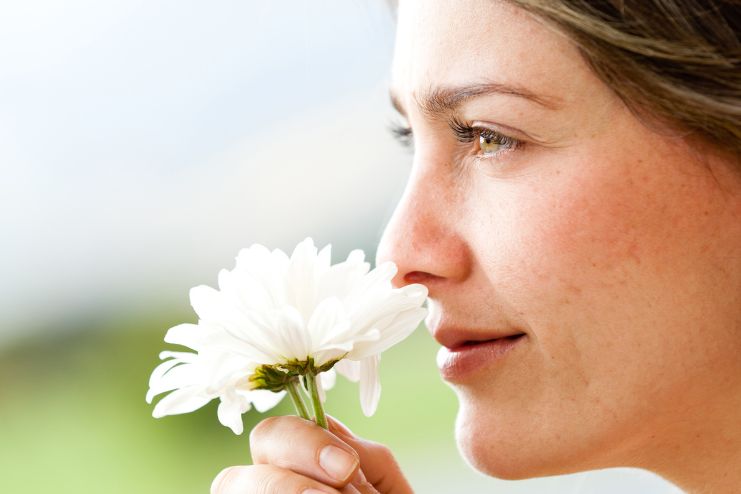
Imagine waking up one morning unable to smell your morning coffee, the fresh smell of rain, or the comforting smell of a loved one’s perfume. For many, this is not a hypothetical scenario—it’s a reality.
When I contracted COVID-19, the first symptom was loss of smell. I realized that I lost my sense of smell when I could no longer enjoy the aroma of my favorite perfume when sprayed. The spread of viral infections, particularly COVID-19, has triggered a pandemic of smell loss, medically referred to as anosmia. Recent estimates suggest that more than 60% of patients infected by COVID-19 have developed some degree of olfactory dysfunction, with many enduring long after they’ve recovered.
But there is hope.
Research is building toward a promising treatment: smell training. Also known as olfactory retraining, it is repeatedly exposing the nose and brain to an odor to restore smell function. Supported by neuroscience and widely endorsed by ENTs, this method is increasingly becoming an important tool for post-viral recovery of smell.
Let’s learn about how smell happens, why it disappears, and how you can start to restore your sense of smell naturally at home.
How Smell Works: A Quick Science Lesson
Smell is not only a sensory pleasure, it’s a neurological wonder. The olfactory system is one of the most straightforward channels from the outside world to your brain.
Here’s how it happens:
- When you breathe in, smell molecules drift up to the olfactory epithelium, a tiny patch of tissue buried deep within your nasal passage.
- Specialized receptors bind these molecules and translate them into electrical signals.
- These go along the olfactory nerve to the olfactory bulb, then on to brain areas such as the limbic system and olfactory cortex.
- Smell is closely associated with emotion and memory—hence, a scent of cinnamon may bring back your grandmother’s kitchen.
Yet, since the olfactory nerve is exposed to the external world, it is extremely sensitive to damage. Viruses, toxins, and inflammation can impair this pathway. And since smell receptors regenerate slowly compared to other sensory nerves, recovery becomes tough but not impossible.
Read More: 14 Remedies To Restore Loss Of Taste And Smell – Regain It The Natural Way
What Causes Smell Loss?
Several things cause anosmia (loss of smell) or hyposmia (diminished smell), but below are the most prevalent:
Post-viral Anosmia:
It is the top contender for smell loss these days. Following viral infections, such as the cold, flu, or COVID-19, olfactory neurons become inflamed, damaged, or disconnected. In COVID-19 alone, the virus does not infect the neurons themselves but harms support cells, causing function to be disrupted.
Chronic Nasal Inflammation:
Diseases such as chronic sinusitis, nasal polyps, or allergic rhinitis may clog odor molecules from accessing the receptors or cause chronic inflammation of the olfactory epithelium.
Neurological Reasons:
Traumatic brain injuries, Parkinson’s disease, and Alzheimer’s can damage smell by impairing regions involved in olfactory processing.
Long COVID:
A large number of people recovering from COVID-19 experience persistent loss of smell at least 6 months after recovery. Experts think long COVID might lead to long-term inflammation or impairment of olfactory regeneration pathways.
What is Smell Training (Olfactory Retraining)?

Smell training is a systematic approach to recovering smell by repeated exposure to an array of familiar odors. The method was initially systematized in 2009 by Dr. Thomas Hummel in Germany.
Here’s how it is done:
- The brain and olfactory system are plastic—they can relearn themselves with practice.
- Smell training takes advantage of this neuroplasticity by repeatedly “exercising” the olfactory nerve.
- Contact with specific odors activates resting or recovering receptors to promote signal conduction.
There are many clinical trials now that validate smell therapy for anosmia, particularly post-viral loss of smell and long COVID. It’s not a promise, but it makes a huge difference from doing nothing.
Read More: DIY Herbal Teas: 7 Home Remedies to Soothe Common Ailments
How to Do Smell Training at Home
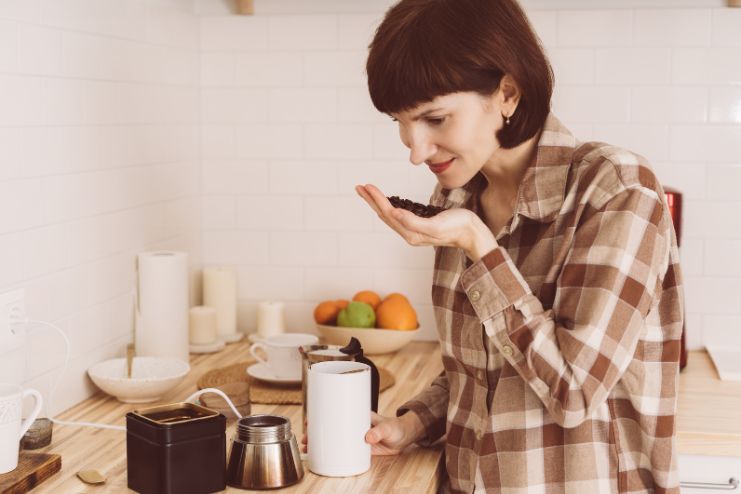
No fancy equipment is required—only four essential scents and reliability.
Simple smell training regimen:
Select four basic oils:
- Rose (phenylethyl alcohol)
- Lemon (citronellal)
- Clove (eugenol)
- Eucalyptus (eucalyptol)
You must:
- Sniff each smell lightly for 20–30 seconds, twice a day.
- Focus on the memory of the smell. Visualization makes neural connections stronger.
- Do this for at least 12 weeks. A lot of people require 6 months or more.
- Be regular. Morning and night are the best times.
- Each smell must be from a different fragrance group. Variety stimulates a greater number of olfactory receptors.
Smell Training Kits and Alternatives
DIY vs. Commercial Kits
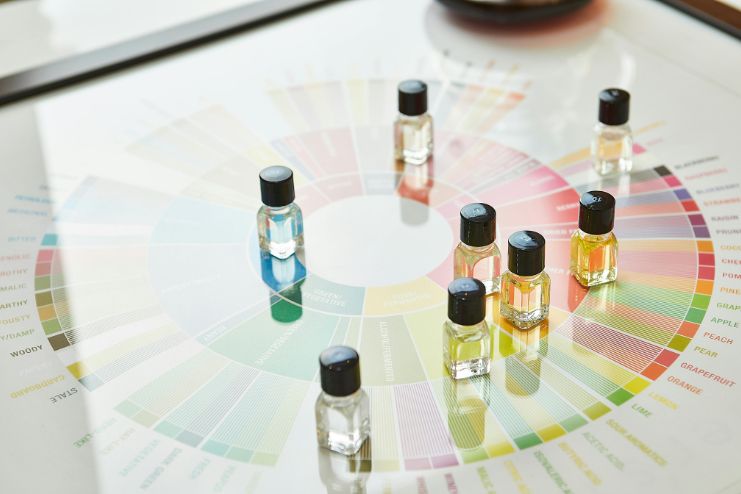
DIY kits use common household essential oils or ingredients. Four small jars with scent-loaded cotton pads are all you need.
Commercial smell training kits, such as Fifth Sense or Smell Training kits available online, contain pre-labeled vials, instruction booklets, and tracking charts. Convenient, yet optional, to achieve results.
Other useful scents include:
- Coffee: Strong and emotionally resonant
- Mint: Pungent and energizing
- Vanilla: Sweet and soothing
- Thyme or Rosemary: Pungent and herbal
Changing fragrances every 2–3 months prevents you from getting habituated and increases stimulation.
Maintain a Smell Journal.
Monitor your progress. Record:
- The date and time
- Fragrances used
- Perceived intensity (0–10 scale)
- Clarity of smell or recognition
- Emotional response or memory
This builds a habit and makes you feel better over time.
Read More: 10 Unbelievable Facial Exercises to sharpen your Nose- Know the Brunch!
Does Smell Training Work? What Science Says
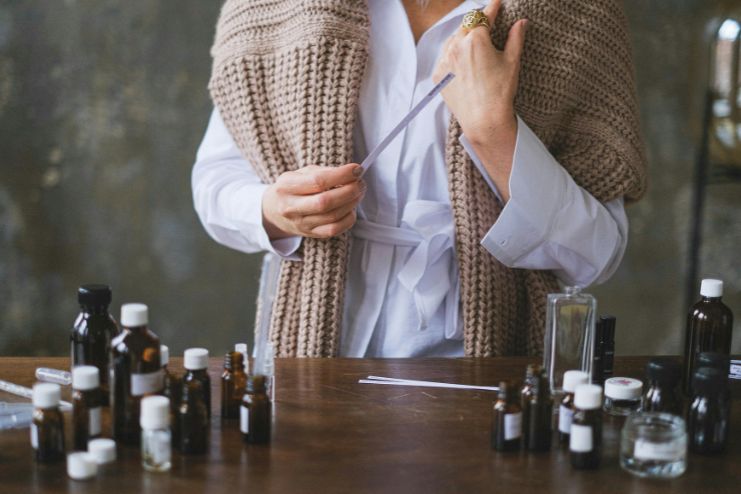
The science is promising, particularly for post-viral and long COVID patients.
Clinical evidence:
As per a 2021 study, it was found that COVID-19 causes smell loss by damaging the support cells in the nose, but not the smell neurons. This disruption leads to temporary or even longer smell issues, but the neurons often remain intact, offering hope for recovery.
Dr. Hummel’s study indicates that smell training restored olfactory function in 30% of volunteers with post-viral anosmia during 12 weeks.
A study conducted in 2023 indicates that olfactory training significantly improves overall smell function in individuals with post-viral or other forms of smell loss, with a strong effect size.. It highlights that recovery is impacted by factors like age, duration of training, and the underlying cause of anosmia, confirming smell training as an effective rehabilitation method.
Influencing factors:
- Time: Early training results in improved recovery.
- Age: Younger individuals respond faster.
- Severity: Mild to moderate loss of smell recovers more quickly.
- Consistency: Practice daily.
In short, retraining your nose is not a magic pill, but one of a few evidence-based therapies for anosmia.
Additional Tips to Support Smell Recovery

In addition to smell training, these lifestyle recommendations might augment your recovery:
1. Reduce Inflammation:
Steer clear of smoking, vaping, and allergens. Take saline nasal lavages or steroid sprays if recommended.
2. Optimize Nutrition:
Nourish nerve healing with:
- Zinc (pumpkin seeds, chickpeas, cashews)
- Vitamin A (carrots, sweet potatoes)
- Omega-3 fatty acids (salmon, walnuts, flaxseed)
3. Stay Olfactorily Engaged:
If you are unable to smell, remain active with scents:
- Cook smelly foods
- Burn candles or diffusers
- Walk in a flower garden
- Inhale essential oils mindfully
4. Pair Smell with Memory:
Attempt to recall what every smell used to smell like. This engages the memory-smell cycle, furthering neural recovery.
5. Explore Guided Therapies:
A few ENT centers today provide guided olfactory rehabilitation courses or use PRP injections to support smell neuron regrowth. Consult your specialist.
When to Consult a Doctor or Specialist
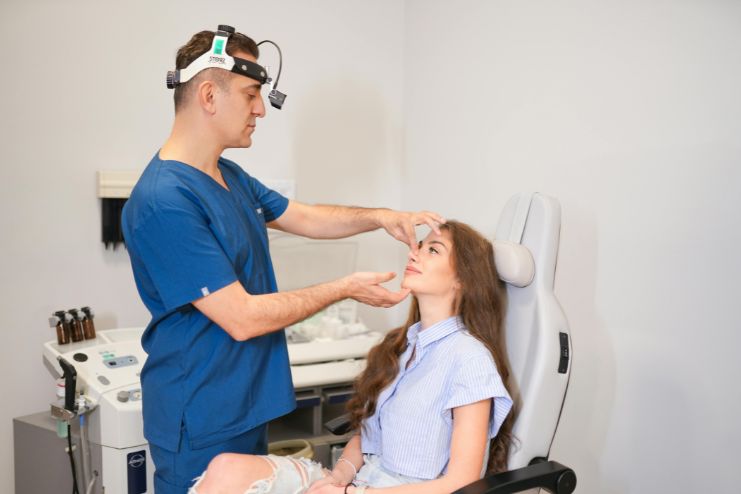
Although smell training is safe, some red flags require professional attention:
- No improvement after 3–6 months
- Smell loss is followed by taste loss, appetite changes, or depression.
- Smell returns distorted (parosmia) or unpleasant (phantosmia)
- You have a history of head trauma, neurological problems, or nasal obstruction.
An ENT might prescribe the following tests:
- Olfactometry (to measure smell loss)
- MRI or CT scan (to rule out tumors or sinus blockages)
- Blood tests (to rule out nutritional deficiencies or infections)
- The earlier the diagnosis, the better the chances of recovery.
Final Thoughts
Losing your sense of smell can feel like losing part of yourself. Fortunately, smell therapy for anosmia, through smell training, offers a scientifically supported path to recovery.
It may not be quick or easy, but with patience, persistence, and a bit of neuroplastic magic, your nose can learn to smell again.
Whether you’re battling long COVID, post-viral anosmia, or other causes of smell loss, know that progress is possible. One sniff at a time.
In this Article