










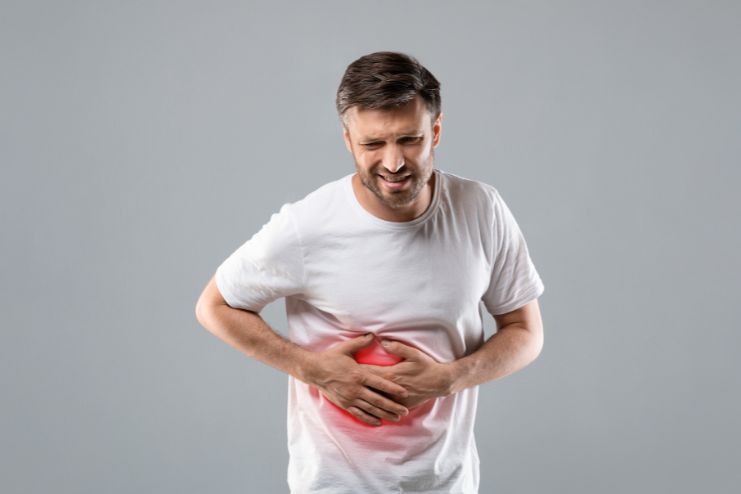
Fatty liver disease is often a “silent” condition for a reason. This is because it typically causes no pain and symptoms until one day when it goes into advanced stages. And when symptoms appear, they are a prompt sign from your body to visit a doctor as soon as possible.
This condition is not rare, but extremely common. This is due to the high rates of obesity and sedentary lifestyles. The best part? If diagnosed early, fatty liver disease is reversible. That’s why identifying early signs of fatty liver disease is crucial. In this article, we understand what fatty liver is, the early signs of liver damage, and ways to protect your liver.
Read More: Herbs and Spices That Promote Liver Health
What Is Fatty Liver Disease?
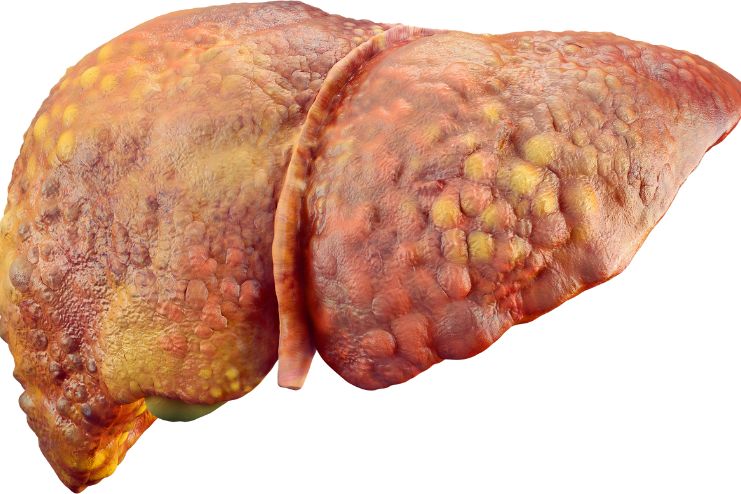
Fatty liver disease happens when there is an excess accumulation of fat in liver cells. It comes in two forms:
- Nonalcoholic Fatty Liver Disease (NAFLD): This is the most common type, particularly in people who drink little or no alcohol.
- Alcoholic Fatty Liver Disease (AFLD): This condition is a result of fat buildup in the liver due to heavy alcohol consumption.
As per a few medical experts, up to 25% of the global population may have fatty liver disease, with NAFLD getting more common due to rising rates of metabolic syndrome. If left untreated, it can lead to liver inflammation, fibrosis, and even cirrhosis.
Why Early Detection Is Crucial

The liver is one of the strongest organs, but it has one major drawback. The flaw is that the liver lacks pain receptors. This means you won’t feel pain even if you’re under stress. By the time clear symptoms appear, liver damage may already be extensive.
However, symptoms appear long before the damage begins. And spotting these signs early on makes it easier to reverse the condition through lifestyle changes.
Read More: Best Practices for Supporting Liver Health After Hepatitis
Early Signs and Symptoms You Can’t Ignore
1. Fatigue and Low Energy:
Constant fatigue-even after a full night’s sleep-might be linked to liver damage. The liver has a significant function in detoxification and energy metabolism, and when the liver is impaired, you may experience unexplained tiredness.
2. Mild Upper Right Abdominal Discomfort:
If you experience an ache or fullness under the right rib cage, it is a sign of inflammation of the liver. It is frequently confused with indigestion or bloating, particularly in the initial phases, hence often overlooked.
3. Unexpected Weight Gain or Inability to Lose Weight:
A sudden gain in weight, especially belly fat, despite trying to lose weight, can indicate liver damage. This is linked to insulin resistance and NAFLD and is most common in people with type 2 diabetes, PCOS, or high triglycerides.
4. Elevated Liver Enzymes on Blood Tests:
Often, the first sign of fatty liver can be diagnosed in a routine blood test. Slight changes in ALT and AST are common red flags of fatty liver disease. Though they may be mild, they need a proper check-up.
5. Brain Fog or Trouble Concentrating:
Cognitive symptoms like poor concentration, forgetfulness, or feeling mentally “sluggish” can indicate that the liver isn’t filtering toxins efficiently.
6. Mild Nausea or Digestive Changes:
Mild digestive problems such as recurring nausea, lack of appetite, bloating, or abnormal bowel movements also indicate a failing liver.
The following factors raise the risk of both NAFLD and AFLD:
- Obesity or overweight
- Type 2 diabetes or insulin resistance
- Elevated cholesterol or triglycerides
- Being physically inactive
- Indulging in unhealthy food(high sugar, processed food, or saturated fat)
- Having polycystic ovary syndrome (PCOS)
- Consuming high levels of alcohol(for AFLD)
NAFLD vs alcoholic fatty liver differ in cause but often share similar symptoms of fatty liver disease.
Read More: How to Recognize Early Signs of Liver Disease in Adults
How Fatty Liver is Diagnosed
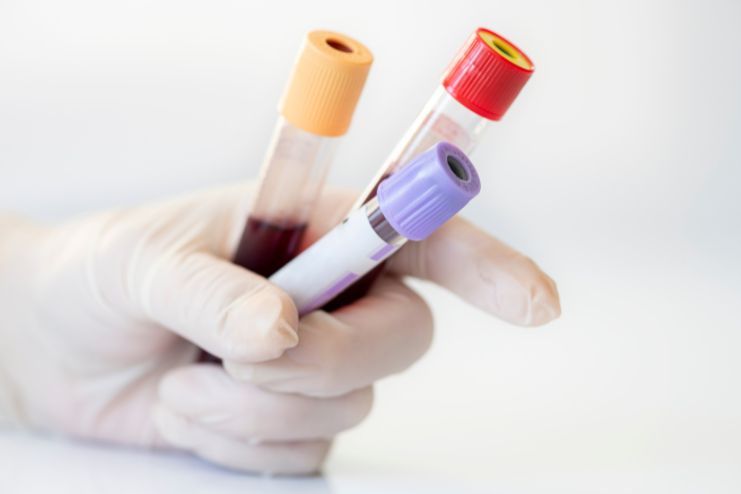
Early diagnosis usually includes a combination of the following:
- Blood Tests: To test liver enzymes like ALT, AST, GGT, and other markers of liver function.
- Imaging: An ultrasound for fatty liver is usually the initial approach. In more complicated situations, a FibroScan or MRI is used.
- Liver Biopsy: This is uncommon but not totally rare, used if the diagnosis is in doubt or progression of disease is suspected.
What to Do If You See Early Symptoms
If you see any early warning signs of liver disease, don’t overlook them. Here’s what you can do:
- Get blood tests done. Ask the doctor to assess liver enzyme levels.
- Ask for imaging, particularly if blood is abnormal or symptoms persist.
- Monitor symptoms. Keep a log of your fatigue, gastrointestinal problems, or mental fogginess and report to your healthcare provider.
- Ask for metabolic tests, as NAFLD often leads to insulin resistance and metabolic syndrome.
Max Healthcare recommends not ignoring early signs, even if they seem minor.
Things You Can Do to Reverse Early Fatty Liver
The liver has a great capacity to regenerate. This is how you can help in this:
1. Improve Your Diet:
Opt for a Mediterranean-type or low-carb, anti-inflammatory diet that’s high in vegetables, healthy fats, and lean protein. Cut back on:
- Sugary drinks and sweets
- Refined grains (white bread, pasta)
- Too much alcohol
2. Exercise Regularly:
Aim for at least 150 minutes of moderate exercise each week that includes brisk walking, swimming, or biking. Research indicates exercise decreases liver fat even without significant weight loss.
3. Lose 5–10% of Body Weight:
Moderate weight loss significantly improves liver tests and decreases fat storage within liver cells. It is recommended to lose 5-10% of body weight for best results.
4. Control Blood Sugar and Cholesterol:
If your blood sugar or lipids are elevated, work with your provider to get them under control through diet, exercise, and, if necessary, medications.
When to See a Specialist
You may want to see a hepatologist or liver specialist if:
- Liver enzymes continue to be high
- Symptoms do not change or get worse despite lifestyle modifications
- Imaging reveals evidence of fibrosis or other complications
- You have other chronic illnesses, such as diabetes or PCOS
A specialist can help you with additional testing, treatment recommendations, and other care solutions.
Read More: A Saviour’s Guide To Fatty Liver Diet – One Can Do to Overcome!!
Final Thoughts

Fatty liver disease is common—but it needn’t result in long-term damage. It’s as simple as paying attention to your body’s initial warning signs. Fatigue, slight nausea, belly pain, or increased enzymes might not feel serious, but they could be your liver’s request for assistance.
Act early, nourish your liver with healthy living, and don’t be afraid to ask your physician for liver function blood tests or scans if something doesn’t feel right.
Your liver can heal—you just have to catch the warning signals in time.
References
- https://srmglobalhospitals.com/blog/does-the-liver-regenerate-understanding-fatty-liver-disease-causes-symptoms-diagnosis-and-management/
- https://timesofindia.indiatimes.com/life-style/health-fitness/health-news/silent-symptoms-of-fatty-liver-you-must-never-ignore/photostory/107076952.cms
- https://www.maxhealthcare.in/blogs/5-signs-of-liver-damage-you-should-never-ignore
- https://timesofindia.indiatimes.com/life-style/health-fitness/health-news/silent-symptoms-of-fatty-liver-you-must-never-ignore/photostory/107076952.cms
- https://www.felixhospital.com/blogs/when-to-see-a-doctor-for-fatty-liver-know-the-red-flags
- https://www.sciencedirect.com/science/article/abs/pii/S0168827818325170
In this Article