













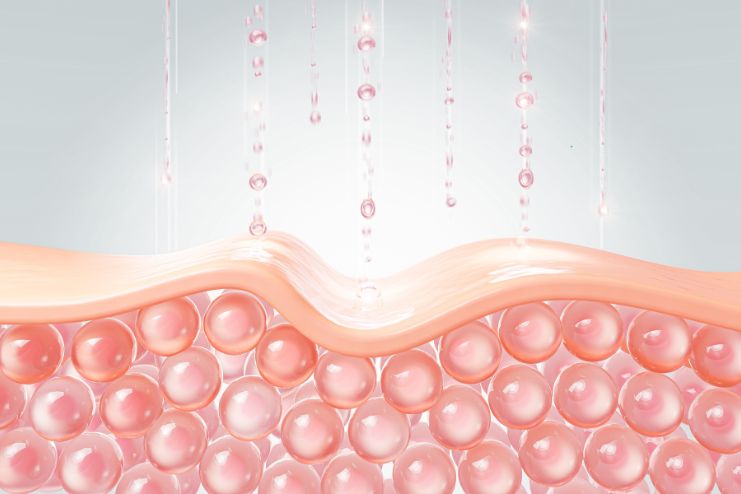
From beauty counters to fitness forums, gelatin and collagen have become popular—and rightfully so. These two protein supplements are being hailed for everything from tighter skin and fewer wrinkles to improved joint mobility, faster healing of the gut, and even better sleep. And yet, despite their rising popularity, most people have no idea what sets them apart—or which one best suits their specific health needs.
Both collagen and gelatin have the same origin—animal connective tissue. Both have similar amino acids that promote body’s healing and regeneration. However, how they are processed, absorbed, and utilized by the body is different.
Here’s the million-dollar question: Which one to choose In terms of skin wellness, joint discomfort, digestion, and overall health? Or do you require both, collagen and gelatin?
In this article, we’ll break down the science, compare benefits, and guide you in picking the right supplement for your needs. Whether you’re seeking radiant skin, improved mobility, or more restful sleep, this article is your answer.
Read More: 10 Best Collagen Supplements for Hair Growth
What Are Collagen and Gelatin?
Collagen is the most common protein found in your body. It creates the framework of your skin, joints, tendons, bones, and connective tissue. As you grow older, your body produces less collagen, and that’s one of the reasons for stiff joints and wrinkles.
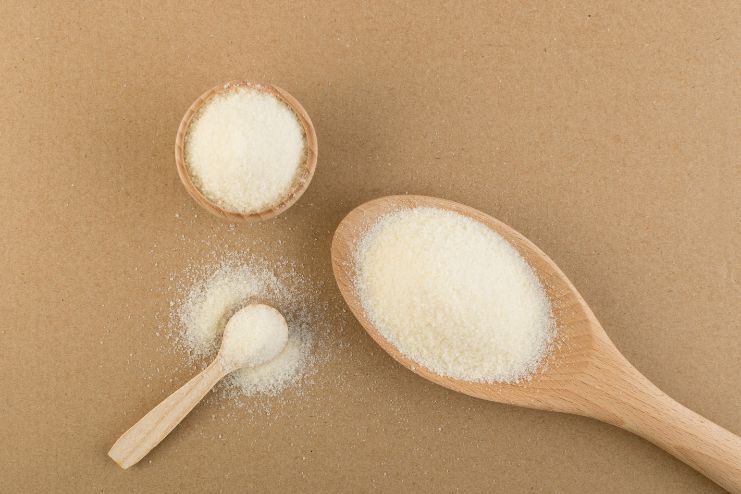
Gelatin is essentially cooked collagen. It’s created by cooking animal bones or connective tissue, such as in traditional bone broth. This breaks down the collagen into a gel-forming state when cooled.
Though they are derived from the same source, their structure is altered during production. Collagen remains in a broken-down, digestible state (peptides), whereas gelatin thickens into a gel upon cooling.
Nutritional Breakdown and Absorption
The major difference between collagen (also referred to as collagen peptides) and gelatin is how your body digests them. Here’s a nutritional breakdown of collagen and gelatin:
Collagen peptides are already fragmented via hydrolysis into smaller chains of amino acids, so they’re easily absorbed and digested. They’re essentially tasteless and dissolve in both hot and cold liquids instantly—ideal for adding to your morning coffee, smoothie, or even a glass of water.
Gelatin, in contrast, needs heat to dissolve and solidifies into a gel upon cooling. It’s easy to use in cooking—like in gummies, broths, or soups—but not great if you need something quick and portable.
All in all,
- Collagen peptides win if you need convenience and versatility.
- Gelatin is best if you like to cook and prefer something more soothing for the stomach.
Health Benefits of Collagen

1. Firms and Hydrates Skin:
Collagen helps maintain skin elasticity, hydration, and structure. Research indicates that regular collagen supplementation can decrease wrinkles, promote moisture retention, and improve the quality of skin texture, particularly among aging adults. It’s a favorite among individuals who want smoother, fuller skin without surgery.
2. Eases Joint Pain and Supports Mobility:
Collagen provides the raw materials your body needs to rebuild cartilage and maintain strong joints. Clinical trials suggest that hydrolyzed collagen may reduce joint discomfort, particularly in those with osteoarthritis or age-related stiffness.
3. Strengthens Hair and Nails:
Broken nails all the time? Thinning, brittle hair? Collagen supplies critical amino acids such as proline and glycine, which assist in strengthening keratin structures, resulting in stronger, faster-growing hair and nails.
4. Protects the Gut Lining:
Although less rich in glycine than gelatin, collagen still maintains the intestinal barrier. This makes it a suitable choice for individuals with leaky gut, food sensitivities, or inflammation-based GI problems.
Read More: Building Blocks of Health: Top 10 Amino Acid Supplements for Optimal Wellness
Health Benefits of Gelatin
1. Heals and Seals the Gut:
Gelatin is high in glycine and glutamic acid, which nourish the repair of the gut lining and minimize inflammation. It’s particularly beneficial for individuals suffering from IBS, bloating, or food intolerance, and creates a protective gel that calms the digestive system.
2. Supports Joints and Connective Tissue:
Similar to collagen, gelatin has the components needed for joint cartilage, ligaments, and tendons. Regular use can enhance flexibility and alleviate pain, particularly when combined with movement or strength training.
3. Keeps You Full Longer:
Due to its dense, protein-based composition, gelatin controls hunger hormones and leaves you feeling full longer. It’s frequently utilized in natural weight control methods or fasting assistance.

4. Improves Sleep Quality:
Due to its glycine content, gelatin can soothe the nervous system and induce sleep. Various studies suggest that taking glycine before bedtime can induce deeper sleep and reduce fatigue during the day, without the drowsiness caused by sleeping aids.
Read More: The Best Supplements to Take While Fasting (And What to Avoid)
How to Add Collagen and Gelatin to Your Diet
Here are a few ways to add collagen and gelatin to your diet:
Collagen Peptides:
- Add to coffee, tea, smoothies, or soup
- Stir into oatmeal, yogurt, or baked goods
- Use after a workout for joint and muscle benefits
Gelatin:
- Create gut-healthy gummies or protein-packed puddings
- Add to soups, sauces, or stews for added thickness
- Use in sleep-promoting beverages in the evening (experiment with blending with warm almond milk and honey)
Natural foods rich in both are:
- Bone broth
- Skin-on meats (chicken thighs, fish with skin)
- Slow-cooked cuts such as short ribs or oxtail
- Organ meats (liver, heart)
These whole-food sources can boost your intake and complement supplements for deeper nourishment.
Are There Any Side Effects?
Both gelatin and collagen are normally harmless to most individuals. However:
- You might notice slight gas or bloating when you first begin, particularly with gelatin. Start slowly and gradually increase.
- Opt for grass-fed, pasture-raised, or wild-caught options to minimize exposure to toxins and improve quality.
- If you’re pregnant, breastfeeding, or taking medication, consult with your physician before supplementing, particularly if you have beef, pork, or fish allergies.
Conclusion: Collagen vs. Gelatin—Which One Is Best for You?

Ultimately, collagen and gelatin each offer different health benefits backed by evidence. Collagen peptides are ideal for individuals who desire a convenient, everyday supplement that promotes skin, joint, and overall health. Gelatin is better for individuals interested in more extensive gut repair but are willing to incorporate it through warm, home-cooked foods.
The silver lining? You don’t have to pick one or the other. By adding both to your regimen—gelatin for gut and joint health, collagen for beauty and convenience—you can work from the inside out to support your body.
The key is consistency, quality, and selecting what’s best suits your lifestyle.
In this Article