











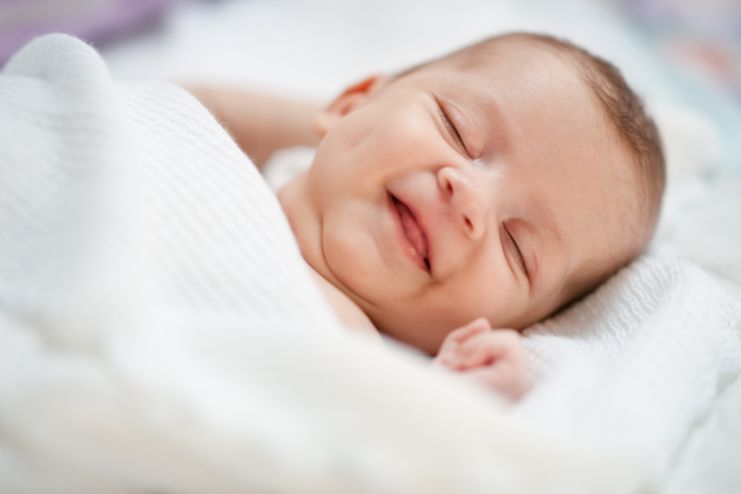
Did someone ever say that you laughed while you slept? It may be a funny thing or perhaps even a little eerie, but it is something that happens with individuals. The midnight chuckling that is experienced is commonly called hypnogely and is most often benign, as well as most often caused by dreams in the REM phase of sleep.
Occasionally, your brain runs through a dream so real or humorous that your body reacts with a laugh or even outright guffaws. While it’s usually nothing to fret about, sleeping laughter can at times be associated with sleep disorders or neurological disease, particularly if it’s occurring frequently or vigorously.
Here, in this article, we’ll discuss from a scientific angle why it occurs, dissect the most common reasons behind it, and point out when you should worry. Whether it’s a strange sleep quirk or something that has to be addressed, you’ll get all your answers here.
Read More: 7 Best Sleep Masks for a Restful Nights
What Is Sleep Laughing (Hypnogely)?

Why do you laugh in your sleep, and what does it actually mean? Sleep laughing, or hypnogely, is an interesting and sometimes mystifying phenomenon that occurs during sleep.
Let’s break down what it means to laugh in your sleep, how it occurs, and when it might indicate something more serious.
What Is Hypnogely?
Sleep laughing, or hypnogely, is laughing while asleep, often without remembering it afterward. It often occurs during the REM (Rapid Eye Movement) sleep phase, when dreams are most vivid.
The brain is very active at this time, and occasionally this can bring about emotional reactions such as laughter. Although it sounds unusual, it’s typically a normal component of sleep in many individuals.
How It Differs from Sleep Talking or Sleepwalking
Unlike sleep talking or sleepwalking, which entail either vocalization or bodily movement, hypnogely (sleep laughing) entails only laughter without complete awareness or control.
Sleep talking can consist of talking or mumbling, and sleepwalking comprises intricate movements. Sleep laughing, by contrast, is brief and in connection with dream content and more of an emotional or neurological response rather than a bodily behavior.
Emotional Release or Neurological Response?
The reason for sleep laughing is different. For most, it’s an emotional release due to funny or happy dreams, such as laughing at a joke in your dream. It’s not harmful and typically doesn’t require medical care.
Still, if laughter in sleep is occurring often, it could indicate a problem with REM sleep behavior or even some neurological disorders such as epilepsy or gelastic seizures.
Such conditions tend to be followed by other indications, such as jerky movement or odd sounds. In brief, sporadic sleep laughter is generally not a problem. But if you or someone you know laughs a lot in their sleep, it’s worth investigating further with a doctor.
Read More: A Sleep Habit that Could be Sabotaging Your Weight Loss Goals
The Sleep Cycle and When Laughter Occurs
Have you ever caught someone sleep-talking and laughing? These enigmatic sleep-related behaviors usually occur during certain sleep stages. Let’s see how the brain’s activity within the REM stage of dreams induces laughter during the night.
Understanding the Sleep Stages
Sleep isn’t all rest—your brain cycles through various stages at night. There is light sleep, deep sleep, and REM (Rapid Eye Movement) sleep. Each one has a different function in assisting your body and mind to recover.
REM sleep is particularly crucial since that is when dreams occur. Your brain gets more active, although your body remains motionless, sort of like seeing a movie while being paralyzed.
REM Sleep and Brain Activity
REM sleep is where the magic of dreaming occurs. During this stage, the brain shows patterns of activity similar to when you’re awake. That’s why dreams can feel so real. It’s also the phase where emotional parts of the brain, like the amygdala, become more active.
This can trigger emotional reactions, including smiling, crying, or laughing. Most laughing while sleeping occurs at this stage, and it is normally associated with something humorous or pleasant occurring in the dream.
Dreams and Emotional Expressions Like Laughter
The relationship between dreams and laughter is very strong. Just as we laugh at a humorous scene in a film, we may laugh at something funny occurring in a dream. In children and adults alike, hypnogely, or laughter while sleeping, is usually an emotional reaction to a vivid or pleasant dream.
Babies, for instance, will laugh in their sleep as the brain matures and reacts to internal stimulation, even if they do not consciously know humor yet. In adults, when the brain interprets a light or humorous memory during REM sleep, it can result in a sudden involuntary fit of laughter.
So, why do you laugh in your sleep? Usually, it’s just a harmless side effect of active dreams and brain emotional activity when you’re asleep in REM mode. But if it occurs more than once, or if it’s very powerful, it might indicate a condition such as REM sleep behavior disorder (RBD).
Read More: Rewire Your Sleep Schedule in Just One Weekend
Common Causes of Laughing in Sleep

Ever been curious about what causes someone to burst into laughter while asleep? Here are the most common causes of laughing during sleep and what they could mean for your health and well-being.
Why Do You Laugh in Your Sleep?
- Dream-related emotions: Laughing often occurs during REM sleep when dreams are most vivid. A funny or joyful dream can trigger an automatic laughter response.
- Brain development in children: Babies and toddlers may laugh due to neurological development, even without any actual dream content.
- Stress release: Sleep can act as a reset for emotions, and laughter may simply be the brain’s way of processing feelings in a lighthearted way.
- Parasomnia: Conditions like parasomnia symptoms, including REM Sleep Behavior Disorder (RBD), may lead to vocal outbursts or physical actions during dreams, including laughter.
- Neurological causes: Rarely, disorders like gelastic seizures—linked to abnormal electrical activity in the brain—can cause sudden bursts of laughter, even during sleep.
What Experts Say
“Babies under 6 months likely don’t dream, so their sleepy smiles and giggles are probably more of a reflex than anything else,” says Amber LoRe, Director of Pediatric Expertise at Huckleberry. This suggests early sleep laughter isn’t emotionally driven.
Dr. Tharanath S. explains that laughter during sleep often stems from vivid, joyful dreams. “The dream stage is associated with heightened brain activity, which is accompanied by emotional responses, so laughter can be manifested physically.” This means the brain’s emotional processing during dreams can trigger involuntary laughter as a physical reaction.
While most nighttime chuckles are harmless, understanding the laughter during sleep can help you differentiate between a quirky dream and one where medical attention is needed.
Read More: Best Weighted Eye Masks to Improve Deep Sleep
Laughing in Sleep: Children vs Adults
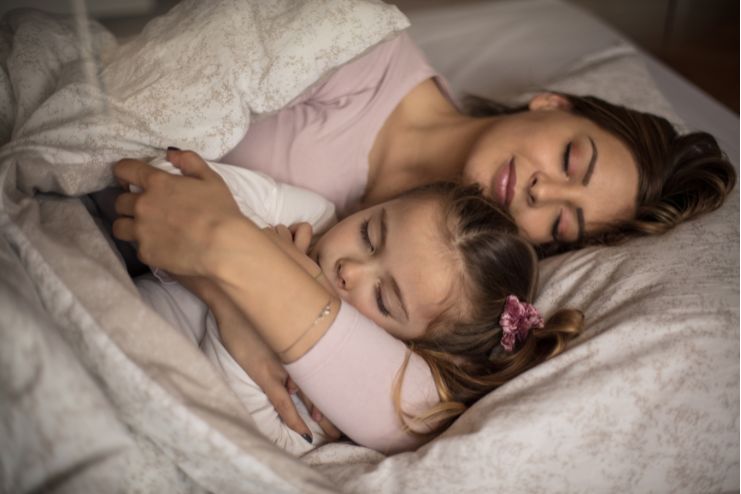
Sleep laughter is adorable in children and perplexing in adults. Knowing how laughing in sleep, adults vs children, clears up when it’s normal and when it could mean something more.
Why It’s Common in Babies and Toddlers
Sleep laughter is particularly prevalent in babies and little children and is generally normal. In the early stages of life, infants experience a stage of sleep known as active sleep, equivalent to REM sleep in adults. This is a critical phase for brain development and emotional maturity.
According to Omega Pediatrics experts, this brain activity might lead to facial expressions such as smiling and even laughter, usually as a reflex and not a response to dreams, because very young infants have not yet started dreaming.
Their brains are yet to figure out how to react to emotional signals, so sleep giggles in such cases are merely part of healthy development.
When It Might Mean Something More in Adults
In adults, occasional sleep laughter related to dreams is most often harmless. Nevertheless, recurring or extreme bouts might indicate something more, particularly if not brought about by dreams.
A study in Sleep Medicine points out that occasional laughing during adult sleep is normal, but frequent or loud laughter may be associated with neurological disorders. For instance, gelastic seizures—a type of epilepsy—result in sudden, involuntary laughter, at times during sleep, and can occur without emotional stimuli.
These are usually associated with abnormalities in a region of the brain known as the hypothalamus.
Behavioral vs Neurological Origins
In children, sleep laughter is most often caused by behavioral and developmental factors. It’s associated with reflexes, active brain development, and early emotional reactions.
But in adults, it can be either behavioral (as in dreaming) or neurological (such as REM behavior disorder or seizures). And if the laughter is accompanied by other abnormal sleeping behaviors—such as movements, shouting, or confusion—you should consult a doctor.
In short, sleep laughter is generally harmless in children, but in adults, it may need close examination, particularly if it is recurrent or disturbing.
Read More: 5 Habits for a Restful Night’s Sleep
When Is It a Cause for Concern?
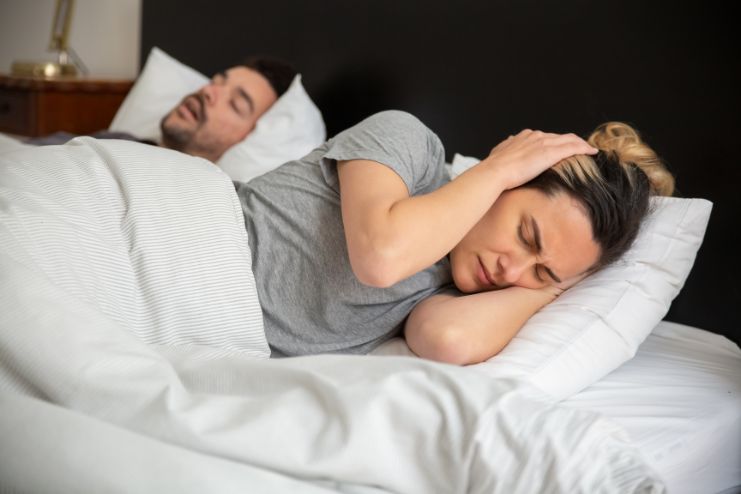
While infrequent sleep laughter is normally fine, there are some symptoms that may represent an underlying cause. Paying attention to how often sleep issues occur and what other behaviors accompany them can help you recognize when it’s time to be concerned, and when to consult a physician.
Increasing Frequency or Intensity
If sleep laughter begins to occur more often or grows louder and more intense with time, it could be an indication of a sleep disorder like nocturnal laughing disorder.
Frequent episodes, especially those that disturb the sleeper or others, may suggest disruptions in the REM cycle or potential issues within the brain’s emotional processing centers.
Unusual Sleep Behaviors
Sleep laughter is more problematic when accompanied by behaviors such as flailing limbs, aggression, or screaming. These symptoms can be indicative of sleep disorders in REM, especially REM sleep behavior disorder (RBD).
Here, the brain is unable to completely relax the muscles during sleep in the REM stage, resulting in the individual acting out dreams physically. Sleep Medicine research suggests RBD is also an early indicator of neurological sleep disorders like Parkinson’s disease or dementia.
Daytime Red Flags
If the individual who is sleep laughing also presents with daytime fatigue, anxiety, memory loss, or difficulty concentrating, it may indicate that their sleep is being disrupted or that an underlying neurological sleep disorder is occurring.
In some instances, this may be related to gelastic seizures—a rare type of epilepsy that results in uncontrollable laughter, frequently without an emotional stimulus.
Family History of Neurological Conditions
A history of epilepsy, Parkinson’s, or other neurological sleep disorders in the family raises the likelihood that heavy sleep laughter could be one symptom of an underlying problem. Any family history of parasomnia symptoms or associated conditions should be brought up with a doctor, say neurologists on iCliniq.
Although the majority of night giggles are benign, knowing when to be concerned about sleep behavior assists in guaranteeing early identification of potential nocturnal laughing disorders or other underlying health conditions.
Read More: 8 Sleep hacks for Better Sleep
How to Manage and Reduce Sleep Laughing
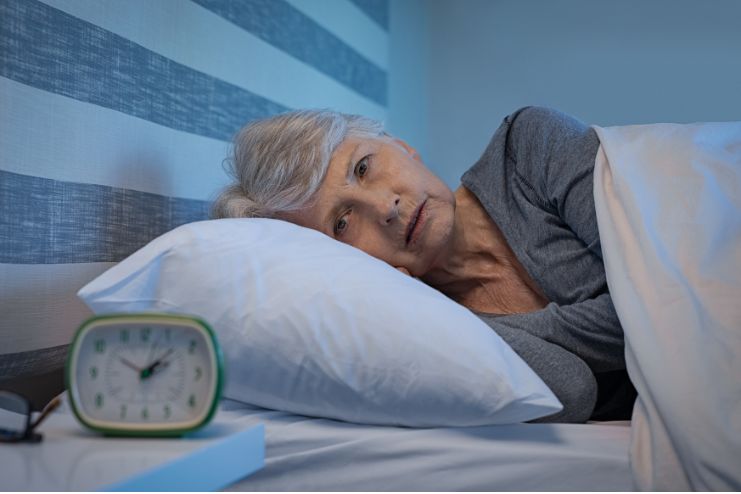
Laughing in sleep can become problematic if it’s persistent or severe. Fortunately, several changes to lifestyle and medical treatments are available to control the behavior and enhance the quality of sleep.
Maintain a Healthy Sleep Schedule
Sleeping and waking up at the same time each day, even on weekends, keeps your body’s internal clock consistent. The Cleveland Clinic and Jupiter Family Practice say that your brain works best when it knows what to anticipate.
A routine can minimize evening disturbances such as sleep talking or laughing, since your body is more in sync with natural sleep patterns.
Reduce Evening Stress and Screen Time
Stress and overstimulation at bedtime can cause vivid dreams or emotional releases during sleep. To calm the brain, relaxing exercises like light reading, writing in a journal, or meditation are suggested by the Sleep Foundation.
Screen time at least one hour before bedtime is best avoided, as the blue light from phones and TVs can disrupt the production of melatonin, making it more difficult to enter deep sleep.
Sleep Environment: Cool, Dark, Quiet
Your bedroom must be a restful room. Specialists advise making the room dark, quiet, and somewhat cool to ensure deep sleep. Blackout drapes, white noise machines, and shutting down electronics can do wonders.
A peaceful sleeping environment minimizes disturbances that may lead to sleep disorders in REM, where laughter or physical movement is experienced during sleep.
When Medications or Therapy May Be Needed
If sleep laughter persists or is accompanied by symptoms like shouting, sudden movements, or emotional distress, it’s time to seek medical attention. In some cases, therapy or medication may be recommended.
Disorders such as pseudobulbar affect (PBA) or REM sleep behavior disorder might need special treatment to address neurological reactions. Cognitive-behavioral therapy (CBT) can also assist in dealing with anxiety- or trauma-induced sleep disorders.
The control of sleep laughter begins with good sleep hygiene and consciousness. If these measures fail, the assistance of a professional may be required to find underlying causes and treatments.
Read More: The Sleep Myth That’s Ruining Your Rest
Final Thoughts
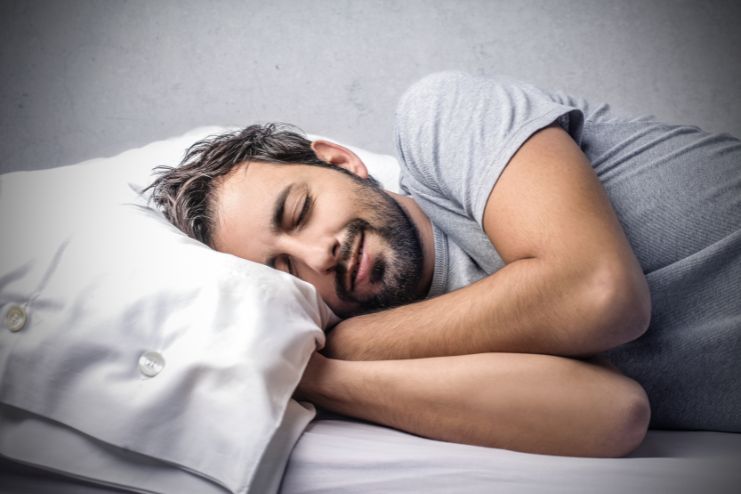
Sleep laughing may look strange, but most of the time it’s perfectly normal, and sometimes even amusing. Whether a baby smiles during active sleep or an adult snickers at a vivid dream, in most instances, they are just a natural function of the brain’s emotional processing.
But it is critical to recognize when sleep laughter is not just a strange anomaly. The occasional chuckles are nothing to be concerned about, but regular interruptions should not be dismissed. Understanding the difference between benign and alarming symptoms is the key to improved sleep and overall health.
If sleep laughter is impacting your health or rest quality, don’t wait to discuss it with a healthcare professional or sleep expert. Your sleep should make you refreshed, not confused or worried.
References
- https://www.healthshots.com/preventive-care/self-care/causes-of-people-laughing-in-sleep
- https://www.icliniq.com/articles/neurological-health/hypnogely
- https://pubmed.ncbi.nlm.nih.gov/23786736
- https://www.sciencedirect.com/science/article/abs/pii/S1389945723003088
- https://www.healthshots.com/preventive-care/self-care/causes-of-people-laughing-in-sleep
- https://www.sciencedirect.com/science/article/abs/pii/S1389945723003088
- https://huckleberrycare.com/blog/why-does-your-baby-laugh-and-smile-in-sleep
- https://www.sciencedirect.com/science/article/abs/pii/S1389945723003088
- https://www.omegapediatrics.com/why-newborn-baby-smile-while-sleeping
- https://pubmed.ncbi.nlm.nih.gov/30614101
- https://www.hopeforhh.org/what-is-hh/what-is-a-gelastic-seizure
- https://my.clevelandclinic.org/health/diseases/17928-pseudobulbar-affect-pba
- https://www.jupiterfamilypractice.com/sleep-hygiene
- https://www.sleepfoundation.org/sleep-hygiene/how-to-determine-poor-quality-sleep
- https://www.numan.com/sleep/insomnia/combat-insomnia-clean-up-your-sleep-hygiene
In this Article