













How you break your fast plays a significant role in how your body feels afterward. This applies whether you’re doing intermittent fasting, religious fasting, or following a detox plan. The first foods you eat set the tone for your energy, digestion, and overall well-being.
After hours without food, your digestive system becomes more sensitive. Eating heavy, sugary, or processed meals right away can lead to bloating, blood sugar spikes, or energy crashes. Choosing the right foods can help you avoid those issues.
The ideal post-fast foods should be easy to digest, rich in nutrients, and gentle on your system. They help wake up your digestion, balance blood sugar levels, and replenish your energy naturally. Many of these foods also support gut health, which keeps you feeling good throughout the day.
In this article, we’ll cover the best foods to break a fast. You’ll learn their benefits and how to build a smart, gut-friendly post-fast meal that supports your energy and digestion.
Let’s get into it and break your fast the right way.
Read More: The Benefits of Eating Fermented Rice (A Forgotten Superfood)
Why It Matters: The Science Behind Breaking a Fast Properly
Does it matter when you break your fast? It might.
Eating earlier in the day — ideally in the morning or early afternoon — aligns your meals with your body’s natural circadian rhythm, which helps regulate metabolism, digestion, and energy levels. Breaking your fast during daylight hours supports better digestive function and reduces the risk of long-term health issues.
In contrast, eating late at night — when your body is winding down — can increase the likelihood of developing chronic conditions such as obesity, diabetes, and heart disease.
In fact, research suggests that consuming all your meals within a 10-hour time-restricted window can significantly improve cardiometabolic health, particularly in individuals with metabolic syndrome.
If you’re a woman, there’s an added layer to consider. Prolonged fasting may affect thyroid function, especially for those taking medications like levothyroxine. That’s why it’s crucial to break your fast with nutrient-rich foods that support thyroid health.
Focus on foods high in zinc, iodine, and selenium, such as:
- Brazil nuts
- Iodized salt
- Seafood
- Seaweed
- Walnuts
- Almonds
These nutrients play a key role in maintaining hormone balance and supporting overall endocrine function.
And finally, always consult a healthcare provider before starting or adjusting a fasting regimen — especially women, who may respond differently to fasting than men. A professional can guide you on how to fast safely and choose the right foods to break your fast in a way that supports your long-term health.
Best Food Categories to Break a Fast
After your fast ends, it might feel tempting to go all-in at the buffet bar.
But hold on—slamming your system with a flood of sugar, fats, and heavy carbs right away can undo many of the benefits you’ve gained from fasting.
Your digestive system has been resting, and it needs a gentle reintroduction to food. Instead of diving straight into solids, start with liquids. This gives your gut a chance to wake up slowly without becoming overwhelmed.
So, take a deep breath… and start with a small, mindful sip:
1. Green tea

Green tea is well-known for its health benefits, thanks to its rich content of EGCG (epigallocatechin-3-gallate), a powerful polyphenol with antioxidant and anti-inflammatory properties. It also contains a small amount of caffeine, making it a gentle and energizing choice to ease into eating again.
The best part? Green tea is calorie-free, so you can enjoy it throughout your fast too—just be sure to skip the milk, sugar, or honey. If you’re transitioning out of your fast, you can gradually begin to add small amounts of these extras as you ease back into solid foods.
Green tea is also a great option if you’re following a “dirty” fast, where minimal calories or additives are allowed. It soothes the digestive system and supports hydration, making it an ideal first step when breaking your fast.
2. Watermelon Juice

Watermelon is an excellent fruit to break a fast with. It’s packed with water, which helps rehydrate your body after going without food and fluids. The high water content also makes it easy to digest—perfect for a digestive system that’s just waking up.
This refreshing fruit is rich in lycopene, a powerful antioxidant known for supporting skin health and protecting your cells from damage. Watermelon also provides important nutrients like vitamin A and vitamin B6, which support immune function and energy metabolism.
Another bonus? Watermelon contains less sugar than many citrus fruits, so it offers a lighter way to ease into eating without overwhelming your system or spiking your blood sugar.
Read More: Purple Vegetables – Are They the Ultimate Anti-Aging Superfoods?
3. Coconut Water
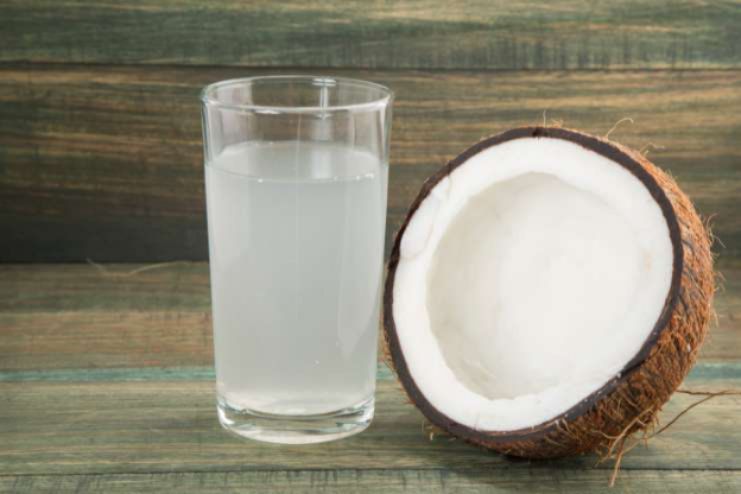
Coconut water is a fantastic way to break your fast, especially if hydration is your top priority. It’s low in calories, fat-free, and contains no cholesterol, making it a light yet nourishing option. It also delivers a healthy dose of potassium, an essential electrolyte that supports muscle and nerve function.
Thanks to its natural sugars, coconut water gives your body a gentle energy boost—perfect for helping you transition out of a fast without overwhelming your system. It’s also rich in electrolytes, which are key to rebalancing fluids and supporting overall recovery after fasting.
Transitioning to Solid Foods
Now for the part you’ve been waiting for—real food!
Once you’ve eased in with hydrating liquids, it’s time to reintroduce macronutrients like healthy fats, proteins, and complex carbs. Your body has been in conservation mode, and now it needs fuel to rebuild, energize, and support everything from metabolism to muscle repair.
Let’s take a look at the best whole foods to start with.
4. Soup

When breaking a fast, skip the heavy, creamy soups. Instead, go for light, broth-based soups that are easy on the stomach and full of nutrients.
Soups made with lentils are an excellent choice—they’re easy to digest and packed with plant-based protein and fiber. If you’re looking for a cleaner protein option, tofu works well in soup and is gentle on the digestive system.
Vegetable or chicken noodle soups are also solid go-to’s. The broth helps with rehydration, and the noodles are typically easy to digest. Just keep an eye on sodium levels, especially with canned soups, which can be surprisingly high in salt. After fasting, your body needs to replenish fluids, not lose more due to excess sodium.
5. Eggs
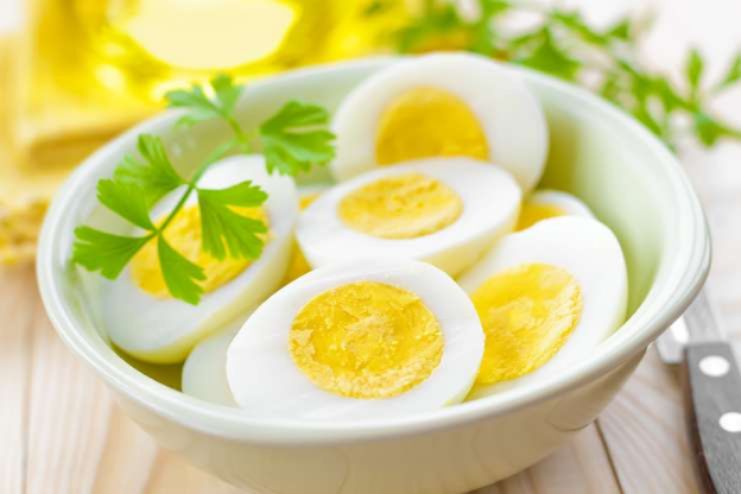
Eggs are a fantastic post-fast food. They’re rich in high-quality protein and loaded with essential nutrients like vitamin B12, choline, and selenium—all of which support energy production and cell function.
Best of all, they’re easy to digest, making them gentle on a just-waking-up digestive system.
The key after fasting is not to overwhelm your gut. Starting with something like eggs can provide solid nourishment without causing discomfort. Going too heavy too soon can lead to gas, bloating, or stomach upset—and may even undo some of the benefits of your fast.
Be sure to use organic eggs if possible.
6. Nuts
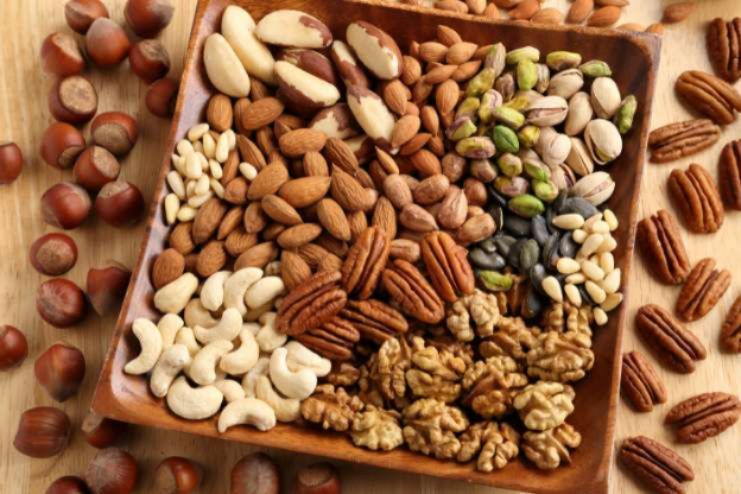
Nuts are a smart, nutrient-dense option for breaking your fast. They’re rich in protein, packed with healthy fats, and offer a concentrated source of energy—perfect if you want to eat something light but satisfying.
A small handful goes a long way. Almonds, walnuts, and cashews are excellent choices. They help keep blood sugar levels stable, especially compared to high-glycemic carbs like white bread, potatoes, or rice. This makes them ideal for easing back into eating without triggering a sugar crash or energy slump.
Just a quick reminder—yes, it’s a bit of a cliché, but it matters: watch the sodium in prepackaged or roasted nuts. Too much salt can interfere with hydration, which is especially important after fasting.
Go with unsalted, raw nuts, and make sure you chew them well.
7. Whole Fruits and Avocados
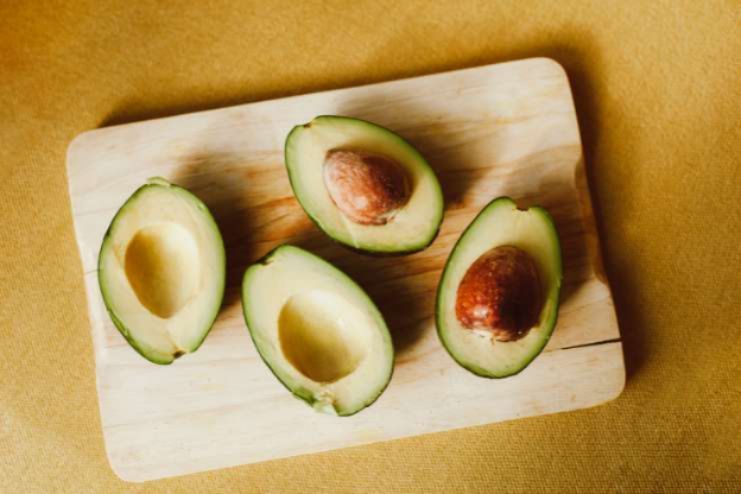
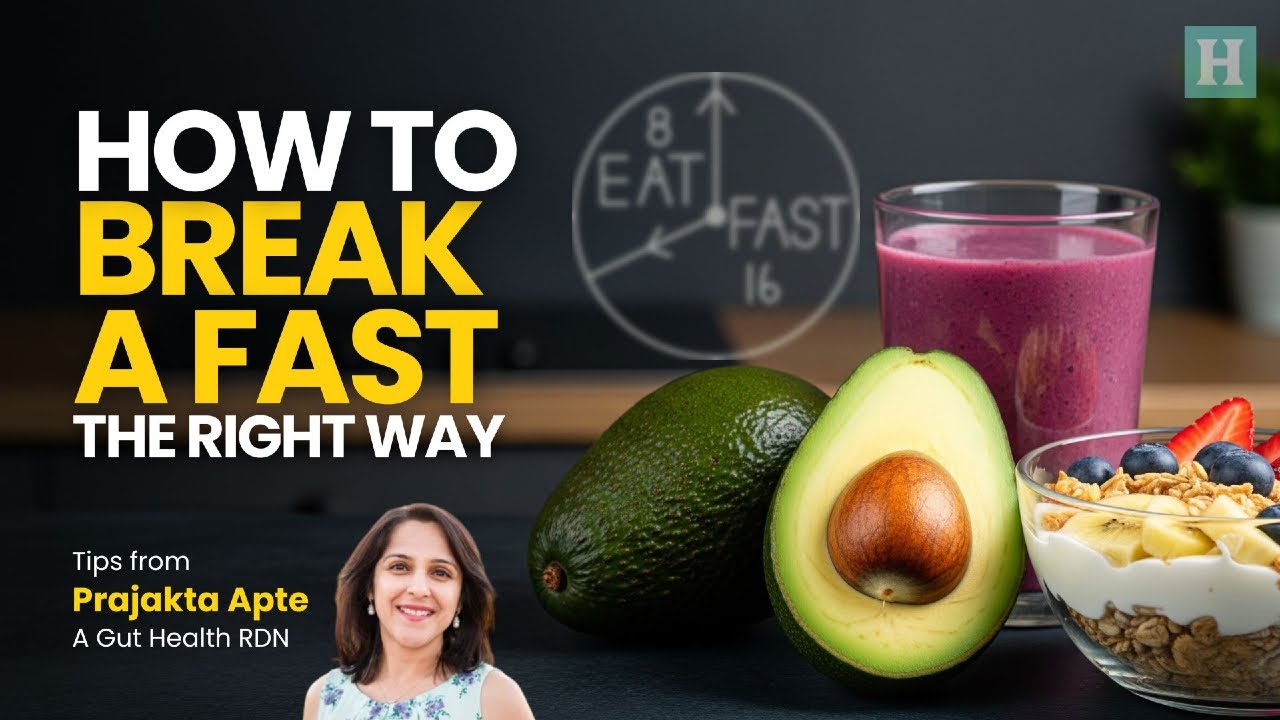
No list of foods to break a fast would be complete without the avocado, often hailed as the world’s ultimate superfruit. Packed with healthy fats, minerals, and fiber, it’s exactly what your body craves after an extended fast. The healthy fats in avocado help replenish energy levels, while its fiber supports digestion and keeps you feeling satisfied.
Just keep in mind that a little goes a long way—since avocados are fiber-rich, they can be quite filling. If you’re incorporating guacamole or adding slices to your meal, start small to avoid overwhelming your system.
Read More: 6 Healthy Avocado Recipes
8. Fish
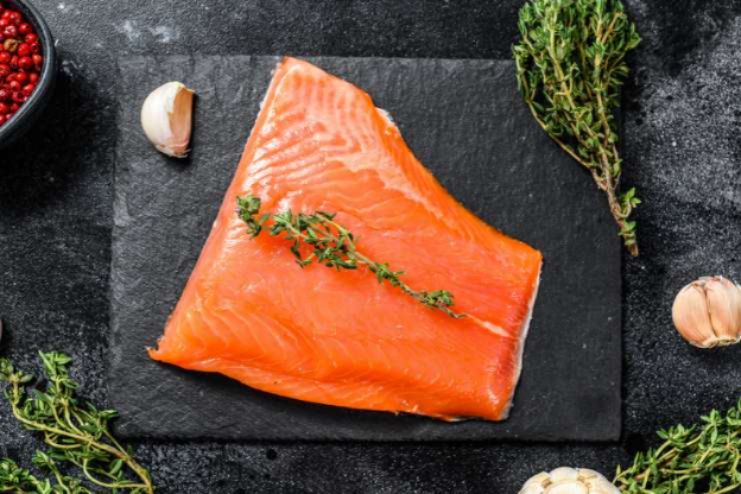
Fish is a nutrient powerhouse, making it an excellent option to break your fast.
High in protein, it provides the building blocks your body needs to repair and rebuild muscle after hours of fasting. The healthy fats, particularly omega-3 fatty acids found in fatty fish like salmon, mackerel, and sardines, support brain function, reduce inflammation, and promote heart health.
Additionally, fish is an abundant source of vitamin D, which plays a crucial role in immune function, bone health, and the absorption of calcium.
After a full day without eating, fish is a light, easily digestible protein that doesn’t overwhelm your digestive system, making it an ideal choice for easing your body back into eating. Unlike heavier meats, fish is gentle on the stomach, helping to prevent discomfort such as bloating or indigestion.
Incorporating fish into your post-fast meal not only replenishes lost nutrients but also gives your body a significant energy boost, promoting long-lasting fullness and vitality throughout the day.
9. Probiotics
When you’re hungry, your stomach might become unsettled, especially after a fasting period, as it thrives on consistency.
To support digestive health and restore balance, incorporating probiotic-rich foods like yogurt, kombucha, or sauerkraut into your post-fast meals can be incredibly beneficial. These foods contain beneficial bacteria that help promote a healthy gut flora, improving digestion and supporting your immune system.
Probiotics help regulate bowel movements and prevent common digestive issues such as bloating, gas, or constipation that can arise after a period of fasting. They also aid in the breakdown and absorption of nutrients, ensuring that your body can efficiently process the foods you’re eating after a fast.
Adding these foods to your diet can help your digestive system function smoothly and restore a sense of balance and comfort, allowing you to feel more energized and less bloated.
What to Avoid When Breaking a Fast
Learning how to break a fast properly is just as important as the fast itself. A poor choice of food can undo the benefits of fasting, cause digestive discomfort, and even lead to stomach issues. Below are some foods and drinks that should be avoided when you break your fast, especially after hours of not eating, as they can be hard on your digestive system.
1. Processed Foods
Processed foods are often loaded with unhealthy fats, refined sugars, and additives. These foods have undergone heavy refinement, stripping them of much of their nutritional value while leaving them high in empty calories.
Chips, frozen meals, like lasagna or pizza, are examples of processed foods that can be hard for your stomach to handle after fasting. They may cause bloating or discomfort and interfere with your digestion.
2. Sugar-Filled Foods
While sweet treats might seem like a quick energy boost, sugar-rich foods can actually be very challenging for your digestive system to process after a fast. Items like sugary cereals, pastries, cookies, and cakes are best avoided.
They can lead to rapid spikes and crashes in blood sugar, leaving you feeling sluggish or irritable. Additionally, they can negatively affect your gut health, especially after a period of fasting when your digestive system is more sensitive.
3. Foods High in Bad Fat
Eating foods that are high in fat immediately after fasting can put extra strain on your digestive system. High-fat meals, such as deep-fried foods, cheesy pasta, or creamy desserts, are difficult for your body to process, especially when your stomach is empty.
These foods are slow to digest, which can cause discomfort, bloating, and possibly even nausea. Choose healthy fats from avocado or nuts instead.
4. Caffeinated Beverages and Coffee
While many people turn to coffee for a pick-me-up, drinking it on an empty stomach can cause irritation and trigger acid reflux. Coffee, especially when combined with milk, cream, or sugar, can disrupt your stomach lining and create discomfort.
Additionally, caffeinated beverages like sodas or energy drinks are best avoided, as they can further aggravate your digestive system and dehydrate your body. It’s better to opt for gentle, hydrating liquids like water, herbal teas, or coconut water when breaking your fast.
5. Meat
Meat, especially red meat, can be hard to digest after fasting, particularly for those who haven’t eaten for several hours. Red meat is dense and takes longer to break down in the stomach, which can be difficult when your digestive system is already sensitive.
Additionally, processed meats like sausages, bacon, or fatty cuts of pork and beef should be avoided, as they contain high levels of fats and additives, which can further upset your stomach after fasting.
6. Spicy Foods
Spicy foods, particularly those containing capsaicin (found in chili peppers), can irritate the stomach lining after fasting. When there is no food in your stomach to buffer the effects of capsaicin, it can cause discomfort, acid reflux, or even nausea.
Fasting can also make you more sensitive to spicy foods, so it’s best to avoid them when breaking your fast, especially if you’re aiming for a smooth, comfortable digestive experience.
Read More: Sirtfoods: Can These Special Foods Turn on Your “Youth Genes”?
Sample Gentle Fast-Breaking Meal Ideas

The objective of breaking a fast is to provide your body with nourishment without overtaxing your digestive system. To help you gradually resume eating, here are four low-calorie, high-nutrient meal options offering the ideal fiber, healthy fats, and protein ratio.
Option 1: Avocado + Scrambled Eggs + Bone Broth
This cozy, toasty combination has avocado for heart-healthy fats and fiber, soft scrambled eggs for easily digested protein, and collagen-rich bone broth to strengthen the stomach lining. It’s easy, calming, and satisfying.
Option 2: Greek yogurt, berries, and chia seeds with overnight oats
This chilled, creamy choice provides antioxidants from berries, omega-3s from chia seeds, complex carbohydrates from oats, and a significant amount of protein and probiotics from Greek yogurt. It is a powerful, gut-friendly food that keeps you satisfied.
Option 3: Ruby Red Smoothie
This vibrant red smoothie is a colorful, nutrient-dense beverage that contains goji berries. For more than 6,000 years, Chinese medicine has valued goji berries for their ability to strengthen the immune system and support the brain.
To create it, blend one tablespoon of goji berries, one cup of plain nonfat yogurt, one teaspoon of honey, ¼ cup cooked, chopped red beets, ½ cup strawberries or blueberries, and ½ cup frozen cherries until smooth. This antioxidant-rich smoothie promotes longevity, vitality, and heart health in one tasty, ruby-red glass.
Read More: Best At-Home Food Sensitivity Test Kits to Identify Hidden Intolerances
Conclusion
Breaking your fast the right way is just as important as the fast itself. While fasting can offer many health benefits—such as improved metabolism, better digestion, and potential weight loss—what you eat once the fast ends can either enhance or undermine those results.
Start slow. Choose easy-to-digest foods, chew thoroughly, and give your body time to readjust to eating. Begin with hydrating, nutrient-rich options, then gradually add in fiber, protein, and healthy fats to help stabilize energy and support gut health.
Experts agree: if you’re fasting, it’s essential to understand which foods best support your body during refeeding. Steer clear of processed, sugary, and high-fat meals immediately after a fast. Instead, opt for whole, gut-friendly foods that aid digestion and promote long-term metabolic health.
By breaking your fast mindfully, you’re not just ending a period without food—you’re setting the tone for how your body will use and benefit from what comes next. Prioritize nourishment, balance, and quality, and your body will thank you.

References
- https://www.sciencedirect.com/science/article/pii/S1550413119306114
- https://www.medicalnewstoday.com/articles/what-breaks-a-fast
- https://www.verywellhealth.com/what-breaks-a-fast-8647983
- https://www.lifeextension.com/wellness/aging/best-foods-to-break-a-fast-properly
- https://www.fairprice.com.sg/tips/fun-facts/5-best-foods-to-break-your-fast/
- https://betterme.world/articles/best-foods-to-break-a-fast/
- https://www.goodrx.com/well-being/diet-nutrition/best-foods-to-eat-after-fasting
- https://welltech.com/content/foods-to-avoid-when-breaking-a-fast/
- https://www.fatsoflife.co.uk/category/recipes/break-a-fast-meals/
- https://jamiegeller.com/recipes/ruby-red-smoothie/
In this Article