












Hypertension, or high blood pressure, is a global health concern that affects millions and significantly increases the risk of heart-related issues. One key factor that often goes unnoticed is the strong link between salt intake and rising blood pressure levels. While it might seem like a minor detail, the amount of salt we consume can play a major role in both the onset and progression of hypertension.
In today’s fast-paced world, where processed and high-sodium foods are everywhere, it becomes even more important to understand how salt impacts our blood pressure. This connection isn’t just surface-level—it involves complex biological mechanisms that directly influence our cardiovascular health. Recognizing this link is essential not only for those already dealing with high blood pressure but also for anyone looking to prevent it.
This discussion opens the door to a deeper exploration of how salt fits into the bigger picture of global health. By paying closer attention to our salt consumption, we take a step toward better managing hypertension and, ultimately, improving overall well-being.
Read More: A Detailed List Of Hypertension Causes
Understanding Salt and Hypertension

Hypertension, commonly known as high blood pressure, has become a widespread health challenge across the globe. It’s more than just a number on a machine—it’s a serious condition that increases the risk of heart disease, stroke, and other complications. When blood pressure remains consistently high, the force exerted on artery walls increases, placing significant stress on the heart and vascular system. That’s why it’s important to understand what triggers and sustains this condition.
The Role of Salt in Blood Pressure Regulation
Salt, or more specifically sodium, plays a vital role in maintaining the body’s fluid balance. But when consumed in excess, it throws this balance off track. Here’s how:
- Increased sodium = increased fluid retention. The body holds on to more water to dilute the sodium in the bloodstream.
- Higher fluid levels = increased blood volume. This puts extra pressure on the heart and blood vessels.
- Over time, this stress can contribute to chronic high blood pressure and raise the risk of cardiovascular events.
In essence, too much salt quietly chips away at your heart health. It’s a small habit with a big impact.
Read More: Stress Hormones and Hypertension: How Stress Affects Blood Pressure and 7 Ways to Lower It
Daily Salt Limits: What’s Safe and What’s Not
Health authorities, including the World Health Organization (WHO), recommend that adults should consume no more than 5 grams of salt per day—roughly one teaspoon. But the reality looks different:
- Processed foods are packed with hidden sodium, making it easy to exceed daily limits without realizing it.
- Global averages often surpass the safe threshold, especially in fast-paced lifestyles that rely heavily on packaged or take-out meals.
It’s not just about numbers, though. Everyone reacts differently to salt:
- Factors like age, genetics, existing health conditions, and lifestyle affect how sensitive someone is to sodium.
- This calls for a personalized approach to managing salt intake rather than a one-size-fits-all rule.
Read More: Best Diets and Foods To Control Hypertension
A Smarter Approach to Heart Health
Understanding the complex connection between salt and hypertension isn’t just useful—it’s necessary. High blood pressure often has no obvious symptoms, but its effects can be life-altering. By learning how salt contributes to the condition, we can make more informed decisions:
- Reduce reliance on high-sodium processed foods and cook more meals at home.
- Pay attention to food labels and choose low-sodium options.
- Create awareness in communities where hypertension is prevalent, with education that respects cultural diets and individual differences.
A tailored, informed strategy for salt consumption can go a long way in reducing the global burden of hypertension and building a healthier future for everyone.
Mechanism of Salt’s Impact on Blood Pressure
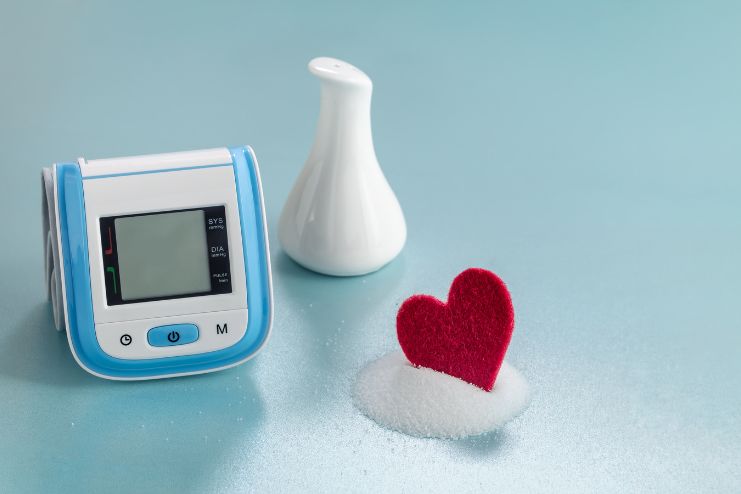
To truly understand how salt impacts blood pressure, it helps to explore the inner workings of the body’s physiology. Sodium, the key component in salt, isn’t just a seasoning—it plays a major role in managing how fluids are balanced throughout our system. When the balance is disrupted due to high sodium intake, it sets off a chain of events that directly influence blood pressure levels.
The Sodium and Fluid Retention Connection
Why does too much salt lead to high blood pressure? It all comes down to how the kidneys respond to excess sodium:
- Kidneys retain water to help dilute the high sodium levels in the bloodstream.
- This increases overall blood volume, which directly leads to elevated blood pressure.
- Higher blood volume exerts more pressure on artery walls, making them narrow and stiff over time.
- This constriction increases resistance, causing the heart to work harder to pump blood throughout the body.
This continuous strain not only elevates blood pressure but can also wear down the cardiovascular system over time.
Not Everyone Reacts the Same: The Role of Salt Sensitivity
Did you know salt doesn’t affect everyone equally? There’s a concept called salt sensitivity—a condition where some individuals experience a greater spike in blood pressure in response to high salt intake. Several factors influence this:
- Genetics: Family history plays a major role in determining how your body handles sodium.
- Age: Older adults tend to be more sensitive to salt.
- Health conditions: People with kidney issues, diabetes, or hypertension are often more affected.
Understanding whether someone is salt-sensitive is important because it points to the need for more personalized dietary guidance. What works for one person might not work for another.
A Chain Reaction with Serious Consequences
Excess salt doesn’t just raise blood pressure—it sets off a whole cascade of effects. The relationship between sodium, water retention, and narrowed arteries isn’t isolated. It triggers a series of stress responses that have broader implications:
- Long-term hypertension damages blood vessels and organs.
- It increases the risk of heart attacks, strokes, and other cardiovascular diseases.
- The body’s natural equilibrium is thrown off, making it harder to maintain stable blood pressure.
This highlights why managing salt intake isn’t just about numbers—it’s about protecting your long-term heart health.
A Smarter Way Forward: Personalized Salt Management
To prevent or manage hypertension effectively, we need to look beyond general advice. It starts with understanding how salt actually affects our bodies and recognizing that each person’s response can vary. Here’s what a more effective approach includes:
- Limiting overall salt intake to reduce blood pressure risks.
- Identifying individuals with salt sensitivity for tailored nutrition plans.
- Focusing on education and awareness to help people make better choices around processed and salty foods.
By combining scientific insight with practical guidance, we can create more targeted interventions and help more people manage their blood pressure successfully.
Read More: 6 Foods to Avoid for Better Hypertension Management
Read More: 6 Stress-Relief Techniques to Help Manage Hypertension
Effects of a High-Salt Diet on Health
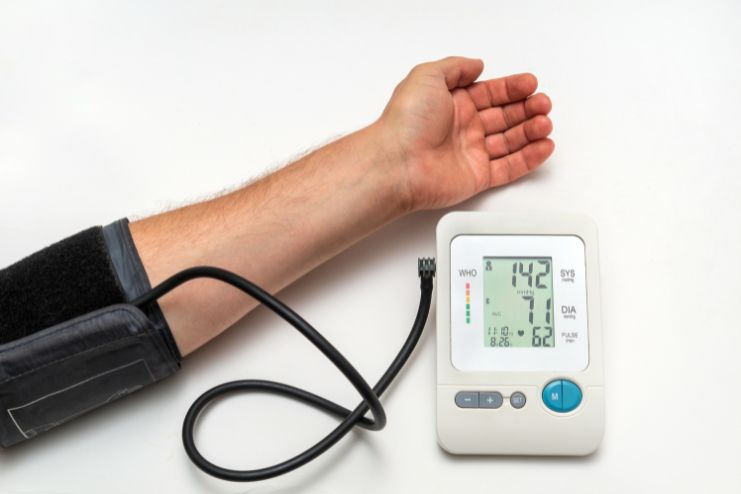
While high blood pressure is often the first concern that comes to mind when we talk about too much salt, the impact of a high-salt diet actually reaches much further. From damaging the kidneys to affecting heart health and even raising the risk of chronic diseases, excessive salt intake can quietly undermine overall well-being. It’s important to explore these broader health implications to truly grasp why reducing salt is essential for long-term health.
The Silent Strain on Kidney Health
Why do the kidneys suffer from too much salt? The kidneys play a major role in keeping your body’s fluid balance in check and regulating blood pressure. But when your diet consistently includes too much sodium, these vital organs are pushed to work overtime.
- Increased blood pressure caused by salt intake directly strains kidney function.
- Over time, this can lead to chronic kidney disease, as the kidneys struggle to maintain balance.
- Excessive salt can reduce kidney filtration efficiency, causing long-term health issues.
Supporting kidney health starts with being mindful of salt consumption and making food choices that reduce unnecessary pressure on these organs.
Heart Health and Salt: A Risky Relationship
How does salt threaten your heart beyond hypertension? While salt’s link to high blood pressure is well-known, its role in heart disease is more complex—and equally serious.
- High salt intake accelerates atherosclerosis, a condition where plaque builds up in the arteries.
- This buildup restricts blood flow, increasing the risk of heart attacks and strokes.
- Over time, hardened arteries mean the heart has to pump harder, increasing wear and tear on the cardiovascular system.
Cutting down on salt is a direct step toward protecting your heart and lowering the risk of life-threatening cardiovascular events.
The Bigger Picture: Other Health Risks of Too Much Salt
The impact of salt doesn’t stop with your heart and kidneys. Prolonged overconsumption also leads to several lesser-known but significant health issues.
- Short-term effects: bloating, excessive thirst, and water retention.
- Long-term risks: increased chances of developing
- Stomach cancer, due to damage to the stomach lining,
- Osteoporosis from calcium loss in urine,
- Obesity and metabolic issues from poor dietary patterns.
These effects underscore the importance of rethinking not just what we eat—but how much salt sneaks into our daily meals.
A Smarter Approach to Salt
Eating too much salt doesn’t just raise blood pressure—it takes a toll on some of the most essential functions of the body. From weakening kidneys to putting pressure on the heart and opening the door to chronic diseases, the risks stack up quietly over time.
To combat this, here’s what individuals and communities can focus on:
- Increase awareness about where salt hides—especially in processed foods.
- Encourage balanced, whole-food diets rich in fruits, vegetables, and fresh ingredients.
- Promote mindful eating habits that reduce unnecessary salt consumption.
By recognizing the wide-reaching effects of salt, we can begin to make dietary changes that truly support better health at every stage of life.
Read More: New Study Showcases the Average Consumption of Salt Might Improve Heart Health
Salt Reduction Strategies and Prevention
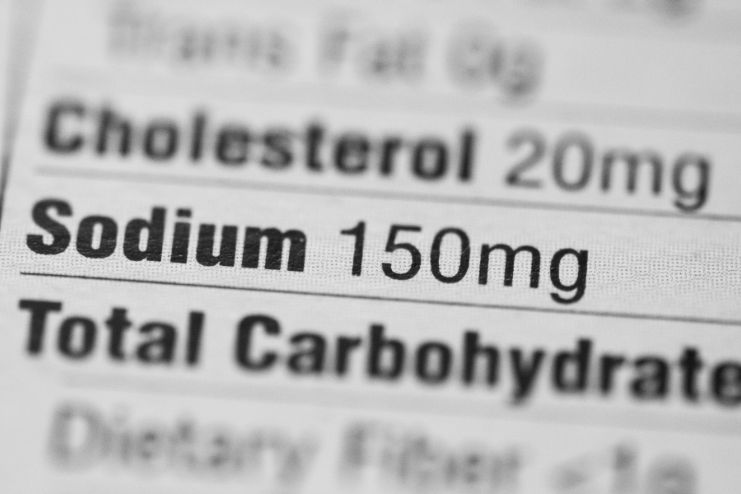
When it comes to improving cardiovascular health, small, practical changes can go a long way. You don’t need to overhaul your lifestyle to see results—just being mindful of your salt intake can make a real difference. Let’s explore some easy, everyday habits that can help lower sodium consumption and support a heart-healthy life.
Get Smart with Labels
Most of the salt we consume comes from packaged and processed foods. Learning to read and understand food labels is a powerful tool in making healthier choices.
- Check for “low sodium” or “no added salt” on the packaging.
- Compare brands and opt for products with lower sodium per serving.
- Remember, even “healthy-looking” items can hide a surprising amount of salt.
This one habit can immediately help cut down unnecessary salt from your diet.
Cook with Less Salt, More Flavor
Relearn how to season your meals without relying on sodium. You don’t need to sacrifice flavor to cut back on salt. Many people discover a whole new appreciation for herbs and spices once they begin reducing their salt usage.
- Gradually reduce how much salt you add while cooking—your taste buds will adapt.
- Use flavorful alternatives like garlic, lemon juice, basil, cumin, or chili flakes.
- Focus on enhancing the natural taste of ingredients rather than masking them.
This helps retrain your palate to enjoy meals without excessive salt.
Eat More Fresh, Less Processed
Whole foods over packaged convenience. One of the easiest ways to reduce salt is to eat more food in its natural state. Processed foods are the biggest culprits when it comes to hidden sodium.
- Include more fresh fruits, vegetables, whole grains, and lean meats in your meals.
- Limit ready-to-eat snacks, frozen meals, and fast food.
- When you do buy packaged items, look for those marked as “sodium-reduced.”
Choosing fresh not only reduces salt intake—it boosts your overall nutrition too.
Practice Mindful Eating
It’s not just what you eat but how you eat. Being present while eating helps you appreciate food more and prevents over-seasoning.
- Eat slowly and savor the natural flavors of your meal.
- Drink plenty of water throughout the day to help your body flush out excess salt.
- Be mindful of your portions—larger servings often mean more hidden salt.
Eating with intention builds healthier habits over time and keeps your salt intake in check.
Prioritize a Balanced, Heart-Healthy Diet
Build your meals around what supports your heart. The ultimate goal isn’t just to avoid salt but to nourish your body with wholesome foods.
- Fill your plate with colorful vegetables, whole grains, legumes, and lean protein.
- Include potassium-rich foods like bananas, sweet potatoes, and spinach, which help balance sodium levels.
- Stick to home-cooked meals whenever possible—it gives you full control over ingredients.
These choices not only help lower blood pressure but also improve overall well-being. Reducing salt doesn’t have to be restrictive or overwhelming. With a few mindful swaps and smarter food habits, it becomes easier to protect your heart and enjoy the natural flavors of food. By gradually shifting toward a diet rich in fresh, nutritious ingredients, you’re not just cutting down on sodium—you’re building a lifestyle that supports lasting health.
Read More: 8 Ways To Reduce Salt Intake Quickly For Better Well Being
Conclusion
So, what’s the takeaway here? Salt isn’t the villain, but too much of it, especially the sneaky kind hiding in processed foods, can definitely mess with your health. From raising your blood pressure to stressing your kidneys and heart, the effects of excess salt go far beyond just feeling a bit bloated after a salty meal.
But the good news? You don’t have to make massive changes overnight. Start small—read labels, cook more at home, season smarter, and lean into fresh, whole foods. And remember, everyone’s body responds differently to salt, so tuning in to how it affects you personally is just as important as following general advice.
At the end of the day, it’s about balance—not perfection. A little awareness, a few swaps, and a bit of consistency can go a long way in protecting your heart and overall health. So go on, take it one pinch at a time—you’ve got this.
-
Jan 2024Written by Ankita
-
May 2025Edited by Shreya Mishra
References
- https://www.who.int/news-room/fact-sheets/detail/hypertension
- https://www.cdc.gov/bloodpressure/facts.htm
- https://www.who.int/data/gho/indicator-metadata-registry/imr-details/5657
- https://www.ncbi.nlm.nih.gov/pmc/articles/PMC5733954/
- https://www.ncbi.nlm.nih.gov/pmc/articles/PMC6770596/
- https://journals.physiology.org/doi/full/10.1152/ajpregu.00819.2005
- https://www.ncbi.nlm.nih.gov/pmc/articles/PMC9685327/
- https://www.who.int/news-room/fact-sheets/detail/salt-reduction
- https://www.ncbi.nlm.nih.gov/pmc/articles/PMC7309298/
- https://www.sciencedirect.com/science/article/pii/S0735109715000832
- https://www.cdc.gov/salt/reduce_sodium_tips.htm
- https://www.heart.org/en/healthy-living/healthy-eating/eat-smart/sodium/how-to-reduce-sodium
- https://www.nyp.org/patients-and-visitors/advances-consumers/issues/give-a-boost-to-your-health-by-lowering-your-salt-intake
In this Article