












Heavy periods? Missed cycles? It might not just be PMS — it could be your thyroid talking.
Most of us chalk up weird period symptoms to “just hormones” or stress. But here’s what many don’t realize: your thyroid—the small gland at the base of your neck—has a huge say in how smooth (or rocky) your menstrual cycle feels.
The thyroid churns out hormones like T3, T4, and regulates TSH (thyroid-stimulating hormone), which directly impact your reproductive system. These hormones help balance estrogen and progesterone, control ovulation, and even affect fertility.
Both hypothyroidism (underactive thyroid) and hyperthyroidism (overactive thyroid) often get overlooked or misdiagnosed as “normal cycle changes.” The result? Many women experience frustrating symptoms without realizing that their thyroid and period problems are linked.
Let’s break down how the menstrual cycle and thyroid connection really work—and how to spot the signs early.
Thyroid and Periods

Your thyroid might be small, but it plays a massive role in keeping your entire hormonal system in check. It’s a key player in your endocrine system—the body’s internal hormone command center—and yes, that includes the hormones that regulate your menstrual cycle. If your period’s been acting strange, your thyroid could be the reason.
Here’s the quick science:
- Thyroid hormones influence estrogen and progesterone production.
These are the two majo0r hormones that control your cycle, from ovulation to your period itself. When thyroid hormone levels are off, they can disrupt the delicate hormonal balance that keeps your cycle regular.
- Imbalances can throw off ovulation, cycle length, and flow.
If your thyroid is underactive (hypothyroidism), it may lead to missed periods, heavier flow, or longer cycles. If it’s overactive (hyperthyroidism), it could cause lighter periods, shorter cycles, or even missed periods altogether.
- Both hypothyroidism and hyperthyroidism can cause menstrual irregularities.
The signs vary, but the underlying message is the same: when the thyroid isn’t working properly, your reproductive hormones take a hit.
Dr. Apurva Gupta, Gynecologist, says, “Hormonal imbalance affects the menstrual pattern, causing heavier or lighter bleeding, prolonged periods or skipped cycles.”
Why does this happen?
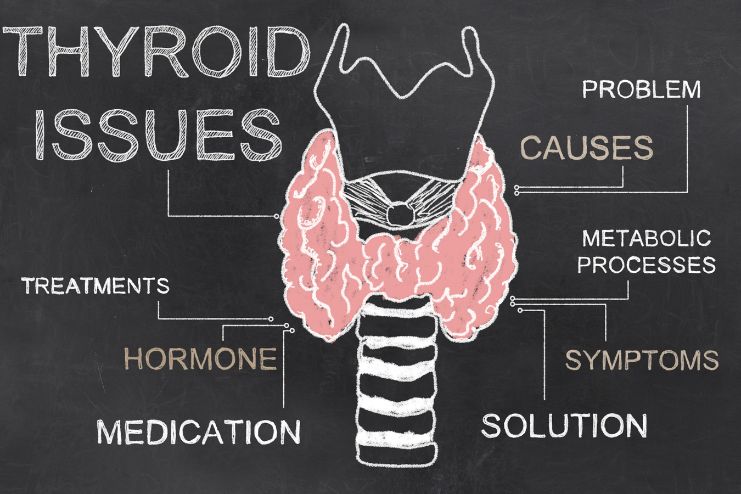
Because your menstrual cycle is driven by a precise hormonal feedback loop between your brain (hypothalamus and pituitary gland), your ovaries, and—surprise—your thyroid. When your thyroid is off, that loop gets disrupted.
For example:
- In hypothyroidism, low thyroid hormone levels can increase levels of prolactin, a hormone that interferes with ovulation. This can lead to irregular cycles or even temporary infertility.
- In hyperthyroidism, too much thyroid hormone can speed everything up—your metabolism, your heart rate, and your menstrual cycle, making periods lighter or stopping them altogether.
Dr. Jeffrey Garber, Associate Professor of Medicine at Harvard Medical School, stated, “In hypothyroidism, the frequency of menstrual irregularities has been reported to be as high as 23.4% among patients studied.”
So, can thyroid issues affect menstruation?
Absolutely!! In fact, thyroid dysfunction is one of the most common—and most overlooked—causes of menstrual changes. Your period is like a monthly report card for your hormonal health, and the thyroid is often behind the red flags.
A prospective cohort study found that women with thyroid dysfunction experienced menstrual irregularities more frequently than those with normal thyroid function.
If your period suddenly changes in flow, frequency, or length, it’s worth checking in with your doctor.
8 Period Symptoms That Might Actually Be Thyroid-Related

Think your period problems are just bad luck or “typical PMS”? Think again. Your thyroid could be messing with your cycle behind the scenes.
Thyroid hormones help regulate everything from ovulation to hormone balance, and when your thyroid is even slightly off, your period is often one of the first places it shows up.
Here are 8 menstrual symptoms that could be pointing straight to a thyroid imbalance:
1. Irregular or Missed Periods
A cycle that’s suddenly early, late, or missing in action altogether? That’s one of the most common signs your thyroid isn’t pulling its weight. An imbalanced thyroid affects the signals between your brain and ovaries, interrupting the timing of ovulation or stopping it completely.
This isn’t just an inconvenience—it’s your body’s way of signaling that hormonal harmony is out of tune.
2. Heavy or Prolonged Bleeding
If your period feels like it’s never-ending or you’re changing products constantly, your estrogen-progesterone ratio could be out of whack thanks to an underactive thyroid. The thyroid influences how thick the uterine lining gets and how efficiently it sheds. With low thyroid function, bleeding often becomes heavier, longer, and more exhausting than usual.
Research indicates that hypothyroidism is associated with increased risk of heavy menstrual bleeding (menorrhagia), with some studies reporting prevalence rates up to 68.2% among affected women.
3. Very Light or Skipped Periods
On the flip side, too much thyroid hormone (hyperthyroidism) can put your body into a kind of metabolic overdrive, and your reproductive system often gets left behind. You may notice your period becoming unusually light, shorter, or disappearing for months.
This isn’t your body “taking a break”—it’s struggling to maintain balance.
4. Intense Mood Shifts Before Your Period
Your thyroid doesn’t just impact physical symptoms—it plays a huge role in neurotransmitter regulation. If you’re experiencing extreme irritability, emotional crashes, or heightened anxiety in the days before your period, it could be more than just PMS.
A sluggish thyroid can amplify mental health symptoms, while an overactive one can trigger restlessness and emotional instability, especially as hormones fluctuate mid-cycle.
5. Difficulty Getting Pregnant
You might not link fertility problems to your thyroid right away, but the two are closely connected. If you’re ovulating inconsistently (or not at all), producing lower-quality eggs, or experiencing short luteal phases, your thyroid could be quietly getting in the way.
Even mild thyroid dysfunction, especially autoimmune conditions like Hashimoto’s, can interfere with implantation or early pregnancy.
6. Crushing Fatigue Around Your Cycle
Exhaustion that hits like a wall during your period, beyond the usual energy dip, could be tied to thyroid imbalance. Since your body already works harder during menstruation, a sluggish thyroid can’t keep up with the extra metabolic demand.
The result? Foggy thinking, low stamina, and a kind of tiredness that sleep just doesn’t fix.
Read More: Unexplained Fatigue? It Could Be a Thyroid Issue
7. Sudden Weight Changes Throughout the Month
Gaining or losing weight without explanation around your period is more than frustrating—it’s hormonal. An underactive thyroid can lead to water retention, slowed metabolism, and stubborn weight gain, especially right before your period. An overactive thyroid may cause rapid loss even if you’re eating the same amount.
These fluctuations aren’t just cosmetic—they’re metabolic red flags.
8. Unusual Temperature Sensitivity During Your Period
If you feel colder than usual right before or during your period—or the opposite, like you’re overheating for no reason—your thyroid may be affecting your thermoregulation. These temperature extremes are especially noticeable when paired with other period symptoms and often go ignored.
But constantly feeling too hot or too cold during your cycle is your body’s way of signaling that thyroid hormones are off track.
When to Get Your Thyroid Checked
If you’ve been side-eyeing your period lately, wondering why it’s gone rogue, or why your mood, skin, or energy feels off, you’re not alone. Menstrual changes are one of the most common (and overlooked) signs of thyroid dysfunction. If you nodded “yes” to even a few of the symptoms above, it might be time to zoom out and look at your thyroid health.
Start With the Right Blood Work
A standard TSH test alone doesn’t tell the full story. Ask for a complete thyroid panel that includes:
- TSH (Thyroid Stimulating Hormone): Measures how hard your brain is telling your thyroid to work.
- Free T3: The active thyroid hormone that powers up your cells—especially important for energy, mood, and metabolism.
- Free T4: The storage form of thyroid hormone, which gets converted into Free T3.
- Thyroid Antibodies (TPOAb & TgAb): These detect autoimmune thyroid issues like Hashimoto’s or Graves’—often missed without testing.
This full panel gives a 360° view of how your thyroid is actually functioning, not just if it’s “normal enough” by lab standards.
You Definitely Want to Get Tested If…
- You’ve recently had a baby: Postpartum thyroid shifts are real. Many women experience thyroiditis within 6–12 months after delivery, often mistaken for just “mom fatigue.”
- You have a family history of thyroid conditions: Thyroid disorders often run in families, especially autoimmune ones. If your mom, sister, or grandmother has one, you’re more likely to develop it too.
- You’re noticing changes after your period: Sudden hair thinning, brain fog, mood crashes, unexplained weight shifts, or feeling unusually hot or cold during your cycle? Those aren’t just random—they’re clues your thyroid might be under stress.
Don’t Wait for Things to Get “Bad Enough”
You don’t have to hit rock bottom to justify testing. Thyroid imbalances can start subtly, showing up in emotional reactivity, period chaos, or creeping fatigue before full-blown dysfunction kicks in.
Getting tested early can help you rebalance before your symptoms spiral. Plus, if you do have a thyroid condition, early intervention (whether through medication, supplements, or lifestyle shifts) can make a massive difference in how you feel—mentally, emotionally, and hormonally.
Tips for Supporting Your Thyroid While You Wait for Testing

While lab results will give you clarity, there’s no harm in giving your thyroid some love starting today. These small, consistent habits can make a big difference in how you feel, even before any official diagnosis.
1. Fuel your body—don’t starve it
Crash diets or skipping meals? Your thyroid doesn’t like that. It slows down your metabolism to conserve energy, which throws off your entire hormonal rhythm. Prioritize steady meals with enough protein, healthy fats, and complex carbs to keep your blood sugar stable—and your hormones happy.
2. Focus on thyroid-loving nutrients
Some key players are:
- Iodine (seaweed, eggs, iodized salt)
- Selenium (Brazil nuts, mushrooms)
- Zinc (pumpkin seeds, chickpeas)
- Iron and B12 (especially important if your periods are heavy)
Deficiencies in these can directly affect thyroid hormone production.
3. Calm your nervous system
Stress = high cortisol = thyroid dysfunction. Your body can’t heal in a constant fight-or-flight state. Add stress-buffering habits like yoga, journaling, walks, or just setting your phone down for an hour. Seriously—it helps.
4. Sleep like it’s medicine
Your thyroid, brain, and hormones do most of their regulating work while you sleep. Go for 7–9 hours, keep your bedtime consistent, and ditch screens an hour before. Better sleep = more balanced cycles.
5. Reduce inflammation
Thyroid issues, especially autoimmune ones like Hashimoto’s, are often tied to inflammation. Cut back on ultra-processed foods, excess sugar, and seed oils. Add in omega-3s (like chia seeds, walnuts, or fatty fish), and consider turmeric or ginger for their natural anti-inflammatory effects.
6. Be cautious with excessive caffeine or exercise
Too much caffeine or intense daily workouts can spike cortisol and drain thyroid reserves. Rest days and hydration matter just as much as hustle.
Read More: Best Yoga Poses For Thyroid Treatment
Conclusion
Your menstrual cycle isn’t just a monthly inconvenience—it’s a real-time report on your internal health, and at the heart of that report lies your thyroid. From irregular flow and wild mood swings to unexplained fatigue and fertility struggles, those period pain points aren’t mere inconveniences; they’re your body’s SOS signals.
By understanding the why behind each symptom—from sluggish hormones in hypothyroidism to the burnout of hyperthyroidism—you’re no longer left guessing or blaming stress alone. You’ve got the tools to spot the red flags, ask for the right tests, and start simple, evidence-based steps to support your thyroid today.
So, if your period has been sending you mixed signals, it’s time to hit “refresh” on your approach. Schedule that blood draw, lean into supportive lifestyle tweaks, and partner with your healthcare provider. Because when you honor your thyroid, you give your cycle—and yourself—the chance to thrive.
References
- https://www.verywellhealth.com/menstrual-problems-and-thyroid-disease-3231765
- https://www.medicalnewstoday.com/articles/hyperthyroidism-and-menstrual-cycle
- https://www.womenshealthservices.com/blog/can-thyroid-problems-affect-your-periods
- https://www.everydayhealth.com/hypothyroidism/irregular-periods/
- https://pmc.ncbi.nlm.nih.gov/articles/PMC5980701/
- https://www.pennmedicine.org/updates/blogs/health-and-wellness/2017/august/thyroid
- https://www.goodrx.com/conditions/hypothyroidism/hypothyroidism-in-women-signs-and-symptoms
- https://timesofindia.indiatimes.com/life-style/health-fitness/health-news/what-your-period-is-trying-to-tell-you-about-your-thyroid/photostory/97090694.cms
- https://my.clevelandclinic.org/health/diagnostics/17556-thyroid-blood-tests
- https://www.endocrinemds.com/blogs/6-signs-that-you-need-to-have-your-thyroid-checked
- https://www.summahealth.org/flourish/entries/2020/01/signs-of-thyroid-disease-that-you-should-get-checked-immediately
In this Article