














You start feeling off. Sleep gets lighter. Anxiety appears without a clear trigger. Weight creeps in even though your routine hasn’t changed. When you ask what’s going on, the answers sound familiar: stress, aging, burnout, or not trying hard enough.
This is where many perimenopause health mistakes begin.
Perimenopause often starts earlier than most women expect, sometimes in the late 30s or early 40s. Because it doesn’t arrive with a single defining moment, symptoms are easy to misinterpret. Fatigue, mood changes, stubborn weight gain, and disrupted sleep are often treated as lifestyle failures rather than hormonal signals.
Here’s the problem. Perimenopause changes how your body responds to food, exercise, stress, and recovery. Strategies that once worked can suddenly backfire. Pushing harder, restricting more, or ignoring symptoms doesn’t fix the issue; it usually worsens it.
Perimenopause is not a loss of discipline or motivation. It’s a biological transition that requires different support. When that shift goes unrecognized, well-intentioned habits quietly create more stress on an already sensitive system.
Let’s break down the eight most common perimenopause health mistakes and what actually helps instead.
Why Perimenopause Is So Often Missed
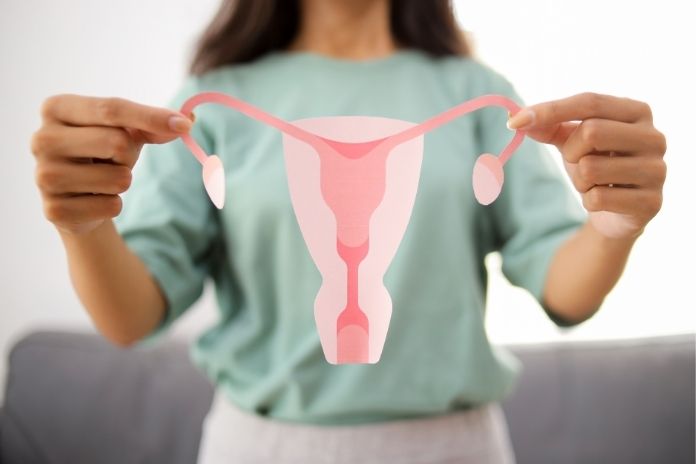
Perimenopause is often missed because it doesn’t follow a clean, predictable pattern. Periods may remain regular. Routine blood work can appear “normal.” Symptoms come and go, sometimes changing week to week. That inconsistency makes it easy to dismiss what’s happening or blame external factors instead.
According to the National Institutes of Health, perimenopause is driven by fluctuating estrogen and progesterone levels rather than a steady hormonal decline. These rapid shifts affect mood, sleep, metabolism, and stress tolerance, which is why symptoms can feel sudden, emotional, and difficult to connect to hormones at all.
Many women reach the same conclusion: “I must be stressed, aging, or doing something wrong.” That assumption delays recognition and support. Instead of adjusting habits to match a changing physiology, women often push harder, restrict more, or ignore symptoms altogether. Over time, that mismatch fuels frustration, worsens symptoms, and reinforces the false belief that the problem is personal rather than hormonal.
Read More: Perimenopause vs. PCOS: Overlapping Symptoms You Shouldn’t Ignore
How Perimenopause Affects the Nervous System and Stress Response
Perimenopause doesn’t just affect hormones. It reshapes how the nervous system responds to stress. This is why many symptoms feel emotional or mental long before periods change in obvious ways.
Estrogen helps regulate cortisol, supports calming neurotransmitters like GABA, and improves stress recovery. During perimenopause, estrogen fluctuates instead of declining steadily. Those fluctuations make the nervous system more reactive and less buffered against everyday stress.
What this really means is that your stress tolerance changes even if your life doesn’t. Situations that once felt manageable may suddenly feel overwhelming. Anxiety can spike. Irritability increases. Fatigue hits harder and lasts longer.
Cortisol responses also tend to be higher during this phase. That amplified stress signaling can worsen sleep, increase cravings, slow recovery, and contribute to abdominal weight gain. These are not willpower issues. They’re physiological responses to hormonal variability.
Key effects on the nervous system
- Heightened stress reactivity
- Increased anxiety and emotional sensitivity
- Slower recovery from physical and mental load
- Greater impact of poor sleep and under-fueling
When this connection goes unrecognized, women often push harder to “fix” symptoms. That adds stress to a system that already needs more regulation, not more pressure.
8 Perimenopause Health Mistakes No One Warned Us About

Perimenopause doesn’t come with a handbook. There’s no clear start date, no single symptom, and no obvious moment where everything changes. Instead, it shows up quietly. Sleep feels off. Mood shifts feel sharper. Weight changes don’t respond the way they used to. And most women are told it’s stress, aging, or something they should be able to “manage better.”
That misunderstanding is where many perimenopause health mistakes begin.
Perimenopause is not a discipline problem. It’s a hormonal transition marked by fluctuating estrogen and progesterone, not their disappearance. When those fluctuations go unrecognized, well-meaning habits around diet, exercise, and productivity can actually worsen symptoms instead of helping them.
Here are the eight most common mistakes women make during perimenopause and what actually supports the body during this phase.
1. Assuming Symptoms Are “Just Stress or Aging.”
This is the most common and most damaging assumption.
Why does it happen? Perimenopause symptoms overlap with everyday life pressures:
- Anxiety and burnout
- Poor sleep
- Caregiving and work stress
Irritability, fatigue, brain fog, and emotional reactivity don’t look obviously hormonal, so they get dismissed.
According to the Cleveland Clinic, perimenopause, the transition leading up to menopause, often begins 8–10 years before menopause, and symptoms like hot flashes, mood changes, sleep disruptions, and irregular cycles can show up long before menstrual changes become obvious.
Why early recognition matters? When symptoms are blamed on personal failure, women often respond by:
- Overtraining
- Undereating
- Pushing through exhaustion
That increases cortisol and worsens hormonal instability. Perimenopause symptoms are physiological, not imagined.
Read More: Perimenopause: Symptoms to Watch and Lifestyle Strategies to Ease the Transition
2. Expecting Period Changes to Be the Only Sign
Many women wait for missed or irregular periods as confirmation. That’s a mistake.
Why can’t you stay regular? Ovulation can still occur during perimenopause, even while estrogen and progesterone fluctuate dramatically from cycle to cycle.
Common early symptoms before the period change
- Mood swings
- Sleep disruption
- Anxiety
- Brain fog
- Worsening PMS
Relying on cycle changes alone delays awareness and support.
3. Following the Same Diet That Worked in Your 20s or 30s
This is one of the most overlooked perimenopause mistakes.
What changes metabolically? Hormonal shifts affect:
- Insulin sensitivity
- Appetite regulation
- Muscle protein synthesis
Highly restrictive diets, chronic calorie cutting, or long fasting windows often backfire.
According to Harvard Health Publishing, midlife women may be more vulnerable to blood sugar fluctuations, which can worsen fatigue, trigger cravings, and contribute to mood swings. Managing glucose throughout the day can help stabilize energy and support emotional balance.
What helps instead
- Adequate protein intake
- Regular meals to stabilize blood sugar
- Nourishment over extreme control
This phase requires support, not punishment.
4. Overdoing High-Intensity Exercise
Exercise still matters. But how you train matters more now.
Why does recovery need to change? Perimenopause is associated with:
- Higher cortisol responses
- Slower recovery
- Increased injury risk
Constant high-intensity training without sufficient recovery can worsen sleep issues, anxiety, and abdominal weight gain.
According to Dr. Stacy Sims, PhD, women in midlife benefit more from prioritizing strength training, recovery, and nervous system‑focused workouts rather than constantly pushing high‑volume aerobic exercise, because heavier, quality work helps maintain muscle, improve resilience, and support overall function as hormones shift.
A better approach
- Strength training with adequate rest
- Fewer high-intensity sessions
- More recovery-focused movement
Intensity isn’t the problem. Lack of recovery is.
5. Ignoring Sleep Changes

Sleep disruption is often one of the earliest signs that something is shifting.
Why does sleep suffer? Estrogen influences:
- Temperature regulation
- Melatonin production
- Nervous system calming
As estrogen fluctuates, many women experience night waking, early morning awakenings, or non-restorative sleep.
According to researchers, including Dr. Eve Van Cauter, chronic sleep deprivation adversely affects carbohydrate metabolism and endocrine function, leading to impaired glucose tolerance and reduced insulin sensitivity, metabolic shifts linked with increased appetite, weight gain, and central fat accumulation.
Normalizing poor sleep delays support and worsens symptoms.
Read More: Sleep Problems After Menopause: Why They Happen and How to Fix Them
6. Not Connecting Mood Changes to Hormones
Anxiety, irritability, and low mood are among the most distressing symptoms of perimenopause.
The hormone–brain connection: Estrogen affects serotonin, dopamine, and GABA, all critical for mood regulation.
Fluctuations can amplify:
- Anxiety
- Irritability
- Low motivation
Research links the menopause transition to increased risk of mood symptoms. This review found that perimenopausal women are at a significantly higher risk for depressive symptoms and mood diagnoses compared with premenopausal women, indicating that the menopause transition is linked to increased mood vulnerability.
This is perimenopause-related mood dysregulation, not personal weakness.
7. Avoiding Conversations With a Healthcare Provider
Many women delay seeking help.
Why does this happen:
- Fear of being dismissed
- Limited provider education on perimenopause
- Belief that symptoms aren’t severe enough
The North American Menopause Society (NAMS) and related clinical guidance emphasize that hormone levels (like FSH and estradiol) aren’t reliable markers during perimenopause, so diagnosis usually relies on a woman’s age, menstrual history, and symptoms rather than one lab result.
Advocacy matters. Symptom-based care matters.
8. Waiting Too Long to Adjust Lifestyle Support
Many women hope symptoms will pass on their own. Sometimes they do. Often, they don’t.
Why does early support help? Addressing stress, sleep, nutrition, and movement early:
- Reduces symptom severity
- Improves long-term metabolic health
- Supports emotional resilience
Small adjustments made early compound over time. Waiting often leads to unnecessary suffering.
What We’ve Learned About Supporting Health During Perimenopause
Perimenopause is a biological transition, not a diagnosis, and not a personal failure. It reflects shifting estrogen and progesterone patterns that affect far more than the reproductive system.
These hormonal fluctuations influence:
- Brain chemistry and mood regulation
- Metabolism and insulin sensitivity
- Sleep quality and circadian rhythm
- Stress response and emotional resilience
Because hormones fluctuate rather than steadily decline, symptoms can feel unpredictable. One month, you feel fine. Next, everything feels off. That variability is part of the process, not a sign that something is wrong with you.
Support during perimenopause works best when it is proactive rather than reactive. Waiting for symptoms to become severe often leads to unnecessary struggle. Early adjustments in sleep support, nutrition, stress management, and training load can significantly reduce symptom intensity over time.
Effective support is also individualized. Two women of the same age can experience perimenopause very differently. What helps one may not help another. There is no universal diet, workout plan, or supplement that works for everyone.
Above all, support must be compassionate. This phase requires flexibility, not self-criticism. Listening to your body and adapting your habits is not giving up. It’s responding intelligently to a changing physiology.
What Support During Perimenopause Actually Looks Like in Real Life
Supporting health during perimenopause is less about doing more and more and more about doing differently. Habits that once worked may now need adjustment to match a changing physiology. Movement still matters, but intensity must be balanced with recovery.
Strength training supports muscle and metabolic health, while excessive high-intensity work can elevate stress hormones and worsen symptoms when recovery is insufficient. Nutrition support shifts toward consistency. Regular meals, adequate protein, and balanced carbohydrates help stabilize blood sugar, which directly affects mood, energy, and sleep.
Restrictive diets and long fasting windows often increase fatigue and cravings during this phase. Sleep becomes foundational, not optional. Hormonal fluctuations affect temperature regulation and melatonin production, making sleep more fragile. Protecting sleep supports emotional regulation, metabolic health, and stress resilience.
Stress support also looks different now. It’s less about eliminating stress and more about reducing unnecessary strain and improving nervous system recovery.
What effective support often includes:
- Strength-focused training with adequate rest
- Consistent meals that stabilize blood sugar
- Sleep protection and routine adjustments
- Fewer stacked stressors and stronger boundaries
- Flexibility rather than rigid rules
There is no single plan that works for every woman. Perimenopause experiences vary widely, and support must be individualized. What helps one person may need to be modified for another.
The common thread is compassion. Supporting yourself during perimenopause isn’t about fixing a problem. It’s about responding intelligently to a biological transition and giving your body what it needs now.
Read More: Perimenopause Fatigue: Causes and Energy-Boosting Tips
When Perimenopause Symptoms Deserve Medical Attention

Perimenopause symptoms are common, but that doesn’t mean they should be ignored or tolerated indefinitely. Medical support is appropriate when symptoms begin to interfere with quality of life.
Seek professional care if symptoms:
- Disrupt daily functioning, work, or relationships.
- Include persistent or severe anxiety, depression, or panic.
- Involve heavy, prolonged, or unpredictable bleeding.
- Cause ongoing sleep disruption that doesn’t improve with basic support.
These experiences are signals, not inconveniences. They indicate that the body may need targeted intervention, not more pushing or self-blame. It’s important to know that perimenopause is often diagnosed clinically, based on age, symptom patterns, and history, not just blood tests. Normal lab results do not invalidate lived symptoms.
Getting support early can prevent symptoms from escalating and help preserve long-term metabolic, emotional, and cardiovascular health. You are not overreacting by asking for help. You are responding appropriately to a real physiological transition.
Final Takeaway
Many perimenopause health mistakes don’t come from neglect. They come from misunderstanding. When symptoms show up without warning, it’s easy to assume stress is the problem, aging is to blame, or that you’re somehow doing something wrong. That assumption keeps many women stuck in cycles of overtraining, undereating, poor sleep, and self-criticism.
The reality is simpler and more grounded. You’re not losing control. Your body is transitioning. Hormonal fluctuations affect how you think, feel, recover, and metabolize energy. When those changes go unrecognized, even healthy habits can start working against you.
With awareness, things shift. Symptoms stop feeling random. Patterns start to make sense. Small adjustments in sleep support, nutrition, stress management, and movement begin to matter more than force or willpower. Support doesn’t have to be extreme to be effective. It just has to be aligned with what your body needs now.
Perimenopause isn’t a phase that requires you to push harder or prove resilience. It asks for something different. Attention. Flexibility. Self-trust. When you stop fighting the transition and start supporting it, managing symptoms becomes not only doable, but far less overwhelming.
FAQs: People Also Ask
What are early perimenopause symptoms?
Early perimenopause symptoms often show up before periods change. Mood swings, increased anxiety, sleep disruption, brain fog, and persistent fatigue are common. Many women also notice stronger PMS or reduced stress tolerance. These symptoms tend to fluctuate, which makes them easy to dismiss at first.
Can perimenopause cause weight gain even with healthy habits?
Yes. Hormonal fluctuations during perimenopause can affect insulin sensitivity, muscle mass, and fat distribution. This often leads to more weight settling around the abdomen, even when diet and exercise stay consistent. It’s not a lack of discipline. The body is responding differently to the same inputs.
Is perimenopause just stress?
No. Stress can intensify symptoms, but it is not the root cause. Perimenopause is driven by fluctuating estrogen and progesterone levels that affect the brain, metabolism, and nervous system. Labeling it as “just stress” delays proper support and often makes symptoms worse.
How long does perimenopause last?
Perimenopause can last several years before menopause, sometimes starting in the late 30s or early 40s. Symptoms often come and go rather than progressing steadily. The length and intensity vary widely from person to person. There is no single timeline that fits everyone.
Should I see a doctor for perimenopause symptoms?
Yes, especially if symptoms interfere with sleep, mood, work, or daily functioning. Perimenopause is a clinical diagnosis based on age and symptoms, not just lab tests. Early guidance can help prevent unnecessary suffering and support long-term health.
References
- Cleveland Clinic. (n.d.). Abnormal menstruation (periods).
- Mayo Clinic. (n.d.). Perimenopause: Symptoms and causes.
- American College of Obstetricians and Gynecologists. (n.d.). My periods have changed: Is menopause around the corner?
- Clue. (n.d.). Why do menstrual cycles vary?
- NHS Inform. (n.d.). Irregular periods.
- BabyCenter. (n.d.). Irregular periods.
- Flo Health. (n.d.). Why do periods change dates?
- NHS. (n.d.). Irregular periods.
- KidsHealth. (n.d.). Irregular periods.
- Medanta. (n.d.). Early symptoms of period and PMS relief.
- Omar Gailani. (n.d.). How your period changes during your 20s, 30s, and 40s.
- Health. (n.d.). Two periods in one month: Causes and considerations.
- Vinmec. (n.d.). The reason why the menstrual cycle is getting shorter and the blood volume is less.
- Society of Obstetricians and Gynaecologists of Canada. (n.d.). Perimenopause: Diagnosis is based on menstrual changes and symptoms; hormone levels are unreliable diagnostic markers.
- Freeman, E., Sammel, M., Lin, H., et al. (2023). Risk of depression in the menopausal stages. Journal of Affective Disorders.
- Van Cauter, E., & Knutson, K. L. (2015). Metabolic consequences of sleep and sleep loss. PMC.
- Mayo Clinic. (n.d.). Perimenopause: Symptoms and causes.
- TrainingBeta. (n.d.). Stacy Sims, PhD.
- Harvard Health Publishing. (n.d.). The case for watching your blood sugar.
- Cleveland Clinic. (n.d.). Perimenopause: Symptoms and causes.
- Santoro, N., & Coauthors. (2016). Mechanisms of perimenopause.
In this Article
Very Informative