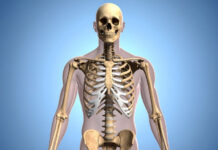







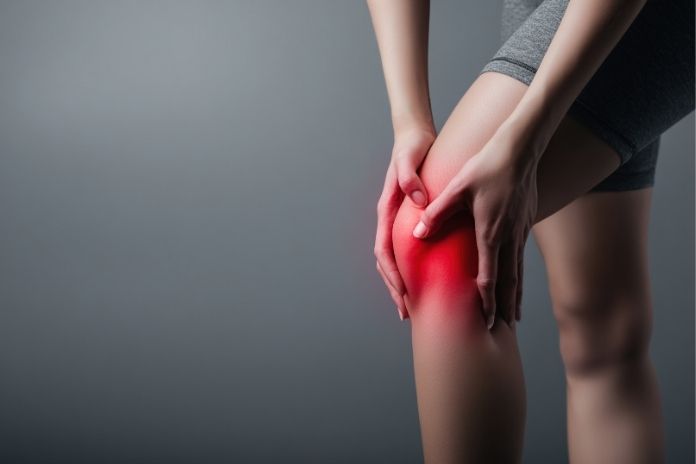



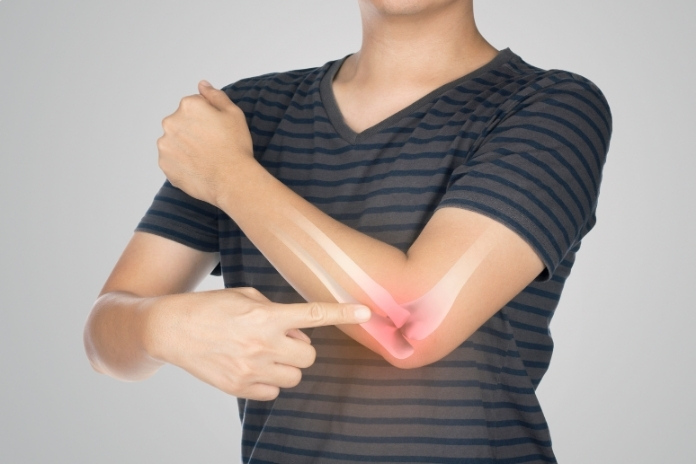
Bones form the very foundation of the human body. They aren’t just rigid structures; they’re living tissue constantly breaking down and rebuilding to stay strong. This framework allows us to move with ease, carry weight, and safeguard vital organs like the heart, lungs, and brain. Yet, despite their strength, bones are far more fragile than most people realize. Unlike muscles, which signal strain with soreness or fatigue, bones often weaken in silence.
The danger is that bone damage rarely announces itself until it’s serious. A fracture from a minor fall, a gradual loss of height, or persistent back pain might be the first red flags, but by then, the underlying problem has often been progressing for years.
According to the NIAMS (National Institute of Arthritis and Musculoskeletal and Skin Diseases), osteoporosis often has no symptoms until a fracture occurs, most commonly affecting the hip, spine, or wrist.
The good news? Early recognition and intervention can make all the difference. Conditions such as osteoporosis, vitamin D deficiency, or spinal compression fractures can be slowed, and in some cases partly reversed, with the right nutrition, exercise, and medical care.
Understanding what bone damage really means is the first step toward prevention. In this article, we’ll break down the early symptoms that should never be brushed aside and outline practical steps to strengthen and protect your skeletal health for life.
What Is Bone Damage?

Bone damage is not just about a crack or fracture you can see on an X-ray. It’s any loss of bone strength, density, or integrity that weakens the skeleton and makes it more vulnerable to injuries over time. Unlike a temporary injury, like a sprain that heals with rest, bone damage usually points to a deeper issue with how bones are built, nourished, or maintained.
Some of the most common causes include:
- Trauma – Sudden accidents, falls, or even repeated stress (like running or heavy lifting) can strain bones until tiny cracks or fractures appear.
- Osteoporosis – The most well-known cause of fragile bones, where density drops so much that even a mild bump can lead to a break.
- Nutritional deficiencies – Without enough calcium, vitamin D, protein, or magnesium, bones don’t get the raw materials they need to stay solid.
- Chronic diseases – Conditions like rheumatoid arthritis, thyroid imbalances, kidney disease, or even certain cancers interfere with bone metabolism.
- Medications – Long-term use of steroids, proton-pump inhibitors, chemotherapy drugs, or anti-seizure medicines can quietly erode bone strength.
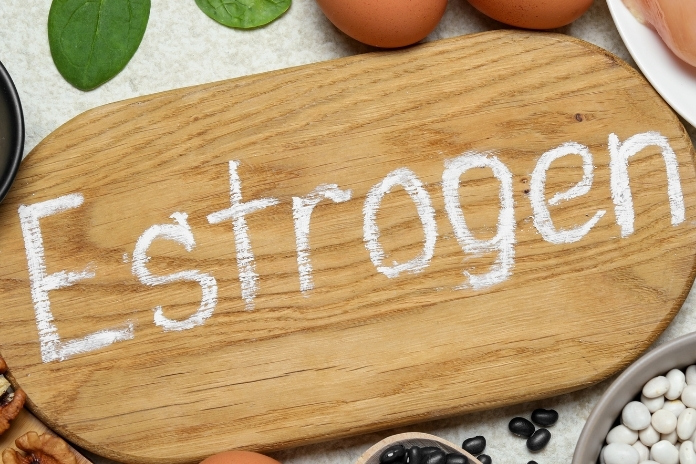
Here’s the thing: bones aren’t static. They’re living tissue, constantly breaking down and rebuilding in a cycle called bone remodeling. Up until your late 20s, this cycle leans toward growth; bones keep getting stronger and denser. But after age 30, the balance tips. Breakdown slowly starts outpacing rebuilding, and in women, this accelerates sharply after menopause because of the drop in estrogen, a hormone that protects bone.
Bone damage doesn’t happen overnight. It’s often a silent process, beginning years before the first visible signs like fractures, loss of height, or stooped posture appear. By the time symptoms are obvious, a lot of the damage has already been done, which is why spotting the risks early is key to protecting lifelong bone health.
Early Sign #1: Persistent Bone Pain
Occasional aches after heavy activity are normal. But persistent bone pain without a clear injury should raise concern.
- How it feels: Often described as a dull, deep ache that lingers for weeks. It can also be sharp if related to tiny stress fractures.
- When it’s a red flag: Pain at rest, pain that worsens at night, or pain that continues despite rest and over-the-counter remedies.
Underlying causes may include early osteoporosis, small fractures, infections, or, rarely, bone tumors. Chronic back pain in older adults is especially concerning because it may signal spinal compression fractures rather than “just aging.”
Early Sign #2: Frequent Fractures or Cracks
Bones are designed to withstand normal daily bumps. When they start breaking with minimal force, such as falling from standing height or even coughing, this is a classic hallmark of bone weakness.
- Hairline or stress fractures in the feet, hips, or spine may appear first.
- If fractures become recurrent, it almost always indicates underlying density loss.
The National Osteoporosis Foundation notes that one fracture significantly raises the risk of future fractures, making early detection and prevention crucial.
Early Sign #3: Reduced Mobility or Stiffness
Bones work in concert with joints and muscles. When bones weaken or sustain microdamage, they can affect how joints move.
- Reduced flexibility in bending, twisting, or reaching may occur.
- Stiffness in the spine or hips may reflect early vertebral compression or degenerative changes.
- Morning stiffness lasting more than 30 minutes can also be a sign of inflammatory bone or joint conditions.
If mobility changes are gradual but progressive, bone damage should be considered alongside arthritis.
Early Sign #4: Noticeable Height Loss
Height loss exceeding three‑quarters of an inch is not just a normal sign of aging; it may indicate underlying vertebral compression fractures caused by weakened spinal bones. Over time, these fractures can shorten the spine, causing a stooped posture, or ‘dowager’s hump’, that not only changes your appearance but can also compromise lung capacity and digestion.
- Why it happens: Weakened spinal bones can collapse under pressure, causing compression fractures. Over time, multiple fractures shorten the spine and change posture.
- Consequences: A stooped back, also called kyphosis or “dowager’s hump,” which not only affects appearance but also restricts lung capacity and digestion.
Height loss is one of the most visible signs of osteoporosis, often noticed by family before the individual recognizes it themselves.
Early Sign #5: Swelling or Tenderness in Bones
While bone itself doesn’t swell, the tissue around it can.
- Localized tenderness over a bone may suggest a stress fracture.
- Swelling and warmth may indicate inflammation or infection (osteomyelitis).
- In rare cases, bone cancer or benign tumors can present with swelling and pain.
Because bone pain is often dismissed as muscle strain, any swelling combined with tenderness should be evaluated promptly.
Early Sign #6: Weak Grip or Hand Strength
Grip strength is increasingly recognized as a biomarker of bone and muscle health.
- Studies show lower grip strength is strongly correlated with lower bone mineral density, especially in postmenopausal women.
- Difficulty opening jars, carrying groceries, or maintaining a steady hold may be early signs of skeletal and muscular decline.
Though not diagnostic on its own, a weak grip combined with other symptoms should trigger bone health screening.
Early Sign #7: Poor Posture
Posture reflects skeletal alignment. As spinal bones weaken, the back may begin to curve forward.
- Signs to notice: Shoulders rounding forward, upper back curving, or difficulty standing fully upright.
- Poor posture often accompanies spinal compression fractures or progressive bone thinning.
Left unchecked, these changes can alter balance, increase fall risk, and accelerate further fractures.
Early Sign #8: Numbness or Tingling in Limbs
Bone damage in the spine doesn’t just cause pain; it can compress nerves.
- Symptoms: Tingling, numbness, or weakness in arms or legs.
- Cause: Vertebral collapse or degenerative bone changes pressing on spinal nerves.
While nerve symptoms are often linked to disc problems, bone weakening can be the root cause. This is especially concerning because untreated nerve compression can lead to long-term mobility issues.
Risk Factors That Increase Chances of Bone Damage
Bone health isn’t determined by just one thing; it’s the sum of age, genetics, habits, and even medical history. Some risks you can’t change, like your family background, but others are shaped by the choices you make every day. Understanding where you stand helps you act before damage becomes serious.
Key risk factors include:
- Age: Bone density naturally peaks in your late 20s to early 30s and then starts to decline after about 35. The older you get, the higher your risk of brittle bones.
- Gender: Women are more vulnerable, especially after menopause, because estrogen, a hormone that protects bones, drops sharply.
- Family history: If your parent or grandparent had osteoporosis or suffered a hip fracture, your chances rise significantly.
Nutrition also plays a central role. Calcium and vitamin D are the building blocks of strong bones, and not getting enough can weaken your skeleton over time. On the flip side, certain habits accelerate damage. Smoking, heavy drinking, and long hours of sitting all chip away at bone strength.
Other contributing risks include:
- Medical conditions: Disorders like thyroid disease, rheumatoid arthritis, kidney issues, or gut problems that block nutrient absorption can all harm bone density.
- Medications: Long-term use of corticosteroids, some seizure drugs, and certain cancer treatments are known to thin bones.
Here’s the bottom line: if several of these factors apply to you, bone density testing shouldn’t wait until the standard ages of 65 for women or 70 for men. An early check can help you catch bone loss before it turns into fractures.
Read More: Osteoporosis- Symptoms, Causes, and Treatment
When to See a Doctor
It can be hard to distinguish between a sore muscle and something more serious. But certain clues suggest it’s time for a medical evaluation:
- Bone pain lasting longer than two weeks.
- Multiple fractures or one fracture from a minor fall.
- Noticeable height loss or new stooped posture.
- Numbness, tingling, or unexplained weakness.
Tests doctors may order:
- DEXA scan: Measures bone density.
- X-rays: Detect fractures and structural changes.
- MRI/CT: Identify stress fractures or nerve compression not visible on X-rays.
Early testing can reveal osteopenia or osteoporosis long before fractures occur, enabling preventive care.
Preventing Bone Damage

Strong bones aren’t built overnight, but they also aren’t just left to fate. While factors like age, family history, and genetics can’t be changed, there are plenty of steps you can take to strengthen and protect your bones throughout life. Think of it as a four-pillar strategy: nutrition, exercise, lifestyle habits, and medical support.
1. Nutrition: Building Blocks for Bone Health
Bones are living tissue, and like any tissue, they need the right fuel.
- Calcium: The cornerstone of bone strength. Adults should aim for 1,000–1,200 mg daily. Dairy products are the classic source, but fortified foods, tofu, almonds, and leafy greens like kale and spinach are excellent alternatives.
- Vitamin D: Calcium can’t do its job without vitamin D. Your body makes it from sunlight, but it’s also found in fatty fish, fortified milk, and egg yolks. Supplements may help if levels are low.
- Protein: Bones aren’t just minerals; they’re also made of a protein framework. Adequate protein intake supports both bone structure and muscle strength, which helps protect bones during falls.
2. Exercise: Stress That Strengthens
Bones respond to stress, the good kind. Regular physical activity signals your body to keep bones dense and resilient.
- Weight-bearing activities: Walking, jogging, hiking, dancing, or even stair climbing all help stimulate bone growth by putting gentle stress on bones.
- Resistance training: Using weights, resistance bands, or body-weight exercises strengthens both bones and the muscles that support them.
- Balance and flexibility: Practices like yoga, Pilates, or tai chi don’t just improve posture and mobility; they also lower the risk of falls, one of the main causes of fractures in older adults.
“Weight-bearing exercise helps with the bone-remodeling process. Any kind of exercise against gravity, like walking, yoga, Pilates, or tai chi, can do that.” - Nancy Salloum Harrison, MD, discussing osteoporosis prevention and lifestyle modifications.
3. Lifestyle: Everyday Choices That Matter
Your daily habits either protect bones or put them at risk.
- Quit smoking: Nicotine interferes with bone-building cells and slows healing.
- Limit alcohol: Excessive drinking reduces bone formation and increases fall risk.
- Maintain a healthy weight: Being underweight raises fracture risk due to less bone mass, while obesity can add stress to joints and bones.
- Manage chronic illnesses: Conditions like diabetes, thyroid disorders, and digestive diseases can impact bone health. Regular medical check-ups and good management are key.
4. Medical Options: Extra Support When Needed
Sometimes lifestyle changes aren’t enough, especially if bone density is already reduced. In these cases, doctors may prescribe treatments to slow bone loss and prevent fractures.
- Bisphosphonates (e.g., alendronate, risedronate): Help bones retain calcium and slow breakdown.
- Denosumab: A medication that reduces bone resorption by blocking specific bone-breaking cells.
- Hormone therapy: In some cases, estrogen or testosterone therapy can help maintain bone density, particularly after menopause.
Bone health isn’t just about avoiding fractures; it’s about staying mobile, independent, and strong as you age. By combining smart nutrition, regular exercise, healthy lifestyle choices, and, when needed, medical support, you give your bones the best chance to stay resilient for decades to come.
Read More: Yoga Positions to Strengthen Bones and Support Osteoporosis Management
Final Takeaway
Bone damage isn’t a sudden event; it’s a slow, silent process that often goes unnoticed until the consequences become harder to reverse. The body does give warnings, though: persistent bone pain, recurring fractures from minor falls, reduced mobility, a subtle loss of height, swelling, a weakening grip, poor posture, or even nerve-related symptoms.
These aren’t just small inconveniences; they’re signals that your bones may be losing their resilience. Ignoring them is like ignoring cracks in the foundation of a house; the structure may hold for a while, but eventually, the damage becomes unavoidable.
Here’s what this really means: you don’t have to wait for a major fracture to find out your bones are weakening. A bone density test, combined with an honest conversation with your doctor, can reveal the state of your skeletal health long before the damage feels irreversible. The good news is that bones can be strengthened at almost any age.
With the right approach, a nutrient-rich diet, adequate calcium and vitamin D, regular weight-bearing activity, and lifestyle choices that protect rather than erode bone health, you can slow down or even prevent the decline.
Early detection and daily care aren’t just medical tasks; they’re choices that preserve your ability to walk, travel, work, and live life on your terms for decades to come. Protecting your bones means protecting your future self.
References
- https://my.clevelandclinic.org/health/diseases/15241-bone-fractures
- https://www.sciencedirect.com/topics/social-sciences/bone-damage
- https://pmc.ncbi.nlm.nih.gov/articles/PMC2905601/
- https://medlineplus.gov/ency/patientinstructions/000506.htm
- https://www.medicalnewstoday.com/articles/173312
- https://timesofindia.indiatimes.com/life-style/health-fitness/health-news/5-early-signs-of-bone-damage-that-require-urgent-attention/photostory/123256861.cms
- https://www.mayoclinic.org/diseases-conditions/osteoporosis/symptoms-causes/syc-20351968
- https://www.mdpi.com/1996-1944/14/5/1240
- https://www.betterhealth.vic.gov.au/health/conditionsandtreatments/bone-fractures
- https://my.clevelandclinic.org/health/diseases/4443-osteoporosis
- https://www.sciencedirect.com/topics/pharmacology-toxicology-and-pharmaceutical-science/bone-injury
- https://www.cambridge.org/core/books/animal-teeth-and-human-tools/bone-damage-and-its-meaning/E4E467D3C0BA7E660673FA9298CF1505
- https://journals.plos.org/plosone/article?id=10.1371/journal.pone.0202210
- https://www.nature.com/articles/s43246-022-00296-6
- https://en.wikipedia.org/wiki/Bone_fracture
- https://academic.oup.com/toxsci/article/191/2/201/6858501
- https://www.mdpi.com/2076-2615/14/24/3655
In this Article