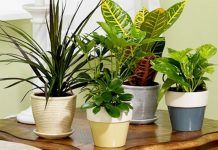














Understanding the importance of indoor air quality is key to maintaining a healthy lifestyle, especially since we spend a large portion of our time indoors. The air we breathe inside our homes directly impacts our health. Poor indoor air quality has been linked to a range of issues, from allergies and respiratory problems to more serious long-term health effects.
With so much of our time spent in enclosed spaces, ensuring that the air we breathe is clean and fresh is essential for staying at our best. When indoor air quality is compromised, it can lead to a host of health concerns, many of which can be easily avoided with a little awareness and some simple steps. Allergies, asthma, and even chronic respiratory conditions can worsen when we’re exposed to pollutants like dust, mold, and volatile organic compounds (VOCs) found in common household products.
According to Dr. Richard L. Corsi, air quality expert and dean of the UC Davis College of Engineering, “Most of the air pollution that we breathe during our lifetimes, we breathe while we’re indoors. Many pollutants are present indoors at levels comparable to or higher than outdoors.”
This makes it all the more important to understand how indoor pollution affects us and the action how can it be minimized. By improving the air quality in our living spaces, we can create a more comfortable and healthier environment. This could mean anything from investing in air purifiers to ensuring proper ventilation or opting for natural cleaning products.
The more we recognize the impact of indoor air quality, the better equipped we are to take control of our health and create spaces that support our well-being. Clean air isn’t just a luxury, it’s a crucial component of living well.
Identifying Indoor Pollutants

To create a healthy living environment, it’s crucial to identify and manage the many sources of indoor pollution. Numerous common household items contribute to indoor air contamination, some of which may not be immediately obvious.
From tobacco smoke and cleaning products to building materials, these sources can release harmful particles into the air. Understanding where these pollutants come from can help you take preventive measures and improve the air quality in your home.
Common Indoor Pollutants
- Tobacco Smoke: Whether from cigarettes, cigars, or other products, tobacco smoke is a well-known source of indoor pollution. It’s not only harmful to those who smoke but also to non-smokers exposed to secondhand smoke.
- Household Cleaning Products: Many cleaning products contain chemicals that can contribute to poor air quality. These can release volatile compounds that affect both short-term and long-term health.
- Building Materials: Some building materials, such as certain paints and finishes, release toxic substances into the air, especially when they are newly installed. These chemicals can linger for a long time and affect air quality.
Overlooked Sources of Indoor Air Contamination
While tobacco smoke and cleaning products are widely known to impact indoor air quality, there are other pollutants that often fly under the radar.
- Mold: Mold thrives in areas with high humidity and can be found in bathrooms, basements, and other damp spaces. It can trigger allergic reactions and worsen respiratory conditions.
- Pet Dander: Pets can be a significant source of indoor allergens, especially if they shed fur or have dander. This can trigger allergies in sensitive individuals.
- Volatile Organic Compounds (VOCs): Many household items, such as paints, furniture, and carpets, release VOCs. These compounds can cause health problems and even long-term issues if exposure is prolonged.
Taking Preventive Measures
The good news is that by identifying these pollutants, you can take steps to reduce their impact. Regular cleaning, proper ventilation, and being mindful of the products you use can help you maintain cleaner and safer indoor air.
Simple actions like choosing non-toxic cleaning supplies, using air purifiers, and ensuring adequate humidity control can go a long way in improving your indoor environment. By actively managing these pollution sources, you can create a healthier and more comfortable living space.
Improving Ventilation
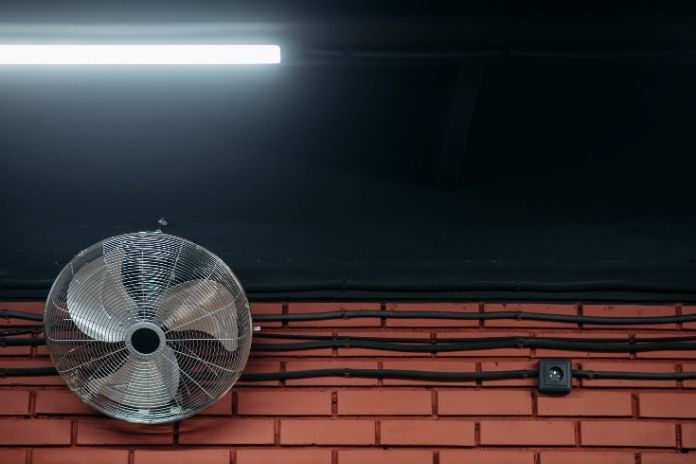
Ventilation plays a crucial role in improving indoor air quality by ensuring a constant flow of fresh air. Proper ventilation helps to dilute and remove indoor pollutants, creating a healthier environment.
Without adequate ventilation, stale air can accumulate, carrying contaminants that contribute to a range of health issues. Fortunately, there are simple measures you can take to enhance ventilation in your home and reduce the impact of indoor pollution.
A literature review of 20 studies, including intervention, cross-sectional, and case-control research, found that over half showed statistically significant improvements in health outcomes (e.g., fewer respiratory issues or common colds) when home ventilation rates were increased.
Simple Ways to Improve Ventilation
- Open Windows Regularly: One of the easiest and most effective ways to improve airflow is by opening windows. Even just a few minutes of cross-ventilation can make a big difference in reducing indoor air pollutants.
- Use Exhaust Fans: Installing exhaust fans, especially in high-moisture areas like bathrooms and kitchens, is a great way to improve air circulation. These fans help to remove excess moisture, smoke, odors, and other pollutants directly from their source.
- Ensure Airflow Between Rooms: In larger spaces, it can help to leave interior doors open when possible. This allows air to flow freely between rooms and reduces stagnant pockets of air.
Advanced strategies like mixed-mode ventilation (combining natural and mechanical methods), demand-controlled ventilation (DCV), and systems with heat recovery can optimize both effective ventilation and energy efficiency.
For instance, DCV can potentially improve energy use by up to 88%, and heat recovery systems can cut heating energy consumption by nearly 19%.
Creating a Healthier Indoor Atmosphere
By making a few simple changes, such as opening windows more often and installing exhaust fans, you can significantly improve the air quality in your home. These actions help to clear out pollutants, regulate moisture, and allow fresh air to circulate, making the indoor environment much more breathable and pleasant. Implementing proper ventilation is one of the most effective ways to reduce indoor pollution and protect your health over time.
Eliminating Sources of Pollution

According to the American Lung Association, eliminating or reducing sources of indoor air pollution, not just diluting the air, offers the most effective protection for respiratory and overall health. They emphasize that source control should be the first step in any indoor air quality plan, as it directly removes harmful pollutants rather than simply moving them around.
Taking proactive steps to eliminate the sources of indoor pollution is key to creating a healthier living space. By adopting a few simple yet effective strategies, you can significantly reduce the harmful effects of indoor pollutants and enhance the air quality in your home. These strategies focus on minimizing exposure to toxic chemicals and maintaining a regular cleaning routine to keep the indoor environment safe.
Effective Strategies for Reducing Indoor Pollution
- Use Environmentally Friendly Cleaning Products: Traditional cleaning products often contain harsh chemicals that can contribute to indoor air pollution. By switching to eco-friendly alternatives, you can reduce the presence of harmful chemicals in your home while also promoting a healthier environment.
- Ban Smoking Indoors: Smoking indoors is one of the most common sources of indoor pollutants. Not only does it introduce harmful toxins into the air, but it can also cling to furniture, walls, and carpets, creating long-lasting contamination.
- Maintain Regular Cleaning and Upkeep: Regular cleaning, including dusting and vacuuming, helps remove allergens and dust particles that contribute to poor air quality.
Reducing the Impact of Volatile Organic Compounds (VOCs)
- Choose Low-VOC or VOC-Free Products: Volatile organic compounds (VOCs) are chemicals found in paints, furniture, and other household items. These substances can release harmful fumes that linger in the air.
- Keep Airflow Consistent: Proper ventilation, combined with regular cleaning, helps to clear the air of accumulated allergens and VOCs. Regular dusting and vacuuming, along with strategic airflow management, ensure that harmful particles are removed from the environment.
Creating a Cleaner, Healthier Home
By integrating these simple yet effective strategies into your routine, you can significantly reduce indoor pollution. The combination of using eco-friendly cleaning products, banning smoking indoors, choosing low-VOC items, and maintaining a consistent cleaning schedule will help you create a living space that is cleaner, safer, and healthier for everyone in the household.
These practices not only improve air quality but also contribute to a more mindful and health-conscious environment.
Investing in Air Purification
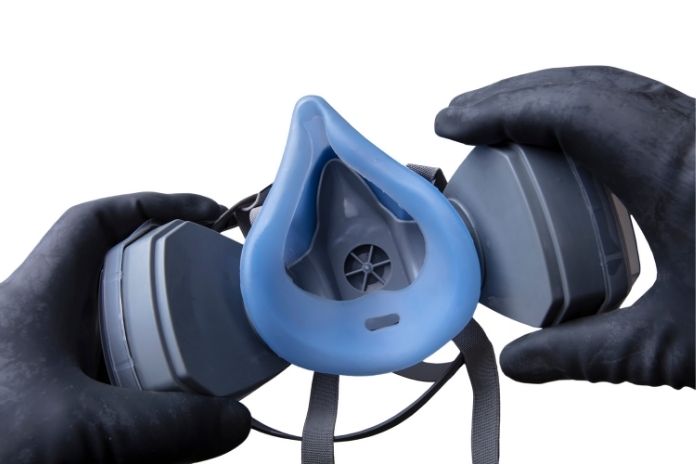
As indoor air quality becomes an increasingly important focus in maintaining a healthy home, air purifiers play a crucial role in improving the air we breathe. These devices are designed to filter out harmful pollutants and allergens, ensuring cleaner and healthier air inside your living spaces.
According to Dr Sameer Nanaware, Consultant Pulmonologist, SRV Hospitals, Chembur, air purifiers can help reduce the concentration of indoor pollutants, including dust, pollen, pet dander, and other airborne allergens. The ones equipped with activated carbon filters are known to help reduce smoke and odours from sources, such as tobacco smoke or cooking, he added.
For individuals who suffer from respiratory issues or allergies, air purifiers can be particularly beneficial in alleviating symptoms by removing particles that trigger discomfort.
How Air Purifiers Improve Indoor Air Quality
- Removal of Harmful Particles: Air purifiers efficiently capture pollutants such as dust, pet dander, mold spores, and other airborne particles that contribute to poor air quality. By removing these elements from the air, purifiers help reduce irritation for those with asthma, allergies, or other respiratory conditions.
- Filtering Odors and Chemicals: Activated carbon filters in air purifiers are effective at absorbing odors, smoke, and volatile organic compounds (VOCs), which are commonly found in cleaning products, paints, and household materials. This function helps improve the overall atmosphere by reducing unpleasant smells and harmful chemical exposure.
- Alleviating Respiratory Symptoms: Air purifiers are particularly beneficial for individuals with respiratory conditions, such as asthma, by removing irritants from the air that could otherwise worsen symptoms. Clean air makes breathing easier and contributes to a more comfortable and healthier environment.
Choosing the Right Air Purifier
When selecting an air purifier, it’s important to match the device to the specific type of pollutants you want to address. Different filters serve different purposes, and understanding their capabilities can help you make an informed decision.
- HEPA Filters: High-Efficiency Particulate Air (HEPA) filters are the gold standard for capturing fine particles, including pollen, dust mites, and pet dander. If your primary concern is airborne particles, a purifier with a HEPA filter will effectively remove these from the air, providing relief from allergens and irritants.
- Activated Carbon Filters: If odors, smoke, or chemicals are your main concerns, air purifiers with activated carbon filters are the right choice. These filters excel at trapping gases and odors, making them ideal for spaces where cooking fumes, pet smells, or VOCs are prevalent.
Of the many types of air purifiers, the best are those with HEPA filters and those that generate oxygen-free radicals, or ozone, as ozone can irritate the aerodigestive mucosa and cause low-grade inflammation, leading to symptoms like cough, chest tightness, breathlessness, and wheezing, said Dr Sheetal Chaurasia, Consultant-Pulmonary Medicine, Manipal Hospital, Whitefield.
Investing in Cleaner Air
By choosing the right air purifier for your needs, you can take a significant step toward creating a healthier living environment. Whether you’re targeting particulate pollution or dealing with lingering odors, there’s a purifier designed to address your specific concerns. Investing in the right air purifier not only improves your indoor air quality but also contributes to a more comfortable and health-conscious home.
Utilizing Natural Remedies
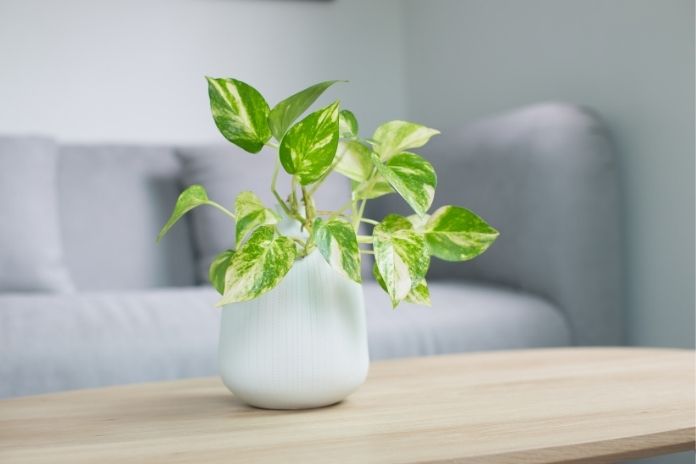
Using natural remedies to create a cleaner indoor environment is not only effective but also environmentally friendly. Many common natural solutions, like houseplants and simple household items, can significantly reduce indoor pollution and improve air quality. By embracing these natural methods, you can reduce your reliance on chemical-laden products and create a healthier, more sustainable living space.
Natural Solutions for Improving Air Quality
- Houseplants as Air Purifiers: It’s widely known that houseplants serve as natural air purifiers. They act as living filters by absorbing toxins from the air and releasing oxygen, which can improve the overall air quality in your home.
- Baking Soda for Odor Removal: Baking soda is a simple yet powerful tool in fighting unpleasant odors. Due to its natural properties, it neutralizes odors instead of just masking them.
Homemade Air Fresheners and Cleaning Solutions
- Natural Air Fresheners: You can easily make your own air fresheners using ingredients like essential oils, vinegar, and water. A mixture of water and a few drops of your favorite essential oil (lavender, eucalyptus, or lemon) can create a refreshing and natural scent for your home.
- Homemade Cleaning Solutions: Another easy DIY option is creating your own cleaning solutions using natural ingredients. For example, mixing vinegar and water creates an excellent all-purpose cleaner that can tackle various surfaces, from countertops to glass.
Embracing a Healthier, More Sustainable Living Space
By incorporating these natural remedies into your daily cleaning and air-purifying routines, you can greatly reduce the amount of indoor pollution in your home. Not only do these methods improve the overall air quality, but they also provide a more eco-friendly alternative to commercial products filled with harmful chemicals.
Taking a hands-on approach to creating a cleaner, healthier environment is an easy and effective way to foster a more sustainable lifestyle.
Read More: Useful Plants to Improve Indoor Air Quality
Regular Maintenance Practices
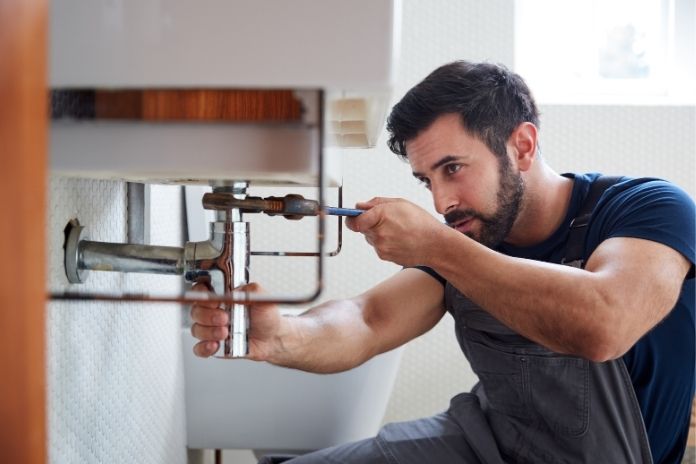
To ensure that your indoor environment remains clean and healthy, it’s essential to make a conscious effort to prevent the accumulation of pollutants over time. Regular maintenance plays a crucial role in protecting your living space from potential dangers, ensuring the air remains fresh and free from contaminants. A little proactive care can go a long way in maintaining a safe, comfortable home.
Key Maintenance Practices for Clean Indoor Air
- HVAC System Inspections: Regularly inspecting your heating, ventilation, and air conditioning (HVAC) system is vital to maintaining good air quality. Over time, dust and allergens can accumulate in your ducts, affecting the overall air quality in your home.
- Mold Prevention: Mold growth is a significant concern, especially in damp or poorly ventilated areas. Regularly checking for signs of mold and addressing leaks promptly can help prevent the spread of mold and maintain a healthy indoor environment.
Proactive Measures for a Healthier Living Space
- Repair Leaks Promptly: Leaky pipes, faucets, or windows can lead to water damage and encourage mold growth. Addressing leaks as soon as they occur can help prevent unnecessary moisture buildup, which is a breeding ground for pollutants and allergens.
- Ensure Adequate Ventilation: Proper ventilation is key to keeping indoor air quality high. Ensuring that your home is well-ventilated allows for fresh air to flow in and pollutants to flow out. Regularly open windows, use exhaust fans in kitchens and bathrooms, and ensure that your vents are unobstructed for optimal airflow.
Creating a Healthier, Welcoming Home
Incorporating regular maintenance and preventative measures into your routine is key to creating a living space that is both aesthetically pleasing and beneficial for your health. By staying on top of these tasks, you can ensure your home remains a sanctuary, clean, fresh, and free from harmful pollutants.
- Improved Indoor Air Quality: Consistently maintaining systems like your HVAC or ensuring proper ventilation can significantly enhance the air quality inside your home. By reducing the buildup of allergens, dust, and pollutants, you create a cleaner environment that promotes better health.
- Preventing Structural Issues: Taking care of things like leaks and mold growth at the first sign can save you from long-term structural damage and costly repairs. A well-maintained home remains safe and comfortable over the years.
The Impact of Consistency
- A Healthier Home Environment: Consistent care, like replacing filters, checking ventilation systems, and fixing leaks promptly, ensures that harmful pollutants don’t build up over time. It reduces the risk of respiratory issues and allergies, making your home healthier for everyone.
- A Comfortable and Safe Living Space: A well-maintained home creates an atmosphere where you can feel relaxed and at ease, free from the concerns of hidden hazards or discomforts. Whether it’s clean air or a well-kept living space, these practices contribute to your overall well-being.
By taking these small, consistent steps, you’ll cultivate a living space that promotes health, peace of mind, and comfort, ensuring that your home remains a safe and inviting place for years to come.
Creating a Healthy Indoor Environment

The impact of the indoor environment on our health cannot be overstated. Our indoor spaces play a crucial role in shaping not just our physical health but also our mental well-being and overall quality of life. Since we spend a significant portion of our time indoors, ensuring that the air we breathe is clean and healthy is a fundamental step toward improving our overall health.
Why Prioritizing Air Quality Matters
- Health Benefits: Clean indoor air reduces the risk of respiratory issues, allergies, and other health problems. Poor air quality can lead to chronic conditions like asthma, while clean air supports the body’s natural healing and maintenance processes.
- Mental Well-being: The air we breathe has a profound effect on mental clarity and mood. A well-ventilated, pollutant-free environment promotes relaxation, focus, and emotional balance, improving your overall mental state.
- Higher Quality of Life: Good air quality contributes to better sleep, higher energy levels, and a greater sense of well-being, allowing us to live a more vibrant and enjoyable life.
Steps to Create a Healthier Indoor Environment
- Simple Practices:
- Ventilation: Regularly opening windows and ensuring proper airflow helps to reduce the buildup of indoor pollutants. This simple step significantly improves air quality.
- Routine Cleaning: Dusting, vacuuming, and addressing mold or moisture problems are effective ways to keep the indoor air fresh and clean.
- Investing in Air Purifiers: While basic practices are important, investing in an air purifier can enhance air quality by filtering out harmful particles like pet dander, pollen, and dust.
- Addressing Indoor Pollution Sources: Avoiding smoking indoors, reducing the use of toxic cleaning products, and using low-VOC materials are additional steps that help to minimize indoor pollutants.
The Shared Responsibility
Creating a healthy indoor environment is a responsibility that affects everyone living within the space. Every action, from routine maintenance to significant investments in air purification, plays a part in ensuring the air we breathe supports our physical health and mental well-being.
By being proactive in improving indoor air quality, we not only protect ourselves but also create a more calming and vibrant space for our loved ones.
Conclusion
Investing in measures to prevent indoor pollution is one of the best things you can do for your health. By understanding where pollutants come from and how they affect us, we’re better equipped to make informed decisions for a cleaner, healthier home. From everyday choices to more technical solutions, like air purifiers, we have so many tools at our disposal to create an environment that truly supports our well-being. This guide has hopefully given you a solid foundation for tackling indoor pollution head-on.
Regularly maintaining indoor air quality can lead to major improvements in our overall health, and it’s something we can all commit to doing. Whether it’s simple actions like improving ventilation, opting for natural cleaning products, or investing in high-quality filters, each step plays a role in boosting the air we breathe. The more we integrate these habits into our daily routines, the better the living environment we can create.
Ultimately, maintaining a clean and healthy indoor environment is a shared effort. It’s about supporting each other and staying proactive in keeping our spaces free from harmful pollutants. By working together, we not only improve our homes but also contribute to a safer, cleaner, and more energized atmosphere where we can all thrive. Let’s make a conscious choice to prioritize our health by implementing these strategies every day.
References
- https://www.weforum.org/agenda/2022/07/what-causes-indoor-air-pollution-sources-how-to-reduce/
- https://www.epa.gov/indoor-air-quality-iaq/introduction-indoor-air-quality
- https://www.urmc.rochester.edu/encyclopedia/content.aspx
- https://energy5.com/the-role-of-ventilation-in-reducing-indoor-air-pollution
- https://nchh.org/information-and-evidence/learn-about-healthy-housing/health-hazards-prevention-and-solutions/ventilation-and-indoor-air-quality/
- https://www.torin-sifan.com/news-and-resources/the-importance-of-ventilation-and-indoor-air-quality/
- https://www.who.int/news-room/fact-sheets/detail/household-air-pollution-and-health
- https://www.consumerreports.org/indoor-air-quality/ways-to-reduce-indoor-air-pollution/
- https://www.who.int/teams/environment-climate-change-and-health/air-quality-energy-and-health/sectoral-interventions/household-air-pollution/strategies
- https://www.healthline.com/health/how-to-improve-air-quality-at-home
- https://ww2.arb.ca.gov/resources/fact-sheets/reducing-your-exposure-indoor-air-pollution
- https://www.citronhygiene.com/resources/benefits-of-air-purifiers-fresheners-for-indoor-spaces/
- https://www.carrier.com/residential/en/us/products/indoor-air-quality/air-purifiers/benefits-of-air-purifiers/
- https://www.health.com/air-purifiers-benefits-7510174
- https://www.treehugger.com/ways-get-clean-air-without-chemicals-4864310
- https://www.ctahr.hawaii.edu/oc/freepubs/pdf/of-39.pdf
- https://discover.hubpages.com/living/8-Natural-Air-Purifying-Hacks-for-Your-Home
- https://www.issa.com/articles/the-importance-of-cleaning-and-hygiene-on-indoor-air-quality
- https://www.iqair.com/us/newsroom/air-pollution-stress-and-your-health
- https://www.sciencedirect.com/science/article/pii/S0048969722069133
- https://www.ncbi.nlm.nih.gov/pmc/articles/PMC6163607/
- https://utilitiesone.com/improving-indoor-air-quality-in-green-communication-constructions
- https://www.sciencedirect.com/topics/earth-and-planetary-sciences/indoor-environment
In this Article