













As a woman, I often find that there are some topics we don’t always openly discuss. One of those topics is intimate hygiene or vaginal health. Since we do not discuss this often, it is possible to have certain misconceptions.
The other week, I found a little bit of vaginal discharge upon my washroom visit and was sure that I had an infection. I believed this even without investigating further or visiting my OB/GYN, just because of certain myths that we hold on to.
When it comes to vaginal health, myths tend to travel further than facts. From generation to generation, advice handed down that doesn’t hold up to misleading marketing messages, women are forced to deal with conflicting information.
Sadly, a number of those myths can do more harm than good, causing discomfort, unnecessary anxiety, or even infection.
Understand what’s normal, what’s not, and how to take care of your body based on science.
In this article, we debunk five of the most common vaginal health myths and what physicians say you should take away from them.
Read More: Top Vaginal Health Supplements You Can Buy Online (Probiotics, Prebiotics & More)
Myth #1: Vaginal Smell Always Means an Infection
A healthy vagina is not scent-free, and that’s just fine. The natural smell differs based on your cycle, activity level, and hormones.
Normal differences include:
- Mildly tangy or musky smell because of lactic acid from healthy bacteria.
- A pungent smell after exercise or sex is often caused by sweating or a pH imbalance.
- Shifts during menstruation are due to iron in the blood.
When smell can indicate a problem – Here’s a list of situations where smell can be worrisome. Seek medical attention if you experience:
- Strong, fishy odor (possible BV)
- Bad smell with itching, burning, or abnormal discharge
- Continuous changes that don’t improve with simple hygiene
Non-infectious causes for odor include:
- Sweating in tight clothing
- Diet (garlic, onion, coffee, alcohol)
- Hormonal changes (pregnancy, menopause)
Key Takeaway – The smell by itself isn’t always a red flag. Be aware of the symptoms before jumping to infection.
Read More: Leaking Amniotic Fluid vs. Discharge: How to Tell the Difference During Pregnancy
Myth #2: You Can “Tighten” Your Vagina with Over-the-Counter Products

The marketplace is filled with creams, gels, and sprays that promise to “tighten” the vagina. Most of these are based on astringents that contract vaginal tissues temporarily, creating an illusion of tightness.
The truth:
- They don’t correct underlying changes in muscle tone.
- Some ingredients can irritate, cause allergic reactions, or alter vaginal flora.
- There is no scientific evidence for their long-term success.
What works:
- Pelvic floor exercises (Kegels): Tighten the muscles that support vaginal tone.
- Physical Therapy: Expert pelvic floor therapy may be a great choice after childbirth or with age.
- Medical Procedures: In certain situations, laser or radiofrequency treatments are options, but only under the direction of a gynecologist.
Key Takeaway: Doctors advise avoiding the “miracle” gels and emphasize tried-and-true approaches to pelvic wellness.
Myth #3: All Discharge Is a Sign of a Problem

Most women freak out when they see discharge, thinking it’s a sign of infection. Vaginal discharge is a healthy and normal process; it lubricates and protects the vagina.
Normal patterns of discharge can be:
- Clear or milky white
- Light yellowish when it dries on the underwear
- Thickens during ovulation, pregnancy, or sexual arousal
Healthy discharge signs are:
- Mild or no odor
- No itching, burning, or discomfort
- Consistent pattern about your cycle
When to visit your doctor:
- Green, gray, or chunky white discharge
- Unpleasant, strong smell
- Itching, burning, swelling, or pain with sex
Key Takeaway: Understanding your normal makes you more aware of when things are not right, and when they are just your body being your body. Not all discharge is a sign to worry.
Read More: Clitoris Itching: Causes, Treatments, and When to See a Doctor
Myth #4: Yeast Infections Are Caused by Poor Hygiene

Many believe that yeast infections occur as a result of poor hygiene; however, there are a number of medical and lifestyle reasons that increase the risk.
Dr. Heather Saran, an Endocrinologist who practices in Scottsdale, AZ, stresses that yeast infections can occur due to several factors, and not just poor hygiene.
She says, ”I see a fair amount of yeast infections in my patients with high blood sugar from uncontrolled diabetes. Also, certain diabetes medications used to treat high blood sugars in the SGLT-2 inhibitor class, such as Jardiance, Farxiga, and Invokana, actually work by allowing the glucose into the urine, which increases the risk for UTI and yeast infections. Yeast infections can also come from antibiotic use, stress, hormonal shifts, or immune changes.”
Here are a few factors that worsen or cause yeast infections:
- High blood sugar levels from poorly-managed diabetes create an environment favorable for Candida to grow, thus making it very likely for women who may have poorly-managed diabetes to become infected.
- SGLT-2 inhibitor medications for diabetes, like Jardiance, Farxiga, and Invokana, cause the kidneys to expel more glucose in urine, which can promote yeast (and UTI) development.
- Antibiotics are most commonly responsible for killing vaginal flora, the “good” bacteria that make up a normal balance of the vaginal ecosystem, and antibiotics may be in your over-the-counter medications, which promotes yeast growth.
- Other factors, such as stress, hormonal shifts, and immune system changes due to illness or medications, can make you weak and more prone to infections.
Key Takeaway: Certain medications or antibiotics can promote yeast growth. It is best to undergo a medical evaluation and share your medical history with the professional to receive the appropriate treatment.
Myth #5: Yeast Infections Are the Only Cause of Itching
Itching “down there” is usually blamed on yeast infections, but that’s only one culprit.
Other causes include:
- Bacterial vaginosis – caused by an imbalance of bacteria in the vagina.
- Sexually Transmitted Infections (STIs) such as trichomoniasis, chlamydia, or gonorrhea.
- Allergic reactions to laundry detergent, pads, lubricant, or latex.
- Skin conditions such as eczema or lichen sclerosus.
Why self-diagnosing is dangerous:
Treating itching as yeast without testing can cover up the underlying issue and prolong treatment. Physicians advise a proper examination, including lab work if necessary, to make sure the proper treatment is received.
Key Takeaway: Do not self-diagnose every itching as a yeast infection. Visit an OB-GYN to get a thorough check-up.
Myth #6: Menopausal Women with a History of Breast Cancer or Blood Clots Should Avoid Vaginal Estrogen

A history of breast cancer or blood clots does not automatically mean you must not take estrogen. Vaginal estrogen is safe for menopausal women because it is localized in the vaginal tissue.
Dr. Saran shares her thoughts on the myths related to estrogen therapy. She says, “I think one of the biggest misconceptions is that if women have a contraindication to systemic estrogen therapy, such as a history of breast cancer or blood clots that they cannot use any estrogen-containing products. This is a myth.”
She clarifies that vaginal estrogen, which is used in very low doses and acts locally rather than throughout the body, is a safe and effective option for many women in this situation.
“Menopausal women who cannot take systemic estrogen can still use vaginal estrogen to help with vaginal and vulvar health,” Dr. Saran says. ”Vaginal estrogen has also been shown to prevent UTIs and should be offered to women who are not sexually active with recurrent UTIs. “
Studies indicate that low-dose vaginal estrogen, for a limited duration, and under medical supervision, does not increase the recurrence of breast cancer or the risk of clotting.
Vaginal estrogen offers real benefits – it:
- Relieves vaginal dryness, itching, and pain during sex
- Reduces the risk of recurrent UTIs, especially important in older women.
Vaginal estrogen is available in several forms: creams, tablets, and vaginal rings.
Key Takeaway: Even if you cannot take systemic estrogen, local vaginal estrogen can help. As always, discuss any options with your gynecologist.
Myth #7: You Must Clean Inside Your Vagina with Soap or Douches
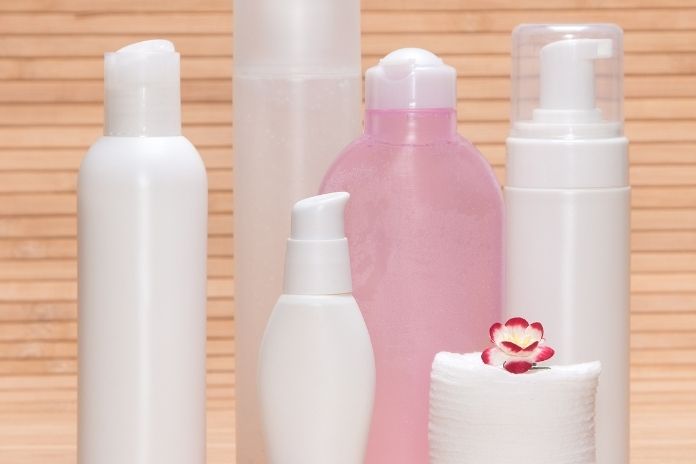
One of the most common myths about women’s intimate care is that the vagina must be cleaned internally with soap or cleansers to be fresh.
The truth? Your vagina is self-cleaning. It produces natural secretions that help clear bacteria and dead cells, maintaining a balanced environment.
The vaginal microbiome consists mostly of helpful Lactobacillus bacteria and has a slightly acidic pH (about 3.8–4.5) that naturally guards against infections.
Why soap and vaginal cleansers can be damaging:
- Disrupts pH Balance: Harsh cleansers can destroy beneficial bacteria, allowing dangerous microbes to grow and multiply.
- Dryness and Irritation: Soaps contain chemicals that can remove natural moisture.
- Risk of Infection: Cleaning the vagina internally has been associated with bacterial vaginosis. This is due to the reduced vaginal flora caused by douching.
What physicians advise:
- Wash only the vulva (outer genital area) with warm water or a mild, fragrance-free soap if necessary.
- No internal washing with soaps. Avoid using antiseptics and douches in the vagina.
- Leave your body’s natural processes as they are.
Key Takeaway: Opt for products that are mild, fragrance-free, and do not disturb the pH balance.
Tips for Keeping the Vagina Healthy

The vagina doesn’t need fussy routines or high-cost products, but only simple, regular habits to maintain its natural balance. Here’s what experts suggest:
1. Wear Breathable Cotton Underwear:
Cotton provides air flow and wicks away moisture, drying out the vulvar zone and preventing yeast and bacterial overgrowth.
Synthetic fibers can retain sweat and heat, creating an environment that is ideal for irritation and infection. For exercising or warm weather, use moisture-wicking blends of cotton.
2. Steer Clear of Fragrant Products and Harsh Cleaners:
Fragrances in wipes, soaps, bubble baths, tampons, pads, and sprays can interfere with vaginal pH and cause allergic reactions or dermatitis. Even “feminine washes” sold as gentle contain unnecessary chemicals.
If you do want to use a cleanser, choose one that is mild, fragrance-free, and formulated for sensitive skin, and apply it only to the outside vulva, not inside the vagina.
3. Practice Safe and Hygienic Sexual Habits:
Using protection, such as condoms, can reduce your risk of vaginal health STIs. Gently wash the genital area with water after sex to eliminate sweat, lubricants, and bodily fluids, but do not scrub intensely.
If a sex toy is used, clean it thoroughly after each use according to the manufacturer’s instructions.
4. Stay Hydrated for Mucosal Health:
Adequate water intake helps maintain the moisture levels of all mucous membranes in your body, including the vaginal lining. Chronic dehydration can sometimes contribute to dryness, making intercourse uncomfortable.
Aim for at least 6–8 glasses of water a day, more if you’re active or live in a hot climate.
5. Eat a Balanced, Probiotic-Rich Diet:
A diet rich in nutrients helps your body’s immune system, contributing to a healthy vaginal environment. Probiotic-rich foods like yogurt with live cultures, kefir, sauerkraut, and kimchi can restore beneficial bacteria.
Include high-fiber foods, green leafy vegetables, and antioxidant fruits to maintain overall reproductive health.
6. Change into Dry Clothes Immediately:
After a workout, swim, or a hot day outside, avoid sitting around in sweaty clothes. Moisture and heat offer a perfect breeding ground for yeast and bacteria. Always dry the vulva area thoroughly before slipping on clean, dry underwear.
7. Limit Excessive Over-the-Counter Treatments:
Don’t self-treat itching, discharge, or odor with random products from the pharmacy unless you’ve been diagnosed. Using antifungal creams or vaginal gels unnecessarily can irritate tissue, mask symptoms, or worsen imbalances. Instead, consult a healthcare provider for a proper diagnosis before starting treatment.
8. Manage Blood Sugar for Vaginal Balance
High blood sugar can upset the vaginal microbiome, making it easier for yeast, especially Candida albicans, to grow. This is common in women with poorly managed diabetes or insulin resistance.
To reduce the risk of infections, limit refined sugars and processed carbs, eat more fiber-rich foods to support gut and vaginal health, and stay active to boost insulin sensitivity and circulation.
Regular blood sugar checks are essential for maintaining both overall and vaginal health.
Bonus Tip: Even if you are perfectly fine, visit a gynecologist or women’s health provider at least once a year to detect early infections, cervical changes, or other complications before they worsen. Candidly talk to your doctor about your symptoms, sex life, and cleanliness routine, as it helps them provide the best possible guidance.
Bottom Line
Misinformation around vaginal health can cause undue concern or bad habits. The reality is, your vagina is a self-regulating, well-engineered component of your body that only occasionally requires intervention beyond everyday hygiene and good sense.
If unsure, avoid social media or advertising hype, untested tips, and opt for science-backed, gynecologist-suggested guidance instead. Knowing your body’s natural rhythms and cues is the best protection for your long-term health, comfort, and confidence.
Above all, remember that your vagina is designed to care for itself. Avoid trends, fads, or “detox” products that promise miraculous results. Trust your body’s signals, and when something feels different, get professional guidance instead of turning to unverified online tips.

References
- https://jaingynecology.com/posts/news/breaking-down-the-myths-what-you-should-know-about-vaginal-health/
- https://lasvegasobgyncenter.com/vaginal-health-diet-strategies/
- https://www.who.int/news-room/fact-sheets/detail/condoms
- https://pmc.ncbi.nlm.nih.gov/articles/PMC4857673/
- https://www.sunflowerhospital.in/7-valuable-vaginal-health-tips-women-must-know/
- https://www.goodrx.com/health-topic/womens-health/healthy-vagina
- https://pmc.ncbi.nlm.nih.gov/articles/PMC2567125/
In this Article