









From hormonal acne flare-ups to stubborn bloating, an increasing number of women are discovering a surprising culprit in their daily diets: dairy. While once considered essential for strong bones and healthy skin, dairy is now under increasing scrutiny, particularly among women seeking hormonal balance, clearer skin, and improved digestion. Dairy-free diets are slowly becoming popular among women in particular.
The transition isn’t simply about ditching the cow’s milk—it’s about regaining control over how we want our bodies to feel. With increased awareness of the impacts of dairy on hormones, digestive health, and inflammation, women are paying attention to their bodies and adopting a nutrient-dense, dairy-free lifestyle.
“Within three weeks, cutting full-fat dairy can benefit multiple systems, as daily intake may worsen conditions like heart disease, diabetes, and Alzheimer’s. Moreover, skin improvements are also possible with reduced acne due to decreased inflammation,” said Dr. Dilip Gude, senior consultant physician at Yashoda Hospitals, Hyderabad, India.
In this article, we explore seven strong reasons why women are quitting dairy—and the nutritious, plant-based replacements that help us in doing so.
Read More: Is Dairy Really Bad for Your Gut? Here’s What The Science Says
Reasons Women are Quitting Dairy
Eliminating dairy from the diet is not merely a fad. Women opt for going dairy-free for various reasons. Here are a few top reasons that women quit dairy.
1. Hormonal Acne and Skin Breakouts
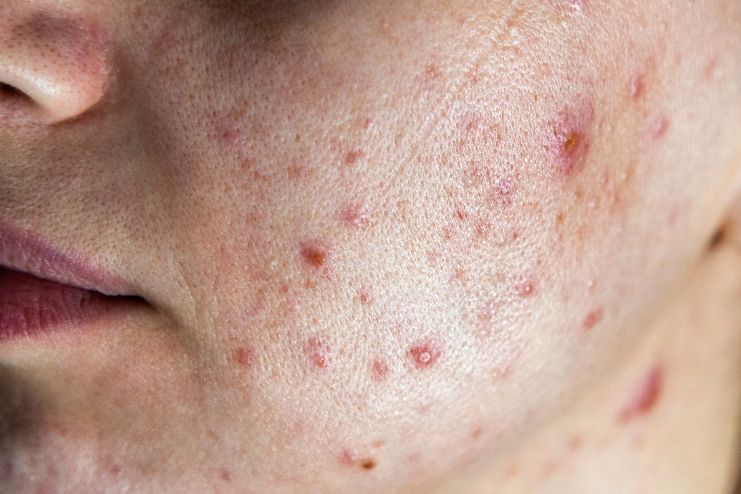
One of the most common reasons women leave dairy is for clearer, more balanced skin. Various studies have linked dairy, particularly skim milk, to hormonal acne. Milk contains natural hormones, and additional hormones can be added during processing. These hormones interfere with our endocrine systems, promoting sebum production. This eventually leads to breakouts, especially around the jawline and chin.
Substituting dairy for dairy-free alternatives, such as unsweetened oat milk, almond milk, coconut yogurt, and cashew cheese, allows many women to experience tangible changes in skin texture, tone, and radiance in just a matter of weeks. It’s not merely a skincare enhancement—it’s hormonal harmony from the inside out.
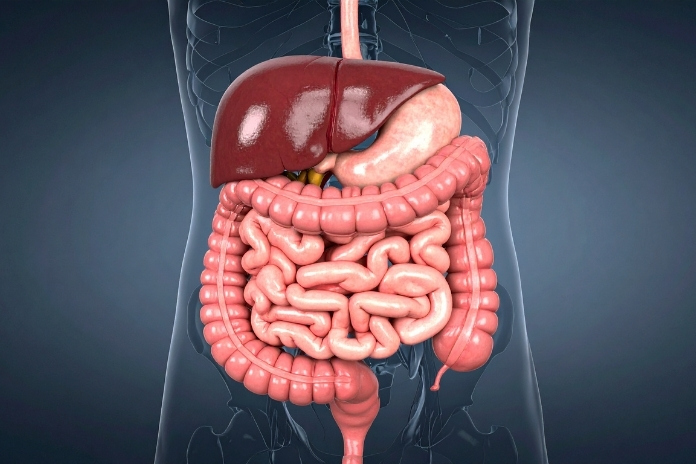
2. Bloating and Digestive Issues

That nasty bloating after your morning latte or after-lunch yogurt? It may not be a coincidence. Many women are lactose intolerant—or sensitive to dairy proteins such as casein and whey—and don’t even know it. Such sensitivities trigger symptoms such as gas, cramps, constipation, or diarrhea.
Selecting plant-based substitutes, such as rice milk, flax milk, or lactose-free coconut milk, can be a relief. Furthermore, fermented options like coconut kefir offer beneficial probiotics without the digestive burden of dairy, making them an ideal choice for patients with sensitive digestive systems.
Read More: How Food Combining Affects Digestion (Does It Really Work?)
3. Hormonal Balance and Menstrual Health
Dairy consumption may contribute to hormonal imbalances by increasing the body’s estrogen load, particularly from conventionally raised cows. For women with conditions like PCOS, fibroids, PMS, or endometriosis, this extra estrogen can worsen symptoms.
Most women report reduced, more even periods and reduced PMS symptoms after excluding dairy from their diet. Alternatives rich in nutrients, such as fortified almond milk, sesame seed-based tahini, leafy greens, and chia seeds, are rich in calcium and magnesium yet do not disrupt hormonal rhythms.
4. Anti-Inflammatory Goals

For women with autoimmune conditions, joint pain, or chronic skin inflammation, dairy is a surprising culprit. Though not necessarily inflammatory for all, some dairy proteins can trigger immune reactions in susceptible individuals. This results in fatigue, flare-ups, and joint pain.
Incorporating anti-inflammatory, dairy-free foods, such as turmeric lattes made with almond milk, chia puddings, and walnut snacks, can help reduce inflammation naturally. This shift promotes an energized, more resilient body, minus bloat and soreness.
Read More: How to Build an Anti-Inflammatory Morning Routine
5. Ethical and Environmental Reasons

In addition to personal health concerns, ethical and environmental issues are driving women to adopt dairy-free lifestyles. The factory farming methods and carbon emissions associated with dairy production are another major concern. These have created a sense of urgency, prompting women to switch to dairy-free alternatives.
In response, women are increasingly turning to kind, green alternatives. Homemade nut milks, cashew cheeses, and coconut or banana “nice” creams are not only delicious—they are consistent with a lifestyle of compassion to animals and the earth.
6. Weight Management and Bloating Reduction

Some women discover that eliminating dairy makes it easier to control weight. Dairy foods can cause water retention or affect insulin sensitivity, both of which can contribute to difficulty losing weight or staying energized.
These women are opting for alternatives such as smoothies made with unsweetened almond milk, low-sugar coconut yogurts, and avocado spreads on toast. These alternatives are filling, nutrient-rich, and closer to metabolism-boosting ideals.
7. Food Sensitivities and Allergies

Even without a diagnosed allergy, most women have subtle sensitivities to dairy. These reactions may show up as fatigue, sinus congestion, skin rashes, or brain fog—symptoms easily overlooked or misattributed.
Eliminating dairy can be a game-changer. Substitutes such as hemp milk, flax milk, or dairy-free baking with applesauce or nut butters provide simple and tasty ways to feed your body without causing unwanted reactions.
Read More: Top PCOS-Friendly Protein Powders for Energy & Metabolism Support
Conclusion

Ditching dairy isn’t a fleeting fad—it’s a potent movement toward mindful, body-conscious living. Whether you’re looking to regulate hormones, heal your skin, enhance digestion, or simply live more sustainably, the rewards of a dairy-free lifestyle are tangible and more attainable than ever.
With so many plant-based dairy options out there—from barista oat milk to probiotic coconut yogurt—switching has never been simpler. You don’t have to sacrifice creaminess or taste—you’re just upgrading to options that work better for your body and values.
Final Note: Quitting dairy doesn’t mean you are lacking nutrients. Whether it’s for your skin, hormones, or the earth, there’s a tasty plant-based substitute out there waiting for you.
References
- https://www.integrativenutrition.com/blog/top-10-dairy-free-benefits
- https://www.womenshealthmag.com/food/a19918941/7-things-that-happen-to-your-health-when-you-stop-eating-dairy
- https://www.prevention.com/food-nutrition/healthy-eating/a29088480/no-dairy-diet
- https://www.health.com/nutrition/eliminate-dairy-diet