








Your scented candle, favorite face cream, and even that innocent bottle of water could be quietly wreaking havoc on your hormones. Sounds dramatic? It’s not.
A growing body of scientific research shows that many everyday items we trust and use daily contain endocrine-disrupting chemicals (EDCs)—substances that mimic or interfere with the hormones our bodies rely on to function properly.
Hormones are the body’s chemical messengers, crucial for regulating everything from metabolism and fertility to mood and immune response. When these messages get garbled due to external interference, the consequences can range from mild symptoms like fatigue or skin breakouts to more serious conditions like thyroid disorders, infertility, and even certain cancers.
In this article, we’ll explore seven surprising sources of hormone disruptors you’re likely exposed to every day—and offer simple, practical swaps to help reduce your risk. Whether you’re starting your clean living journey or fine-tuning your hormone health habits, this guide is a must-read.
What Are Endocrine Disruptors?
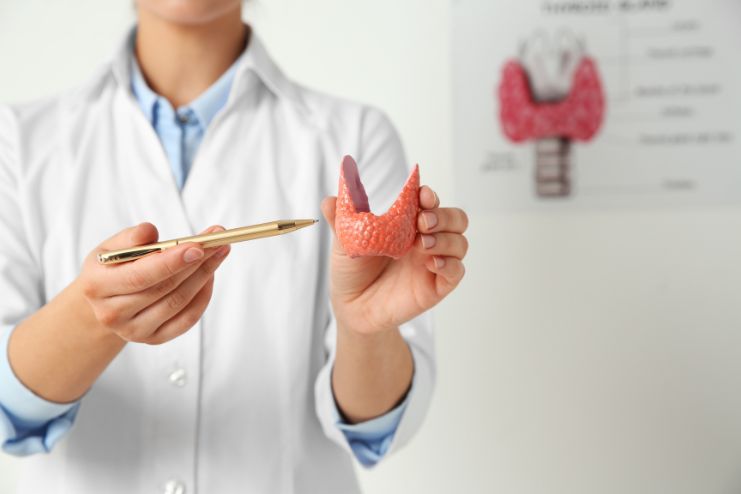
Endocrine disruptors are synthetic or natural chemicals that interfere with the body’s endocrine system—the network responsible for producing and regulating hormones.
These chemicals can mimic hormones, block their effects, or alter the way they’re produced or broken down. Even in small doses, they can have significant and long-lasting effects, especially during critical life stages such as puberty, pregnancy, and infancy.
Scientific studies have linked exposure to EDCs with numerous health issues: hormonal acne, PCOS, early puberty, fertility problems, thyroid imbalances, and metabolic disorders. Over time, even low-level chronic exposure can add up, especially because these chemicals tend to accumulate in the body.
You’ll find endocrine disruptors in an alarming number of everyday products—from plastic containers and receipts to skincare, air fresheners, and more. The worst part? Most of these exposures happen without us realizing it. But knowledge is power, and knowing what to avoid is the first step toward hormone harmony.
7 Everyday Products That May Be Disrupting Your Hormones
Hormonal imbalances can lead to fatigue, weight gain, mood swings, skin issues, and even fertility problems. While genetics and lifestyle play a role, many people overlook a sneaky culprit: everyday products laced with hormone-disrupting chemicals.
From personal care items to kitchen staples, certain ingredients can mimic or block natural hormones, throwing your system off balance. Being aware of these products is the first step toward protecting your health and restoring hormonal harmony.
Here are 7 common items that could be interfering with your hormonal health—and simple ways to reduce your exposure.
1. Plastic Food Containers and Bottled Water
Plastics are convenient, but they often come with an invisible cost: endocrine disruption. One of the biggest culprits is BPA (bisphenol A), a chemical used to harden plastic that mimics estrogen in the body. When plastic containers are heated, like when microwaving leftovers or leaving a water bottle in a hot car, these chemicals can leach into your food or drink.
Phthalates, another group of hormone disruptors found in flexible plastics, can also migrate into food, especially oily or fatty foods stored in plastic wrap. These compounds have been linked to lower testosterone levels, decreased sperm quality, and metabolic issues.
Swap it: Use glass or stainless steel containers for storage, especially for hot or acidic foods. Opt for reusable water bottles made from stainless steel or BPA-free glass. Avoid microwaving plastic containers—even if they claim to be microwave-safe.
2. Scented Candles and Air Fresheners
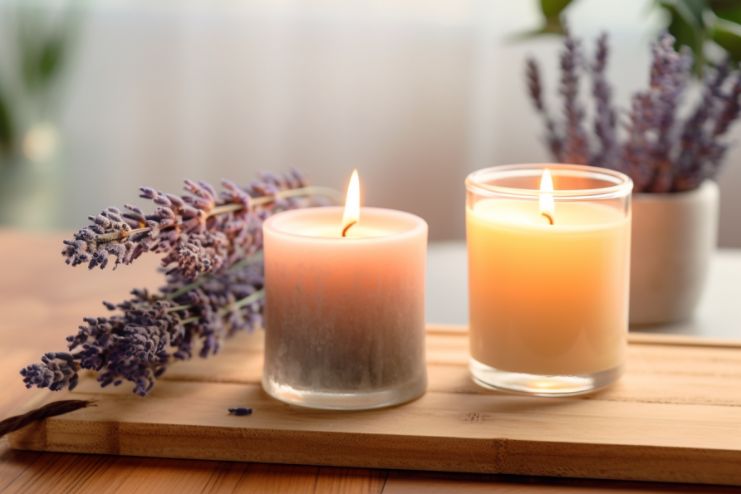
That vanilla-scented candle might set the mood, but it could also be releasing hormone-disrupting chemicals into your air. Synthetic fragrances—often listed as just “fragrance” or “parfum” on labels—can include hundreds of undisclosed chemicals, many of which contain phthalates.
When burned, scented candles and sprayed air fresheners can release volatile organic compounds (VOCs) into the air, contributing to indoor air pollution. These compounds have been associated with respiratory issues, allergies, and hormonal imbalances.
Swap it: Choose beeswax or soy candles scented with essential oils. For freshening up your space, try essential oil diffusers, simmering herbs on the stove, or simply opening a window for ventilation.
3. Skincare and Beauty Products
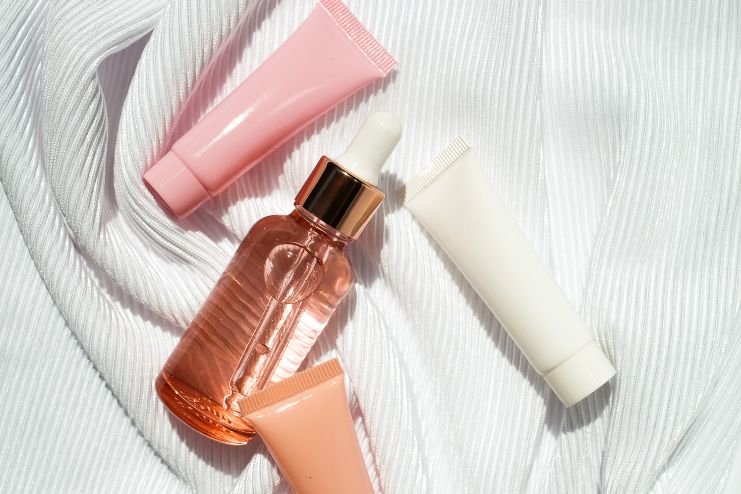
The average person uses about 9 personal care products daily, exposing themselves to over 100 chemicals, many of which have not been tested for long-term safety. Common ingredients like parabens (preservatives), phthalates (used in fragrance), triclosan (antibacterial), and synthetic fragrances are all known endocrine disruptors.
These ingredients are absorbed through the skin, entering your bloodstream directly without the benefit of being filtered through the liver. Over time, they can disrupt estrogen and androgen activity, contributing to hormonal acne, reproductive issues, and thyroid problems.
Swap it: Look for products labeled “fragrance-free” (not just “unscented”) and opt for clean beauty brands that are EWG-verified or have transparent ingredient lists. Apps like Think Dirty and EWG’s Healthy Living can help you vet products easily.
4. Nonstick Cookware
Nonstick pots and pans make cleanup easier—but many contain perfluorinated chemicals like PFOA and PFAS, often referred to as “forever chemicals” because they don’t break down in the environment or the human body.
These compounds have been linked to hormone disruption, reduced immune function, and even developmental issues in children. Heating nonstick cookware can cause these chemicals to release into your food and the air.
Swap it: Switch to ceramic, cast iron, or stainless steel cookware. These options are not only safer but also durable and excellent at conducting heat. If you must use nonstick cookware, avoid overheating and discard pans once they show signs of wear.
5. Essential Oils
Essential oils may be natural, but that doesn’t always mean they’re safe—especially when it comes to hormone health. Some oils, like lavender and tea tree, contain compounds that can mimic estrogen and suppress testosterone, raising concerns about hormonal disruption.
“Lavender and tea tree oils have been found to contain compounds that can mimic estrogen and block androgens,” says Dr. Heather Saran, an endocrinologist in Scottsdale, AZ. “This can interfere with growth and development, especially in children.”
A 2007 New England Journal of Medicine study linked these oils to abnormal breast development in boys, which reversed after stopping use. Later studies confirmed the estrogenic and anti-androgenic effects of certain oil components, including linalool and linalyl acetate.
Children are particularly vulnerable due to their developing hormones, thinner skin, and smaller body size, which increases absorption.
“Be wary of products marketed as ‘natural’—natural does not always mean safe,” adds Dr. Saran.
Swap it: Use essential oils sparingly, and always dilute properly, especially for children. Avoid routine use of lavender or tea tree oil in kids’ products unless advised by a qualified professional.
6. Household Cleaners
Many conventional cleaning products contain a cocktail of toxic chemicals, including ammonia, chlorine bleach, and synthetic fragrances. These substances can disrupt your endocrine system, irritate respiratory pathways, and trigger allergic reactions.
What’s worse, cleaning agents don’t just disappear after use—they linger on surfaces, get inhaled during cleaning, and can enter waterways, impacting broader ecosystems.
Swap it: Opt for green cleaning alternatives. Simple DIY formulas with vinegar, baking soda, lemon, and essential oils can handle most cleaning tasks. You can also choose plant-based cleaners that are biodegradable and free from synthetic fragrance.
7. Feminine Hygiene Products
Pads, tampons, and panty liners can be surprisingly toxic. Many conventional brands use cotton treated with pesticides, bleached with chlorine, and infused with synthetic fragrance—all of which can be absorbed through the highly permeable skin in intimate areas.
Dioxins (byproducts of chlorine bleaching) are particularly concerning, as they’re known to interfere with hormone signaling and have been linked to reproductive issues and endometriosis.
Swap it: Choose organic, fragrance-free menstrual products. Reusable menstrual cups, organic cotton pads, or period underwear are not only hormone-safe but also environmentally friendly.
Read More: Your Hormones Might Be Out of Balance: Here’s How to Tell and Fix It
How to Reduce Your Hormone Disruptor Exposure
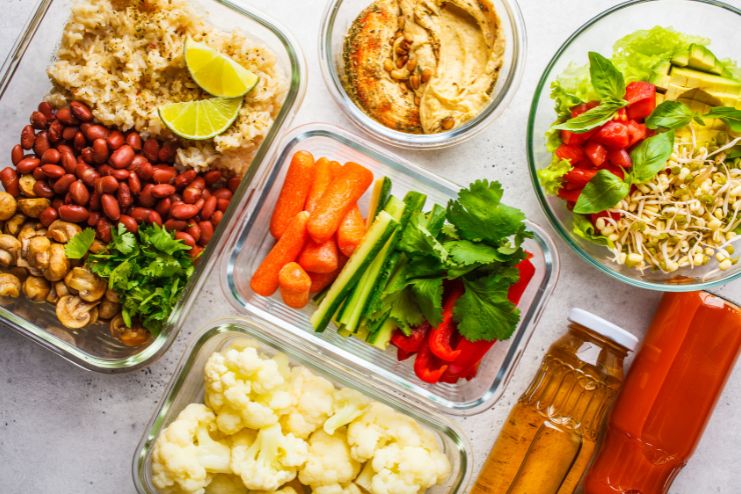
You don’t need to toss everything out and start fresh overnight. In fact, trying to overhaul your entire lifestyle all at once can feel exhausting and unrealistic. A more sustainable—and much less stressful—way to reduce hormone disruptors is to take it step by step.
Start by choosing one area of your life to focus on at a time. Whether it’s your kitchen, your skincare routine, or your household cleaning supplies, small changes in each category can add up to a big impact over time.
Here’s how to begin:
- Get label-savvy: Start reading the ingredient lists on products you already use. Don’t be swayed by marketing terms like “natural” or “green.” Instead, look for concrete red flags:
- Parabens (often end in -paraben)
- Phthalates (sometimes listed as “fragrance” or “parfum”)
- Triclosan
- BPA (commonly found in plastics and can linings)
- Use tech to your advantage: Apps like EWG’s Healthy Living can help you scan product barcodes and check safety ratings instantly. These tools simplify the process and help you make smarter swaps without needing a degree in chemistry.
- Choose cleaner alternatives: When shopping, look for items that are:
- Fragrance-free or use essential oils instead of synthetic scents.
- Made with plant-based or food-grade ingredients.
- Packaged in glass, stainless steel, or BPA-free containers.
- Replace, don’t panic: As you run out of products, replace them with safer alternatives. This slow-and-steady method is easier on your wallet and your mental load.
Remember, this isn’t about being perfect—it’s about being more mindful. Every swap you make reduces your exposure to hormone disruptors and creates a healthier environment for your body to function at its best. Think of it as a long-term investment in your well-being—one cleaner choice at a time.
Final Thoughts
You don’t have to live in fear of every product on your shelf—but you do deserve to know what’s in them. While we can’t avoid every single endocrine disruptor out there, we can be more intentional about what we allow into our homes, onto our skin, and into our bodies.
It starts with awareness. And from there, it’s about the small shifts—swapping out one product at a time, reading labels a little more closely, and making choices that support your body rather than work against it.
When your hormones aren’t fighting an uphill battle against hidden chemicals, they’re free to do what they’re designed to do: keep your mood steady, energy flowing, sleep restful, and overall health in check.
Every small step toward a cleaner lifestyle is a big step toward balance—and that’s a shift worth making.

References
- https://www.niehs.nih.gov/health/topics/agents/endocrine
- https://www.endocrine.org/patient-engagement/endocrine-library/edcs
- https://www.webmd.com/children/what-are-endocrine-disruptors
- https://www.niehs.nih.gov/sites/default/files/health/materials/endocrine_disruptors_508.pdf
- https://www.unep.org/topics/chemicals-and-pollution-action/pollution-and-health/endocrine-disrupting-chemicals
- https://www.ndtv.com/health/7-kitchen-items-that-may-disrupt-your-hormonal-balance-8230374
- https://www.nrdc.org/stories/9-ways-avoid-hormone-disrupting-chemicals
- https://www.motherjones.com/environment/2013/10/endocrine-disruptors-household-items/
- https://timesofindia.indiatimes.com/life-style/health-fitness/health-news/hidden-hormone-hazards-everyday-products-that-could-be-hurting-your-fertility/articleshow/116869265.cms
- https://www.endocrine.org/topics/edc/what-edcs-are/common-edcs
- https://fitonapp.com/wellness/hormone-disruptors/
- https://www.kauveryhospital.com/blog/endocrinology/hormone-disruptors-in-our-daily-lives/
- https://www.nrdc.org/stories/9-ways-avoid-hormone-disrupting-chemicals
- https://www.endocrine.org/topics/edc/what-you-can-do
- https://www.sciencedirect.com/science/article/pii/S0160412022005037
In this Article