











Living with asthma can significantly impact your daily life, affecting everything from physical activity to sleep quality. This chronic lung condition affects 25 million Americans, including 5 million children and 20 million adults. Common symptoms include shortness of breath, chest tightness, and persistent coughing.
Asthma symptoms can range from mild to severe, and in some cases, they can be life-threatening. While there’s no cure for asthma, you can effectively manage it by understanding the condition and following proven treatment strategies.
The primary goals of asthma management are controlling symptoms, preventing asthma attacks, and treating flare-ups when they occur. Different asthma therapies serve various functions, so it’s essential to understand how each treatment works in your overall management plan.
This article explores the top asthma products that can help you manage symptoms and improve your quality of life.
Read More: Prevent Asthma Flare-Ups with These 10 Simple Indoor Air Quality Solutions
1. Inhalers: Primatene Inhalers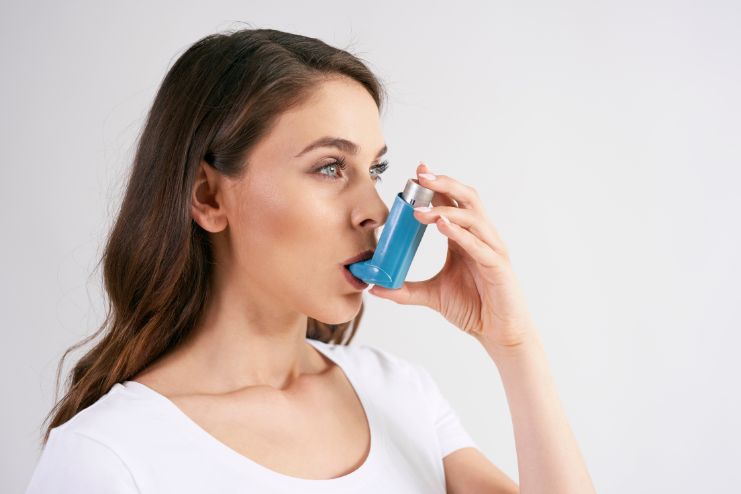
Portable inhalers deliver medication directly to your lungs and are available in three main types: gentle mist, metered-dose, and dry powder. The most common medications help clear airways or reduce lung inflammation.
Inhalation therapy is the cornerstone of asthma treatment and symptom management. When you use an inhaler, the medication goes straight to your airways where it’s needed most.
Inhalers are primarily used by people with chronic lung conditions that affect breathing, such as asthma or COPD. Fast-acting inhalers (rescue inhalers) provide relief during asthma attacks or COPD flare-ups, while daily maintenance inhalers help prevent symptoms.
Healthcare providers prescribe inhaled corticosteroids and rescue inhalers for various respiratory conditions beyond asthma. It’s crucial to use only the inhaler prescribed specifically for you, just as you would with any other medication.
Primatene MIST is an over-the-counter asthma inhaler that provides short-term relief from mild intermittent asthma symptoms like wheezing, chest tightness, and shortness of breath. Each spray delivers 0.125 milligrams of medication, and the inhaler contains 160 metered doses for oral inhalation only.
2. Peak Flow Meters: MIR Peak Flow

A portable peak flow meter measures how efficiently air flows out of your lungs. When you have asthma, your airways narrow, and a peak flow meter can detect changes in lung function hours or even days before symptoms appear.
By monitoring your peak flow readings, you can take preventive medication as soon as your meter shows changes, potentially avoiding a severe asthma attack before symptoms even start.
Children should use low-range peak flow meters, while older kids, teens, and adults need standard-range meters. Adults require a higher range because their airways are significantly larger than children’s.
Peak flow meters come in various designs, so consult your healthcare provider or pharmacist to determine which type is best for you. These devices typically include charts with average measurements, though it’s important to remember these are just averages—you don’t need to match them exactly.
The MIR Smart ONE pocket spirometer lets you check your lung function anytime, anywhere with a single breath. This innovative device measures your FEV1 and Peak Flow (PEF), providing real-time insights into your lung health. It connects via Bluetooth, is incredibly portable, and makes tracking your breathing engaging and straightforward.
Read More: Asthma Attack Survival Guide: When to Act, What to Pack, and Who to Call
3. Nebulizers: OWAREY Nebulizer Machine
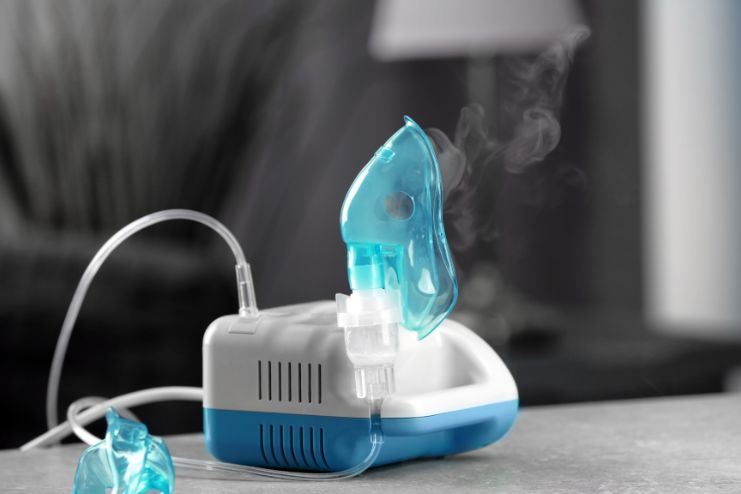
A nebulizer is a breathing treatment device used for respiratory conditions like asthma and COPD. It converts liquid medication—typically a bronchodilator like albuterol—into a fine, easy-to-inhale mist.
Nebulizers are particularly helpful for people who have difficulty using traditional inhalers effectively. Healthcare providers commonly use nebulizers for infants and young children who can’t operate inhalers independently.
During nebulizer treatment, a small mask is placed over the patient’s face while they breathe normally. Unlike inhalers, nebulizers don’t require patients to hold their breath or take deep breaths to be effective.
The OWAREY Nebulizer Machine produces a consistent, fine mist continuously. Its jet nebulizer features anti-slip pads on the bottom that reduce noise and absorb shock, minimizing operational volume.
The device comes with three medical-grade PP masks designed to fit comfortably on children, adults, and seniors, ensuring a comfortable, irritation-free experience for all users.
4. Air Purifiers: LEVOIT Air Purifier
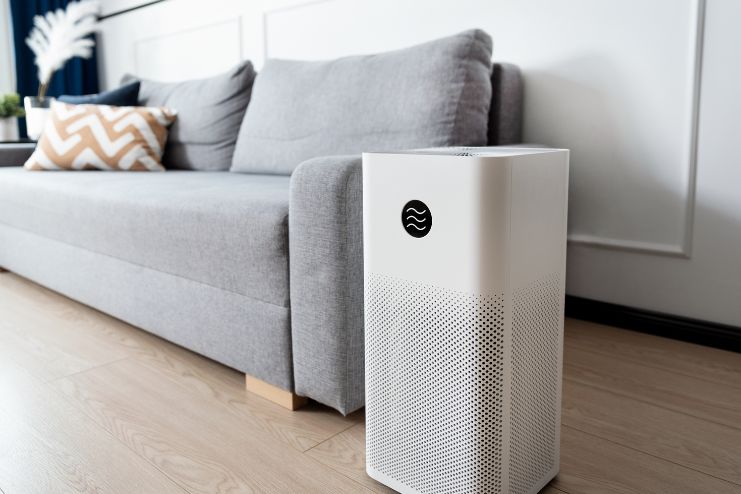
Air purifiers are valuable tools for removing allergens and pollutants from your home environment. According to the World Health Organization, over 300 million people worldwide have asthma.
Many people struggle with breathing difficulties every morning, with each breath serving as a reminder of the invisible threats in their homes: mold spores, dust mites, pet dander, and pollen. These particles can trigger asthma symptoms that significantly impact quality of life.
Asthma-specific air purifiers help create safer, healthier indoor air by filtering out common asthma triggers. While research suggests air purifiers may benefit people with asthma, the most effective approach is often reducing or eliminating trigger sources entirely.
Most air purifiers feature a fan and at least one filter. As air passes through the device, the filter captures fine particles like smoke, dust, and other allergens and pollutants. The purifier then circulates clean air back into the room.
The LEVOIT Air Purifier delivers fresh air in just minutes. When set to Sleep Mode, the Levoit Original Filter provides HEPA-grade filtration for optimal performance and fit. Choose Sleep Mode at night to run your air purifier quietly while you rest.
The Smoke Remover filter handles wildfire smoke and other particles, while the Toxins Absorber filter targets pollution, toxins, and volatile organic compounds.
Read More: Asthma Action Plan for Kids: What Every Parent Should Have Ready
5. Asthma-Friendly Bedding: Hospitology Products Comforter & SureGuard Mattress Protector

While many people look forward to bedtime, those with allergies often find that nightfall brings wheezing and discomfort instead of restful sleep.
Dust mites, pet hair, and mold are common allergens that thrive in beds and bedrooms. These invisible irritants can disrupt your life, especially if you suffer from allergies or asthma.
The good news? You can combat these bedroom allergens with hypoallergenic bedding and other protective strategies. According to pediatric immunologist John McDonnell, MD, “It’s not about cleanliness either. No matter how thoroughly you clean and scrub, allergens will likely still be present in your bedroom and throughout your house.”
You’re never truly sleeping alone—some estimates suggest your mattress could harbor 100,000 to 10 million microscopic dust mites.
Hypoallergenic bedding limits dust mites’ ability to move freely. Mattress covers and other protective bedding create a physical barrier against these allergens.
The HOSPITOLOGY PRODUCTS Comforter features an ultra-soft microfiber shell that combines exceptional comfort with maximum durability. Both the shell and filling are 100% polyester with no fabric treatments or chemical additives.
The SureGuard Mattress Protector provides superior protection against liquids, stains, sweat, and bedwetting. Its smooth, 100% cotton surface wicks away moisture while preserving your mattress’s natural feel.
Read More: Can Your Diet Help Control Asthma? Discover the Foods That Make a Difference
6. Spacer Devices: AriHyatus Inhaler Spacer
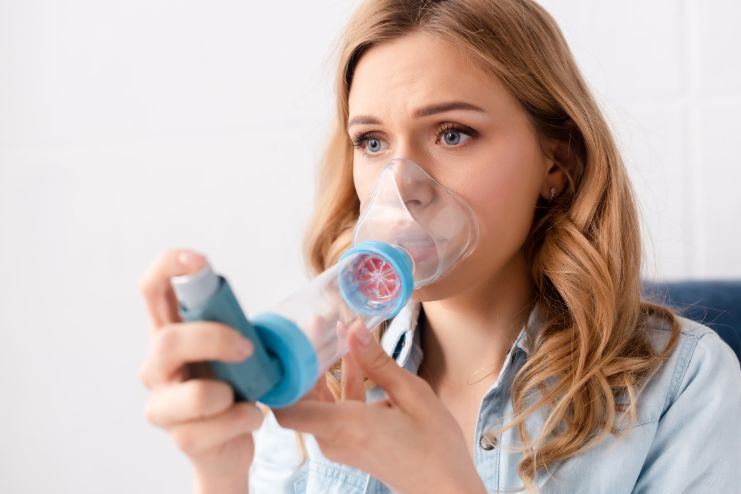
A spacer is a holding chamber, usually tube-shaped or resembling a small football, that makes using an MDI (metered dose inhaler) easier and more effective for asthma or COPD management.
Spacers prevent medication from settling in your mouth and throat, where it can cause irritation or minor infections. Instead, they help deliver medication directly to your lungs where it’s needed most.
Spacers are available in various sizes and brands. Consult your pharmacist or asthma specialist to determine which spacer device works best for you. Choose one that’s comfortable for daily use and easy to assemble.
The AriHyatus Inhaler Spacer for adults extends medication retention time, ensuring more medication reaches your lungs while reducing waste through your mouth and throat.
This adult inhaler spacer includes a soft, liquid silicone mask with an integrated carbon dioxide vent, making inhalation therapy more comfortable and convenient.
7. Humidifiers: Honeywell Humidifier
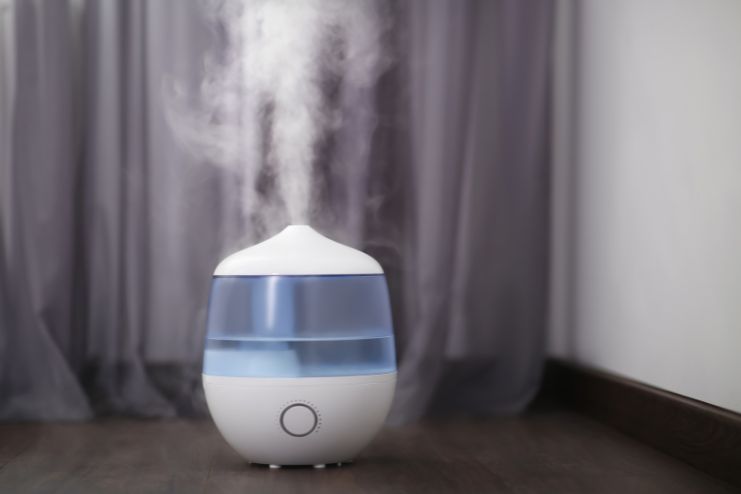
According to pulmonologist Sobia Farooq, MD, “Your respiratory system simply isn’t happy when the air is dry.” Even if you don’t have existing health conditions, you can feel the effects. Dryness affects everything from your skin and nasal passages to your lungs.
Dr. Farooq explains, “Dry air can irritate your nose and lungs, potentially worsening existing conditions. A humidifier is one of the best ways to improve indoor air quality and promote healthier breathing.”
People commonly use humidifiers to address problems caused by dry indoor air, such as chapped lips, nosebleeds, and dry sinuses. Additionally, a cool-mist humidifier can help children with colds by adding moisture to the air and relieving stuffy noses.
Think of humidifiers as preventive care. Air becomes uncomfortable when humidity levels aren’t optimal. Investing in a humidifier is an investment in your health—you’ll feel better and notice the difference when you use one properly.
The Honeywell Cool Moisture Humidifier efficiently adds moisture to your home without being obtrusive. It uses UV technology combined with a wicking filter to help purify water and prevent minerals from entering the air, creating a cleaner mist.
Perfect for babies, this device adds soothing background noise to any room with its gentle, fan-like sound. The large tank can run overnight, providing steady, comforting moisture that makes it ideal for bedrooms for both adults and children.
Read More: 10 Common Triggers That Could Worsen Your Asthma
Conclusion
Effective asthma management goes beyond simply reducing symptoms and preventing attacks. It’s about maintaining an active, healthy lifestyle through successful asthma control. Incorporating the right asthma products into your daily routine can significantly optimize your overall management strategy.
The right tools can make a measurable difference in your quality of life. From inhalers and spacers to air purifiers and peak flow meters, each product contributes uniquely to easier breathing and improved daily function.
However, it’s important to remember that asthma management isn’t a one-size-fits-all approach. Working with your healthcare provider, you can customize your asthma management plan to address your specific needs, triggers, and lifestyle. They can recommend the optimal combination of products and therapies for your individual condition.
References
- https://medlineplus.gov/ency/patientinstructions/000008.htm
- https://www.mayoclinic.org/diseases-conditions/asthma/in-depth/asthma-medications/art-20045557
- https://aafa.org/asthma/asthma-treatment/
- https://allergyasthmanetwork.org/what-is-asthma/how-is-asthma-treated/
- https://patient.info/chest-lungs/asthma-leaflet/asthma-inhalers
- https://my.clevelandclinic.org/health/treatments/8694-inhalers
- https://my.clevelandclinic.org/health/treatments/peak-flow-meter
- https://aafa.org/asthma/asthma-diagnosis/lung-function-tests-diagnose-asthma/peak-flow-meters/
- https://www.hopkinsmedicine.org/health/treatment-tests-and-therapies/peak-flow-measurement
- https://www.lung.org/lung-health-diseases/lung-disease-lookup/asthma/treatment/devices/peak-flow
- https://www.hopkinsmedicine.org/health/conditions-and-diseases/inhalers-and-nebulizers
- https://www.priyabansal.com/nebulizer-treatment.php
- https://medlineplus.gov/ency/patientinstructions/000006.htm
- https://www.iqair.com/newsroom/air-purifiers-for-asthma-relief
- https://pmc.ncbi.nlm.nih.gov/articles/PMC7105409/
- https://www.medicalnewstoday.com/articles/air-purifier-for-asthma#air-purifiers
- https://www.asthmaallergydoctors.com/the-truth-about-allergy-proof-bedding-does-it-really-help-reduce-allergies/
- https://health.clevelandclinic.org/do-hypoallergenic-pillow-and-mattress-covers-really-work
- https://www.nationalasthma.org.au/living-with-asthma/resources/patients-carers/factsheets/spacer-use-and-care
- https://pmc.ncbi.nlm.nih.gov/articles/PMC6004521/
- https://health.clevelandclinic.org/how-you-can-tell-if-you-need-a-humidifier
- https://www.mayoclinic.org/diseases-conditions/common-cold/in-depth/humidifiers/art-20048021
In this Article